Why Isn't Gravity the Same Everywhere on Earth?
A 100 kg person weighs roughly 983 newtons at the North Pole and about 978 newtons at the equator — a difference of around 5 newtons, or about half a kilogram of force. That gap isn't measurement error. It's physics, and it tells you something genuinely strange about the planet you're standing on.
What Is Gravitational Variation — and Why Does It Exist?
The Planet Isn't a Perfect Sphere
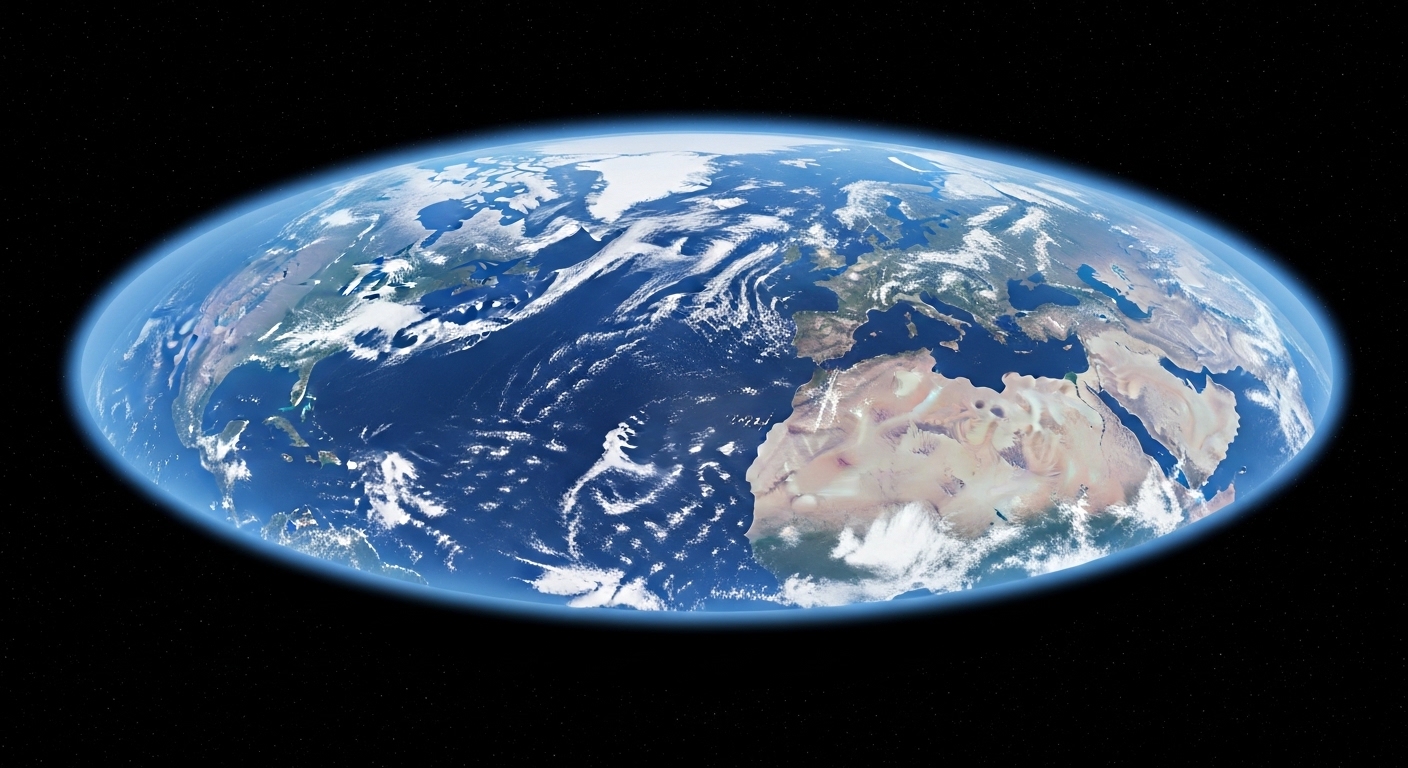
Earth bulges at the equator. Centuries of rotation have pushed mass outward at the middle, making the equatorial radius roughly 21 kilometers longer than the polar radius. That extra distance matters because gravitational pull weakens with distance from a planet's center. Stand at the equator and you're farther from Earth's core than someone standing at the North Pole. You feel less gravitational pull as a result.
The second factor is centrifugal effect. Earth's rotation creates an outward force that partially counteracts gravity — and that effect is strongest at the equator, where rotational speed is highest. At the poles, you're essentially standing on the axis of rotation, so the centrifugal effect is nearly zero. Both factors — greater distance and stronger centrifugal effect — work together to make equatorial gravity noticeably weaker.
The Role of Local Geology
Even within the same latitude, gravity varies. Dense rock formations underground pull slightly harder than cavities or low-density sediment. Mountain ranges add local mass. Ocean trenches remove it. These variations are small — measured in milligals, a unit so fine it detects differences invisible to any scale — but they're real and they're mapped in extraordinary detail by satellite missions.
How Scientists Measure Gravity Differences Across Earth
From Pendulums to Satellites
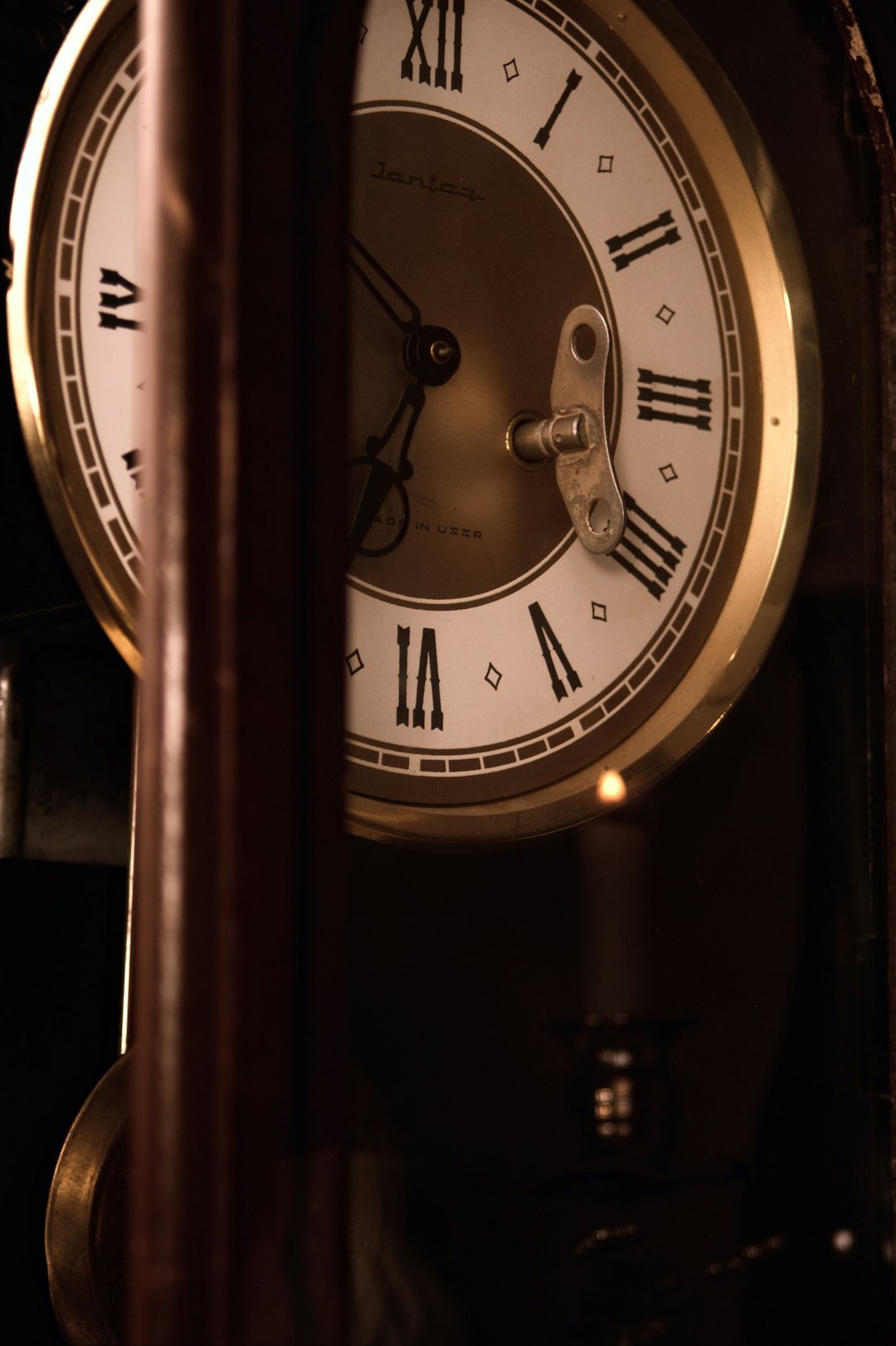
The earliest practical method was the pendulum clock. A pendulum's swing period depends directly on local gravitational acceleration — stronger gravity means a faster swing, weaker gravity means a slower one. Eighteenth-century scientists carried pendulum clocks on expeditions to compare swing rates at different latitudes. The results confirmed what Newton's theory predicted: gravity weakens toward the equator.
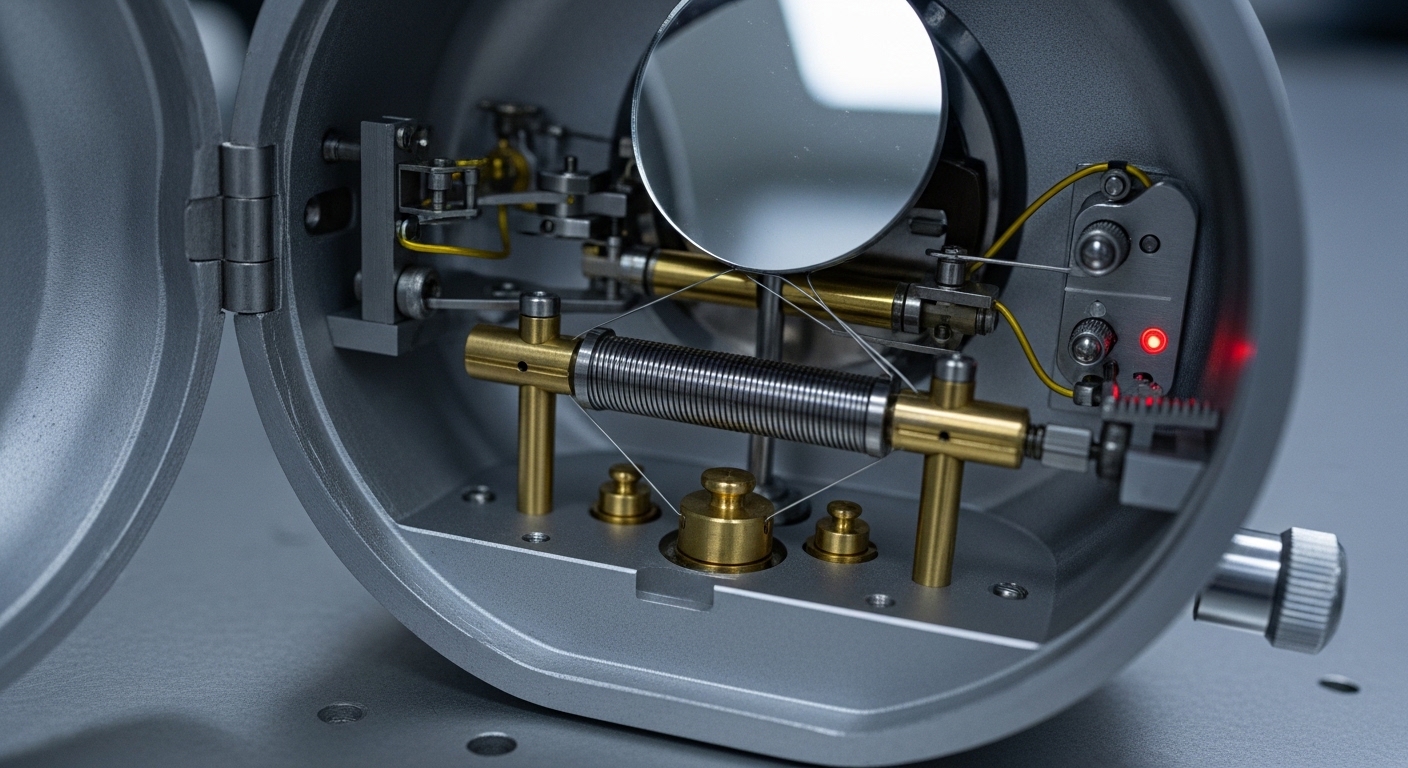
Modern measurement uses gravimeters — instruments sensitive enough to detect the gravitational tug of a passing truck or a tide change. The most precise versions use superconducting spheres levitated in magnetic fields, tracking tiny shifts in their position. But the real revolution came from orbit.
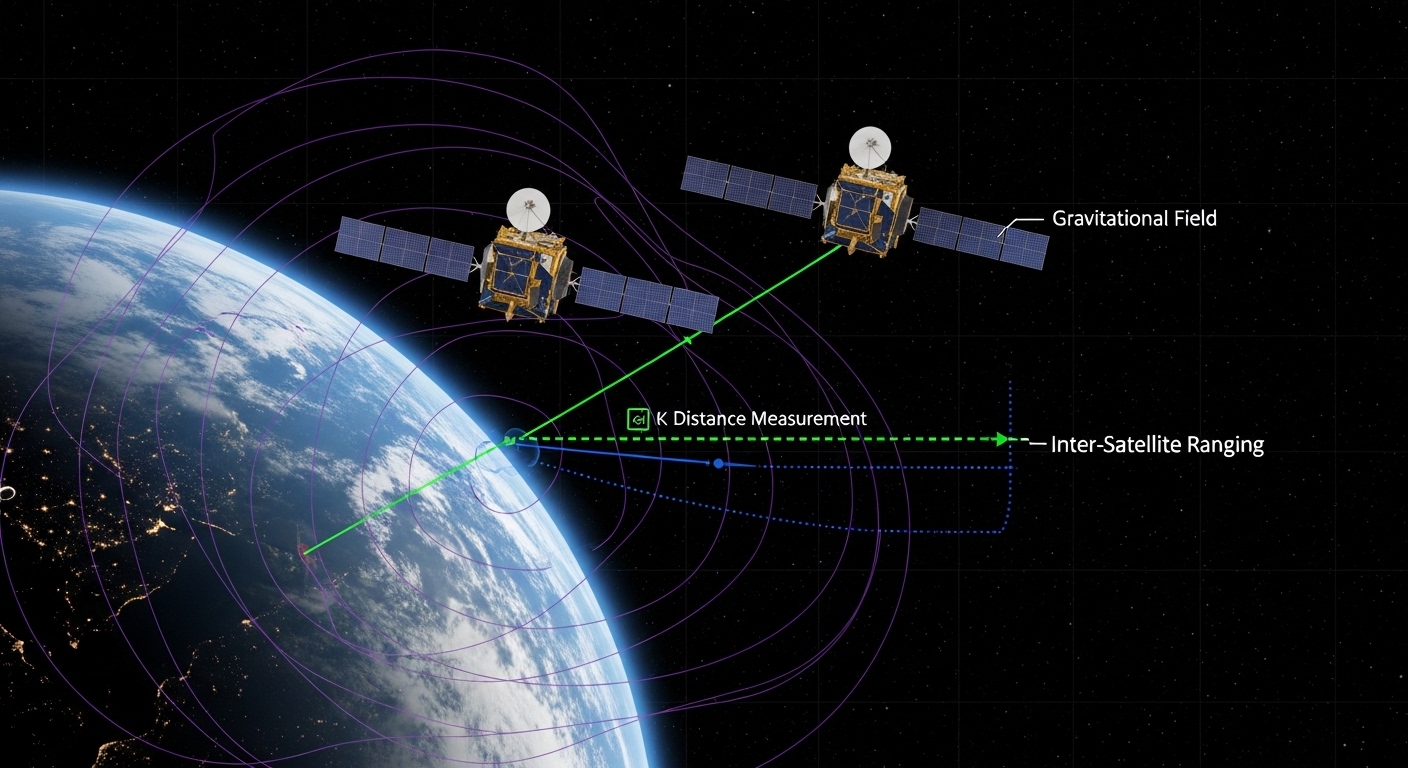
The GRACE satellite mission mapped Earth's gravity field by measuring the changing distance between two spacecraft flying in formation — when one flew over a denser patch of crust, it accelerated slightly, stretching the gap between them by a fraction of a millimeter.
The GRACE mission (Gravity Recovery and Climate Experiment), launched in the early 2000s, produced gravity maps detailed enough to track groundwater depletion in aquifers and ice mass loss in Greenland — not by looking at the water directly, but by detecting the gravitational signature of its absence. That's a remarkable thing to sit with.
Where on Earth Is Gravity Strongest — and Weakest?
The Poles vs. the Equator
Gravity is strongest at the poles. You're closer to Earth's center, the centrifugal effect is negligible, and in some regions the underlying crust is dense and ancient. The North Pole and South Pole both register higher gravitational acceleration than any equatorial location — roughly 9.83 meters per second squared compared to about 9.78 at the equator.
The weakest gravity on Earth's surface isn't simply at the equator — it's at high-altitude equatorial locations. The summit of a mountain near the equator combines maximum distance from Earth's center with maximum centrifugal effect. Mount Chimborazo in Ecuador, often cited in this context, sits almost on the equator and rises to over 6,200 meters. Its summit is the point on Earth's surface farthest from the planet's core — farther even than Everest's peak, which sits at a higher latitude.
Anomalies That Defy the Simple Pattern
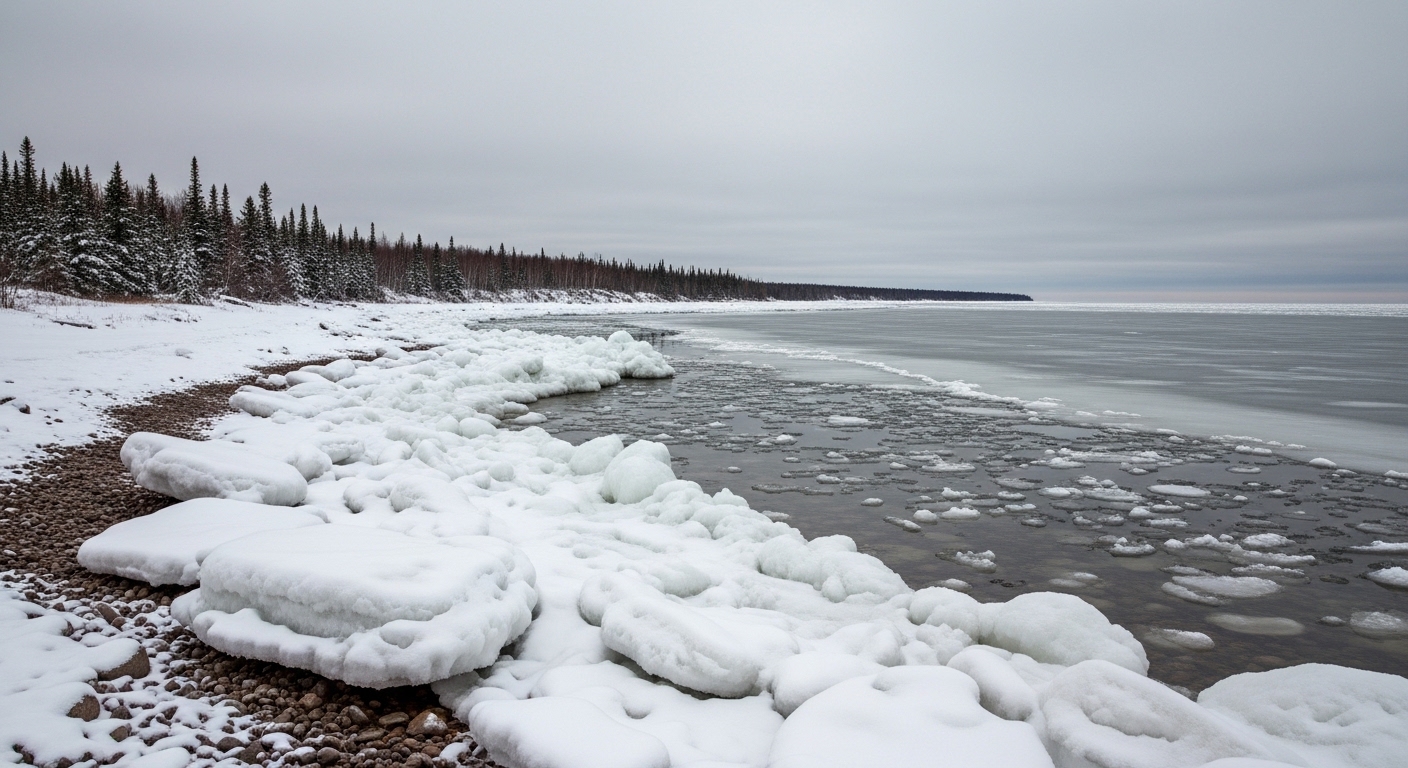
Some locations have gravity anomalies that don't follow the latitude-altitude pattern at all. The Hudson Bay region in Canada has measurably lower gravity than surrounding areas at the same latitude. One contributing explanation involves the Laurentide Ice Sheet, which covered the region until roughly 10,000 years ago. The enormous weight of that ice depressed the mantle beneath it, and the mantle is still slowly rebounding — leaving a region of slightly lower-density material underfoot. The ice is gone but the gravitational echo remains.
Why Gravity Variation Matters in Precision Manufacturing and Pendulum Clocks
When a Few Milligals Change Everything
Pharmaceutical manufacturers that weigh compounds to microgram precision have to account for local gravity when calibrating their scales. A balance calibrated in one city will give slightly different readings in another if it measures force rather than mass directly. High-precision load cells used in industrial weighing are sometimes recalibrated when equipment is shipped across significant latitudes.
Gravity isn't a fixed backdrop — it's a local variable, and any instrument sensitive enough to care about it has to be recalibrated when you move it.
Pendulum clocks make this concrete. A clock calibrated in London will run slightly slower if moved to a location with weaker gravity — say, a city closer to the equator — because the pendulum's period increases when gravitational acceleration decreases. Eighteenth-century navigators and astronomers knew this. Correcting for it was part of the job. Anyone who has ever tried to keep a mechanical clock accurate across a long sea voyage would have encountered this problem firsthand.
Implications for Space Launch and Ballistics
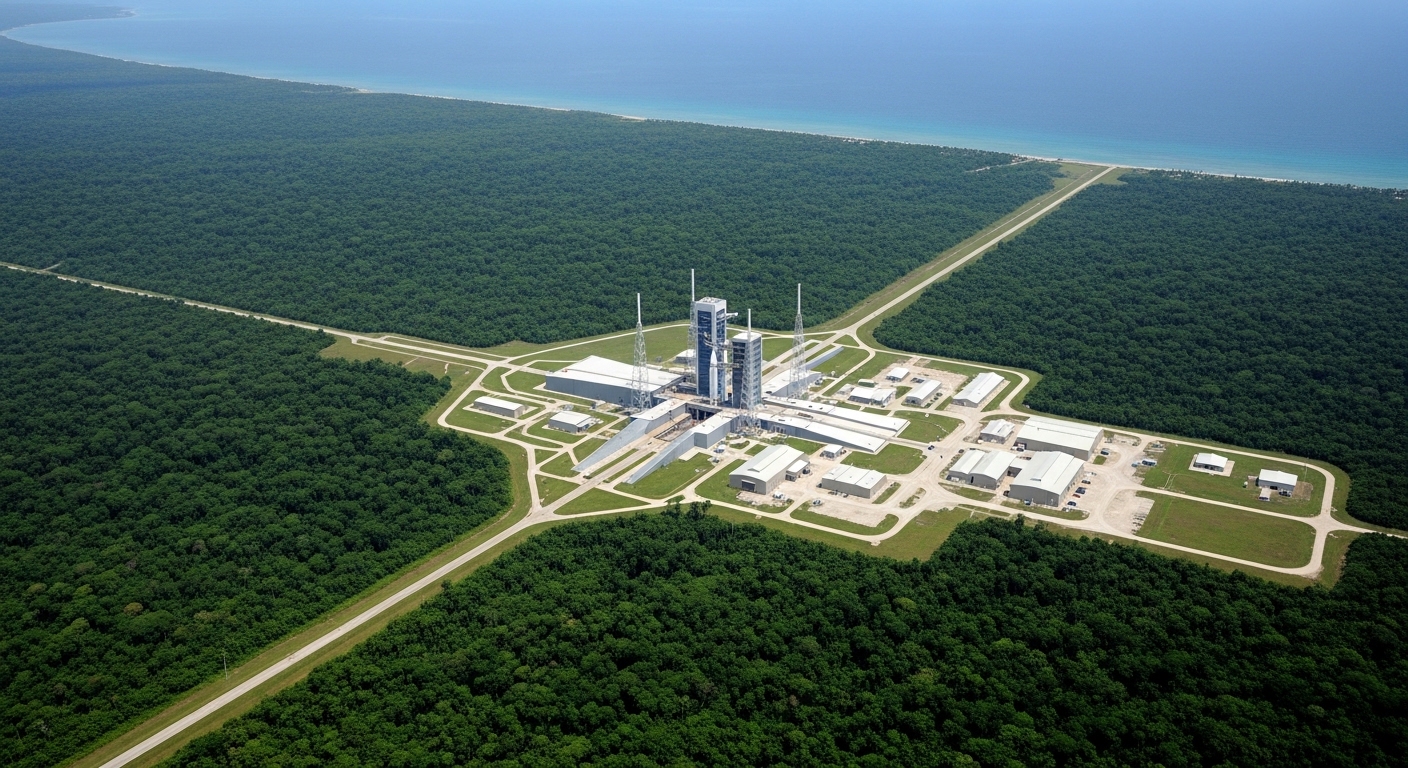
Launch sites near the equator aren't just chosen for political or logistical reasons. The combination of lower gravity and higher rotational velocity at the equator gives rockets a meaningful boost. Less gravitational pull to overcome at launch, plus a free velocity contribution from Earth's spin — estimates suggest the advantage can reduce fuel requirements noticeably for missions targeting equatorial orbits. That's why the European Space Agency operates its primary launch facility in French Guiana, close to the equator, rather than from European soil.
Frequently Asked Questions
Does gravity variation affect how much I weigh on a scale?
Yes, but only if your scale measures force rather than mass. Most modern bathroom scales are calibrated to display kilograms or pounds as a mass equivalent, and many are factory-set for a specific gravity value. If you moved a force-based scale from Helsinki to Quito without recalibrating, it would read slightly lighter — not because you lost mass, but because gravitational pull is weaker at the equator. High-precision laboratory balances account for this explicitly.
Is the gravity difference between the equator and the poles something you can feel?
Not directly. The difference is roughly 0.5%, which is far below the threshold of human perception. You would never notice walking from one latitude to another. The effect only becomes meaningful in precision instruments, long-duration timekeeping, or engineering contexts where small forces accumulate into significant errors.
Why does the Hudson Bay area have lower gravity than expected?
The most widely cited explanation involves post-glacial rebound. The Laurentide Ice Sheet that covered the region until roughly 10,000 years ago was so massive it pushed the underlying mantle downward. The mantle is still slowly rising back, leaving a region of slightly lower-density material beneath the surface. Some researchers also point to the structure of the mantle convection currents in that area as a contributing factor. The full picture is still being studied.
The gravity map of Earth is, in a quiet way, also a map of the planet's history — where ice once sat, where ancient dense rock formed, where the mantle is still catching up to events that happened before human civilization existed. The number on your bathroom scale is the end result of all of that, compressed into a single reading you glance at and forget.


Comments
Post a Comment