How Fat-Soluble Vitamins Work in the Human Body
Your body stores some vitamins for months — and that same feature can quietly poison you if you're not careful. Fat-soluble vitamins (A, D, E, and K) behave completely differently from their water-soluble cousins like vitamin C or the B vitamins. Instead of flushing out in your urine every day, they hitch a ride on dietary fat, get absorbed through your gut, and park themselves in your liver and fatty tissues until your body calls on them. That storage superpower is both their greatest strength and their most underappreciated risk.

What Are Fat-Soluble Vitamins, Exactly?
The Four Vitamins and What Makes Them Different
Fat-soluble vitamins are vitamins A, D, E, and K — a group defined by one shared chemical trait: they dissolve in fat, not water. That single property changes everything about how your body handles them. Where vitamin C dissolves in the watery fluid of your blood and gets excreted within hours, fat-soluble vitamins need a fat molecule to travel through your intestinal wall in the first place.
Think of it this way: if you swallow a vitamin D supplement with a completely fat-free meal, research suggests your absorption drops significantly compared to taking it with a meal that contains even a small amount of dietary fat. This is not a minor footnote — it's a practical detail that affects millions of people taking daily supplements without realizing they may be wasting a good portion of each dose.
Once absorbed, these vitamins are packaged into structures called chylomicrons — essentially tiny fat-transport vehicles — and carried through the lymphatic system before entering the bloodstream. From there, the liver acts as the main warehouse, with excess amounts also tucked away in adipose (fat) tissue.
Why "Stored" Doesn't Mean "Harmless"
The storage capacity is genuinely useful. Your body can build up a reserve of vitamin D over the summer months and draw on it during winter when sunlight is scarce. Vitamin A reserves in a healthy liver can last months without dietary intake. But that same storage mechanism means toxicity is a real possibility — something that simply cannot happen with water-soluble vitamins at normal intake levels. Excess vitamin C just leaves in your urine; excess vitamin A accumulates until it causes problems.
How Fat-Soluble Vitamins Are Absorbed and Transported
The Absorption Process in the Small Intestine
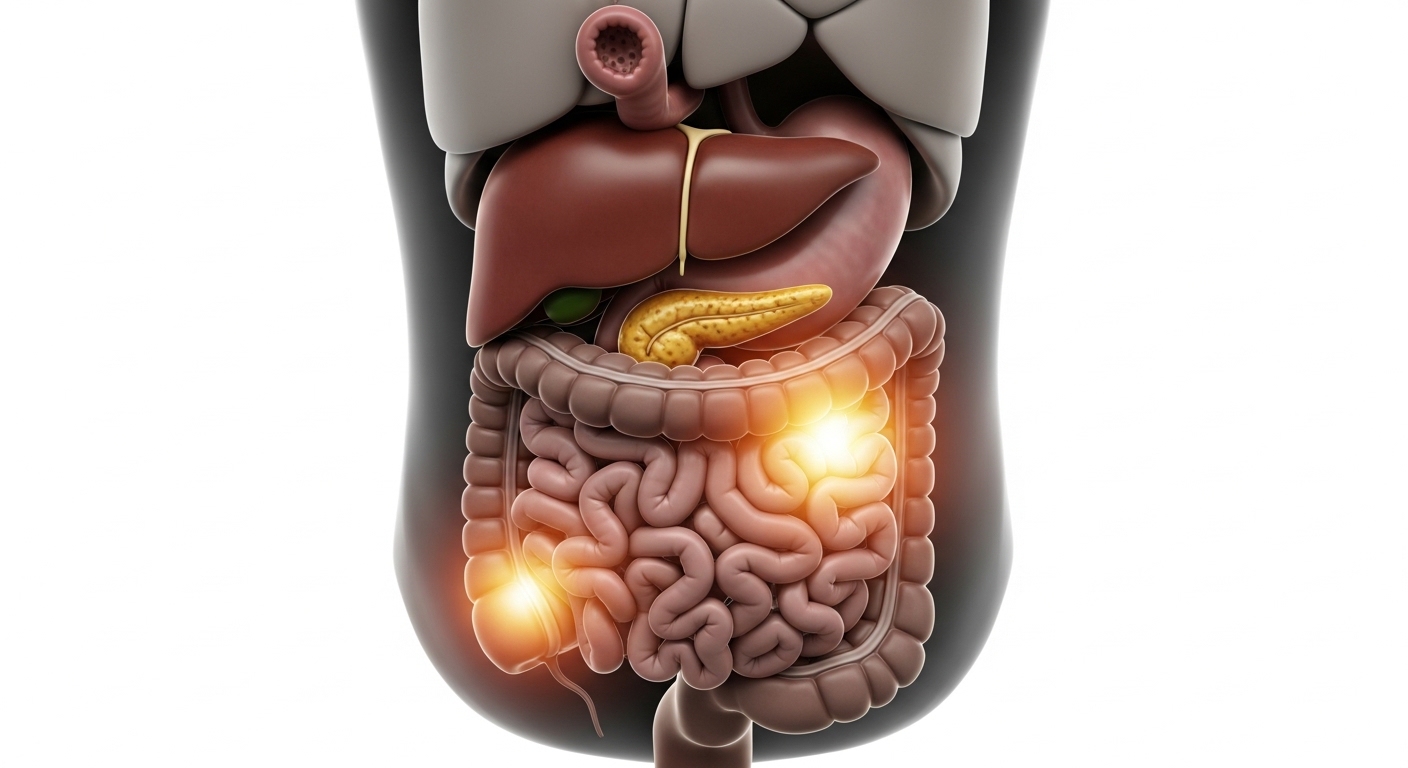
Absorption happens primarily in the small intestine, specifically in a section called the jejunum. When fat-containing food arrives there, your gallbladder releases bile — a substance made in the liver — which emulsifies the fat into tiny droplets. Fat-soluble vitamins dissolve into these droplets and get swept into the intestinal lining cells alongside fatty acids and other lipids.
Any condition that disrupts fat absorption will therefore disrupt fat-soluble vitamin absorption too. People with Crohn's disease, celiac disease, cystic fibrosis, or those who have had bariatric surgery are at measurably higher risk of deficiency in all four fat-soluble vitamins. This is one reason doctors routinely monitor vitamin D and A levels in patients with inflammatory bowel conditions.
How the Body Moves and Stores Them
After the chylomicron transport phase, the liver takes over as the primary processing hub. Vitamin A is stored almost entirely in the liver's stellate cells. Vitamin D undergoes two conversion steps — first in the liver, then in the kidneys — before becoming the active hormone form your body actually uses. Vitamin E is distributed widely into cell membranes throughout the body, where it acts as an antioxidant. Vitamin K cycles rapidly and is stored in smaller amounts than the others, which is why vitamin K deficiency can appear relatively quickly compared to vitamin A deficiency.
Vitamin D is technically not a vitamin at all — it behaves as a hormone, and your kidneys are the final factory that converts it into its active, usable form.
What Each Fat-Soluble Vitamin Actually Does in Your Body
Vitamin A — Vision, Immunity, and Cell Growth
Vitamin A is probably best known for its role in vision, specifically in producing rhodopsin, the pigment in your eye's rod cells that allows you to see in low light. Night blindness is one of the earliest signs of deficiency and remains a significant public health problem in parts of the world where dietary variety is limited. But vitamin A's job description goes far beyond eyesight — it regulates gene expression, supports immune cell production, and is essential for the normal development of skin and mucous membranes.
There are two dietary forms: preformed vitamin A (retinol), found in animal products like liver and dairy, and provitamin A carotenoids (like beta-carotene), found in orange and yellow plant foods. Your body converts beta-carotene into retinol as needed, which is why eating a lot of carrots won't cause vitamin A toxicity — your conversion rate self-regulates. Preformed retinol from supplements or liver, however, can accumulate to toxic levels.
Vitamin D — Bone Health, Immunity, and Far More
Vitamin D's most established role is regulating calcium and phosphorus absorption, which makes it foundational for bone density. Without enough vitamin D, children can develop rickets — a softening of bones that causes skeletal deformities — while adults face increased risk of osteomalacia and osteoporosis. Research also suggests links between low vitamin D status and immune dysfunction, though the full picture is still being studied.
The surprising part: your skin manufactures vitamin D when exposed to UVB radiation from sunlight, making it the only vitamin your body can produce without eating anything. People living at higher latitudes, those who spend most of their time indoors, and individuals with darker skin tones (which requires more sun exposure to produce the same amount of vitamin D) are all at higher risk of insufficiency, especially in winter months.
Vitamin E — The Cellular Bodyguard
Vitamin E functions primarily as an antioxidant, protecting cell membranes from oxidative damage caused by free radicals. It's particularly concentrated in tissues with high metabolic activity and in immune cells. Deficiency is rare in healthy adults eating a varied diet, but it does occur in people with fat malabsorption conditions and can lead to nerve and muscle damage over time.
Vitamin K — Clotting and Bone Metabolism
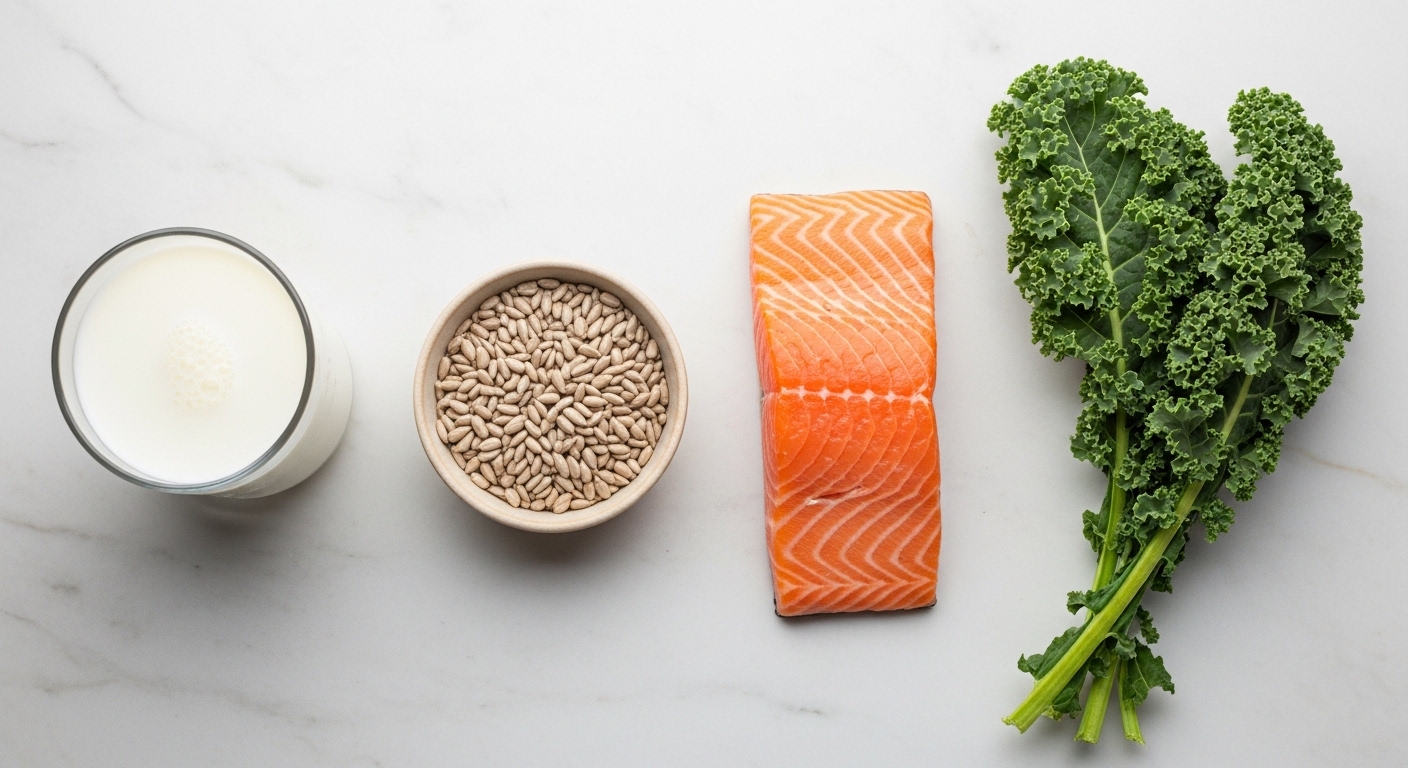
Vitamin K is essential for activating proteins involved in blood clotting — without it, even a minor cut could become a serious bleeding event. It also activates proteins that regulate calcium in bones and arteries. There are two main dietary forms: K1 (phylloquinone), found in leafy green vegetables, and K2 (menaquinone), found in fermented foods and some animal products. Research suggests K2 may play a more significant role in bone and cardiovascular health than K1, though the science is still developing.
People taking warfarin (a blood thinner) are specifically told to keep their vitamin K intake consistent — not low — because the drug works by blocking vitamin K's clotting function, and sudden changes in intake can destabilize the effect.

Deficiency vs. Toxicity — The Balancing Act of Fat-Soluble Vitamins
When You Don't Get Enough
Deficiency symptoms vary by vitamin but tend to develop slowly because of the body's storage reserves. Vitamin A deficiency causes night blindness and, in severe cases, complete vision loss — it remains one of the leading preventable causes of childhood blindness globally. Vitamin D deficiency is arguably the most widespread nutritional shortfall in industrialized countries, with estimates suggesting a substantial portion of the population in northern regions falls below optimal levels during winter. Vitamin K deficiency in newborns is serious enough that most hospitals administer a vitamin K injection at birth, since breast milk contains relatively little of it.
When You Get Too Much
Toxicity is almost exclusively a concern with supplements, not food — with one notable exception being liver, which is extraordinarily rich in preformed vitamin A. Hypervitaminosis A can cause headaches, nausea, bone pain, and in severe cases, liver damage. Vitamin D toxicity from excessive supplementation leads to hypercalcemia — dangerously high blood calcium — which can affect kidney function and heart rhythm. Vitamins E and K have much lower toxicity risk, though very high-dose vitamin E supplements have been associated in some studies with increased bleeding risk.
(Opinion: The supplement industry has done a poor job communicating that "more" is genuinely dangerous with fat-soluble vitamins. A water-soluble vitamin megadose is mostly wasteful; a fat-soluble vitamin megadose can cause real harm. That distinction deserves far more prominent labeling on every bottle.)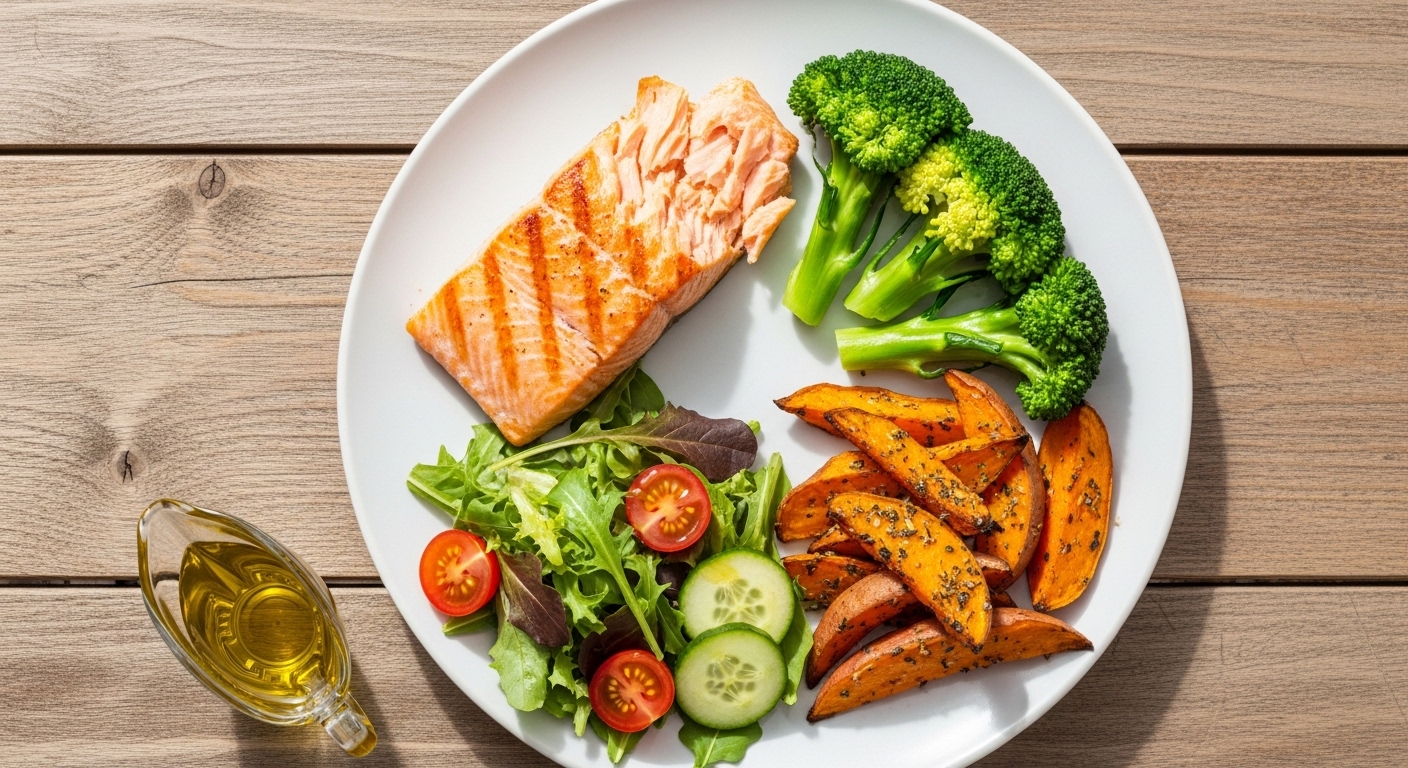
How to Get the Right Amount of Fat-Soluble Vitamins From Your Diet
Practical Food Strategies That Actually Work
The most reliable way to meet your fat-soluble vitamin needs is through a varied whole-food diet that includes both animal and plant sources. Fatty fish like salmon and mackerel deliver vitamins D and E together. Liver is the single most concentrated source of vitamin A on the planet — a small serving once a week covers most adults' needs — but it should not be eaten daily due to the toxicity risk. Leafy greens like kale and spinach are excellent vitamin K sources, and their fat-soluble nature means drizzling olive oil on your salad genuinely improves how much you absorb.
That last point is the counterintuitive insight most people miss: eating a fat-free salad with fat-soluble vitamins in it is significantly less effective than the same salad with a fat-containing dressing. A well-documented study found that people who ate salads with fat-free dressing absorbed far less beta-carotene and lycopene than those who used full-fat dressing. The fat is not the enemy — it's the delivery vehicle.
When Supplements Make Sense in 2026
Vitamin D supplementation is widely recommended for people in northern latitudes, older adults, and those who spend little time outdoors — and for good reason, since food sources alone rarely cover the gap. For most other fat-soluble vitamins, supplementation should follow a confirmed deficiency identified through blood testing, not a general wellness hunch. Taking a high-dose vitamin A supplement "just in case" is one of the clearest examples of a well-intentioned habit that can cause measurable harm over time.
Frequently Asked Questions
Can you get fat-soluble vitamin toxicity from food alone?
For most people eating a normal varied diet, toxicity from food is extremely unlikely — with one real exception. Eating very large amounts of liver regularly can push vitamin A into toxic territory because liver is extraordinarily concentrated in preformed retinol. Beta-carotene from plant foods like carrots does not cause toxicity; your body simply converts less of it when stores are full. Vitamin D, E, and K toxicity from food sources alone is considered practically impossible under normal circumstances.
Do fat-soluble vitamins need to be taken with every meal?
No — but they do need to be taken with a meal that contains some fat. Research suggests that even a small amount of dietary fat (a few grams) meaningfully improves absorption. You don't need a high-fat meal; a handful of nuts, a drizzle of olive oil, or a piece of fish alongside your supplement is sufficient. Taking fat-soluble vitamin supplements on an empty stomach or with a fat-free meal reduces how much your body actually absorbs.
How long does it take for a fat-soluble vitamin deficiency to develop?
It depends on the vitamin and your existing stores. Vitamin A reserves in a well-nourished adult can last several months of zero dietary intake before deficiency symptoms appear. Vitamin D stores built up over summer can sustain adequate levels for weeks to a few months into winter, depending on the individual. Vitamin K has smaller reserves and deficiency can develop more quickly — within weeks in some cases. Vitamin E deficiency in healthy adults is rare and typically takes years of severely inadequate intake to produce clinical symptoms.
Fat-soluble vitamins are a reminder that nutrition is rarely simple. The same property that makes vitamins A, D, E, and K so effective — their ability to accumulate in your body — is the property that demands the most respect. Eat a varied diet with enough healthy fat to carry these nutrients where they need to go, be cautious with high-dose supplements unless a deficiency has been confirmed, and remember that the fat in your salad dressing might be doing more nutritional work than the greens themselves.



Comments
Post a Comment