From Crude Oil to Your Car: Why Do Gas Prices Change So Often?
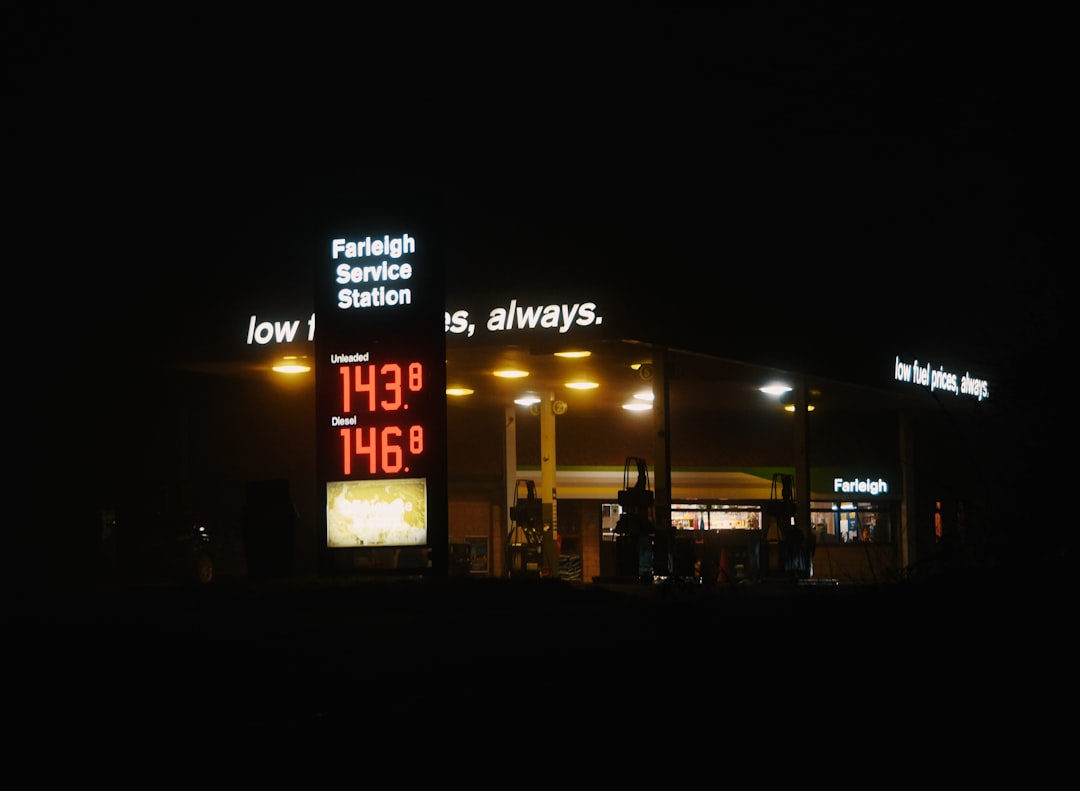
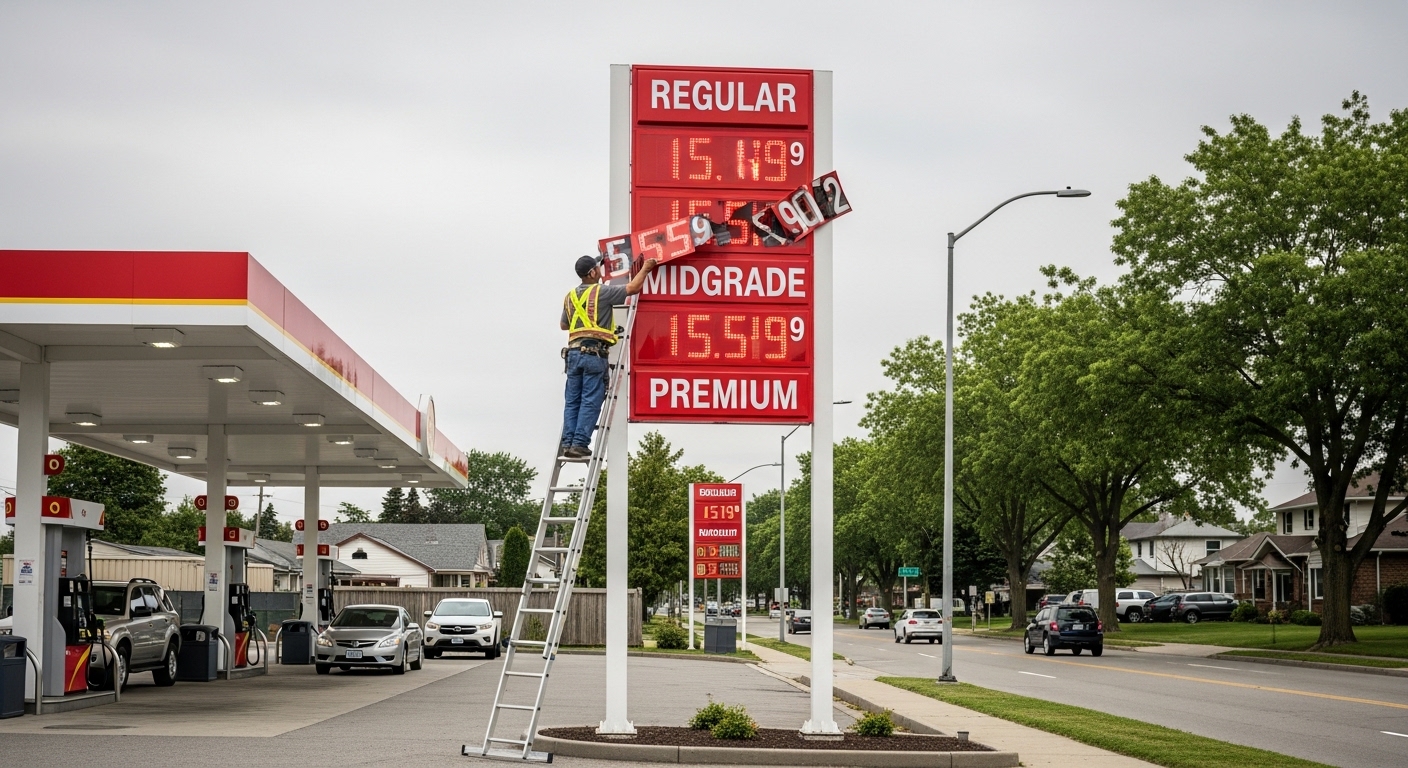
Gas prices can swing by 20 cents a gallon in a single week — sometimes in a single day — without any obvious trigger you can point to. You fill up on Monday, drive past the same station on Friday, and the number on the sign is completely different. That's not random. There's a surprisingly complex chain of events between a barrel of crude oil sitting under the Saudi desert and the price you see at the pump, and understanding it explains why the number changes so often.
What Actually Determines the Price of Gasoline?
The Four Main Cost Layers
The retail price of gasoline is essentially a stack of four cost layers piled on top of each other. Crude oil is the biggest one — it typically accounts for roughly half to two-thirds of what you pay per gallon, though that share shifts constantly. Refining costs come next, followed by distribution and marketing, and finally taxes, which vary significantly by country and, in the United States, by state.
Taxes alone can explain why gas costs noticeably more in California than in Texas. California's combined state and local fuel taxes are among the highest in the country, while some other states keep theirs relatively low. The crude oil price might be identical in both places on the same day, but the pump price won't be.
Here's the counterintuitive part: crude oil and gasoline are not the same commodity, and they don't always move in lockstep. Refinery capacity, seasonal blending requirements, and regional pipeline constraints can push gasoline prices up even when crude oil prices are flat or falling.
Why Crude Oil Prices Are So Volatile
Crude oil is traded on global commodity markets, and its price responds to an enormous range of signals — geopolitical tension, production decisions by major exporters, shipping disruptions, currency movements, and even weather forecasts. A hurricane threatening Gulf Coast refineries can spike prices before a single drop of rain falls. Traders are pricing in risk, not just current supply.
The Organization of the Petroleum Exporting Countries (OPEC) and its allied producers, sometimes called OPEC+, collectively control a large share of global output and periodically adjust production targets to influence prices. When they announce a production cut, markets typically react within hours.
How Crude Oil Becomes Gasoline — and Why That Step Adds Complexity
The Refining Bottleneck
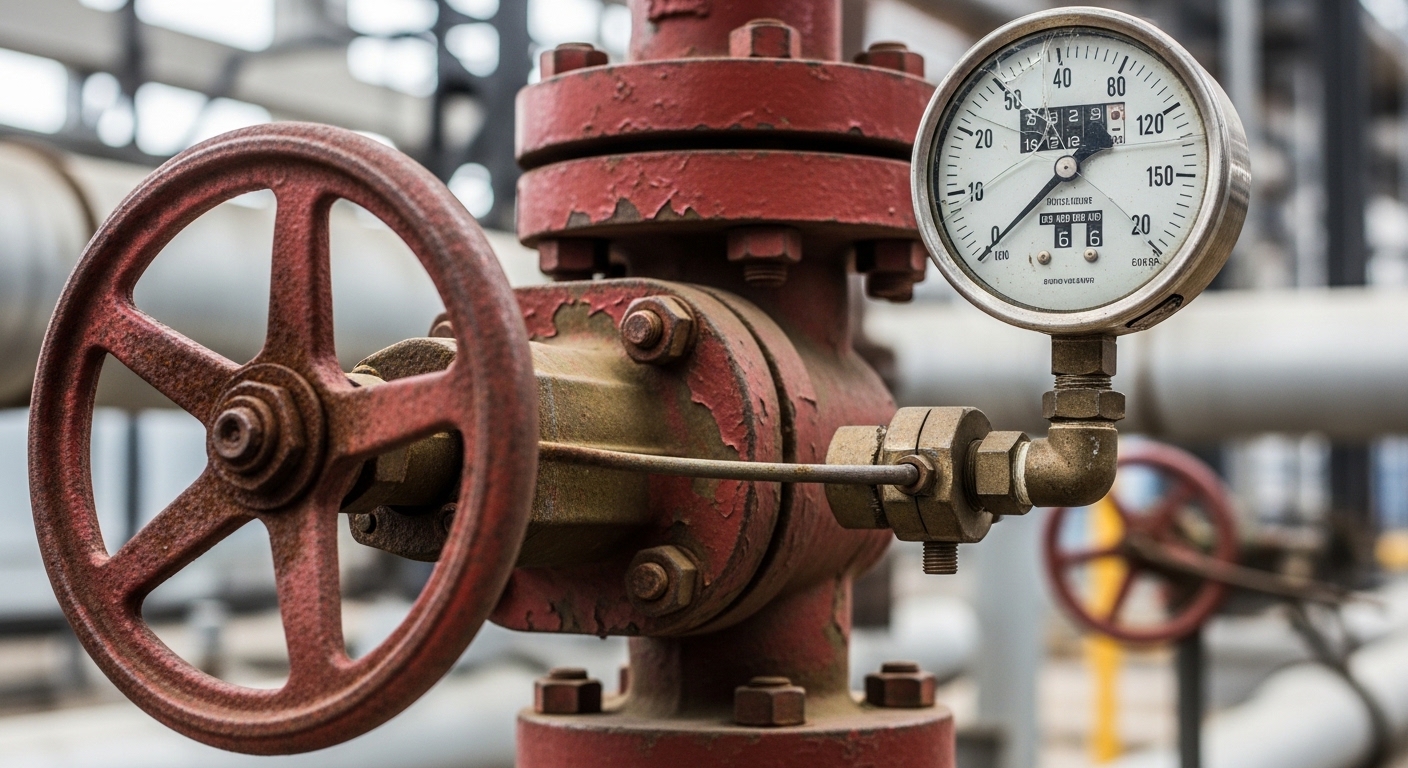
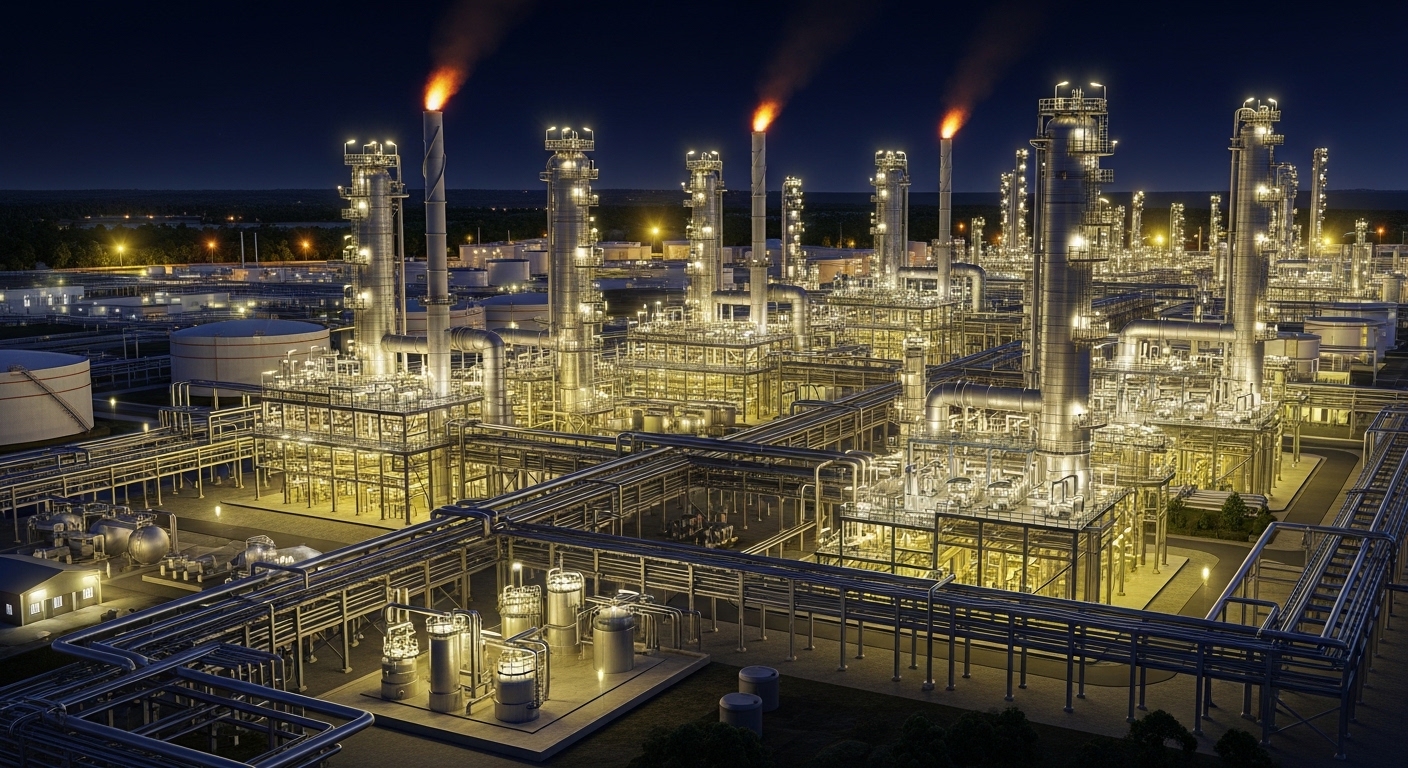
Crude oil is a mixture of hydrocarbons that has to be physically and chemically separated into usable products — gasoline, diesel, jet fuel, heating oil, and dozens of others. Refineries do this through a process called fractional distillation, followed by additional conversion steps like catalytic cracking. The ratio of outputs isn't fixed; refiners can adjust their operations somewhat to produce more gasoline or more diesel depending on demand and margins.
Refinery capacity is a genuine constraint. The United States, for example, hasn't built a major new greenfield refinery since the 1970s. Existing refineries run at high utilization rates, which means an unexpected outage at even one large facility can tighten regional supply quickly. In 2021, a fire at a major refinery in the Pacific Northwest contributed to a regional gasoline price spike that lasted weeks — a real example of how localized infrastructure problems ripple out to the pump.
Refinery capacity is the hidden bottleneck in the fuel supply chain. You can have all the crude oil in the world and still run short of gasoline if the processing infrastructure can't keep up.
Seasonal Blending: The Reason Prices Jump Every Spring
This is the operational detail most casual overviews skip entirely. Gasoline isn't a single formula. The EPA requires different fuel blends in different seasons and different regions to control air quality. Summer-blend gasoline is more expensive to produce than winter-blend because it requires additional refining steps to reduce evaporative emissions in warm weather.
Refineries typically switch over to summer-blend production in late winter, which creates a temporary supply tightening right as spring demand starts to climb. That's why gas prices almost always rise between February and May in the United States, regardless of what crude oil is doing. It's a predictable seasonal pattern, but it still catches people off guard every year.
How Distribution and Local Markets Shape What You Pay
The Pipeline and Terminal System
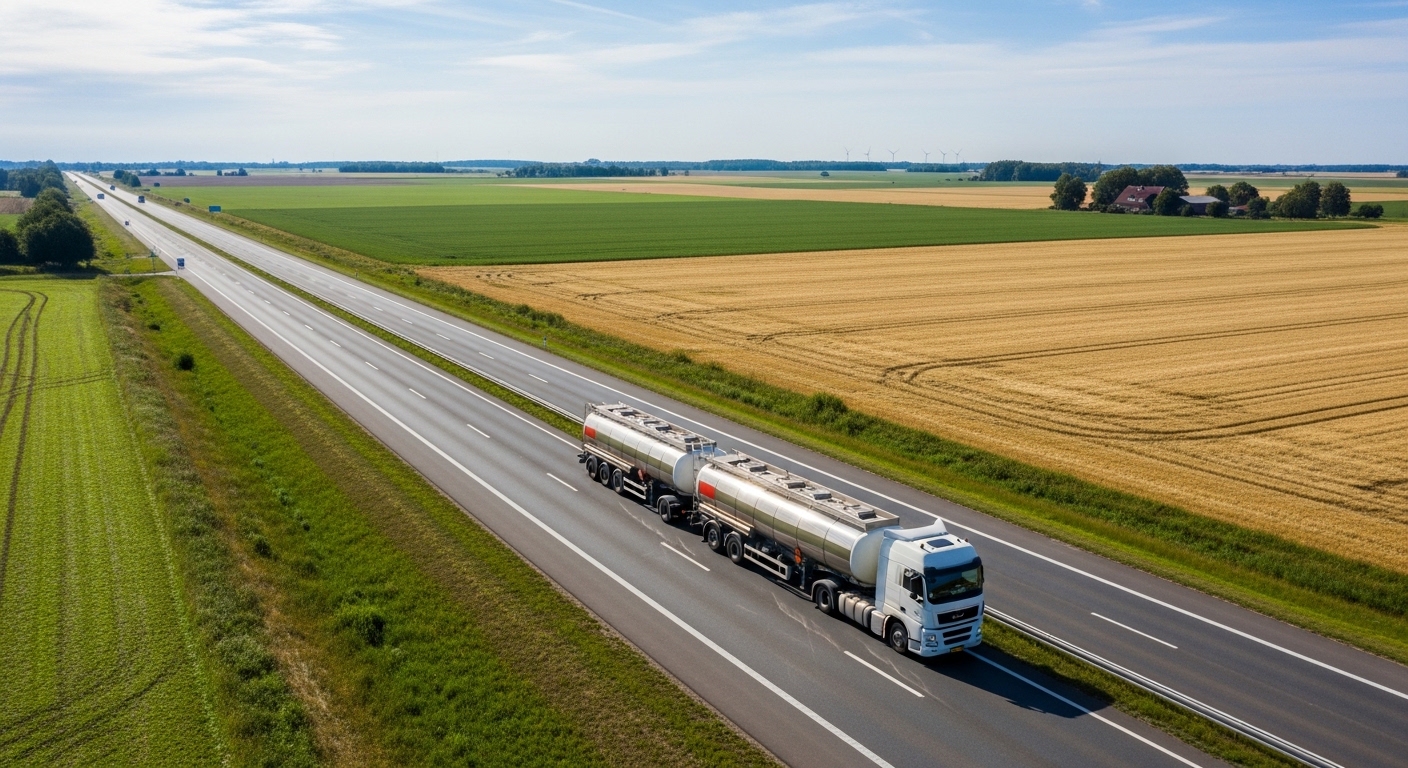
After refining, gasoline moves through a network of pipelines to regional storage terminals, then onto tanker trucks that deliver to individual stations. This system is efficient but not seamless. The Colonial Pipeline, which runs from the Gulf Coast to the Northeast United States, carries a significant share of the region's fuel supply. When it was shut down for several days in 2021 following a cyberattack, gas prices in the Southeast spiked sharply and some stations ran dry — a vivid illustration of how dependent regional prices are on specific infrastructure.
Local competition also matters more than people expect. Gas stations on a busy highway interchange often charge more than stations a few blocks off the main road, simply because convenience commands a premium. Station owners watch competitors' prices and adjust multiple times a day in competitive markets.
Futures Markets and the Psychology of Anticipation
Gasoline futures are traded on commodity exchanges, and those prices feed directly into what distributors charge terminals, which feeds into what stations pay for their next delivery. By the time a price move shows up at the pump, it often reflects expectations about supply and demand weeks out, not just today's conditions.
This forward-looking nature of commodity pricing is why gas prices sometimes rise before a supply disruption actually happens — and why they can fall sharply when a feared disruption doesn't materialize.
The price on the pump sign today often reflects what traders expected to happen next month, not what's happening right now at the wellhead.
Why Prices Rise Fast but Fall Slowly — The "Rockets and Feathers" Effect
An Asymmetry That Frustrates Drivers
There's a well-documented pattern in gasoline pricing: when crude oil prices rise, retail gas prices follow quickly — sometimes within days. When crude oil prices fall, retail prices tend to drift down much more slowly. Economists have a name for this: the "rockets and feathers" effect.
The reasons are partly structural and partly competitive. Station owners are quick to pass on cost increases because they're protecting margins on inventory they already paid for at higher prices. But when costs fall, there's less competitive pressure to immediately cut prices, especially in markets where stations are spread out and consumers don't comparison-shop aggressively. Anyone who has watched crude oil drop for two weeks while their local station barely budges has experienced this firsthand.
(Opinion: The rockets-and-feathers effect is one of those market behaviors that's technically explainable but still feels like a quiet form of consumer exploitation. The asymmetry is real, it's consistent, and regulators have largely shrugged at it for decades.)Inventory Timing and the "Last In, First Out" Problem
Individual stations don't reprice based on what they paid for the fuel currently in their underground tanks. They reprice based on what it will cost to replace that fuel. If replacement cost has risen, the price goes up today even though the gasoline underground was bought cheaper. This is rational from a business standpoint but feels arbitrary to the driver who filled up yesterday at a lower price.
Frequently Asked Questions
Why do gas prices differ so much between neighboring states?
State fuel taxes are the biggest driver of cross-border price differences. Some states also have stricter environmental regulations that require more expensive fuel blends. Regional refinery access and pipeline infrastructure play a role too — states that rely on longer supply chains tend to see higher prices and more volatility.
Does the price of oil always predict where gas prices are going?
Not reliably. Crude oil is the largest input cost, so it matters a lot, but refinery capacity, seasonal blend requirements, regional distribution constraints, and local taxes can push gas prices in a different direction than crude. There have been periods where crude oil fell significantly while retail gas prices barely moved, and vice versa.
Why do prices at the pump sometimes change multiple times in a single day?
In competitive markets, station owners monitor competitors' prices in real time and adjust to stay in range. Wholesale fuel prices from terminals can also update during the day, and some larger chains use dynamic pricing software that adjusts automatically. It's less common in rural areas with little competition, where prices tend to be stickier.
The next time you pull up to a pump and feel a flash of irritation at the number on the sign, you're looking at the compressed output of global commodity trading, geopolitical maneuvering, refinery engineering, seasonal chemistry, and local competitive dynamics — all collapsed into a single price per gallon. What's remarkable isn't that the number changes so often. It's that the chain holding it all together works as reliably as it does.



Comments
Post a Comment