Why Dietary Fiber Is Important for Digestion and Health
Most people know they're supposed to eat more fiber. But ask them why, and you'll usually get a vague answer about staying regular. The real story is far more interesting — and far more consequential for your long-term health than a simple trip to the bathroom. Fiber influences everything from your gut bacteria to your blood sugar to your risk of serious disease, and most people in modern diets are getting dramatically less of it than their bodies were designed to handle.
What Dietary Fiber Actually Is — Beyond the Bran Flakes
The Basic Definition
Dietary fiber is the part of plant-based food that your body cannot fully digest. Unlike proteins, fats, or simple carbohydrates, fiber passes through your stomach and small intestine largely intact, eventually reaching your large intestine where the real action begins. It comes exclusively from plants — fruits, vegetables, legumes, whole grains, nuts, and seeds.
Soluble vs. Insoluble Fiber: Two Very Different Jobs
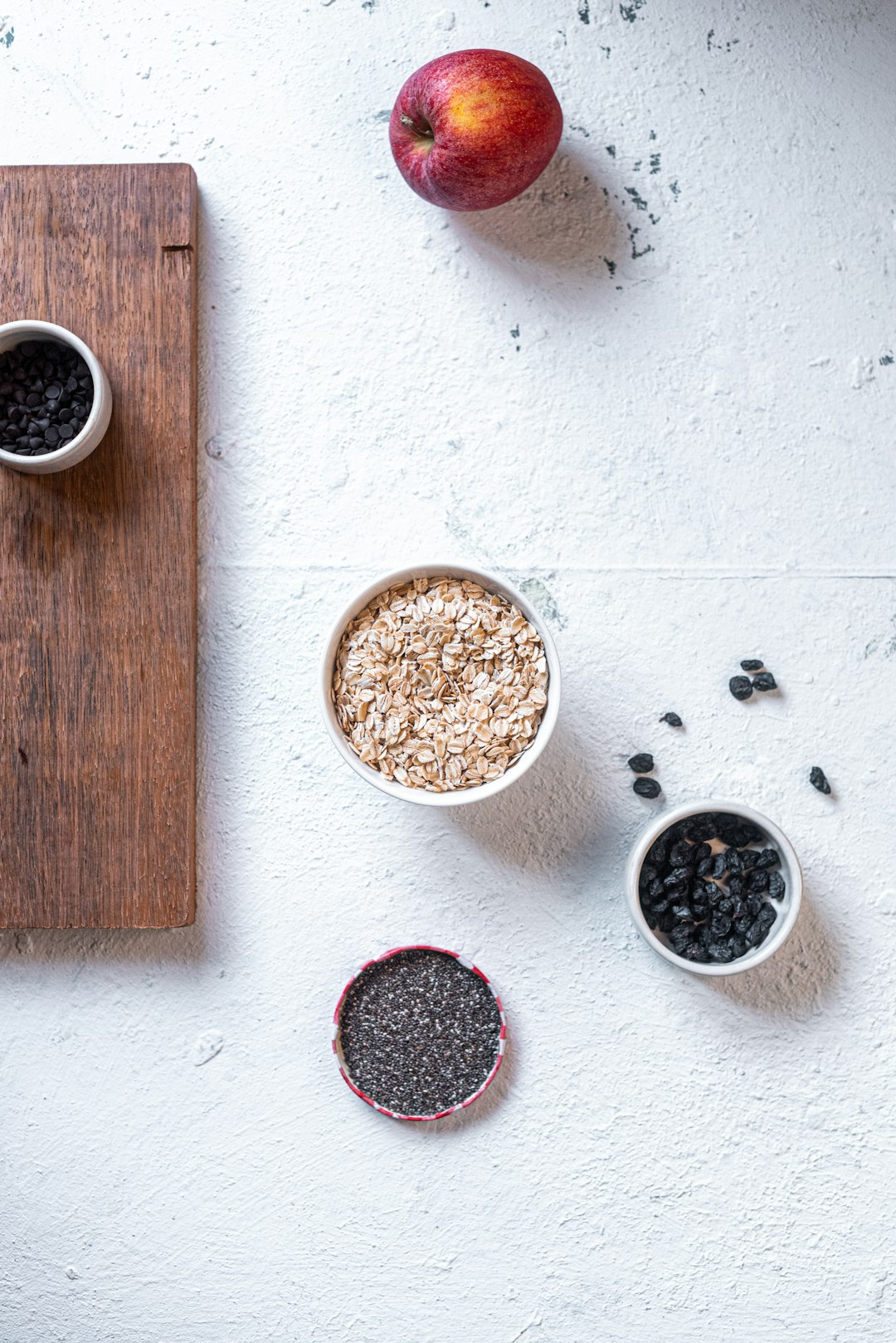
Not all fiber behaves the same way, and this distinction matters. Soluble fiber dissolves in water and forms a thick, gel-like substance in your gut. You find it in oats, beans, apples, and citrus fruits. Insoluble fiber does not dissolve — it adds bulk to stool and helps food move through your digestive tract more quickly. Whole wheat, bran, and most vegetables are rich sources.
A third category, sometimes called resistant starch, behaves like soluble fiber but is found in foods like cooked-and-cooled potatoes and unripe bananas. Research suggests it may have particularly strong effects on gut bacteria. Most whole plant foods contain a mix of both soluble and insoluble fiber, which is one reason eating a variety of plants tends to outperform any single supplement.
How Dietary Fiber Works in Your Digestive System
The Journey Through Your Gut
When you eat fiber, it begins slowing the pace at which food leaves your stomach. This slower transit means glucose from your meal enters your bloodstream more gradually, which helps prevent sharp blood sugar spikes. By the time fiber reaches your large intestine, it becomes food — literally — for the trillions of bacteria living there.
Those bacteria ferment the fiber and produce short-chain fatty acids, including butyrate, propionate, and acetate. Butyrate in particular is the primary energy source for the cells lining your colon. Without adequate fiber, those cells are essentially running on empty. This is not a minor detail — a well-nourished colon lining is one of your body's frontline defenses against inflammation and disease.
The Gut Microbiome Connection
Your gut microbiome — the vast community of microorganisms in your digestive tract — is heavily shaped by what you eat. Research suggests that diets consistently low in fiber lead to a less diverse microbiome, and reduced microbial diversity is associated with a range of health problems. Think of fiber as fertilizer for the beneficial bacteria you want to keep thriving.
A diet consistently low in fiber doesn't just slow digestion — it starves the gut bacteria responsible for producing compounds that protect your colon lining.
A well-documented real-world example: populations that follow traditional diets high in plant foods and fiber — such as certain rural African communities studied by researchers — tend to show significantly greater gut microbial diversity compared to people eating typical Western diets. The difference in fiber intake between these groups is often dramatic, sometimes exceeding three to four times as much daily fiber.

Where You See Fiber's Effects in Real Health Outcomes
Heart Disease and Cholesterol
Soluble fiber binds to cholesterol-containing bile acids in your digestive tract and helps carry them out of your body before they can be reabsorbed. Your liver then has to pull more cholesterol from your blood to make new bile acids, which lowers circulating LDL cholesterol. This is the mechanism behind the well-known cholesterol-lowering effect of oats — specifically the soluble fiber called beta-glucan found in oat bran.
Blood Sugar and Type 2 Diabetes Risk
The gel formed by soluble fiber in your gut physically slows the absorption of sugar. This blunts the post-meal glucose spike that, over years and decades, contributes to insulin resistance and eventually type 2 diabetes. Research suggests that people who consistently eat higher amounts of dietary fiber have a meaningfully lower risk of developing type 2 diabetes compared to those eating low-fiber diets.
Colorectal Cancer and Digestive Health
Insoluble fiber speeds up the movement of waste through your colon, which reduces the amount of time potential carcinogens spend in contact with the colon wall. The butyrate produced from fiber fermentation also appears to have anti-inflammatory and potentially anti-cancer properties, at least in laboratory and observational research. Major health organizations consistently list adequate fiber intake as one of the modifiable dietary factors associated with lower colorectal cancer risk.
The counterintuitive part: fiber doesn't just help you go to the bathroom — it actively feeds the cells that keep your colon from becoming inflamed or cancerous.

Why Most People Are Not Getting Enough Fiber — and What to Do About It
The Modern Fiber Gap
Estimates vary, but figures consistently suggest that most adults in Western countries consume roughly half the fiber that health guidelines recommend. General guidance from major health bodies typically lands in the range of 25 to 38 grams per day for adults, depending on age and sex. Most people are getting somewhere between 10 and 15 grams. The gap is real, and it's largely a consequence of diets built around processed foods, refined grains, and animal products — none of which contain fiber.
Practical Ways to Increase Your Fiber Intake
The single most effective strategy is straightforward: eat more whole plant foods. Swap white rice for brown rice or quinoa. Choose whole fruit over juice. Add beans or lentils to meals a few times a week — a single cup of cooked lentils contains roughly 15 grams of fiber. Leave the skin on vegetables and fruit wherever possible, since the skin is often where a significant portion of the fiber lives.
One important caution: increase fiber gradually. Adding a large amount of fiber too quickly can cause bloating and gas, because your gut bacteria need time to adjust to the new fuel supply. Drinking adequate water is also essential — insoluble fiber absorbs water, and without enough fluid, it can actually slow things down rather than speed them up.
(Opinion: The fact that fiber is still treated as a niche health topic — something you add to your diet as an afterthought — seems like one of the bigger missed opportunities in public health messaging. Given how much evidence connects fiber intake to chronic disease prevention, it deserves a much more prominent place in how we talk about food.)
Frequently Asked Questions About Dietary Fiber
Is it better to get fiber from food or supplements?
Whole foods are generally the better choice. Foods deliver a mix of soluble and insoluble fiber along with vitamins, minerals, and phytonutrients that supplements cannot replicate. Fiber supplements like psyllium husk can be useful for people who genuinely struggle to meet their needs through diet, but research suggests they don't deliver the same breadth of benefits as fiber from whole plant foods.
Can you eat too much fiber?
For most healthy adults, very high fiber intake from whole foods is unlikely to cause serious harm, though it can cause digestive discomfort — bloating, gas, and cramping — especially if increased too quickly. In rare cases, extremely high fiber intake can interfere with the absorption of certain minerals like iron and zinc. Staying well-hydrated helps minimize most side effects.
Does cooking destroy fiber?
Cooking softens fiber and changes its structure, but it does not eliminate it. Cooked vegetables, beans, and whole grains still deliver meaningful amounts of fiber. In some cases, cooking actually makes fiber more accessible and easier on the digestive system, which is particularly helpful for people with sensitive guts.
Fiber is one of those topics where the science and the practical advice are unusually well-aligned: eat a wide variety of whole plant foods, do it consistently, and your digestive system — and the rest of your body — will notice the difference. The gut microbiome research emerging in recent years has only deepened the case, revealing that fiber's role extends well beyond digestion into immunity, inflammation, and metabolic health. It's one of the clearest examples in nutrition where the old advice turns out to be right, and the reasons behind it are even more compelling than anyone originally understood.



Comments
Post a Comment