What Is Device Jailbreaking? The Technology Explained
Most people assume the device in their pocket works exactly the way it was designed to — and for the most part, that's true. But underneath every smartphone, gaming console, or smart TV is a layer of software restrictions that manufacturers put there deliberately. Jailbreaking is the art of removing those restrictions, and it's been quietly reshaping how people use technology for decades. Whether you think it's a clever hack or a reckless move, understanding what jailbreaking actually does — and how — is genuinely fascinating.
What It Actually Is 🔓
Jailbreaking is the process of removing software-level restrictions that a manufacturer or operating system vendor has placed on a device. The term originally became mainstream in reference to Apple's iPhone, but the concept applies broadly — to Android devices (where it's usually called "rooting"), gaming consoles, smart TVs, and even e-readers.
At its core, every consumer device ships with a locked-down operating system. The manufacturer decides which apps you can install, which system files you can access, and which hardware features you can use. Jailbreaking exploits vulnerabilities in that operating system to gain elevated privileges — typically what's called "root" or "administrator" access — so the user can override those decisions.
Think of it like this: a standard user account on a computer can run apps but can't change core system settings. An administrator account can do everything. Jailbreaking essentially promotes your device from a standard user to an administrator on its own hardware. The surprising part? You already own the hardware. The restrictions exist entirely in software.
How It Works ⚙️
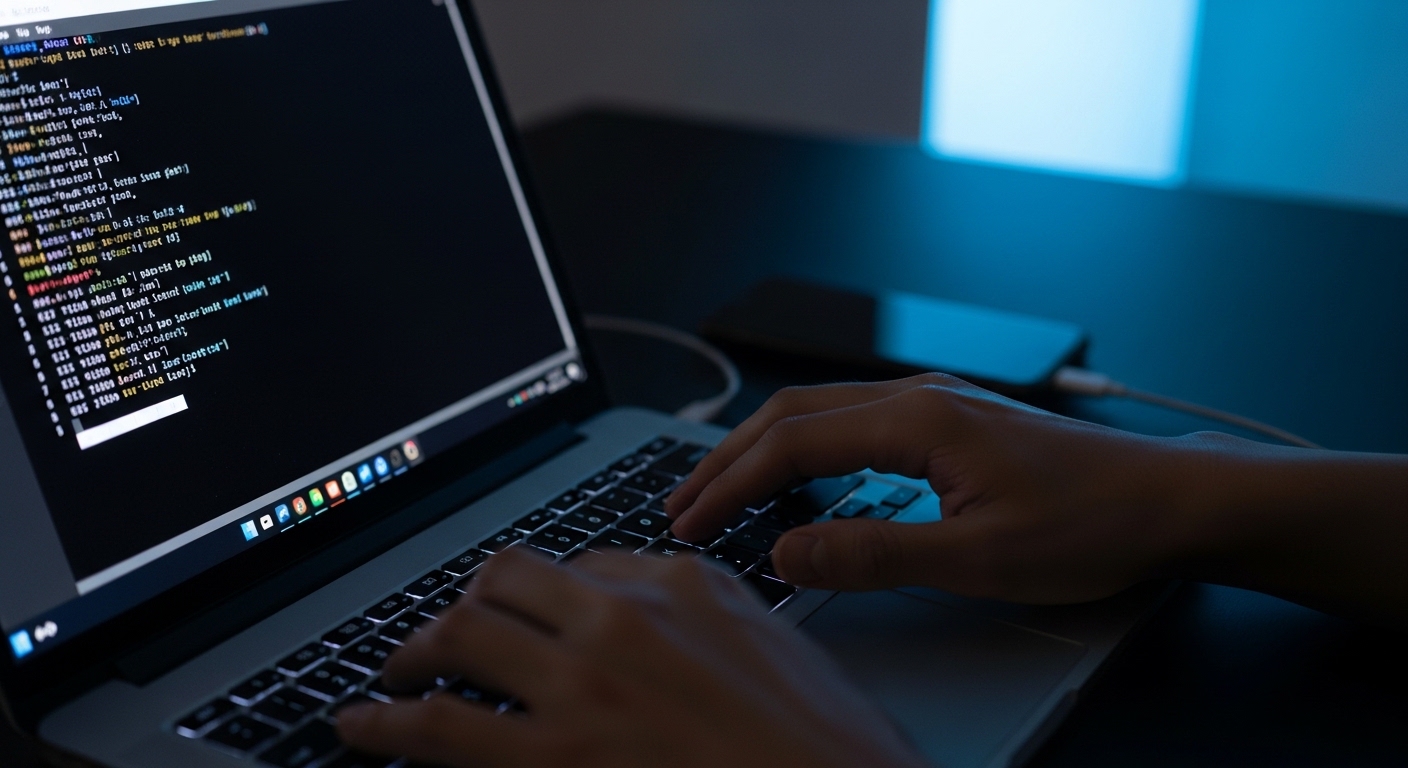
The technical process varies by device and operating system version, but the general pathway follows a predictable pattern. Security researchers — or in some cases independent hackers — find a vulnerability in the device's software. This might be a flaw in how the bootloader initializes, a bug in a system app, or a weakness in the kernel (the core of the operating system). They then write an exploit that takes advantage of that flaw to execute unauthorized code with elevated privileges.
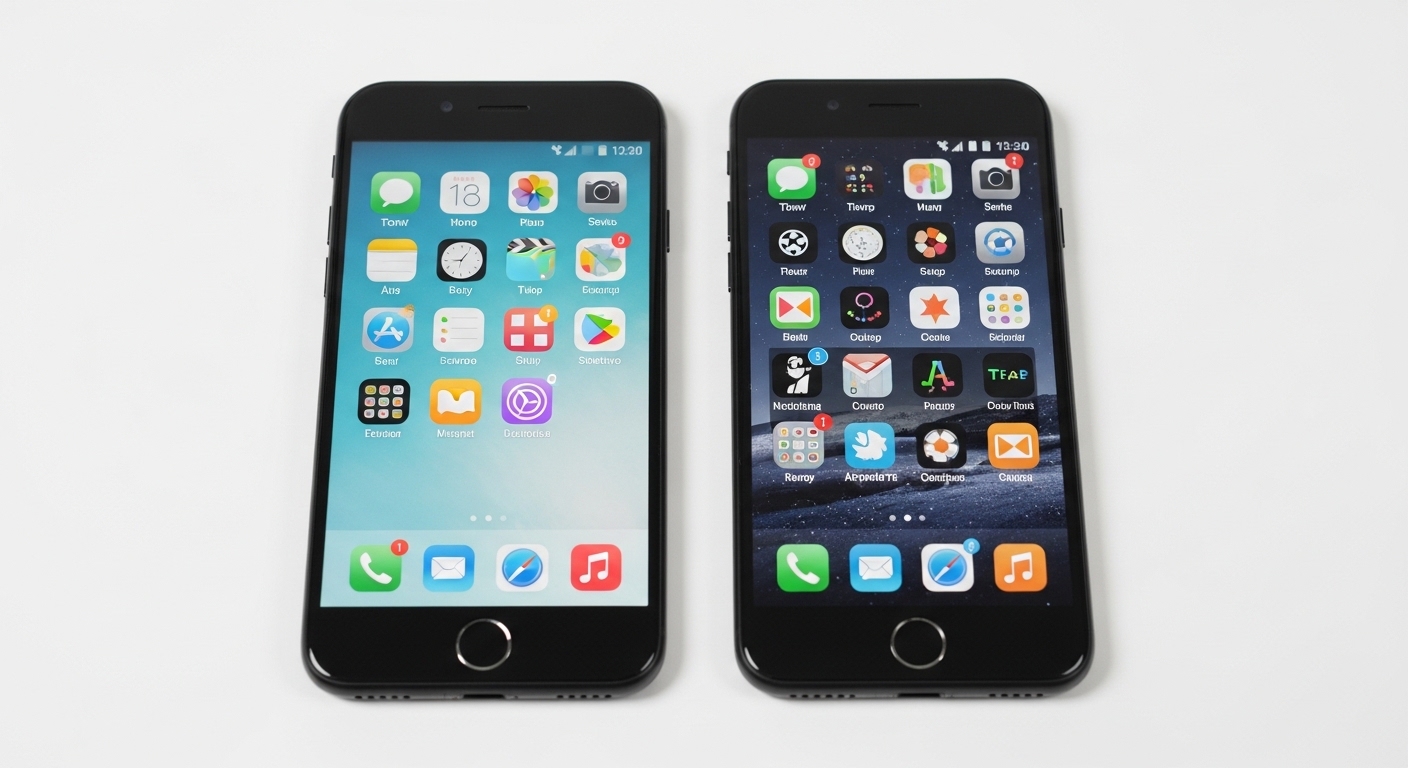
On iPhones, jailbreaks have historically come in two flavors: "tethered" and "untethered." A tethered jailbreak requires you to connect the phone to a computer every time you restart it to re-apply the exploit. An untethered jailbreak survives reboots on its own, making it far more practical for everyday use. Achieving an untethered jailbreak is significantly harder because it requires exploiting the device at a deeper level — often the bootloader or the secure enclave.
On Android, "rooting" typically involves unlocking the bootloader (sometimes with official manufacturer support, sometimes not), then flashing a custom recovery environment, and finally installing a root management app. The process is more openly documented because Android's open-source nature means manufacturers vary widely in how tightly they lock things down. Samsung devices, for instance, have historically been harder to root than some other Android phones because of a security feature called Knox that permanently flags the device if tampered with.
Gaming consoles follow a similar logic. The PlayStation and Nintendo Switch communities have produced jailbreaks that exploit vulnerabilities in specific firmware versions — which is why console manufacturers push firmware updates aggressively. Staying on an older firmware version is often a deliberate choice for users who want to keep a working exploit available.
Real-World Examples 📱
The most documented case in consumer technology is the iPhone jailbreaking scene that exploded after Apple launched the App Store in 2008. Before the App Store existed, jailbreaking was the only way to install third-party apps on an iPhone at all. Even after Apple opened its official store, a thriving community built an alternative called Cydia — an unofficial app marketplace that let users install tweaks, themes, and apps Apple would never approve. At its peak, Cydia reportedly had tens of millions of users.
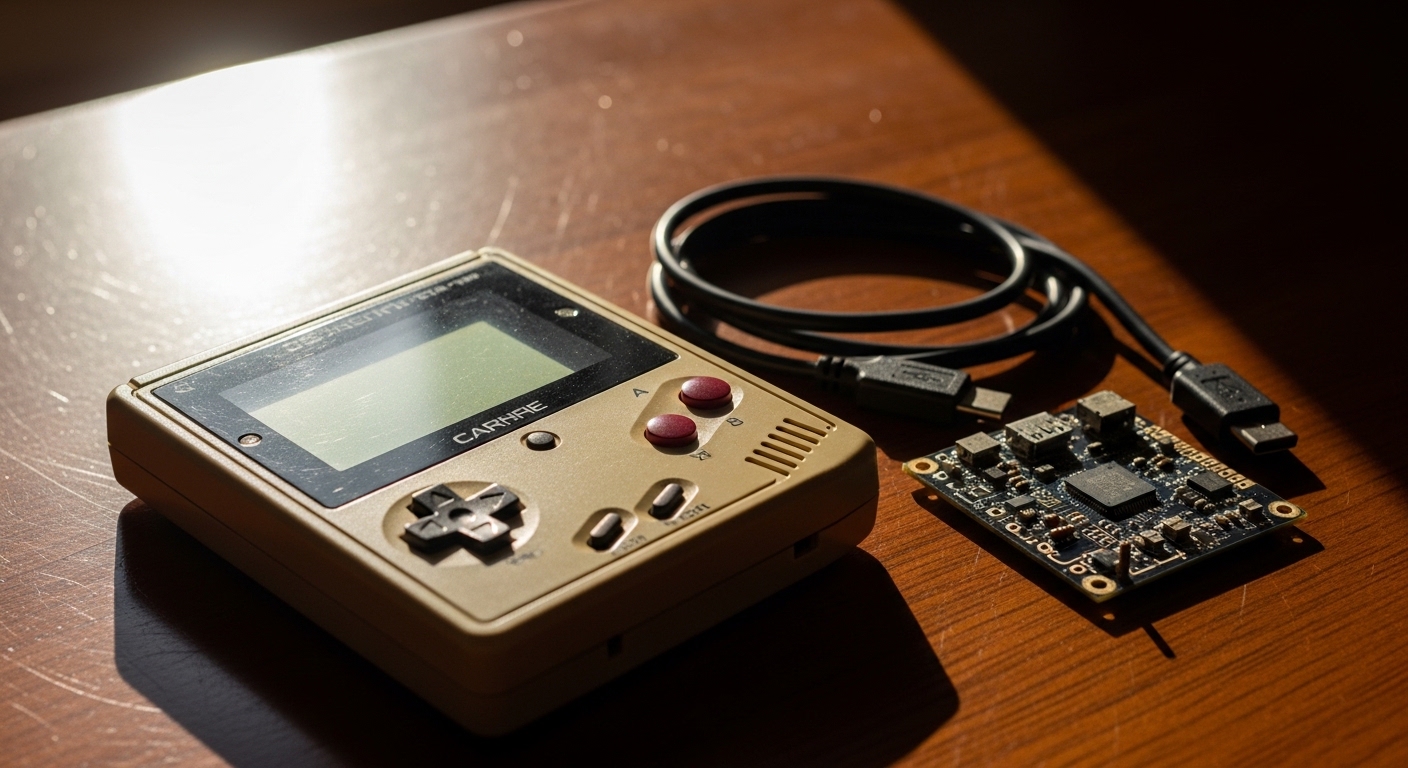
On the gaming side, the Nintendo DS and its successor the 3DS became famous for their homebrew communities. Players used jailbreaks to run custom software, emulators, and games developed by independent programmers who had no official publishing deal with Nintendo. Some of those homebrew games were genuinely impressive technical achievements made by bedroom developers.
A less obvious real-world example: Amazon's Kindle e-reader has been jailbroken by users who wanted to install alternative reading apps or remove Amazon's lock-in to its own ecosystem. The device runs a stripped-down version of Android, and once jailbroken, it can function as a general-purpose Android tablet — something Amazon has no interest in officially supporting.
(Opinion: There's something philosophically interesting about the fact that jailbreaking communities have consistently produced features that manufacturers later adopted officially. Copy-and-paste on iPhone, notification customization on iOS, and multitasking improvements all appeared in Cydia tweaks years before Apple built them in. That's not a coincidence — it's a feedback loop that the industry quietly benefits from while publicly discouraging.)
Why It Matters to You 🧠
Even if you never jailbreak a device yourself, the practice shapes the technology landscape in ways that affect everyone. Here's why it's worth paying attention to in 2026.
Security implications are real. When researchers find the vulnerabilities used in jailbreaks, those same vulnerabilities can potentially be exploited by malicious actors. The security community and jailbreak community often overlap — many jailbreak researchers responsibly disclose vulnerabilities to manufacturers after publishing their work. But the window between a jailbreak being public and a patch being issued is a genuine risk period.
Right-to-repair and ownership debates. Jailbreaking sits at the center of a growing legal and ethical debate about who actually controls a device after you buy it. In the United States, the Digital Millennium Copyright Act (DMCA) has historically created legal gray areas around jailbreaking. The U.S. Copyright Office has periodically issued exemptions allowing certain types of jailbreaking — for smartphones, for instance — while leaving others in murkier territory. The underlying question is simple: if you own the hardware, should you be able to run whatever software you want on it?
Warranty and security trade-offs. Jailbreaking almost universally voids your manufacturer warranty. It also removes certain security protections — Apple's iOS, for example, uses a layered security model where each app runs in a sandboxed environment. Jailbreaking can weaken or eliminate those sandboxes, potentially exposing your data if you install unvetted software from unofficial sources.
The accessibility angle. For some users, jailbreaking isn't about customization — it's about accessibility. People with disabilities have used jailbreak tweaks to modify interfaces in ways that official accessibility settings don't support. That's a use case that's easy to overlook in the broader conversation.

Frequently Asked Questions
Is jailbreaking a device illegal?
In most countries, the legality depends on what you do with the jailbreak, not the act itself. In the United States, the Copyright Office has granted exemptions under the DMCA that make jailbreaking smartphones legal for personal use, though it may still violate your device's terms of service. Using a jailbreak to pirate software or bypass digital rights management for commercial gain is a separate matter and generally illegal. Laws vary significantly by country, so it's worth checking local regulations if you're outside the U.S.
Does jailbreaking permanently damage your device?
In most cases, no — modern jailbreaks are designed to be reversible. Restoring a device to factory settings through official software (like iTunes for iPhones) typically removes the jailbreak entirely. However, some hardware-level modifications or poorly executed jailbreaks can cause issues, and certain security features — like Samsung's Knox on Android — permanently flag a device as tampered with even after a restore, which affects warranty claims.
Can manufacturers detect if your device has been jailbroken?
Yes, often they can. Apple's iOS includes detection mechanisms that some apps — particularly banking and payment apps — use to refuse service on jailbroken devices. Some jailbreak tools include "hiding" features that attempt to mask the jailbreak from detection, but this is an ongoing cat-and-mouse game. Manufacturers and app developers update their detection methods regularly, so there's no guarantee a hidden jailbreak stays hidden.
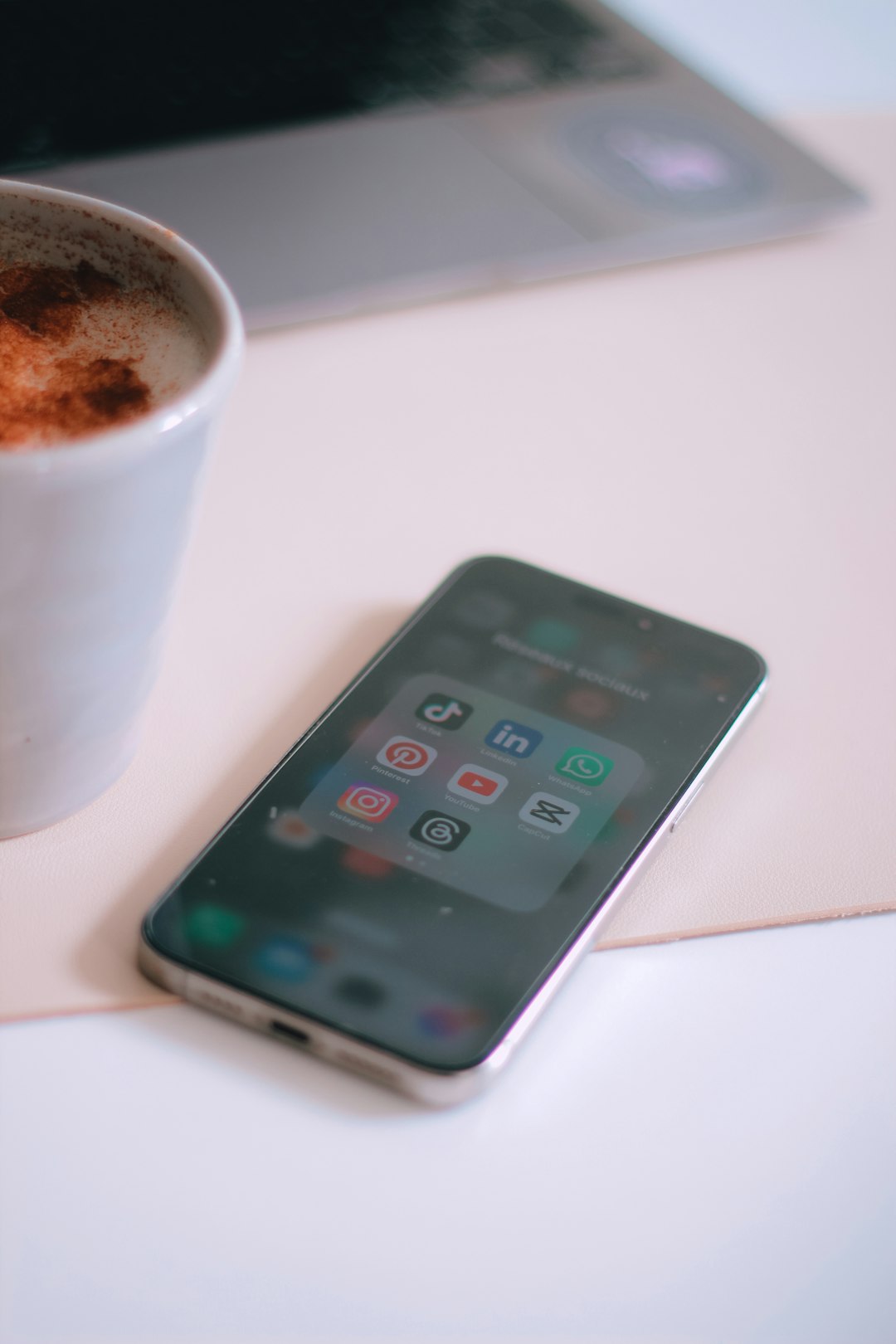
Jailbreaking is one of those topics that looks like a niche hobby on the surface but actually touches on some of the most important questions in modern technology: who owns your device, who controls your software, and where the line sits between security and freedom. Whether you ever touch a jailbreak tool or not, the communities that build them have quietly pushed the entire industry forward — and that's a story worth knowing. Here's a visual summary of what device jailbreaking looks like in practice.


Comments
Post a Comment