What Is a Global Supply Chain? A Simple Guide to How Things Get Made
The T-shirt you're wearing right now probably crossed at least four countries before it reached you. The cotton was likely grown in one place, spun into yarn in another, cut and sewn somewhere else, and then shipped through a regional distribution hub before landing on a store shelf or your doorstep. That's a global supply chain — and it's one of the most quietly complex systems running the modern economy.
What Is a Global Supply Chain, Really?
A Plain-Language Definition
A global supply chain is the full network of people, companies, resources, and processes involved in creating a product and delivering it to the end customer — spanning multiple countries. It starts with raw materials pulled from the earth and ends when something lands in your hands. Everything in between — manufacturing, packaging, transportation, warehousing, customs clearance — is part of the chain.
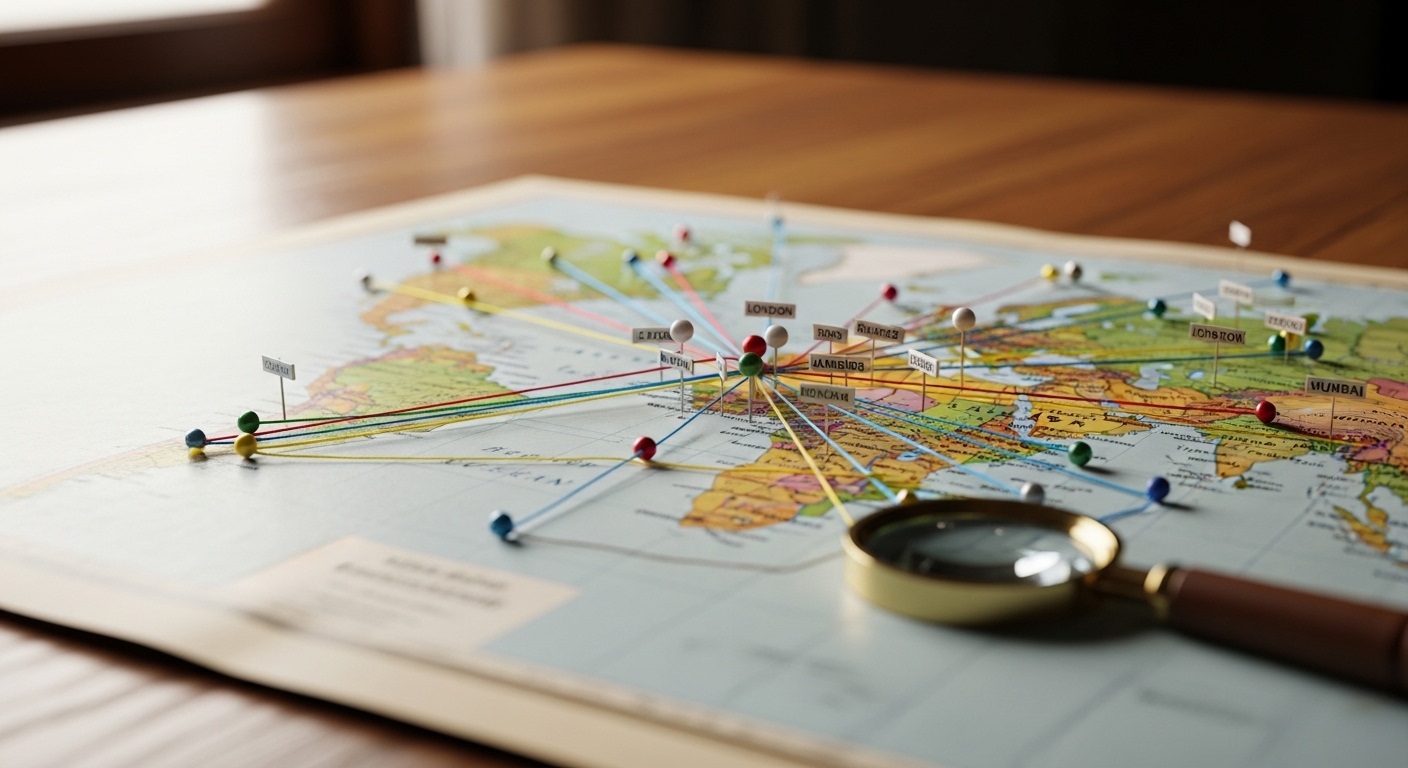
The word "chain" is a bit misleading. It implies a straight line, but the reality is more like a web. A single product might draw components from dozens of suppliers across different continents, all feeding into one assembly point, then fanning back out through distribution networks to reach buyers worldwide.
Why "Global" Changes Everything
Before the mid-20th century, most supply chains were regional. A furniture maker bought lumber locally, hired local craftsmen, and sold to nearby customers. Globalization — driven by containerized shipping, trade agreements, and cheaper international communication — made it economically viable to source materials from wherever they were cheapest or most abundant. That shift fundamentally changed how businesses operate.
The counterintuitive part: going global often makes a supply chain more fragile, not more resilient. Spreading operations across many countries adds efficiency in normal times but creates cascading vulnerabilities when something goes wrong in just one node.
How Does a Global Supply Chain Actually Work?
The Five Core Stages
Most supply chains move through five broad stages, though the specifics vary enormously by industry. Understanding these stages makes it easier to see where delays, costs, and risks actually come from.
- Raw material extraction: Mining, farming, drilling, or harvesting the base inputs. Lithium for batteries, cotton for textiles, crude oil for plastics.
- Processing and manufacturing: Turning raw inputs into components or finished goods. This is often where labor costs drive geographic decisions.
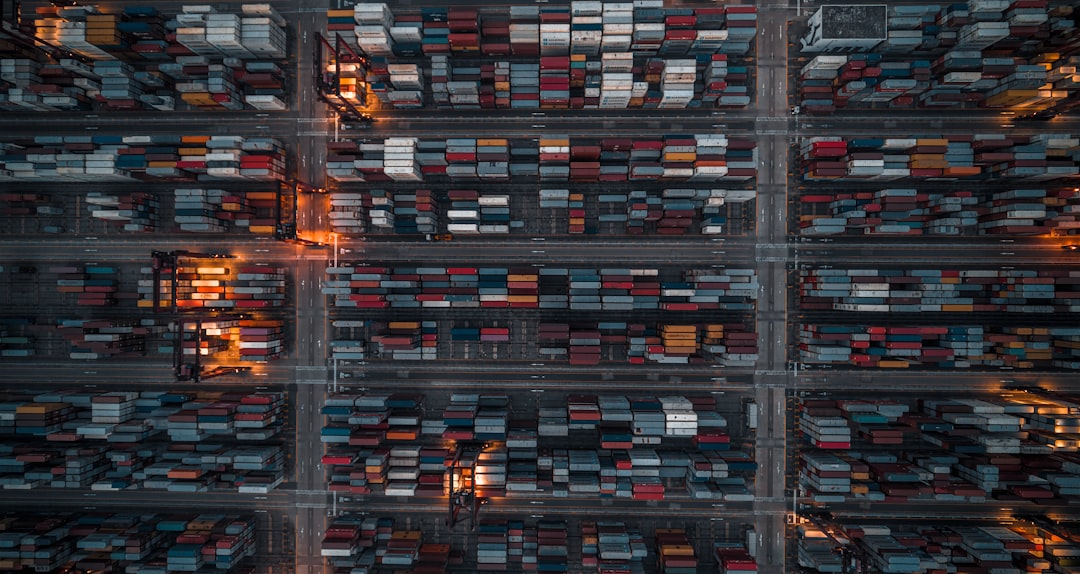
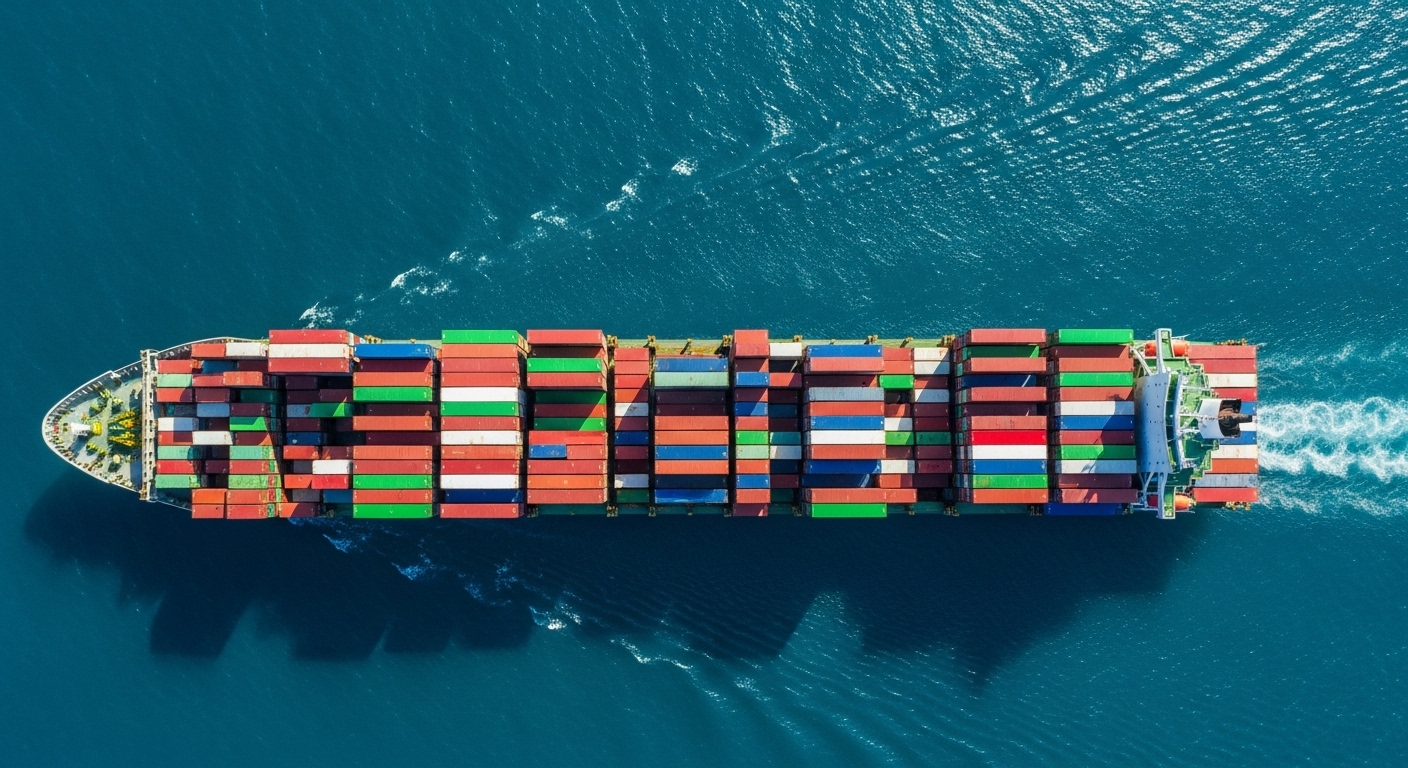
- Logistics and transportation: Moving goods between stages — by sea, air, rail, or road. Roughly 80% of global trade by volume moves by sea, according to widely cited shipping industry data.
- Warehousing and distribution: Storing goods and routing them toward end markets. This stage has been transformed by e-commerce, which demands faster, more granular delivery.
- Retail and delivery: The final leg — getting the product to the customer, whether through a physical store or a last-mile delivery driver.
The Role of Tier Suppliers
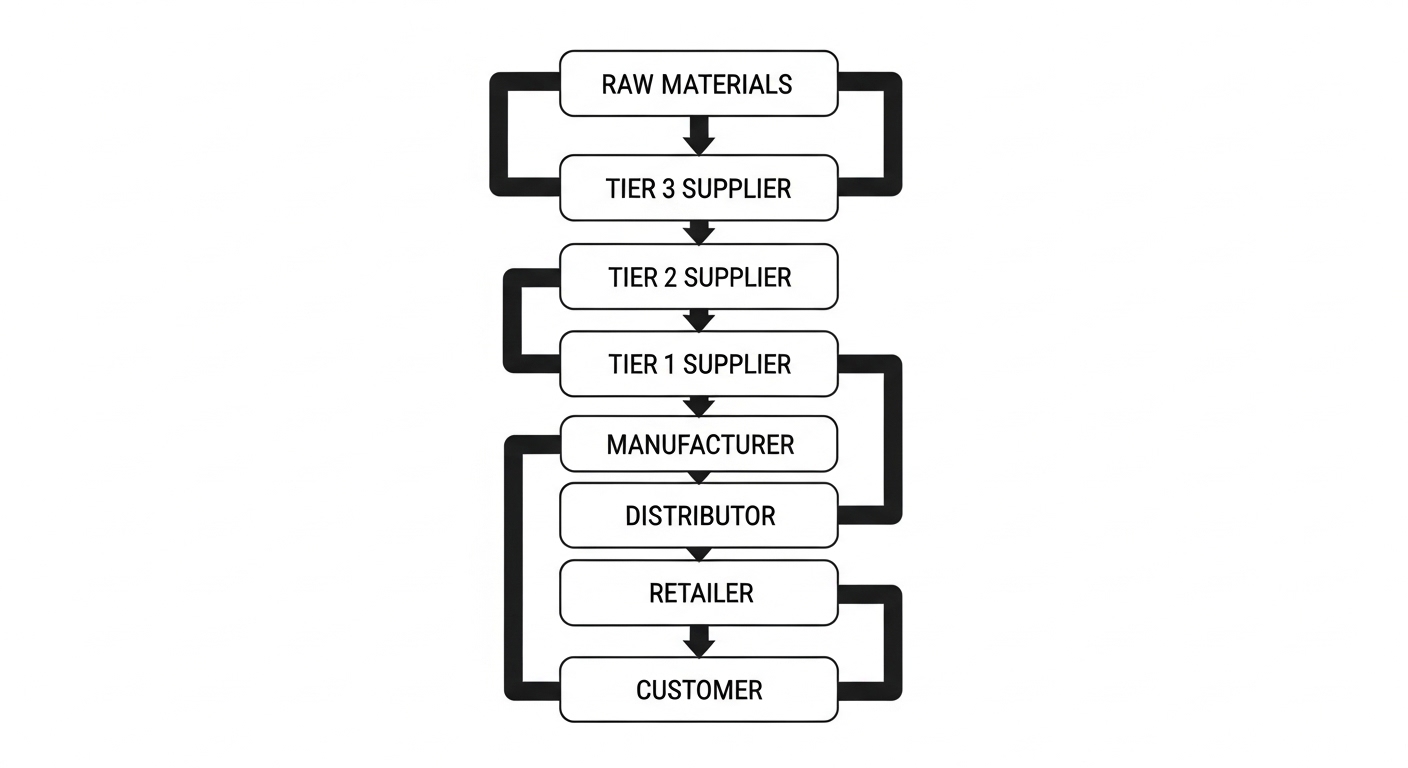
Here's a detail most overviews skip: large manufacturers don't just have one layer of suppliers. They have tiers. A Tier 1 supplier delivers finished components directly to the manufacturer. A Tier 2 supplier provides parts to the Tier 1. A Tier 3 supplier provides raw materials to the Tier 2. In complex industries like automotive or aerospace, there can be four or five tiers, and the manufacturer at the top often has limited visibility into what's happening three or four levels down.
A manufacturer can audit its direct suppliers rigorously and still have no idea that a critical raw material two tiers down comes from a single mine in a politically unstable region.
This opacity became painfully visible during the semiconductor shortage that began around 2020. Automakers discovered that a relatively low-cost chip — sourced through multiple supplier tiers — could halt the production of a vehicle worth tens of thousands of dollars.
Where Global Supply Chains Show Up in Everyday Life
The Smartphone in Your Pocket
A modern smartphone is probably the most cited example of global supply chain complexity — and for good reason. The device contains minerals sourced from multiple continents, chips designed in one country and fabricated in another, screens assembled in yet another, and software written across time zones. Final assembly typically happens in a handful of countries, but the component network behind it spans well over a dozen.
What most people don't think about: the packaging. The box, the foam insert, the instruction booklet — those have their own supply chains, often sourced separately from the device itself and coordinated to arrive at the assembly facility at the same time.
Grocery Store Shelves
Food supply chains are just as global, and often more perishable. A jar of pasta sauce might contain tomatoes from one country, olive oil from another, and herbs from a third — all processed and packaged somewhere else entirely. The cold chain (refrigerated logistics) required to keep certain foods safe across long distances is an engineering feat that most shoppers never think about while grabbing something off a shelf.
(Opinion: The invisibility of supply chains is a design feature, not a flaw — but it has made consumers dangerously disconnected from the real costs and conditions behind the things they buy. That disconnection is starting to have political and environmental consequences that are hard to ignore.)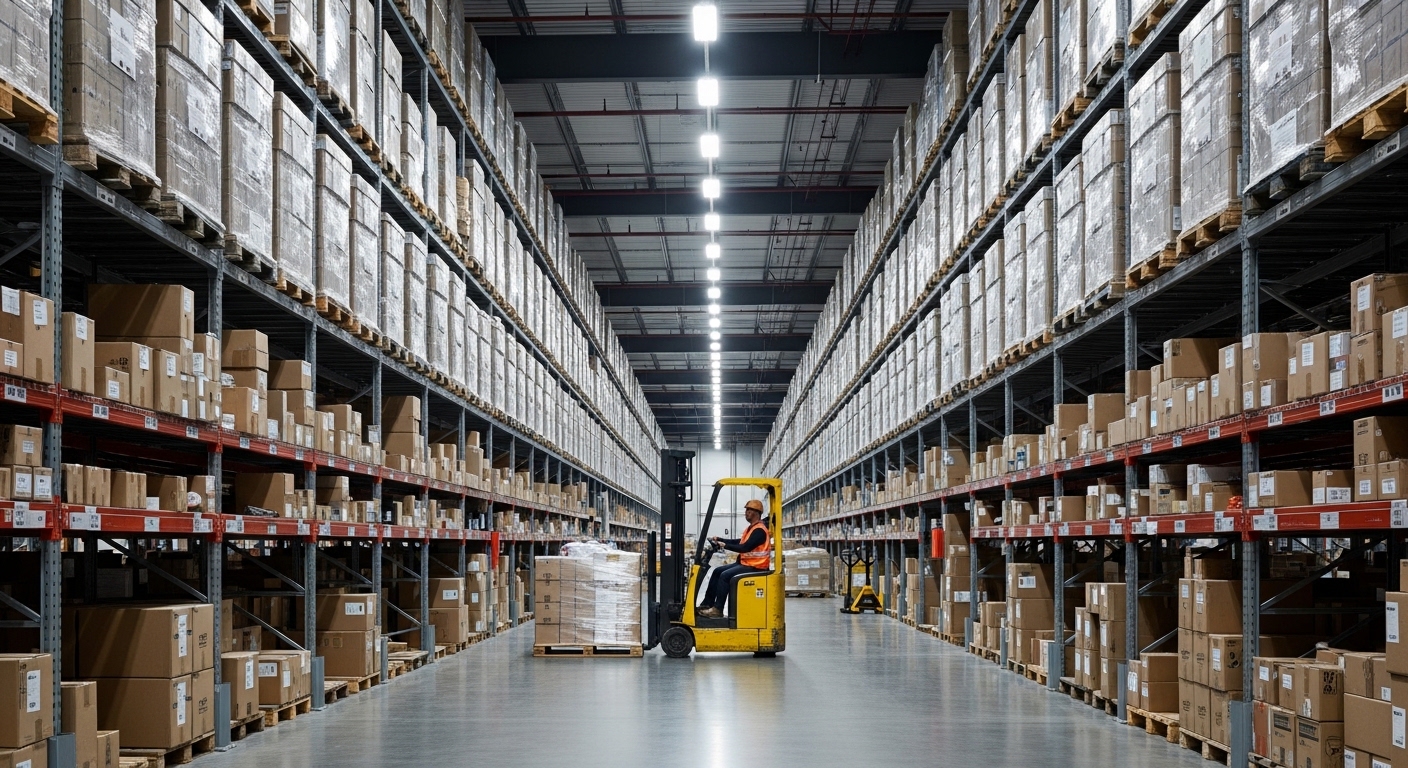
Why Global Supply Chains Matter — and Where They Break
The Efficiency Argument
The economic case for global supply chains is straightforward: comparative advantage. Countries and regions specialize in what they produce most efficiently, and trade allows everyone to benefit from that specialization. This has driven down the cost of manufactured goods dramatically over the past few decades. The real price of consumer electronics, clothing, and many food products is far lower today than it was in the 1980s, adjusted for inflation.
The Fragility Problem
The efficiency gains come with a structural trade-off. Lean, just-in-time manufacturing — where components arrive exactly when needed, minimizing inventory costs — leaves almost no buffer when disruptions hit. A factory fire in a single Japanese chemical plant in 2011 caused a global shortage of a specialty resin used in automotive paint, disrupting car production worldwide for months. That's how tightly wound these systems are.
Just-in-time manufacturing is extraordinarily efficient until it isn't — and when it fails, the failure tends to be sudden, global, and expensive.
Natural disasters, pandemics, geopolitical conflicts, and even labor disputes at a single port can send shockwaves through supply chains that take months to resolve. The 2021 blockage of the Suez Canal by a single grounded container ship — for less than a week — disrupted an estimated billions of dollars in global trade. One ship. One week.
The Environmental and Ethical Dimensions
Global supply chains also carry significant environmental costs. Shipping and air freight contribute meaningfully to global carbon emissions. And the geographic distance between production and consumption makes it easier to externalize environmental damage — pollution, water use, land degradation — onto countries with weaker regulatory frameworks. Labor conditions follow a similar pattern, with the most labor-intensive and lowest-paid work concentrated in regions where worker protections are limited.
Frequently Asked Questions
What's the difference between a supply chain and a value chain?
A supply chain focuses on the flow of materials and goods from origin to customer. A value chain is a broader concept that includes all the activities a company performs to create value — including design, marketing, and customer service — not just physical production and logistics. Every supply chain is part of a value chain, but the two terms aren't interchangeable.
Can a small business have a global supply chain?
Yes, and more commonly than most people assume. A small e-commerce brand that sources products from overseas manufacturers and ships to international customers is operating a global supply chain. The scale is smaller, but the structure — multiple countries, international logistics, customs — is the same. Many small businesses use third-party logistics providers to manage the complexity they can't handle in-house.
Why don't companies just manufacture everything locally to avoid these risks?
Cost is the blunt answer. Reshoring — bringing manufacturing back to higher-wage countries — significantly increases production costs for most goods. Some industries are actively doing it, especially for strategically sensitive products like semiconductors and pharmaceuticals. But for most consumer goods, the cost difference between domestic and offshore production remains large enough that full reshoring isn't economically viable without subsidies, tariffs, or a dramatic shift in consumer willingness to pay more.
The next time a product is delayed, out of stock, or suddenly costs more, the explanation is almost never simple. It's a thread that, if you pull it, leads through warehouses, ports, factories, mines, and weather events across multiple continents. Global supply chains are the infrastructure of modern life — and like most infrastructure, they only become visible when something goes wrong.



Comments
Post a Comment