How Deep Sea Creatures Survive Extreme Ocean Pressure
The deepest parts of the ocean sit under pressure so crushing that it would collapse a submarine like an empty soda can. Yet down there — in the pitch-black cold of the hadal zone, more than 6,000 meters below the surface — fish swim, shrimp scuttle, and microbes thrive. The fact that life not only exists but flourishes under conditions that would kill a human instantly is one of biology's most fascinating puzzles. The answer turns out to be a masterclass in chemistry, physics, and evolution working together over millions of years.
What Extreme Ocean Pressure Actually Means for Living Tissue
The Numbers Behind the Crushing Depth
Pressure in the ocean increases by roughly one atmosphere for every ten meters of depth. At the bottom of the Mariana Trench — approximately 11,000 meters down — the pressure reaches around 1,100 times the atmospheric pressure at sea level. To put that in physical terms, every square centimeter of a creature's body is bearing the equivalent weight of a small car pressing down on it continuously.
For most biological molecules, that kind of pressure is catastrophic. Cell membranes stiffen and lose flexibility. Proteins — which need to fold into precise three-dimensional shapes to function — get compressed and deformed. Enzymes stop working. In short, the biochemistry that keeps cells alive simply breaks down under extreme pressure, at least for organisms built for life at the surface.
Why Rigid Structures Make Things Worse
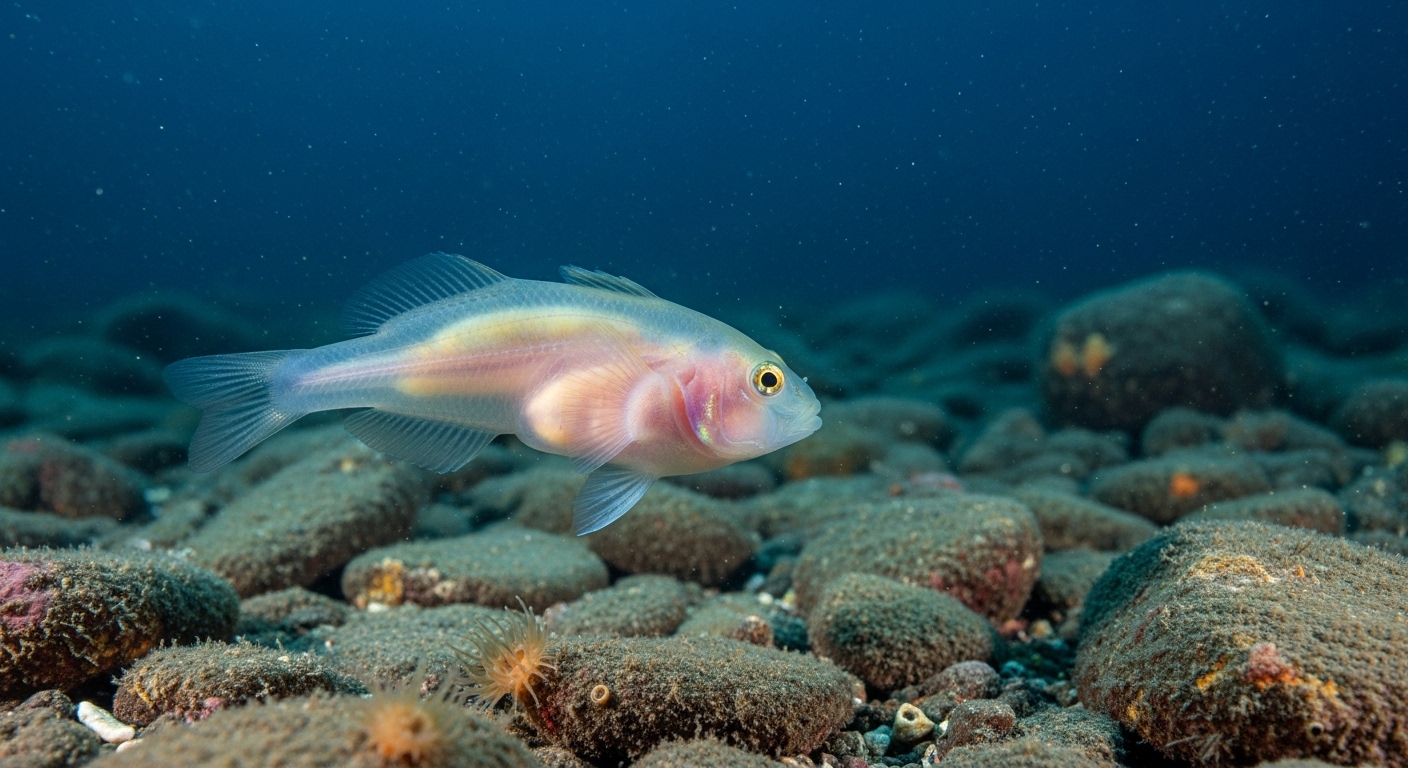
One counterintuitive fact: having a rigid, air-filled body cavity is far more dangerous in the deep sea than having a soft, fluid-filled one. Air compresses dramatically under pressure, which is why fish with swim bladders — the gas-filled organs most shallow-water fish use for buoyancy — cannot survive in the hadal zone. Deep-sea fish have either lost their swim bladders entirely or evolved alternative buoyancy strategies. The ocean's deepest-living fish, the snailfish found in trenches across the Pacific, are gelatinous and nearly transparent precisely because that soft, watery body structure is a survival advantage, not a weakness.
How Deep Sea Animals Actually Adapt to Survive the Pressure
The Chemical Secret: Piezolytes
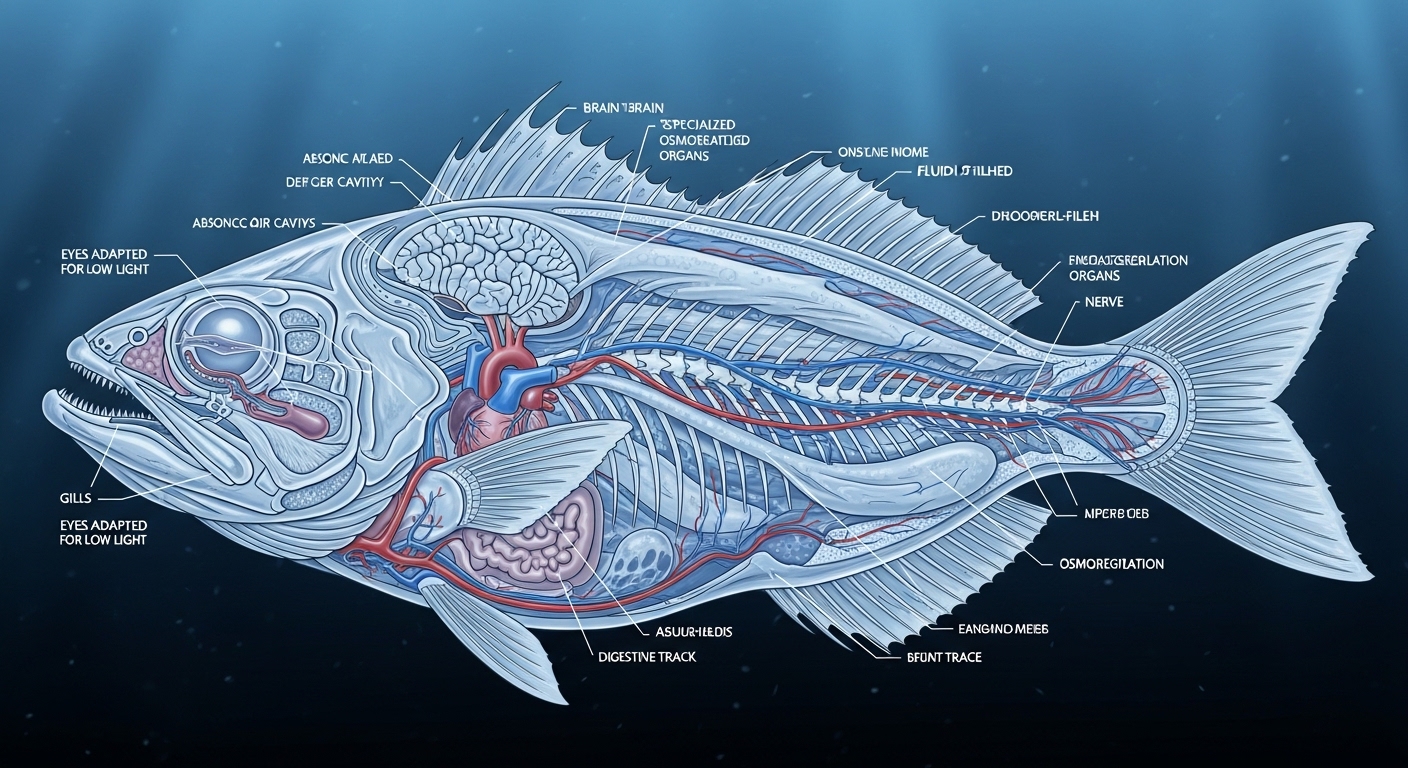
The single most important adaptation deep-sea creatures have is biochemical. Their cells are packed with small molecules called piezolytes — the most studied of which is trimethylamine oxide, or TMAO. TMAO acts as a chemical counterweight to pressure: it stabilizes proteins and keeps them folded correctly even when the surrounding pressure would otherwise crush them out of shape. Research suggests that the concentration of TMAO in deep-sea fish scales almost perfectly with depth, increasing the deeper the species lives.
Here is the surprising part: TMAO is also the molecule responsible for that strong "fishy" smell you notice when seafood is not fresh. The compound breaks down into other chemicals as the fish ages, producing that distinctive odor. So in a strange twist, the very thing that makes deep-sea fish smell strongly is the same chemical that keeps them alive under crushing pressure.
TMAO concentration in deep-sea fish scales almost linearly with depth — it is essentially a built-in pressure gauge written into the animal's chemistry.
Flexible Membranes and Pressure-Resistant Proteins
Cell membranes in deep-sea organisms are also chemically different from those of surface animals. Membranes need to stay fluid and flexible to function — they have to allow molecules to pass through and support the proteins embedded in them. Under high pressure, membranes made of the same fats as surface animals would solidify like cold butter. Deep-sea creatures compensate by loading their membranes with unsaturated fatty acids, which have a kinked molecular shape that resists packing tightly together, keeping the membrane fluid even under extreme compression.
Their enzymes and structural proteins have also evolved different amino acid sequences that make them more pressure-tolerant. Some deep-sea bacteria produce enzymes that actually work better under high pressure than at surface conditions — a complete reversal of what you would expect if you only knew surface biology.
No Air Spaces, No Problem
Many deep-sea animals have simply eliminated the problem of compressible gas pockets altogether. Deep-sea fish lack swim bladders and instead use lipid-rich tissues — fats and wax esters — for neutral buoyancy. Wax esters are largely incompressible, so they provide lift without creating a dangerous air pocket. The coelacanth, a famously ancient fish that lives at depths of several hundred meters, uses a fat-filled swim bladder for exactly this reason.
Real Deep-Sea Creatures That Show These Adaptations in Action
The Hadal Snailfish — Life at the Very Bottom
The snailfish family (Liparidae) holds the record for the deepest-living vertebrates ever observed, with individuals filmed at depths exceeding 8,000 meters in Pacific ocean trenches. Their bodies are almost entirely water and soft tissue, with no rigid structures to implode. Studies on their biochemistry have confirmed unusually high TMAO concentrations, and their cell membranes show the unsaturated fatty acid profile described above. They are, in a sense, the poster animal for pressure adaptation.
What makes them even more remarkable is that they appear to be active predators at those depths, feeding on small crustaceans. They are not just surviving — they are hunting. The trench environment, far from being a dead zone, supports a food web, and the snailfish sit near the top of it.
Piezophilic Bacteria — Microbes That Need the Pressure
Some microorganisms found in deep-sea sediments are not just pressure-tolerant — they are pressure-dependent. Called piezophiles (from the Greek word for pressure), these bacteria actually grow faster under high pressure than at surface conditions, and some cannot survive at all if brought to the surface. For example, bacteria recovered from the Mariana Trench sediments have been shown in laboratory conditions to require pressures far above atmospheric to maintain normal metabolic function. They represent an entirely separate evolutionary branch of life optimized for an environment most organisms cannot enter.
Some deep-sea bacteria brought to surface pressure simply stop functioning — for them, the crushing deep is not a hostile environment but home.
Giant Squid and Sperm Whales — Visitors From Above
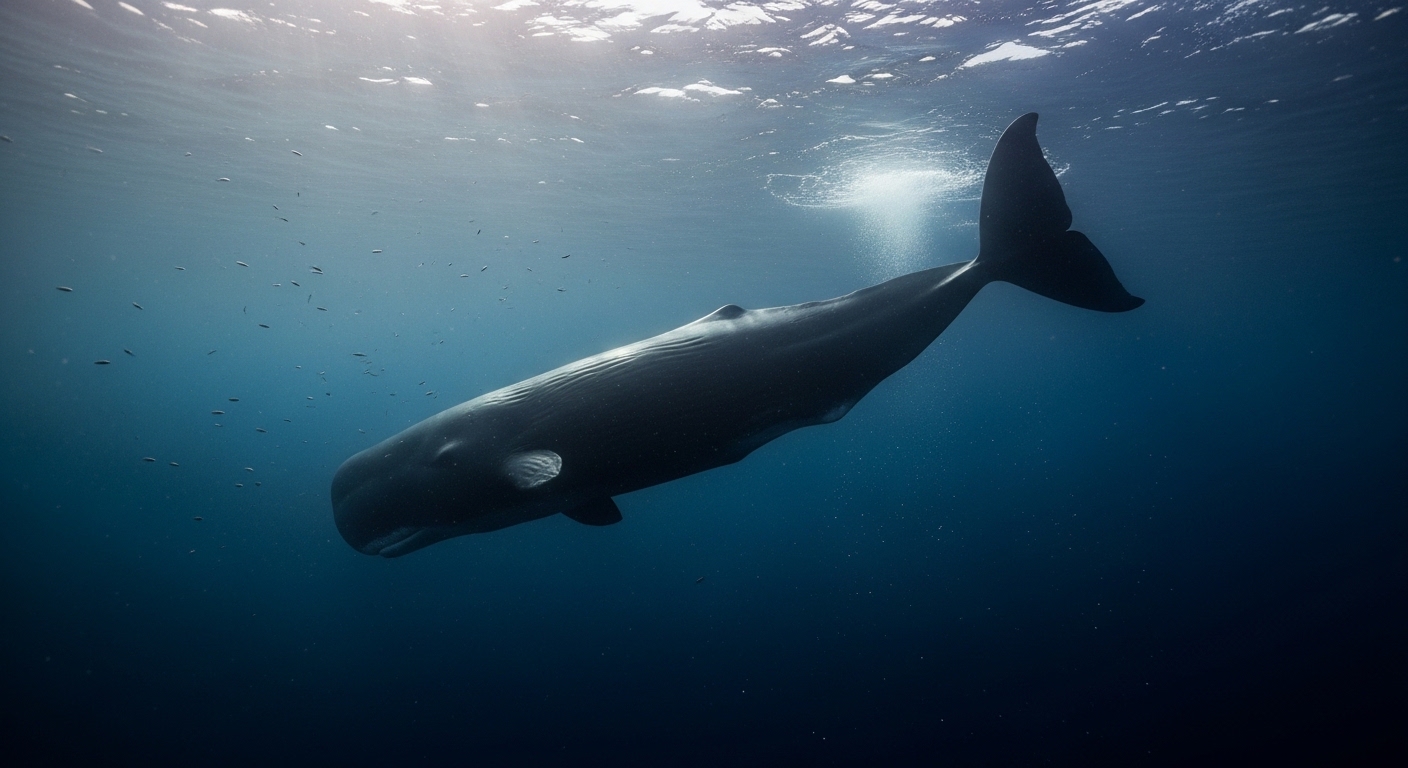
Not every deep-sea animal is a permanent resident. Sperm whales dive to depths of over 1,000 meters in pursuit of prey, including giant squid. Their adaptations are different in nature — collapsible rib cages, spleens that act as oxygen reservoirs, and blood chemistry that tolerates dramatic pressure swings. Giant squid, meanwhile, use ammonium chloride in their tissues as a buoyancy aid, a solution that is chemically incompressible and works across a wide pressure range. These are creatures that commute between pressure zones, and their bodies reflect that flexibility.
Why Deep Sea Pressure Adaptation Matters Beyond the Ocean
What It Tells Us About the Limits of Life
Understanding how life survives extreme pressure fundamentally changes how scientists think about the boundaries of habitability. If organisms can thrive under 1,100 atmospheres of pressure in total darkness with no photosynthesis, the definition of a "habitable" environment expands considerably. This has direct implications for the search for life on other worlds — particularly on moons like Europa and Enceladus, which are believed to harbor liquid water oceans beneath thick ice shells, potentially under significant pressure.
The biochemical tools deep-sea creatures use — piezolytes, pressure-adapted enzymes, flexible membranes — also have practical applications. Researchers are studying deep-sea enzymes for use in industrial processes that operate under high pressure or extreme temperatures, since these proteins are inherently more stable than their surface counterparts.
The Biotechnology Angle
Enzymes from piezophilic bacteria have already attracted interest in fields like food processing, pharmaceutical manufacturing, and even DNA amplification. The polymerase chain reaction (PCR) technique that became famous during the pandemic relies on heat-stable enzymes originally discovered in hot-spring bacteria — a precedent that suggests pressure-stable enzymes from the deep sea could have similarly transformative applications. Research in this area is ongoing, and estimates suggest the deep-sea biotechnology market is growing steadily as sampling technology improves.
(Opinion: There is something almost philosophically humbling about the fact that life's most extreme adaptations are hidden in places we can barely reach. The deep ocean is not a curiosity at the edge of biology — it is arguably where biology is most creative. We have explored less of the ocean floor than we have of the surface of Mars, and the pressure adaptations we keep discovering there suggest we are still only scratching the surface of what life is capable of.)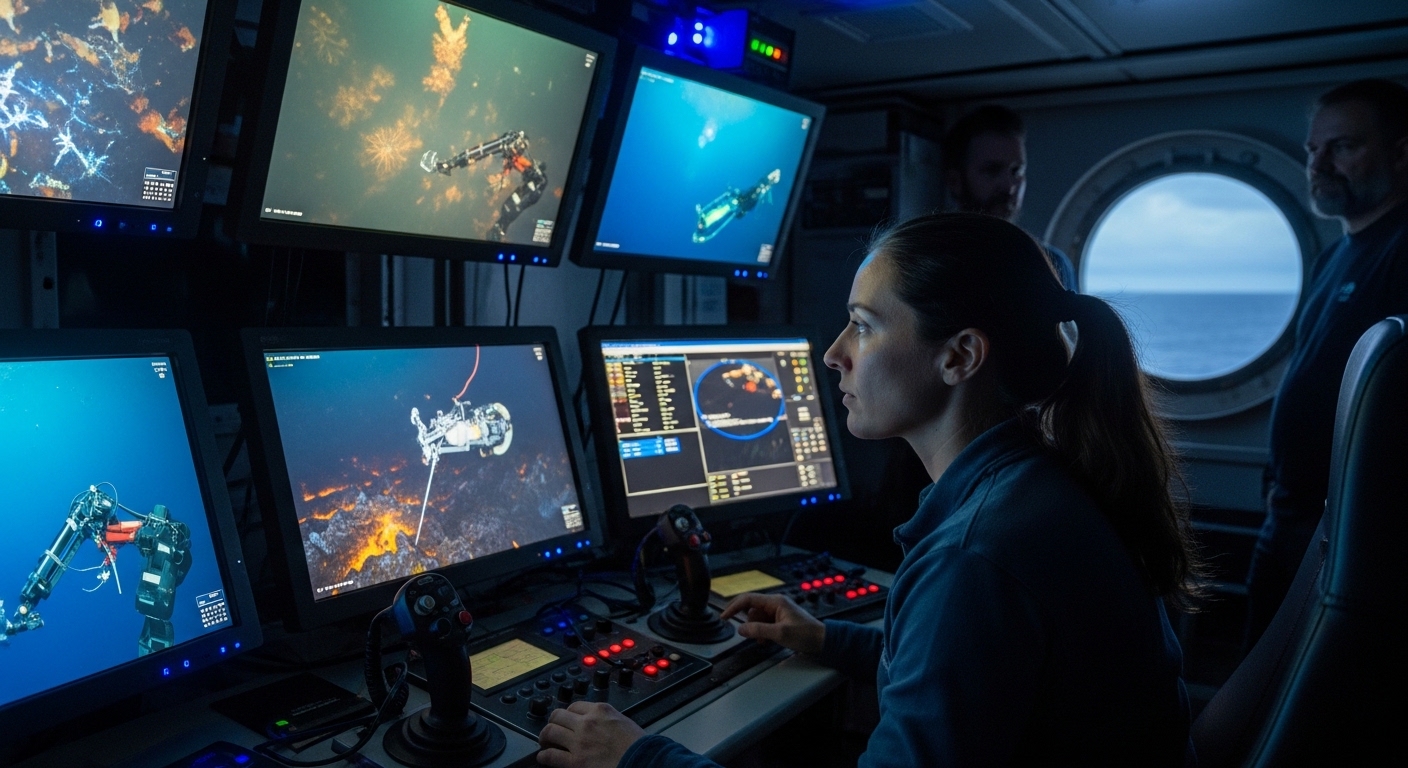
Frequently Asked Questions
Can deep sea creatures survive if brought to the surface?
Most cannot. The rapid pressure change causes dissolved gases in their tissues to expand, and their pressure-adapted proteins and membranes no longer function correctly at surface conditions. Fish that live at extreme depths typically die quickly when brought up, which is why studying them alive requires specialized high-pressure aquarium systems. Some hardier species from moderate depths can survive the transition if it is done slowly enough.
How do scientists study animals at such extreme depths?
The primary tools are remotely operated vehicles (ROVs) and autonomous landers — unmanned submersibles and weighted platforms that descend to the seafloor carrying cameras, sensors, and collection equipment. Some research teams use specially designed high-pressure traps that capture organisms and keep them under pressure during retrieval. Human-occupied submersibles capable of reaching full ocean depth exist but are rare and expensive to operate.
Is the deep sea the most extreme environment life has been found in?
It is one of several. Life has also been found in highly acidic hot springs, inside Antarctic ice, in hypersaline lakes, and deep within rock formations kilometers underground. The term for organisms that thrive in such conditions is "extremophiles." The deep sea is notable because it combines multiple extreme factors simultaneously — crushing pressure, near-freezing temperatures, total darkness, and limited nutrients — yet still supports complex ecosystems including vertebrates.
The deep ocean keeps rewriting the rulebook on what biology can do. Every new dive with an ROV turns up something that challenges assumptions built from studying surface life — a fish that thrives where a submarine would implode, a bacterium that dies if you bring it somewhere comfortable. The chemistry and physics behind these adaptations are not just fascinating in isolation; they are reshaping how scientists think about life's potential on other worlds and in industrial applications here on Earth. The pressure, it turns out, is exactly what makes it interesting.


Comments
Post a Comment