What Is Megacasting? The Car Manufacturing Tech Shaking Up the Auto Industry
A single aluminum casting the size of a dining table now replaces what used to be 70 to 100 separate stamped steel parts welded together on a factory floor. That is the core idea behind megacasting — and it is quietly rewriting how cars are built from the ground up. The shift is not just a manufacturing curiosity; it changes costs, repairability, and the competitive landscape in ways that ripple all the way to the person buying the car.
What Is Megacasting? A Plain-Language Definition
The Basic Concept
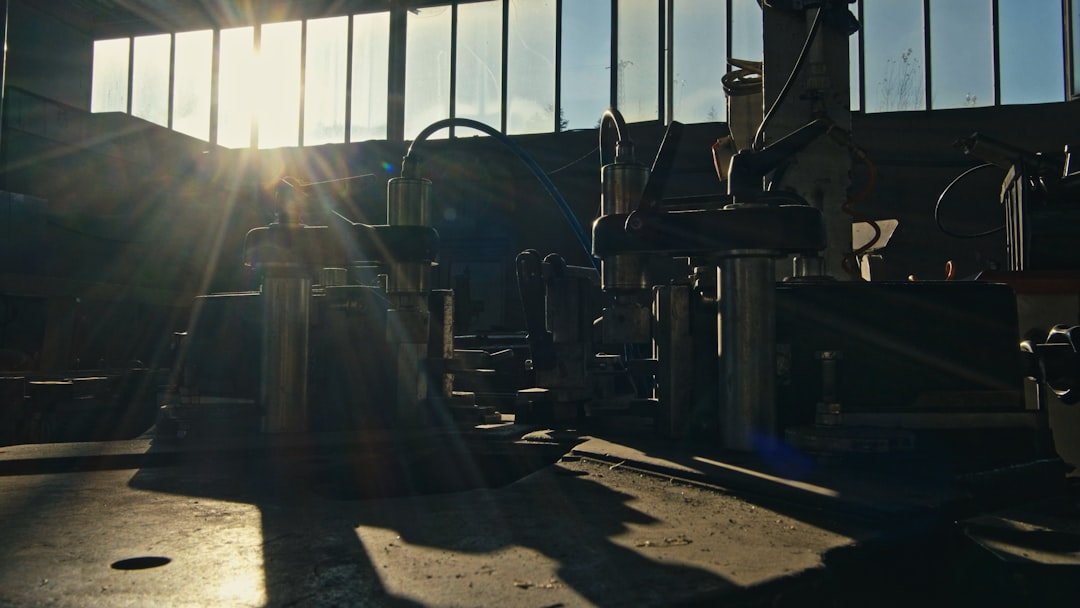
Megacasting — sometimes called gigacasting — is a manufacturing process where enormous high-pressure die-casting machines inject molten aluminum alloy into a single large mold, producing one massive structural component in a matter of minutes. Traditional car bodies are assembled from dozens of individual stamped metal pieces that robots weld, bolt, and glue together. Megacasting skips most of that assembly chain entirely.
The machines used are genuinely enormous. Clamping forces are measured in tons — the largest machines currently operating exert clamping forces in the range of 6,000 to 9,000 metric tons to hold the mold shut while aluminum is injected at high pressure. For context, that is roughly the weight of several fully loaded commercial aircraft pressing down on a mold the size of a small room.
What Gets Cast?
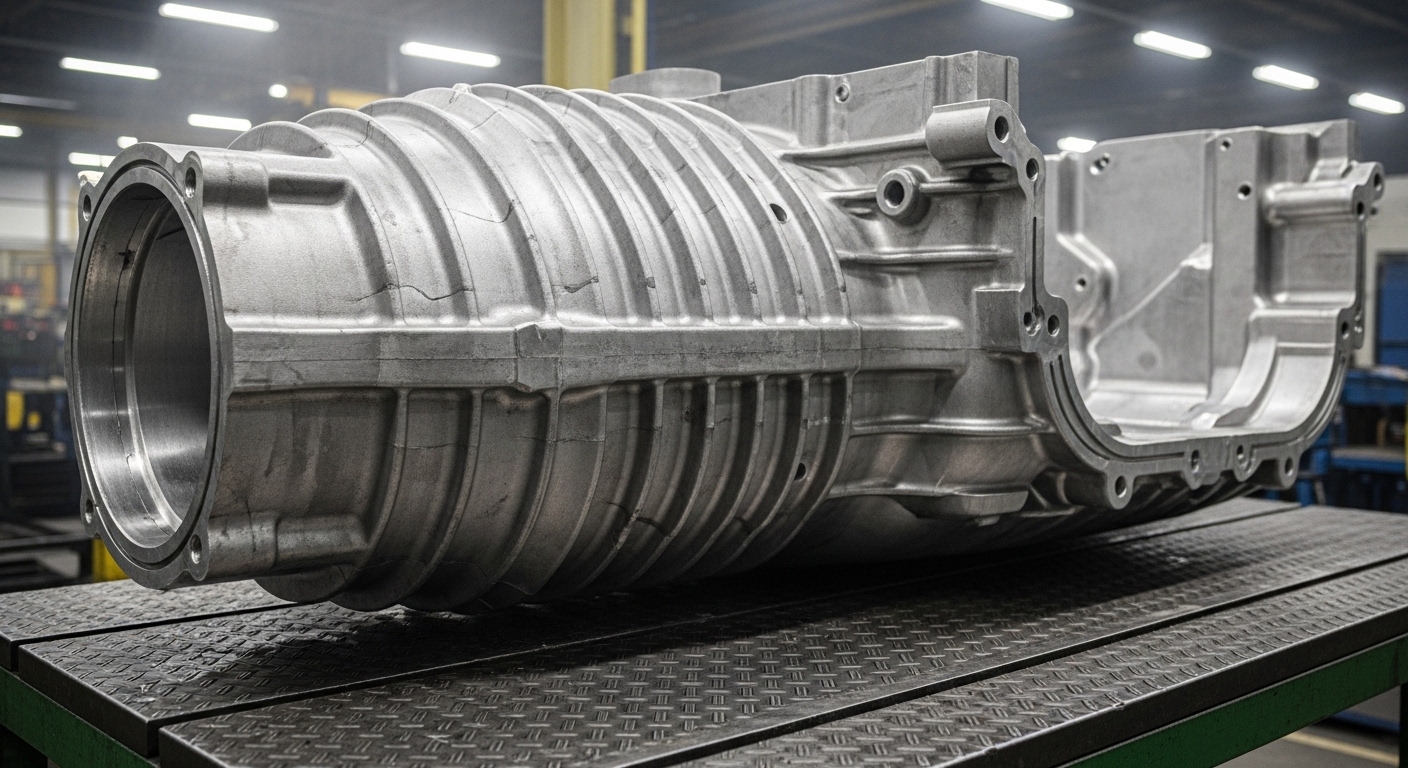
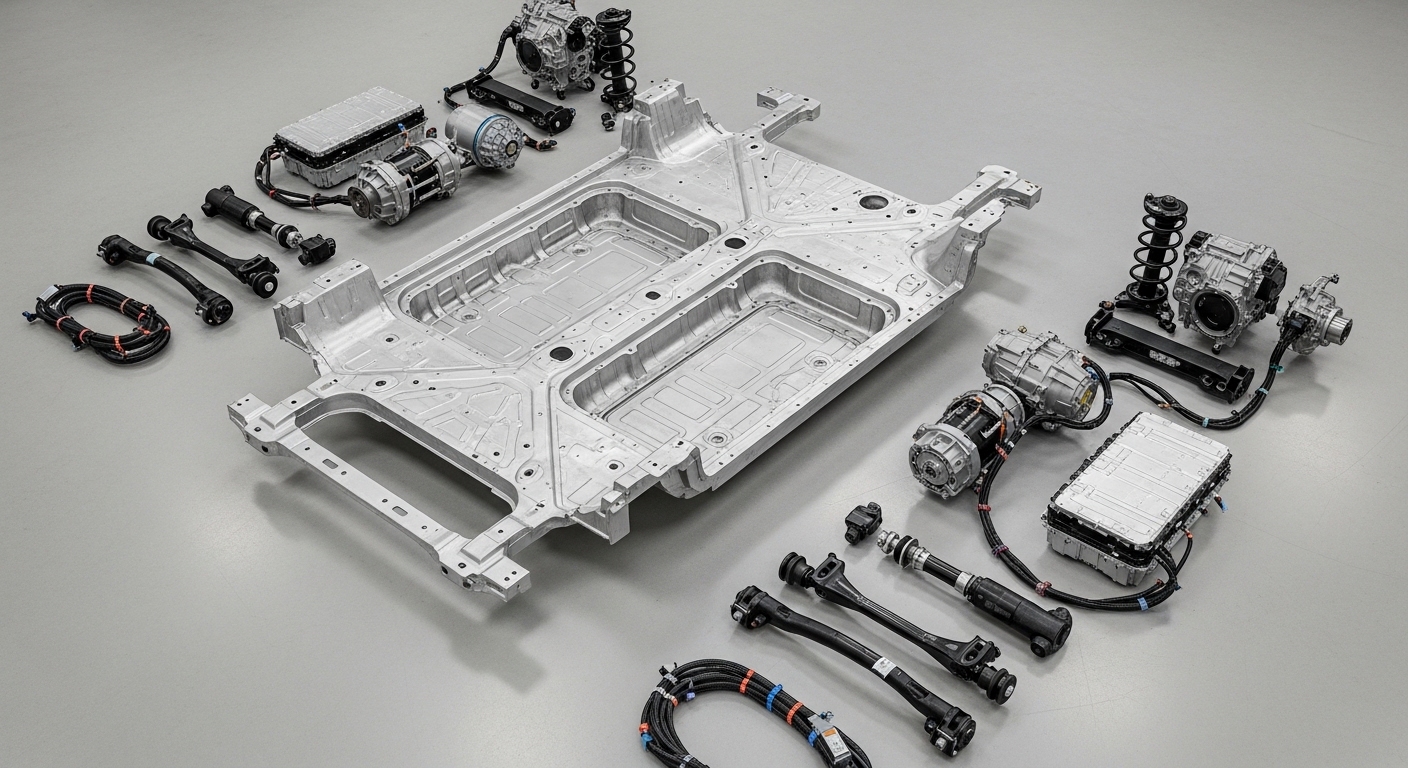
The most common application right now is the rear underbody structure — the section of the car floor that runs from roughly the rear seats back to the bumper. Some manufacturers are also casting front underbody sections. The ambition, in some cases, is to eventually cast the entire floor of a vehicle as a single piece, sometimes called a "unibody megacast."
How Does Megacasting Work? The Process Explained
From Molten Metal to Finished Part
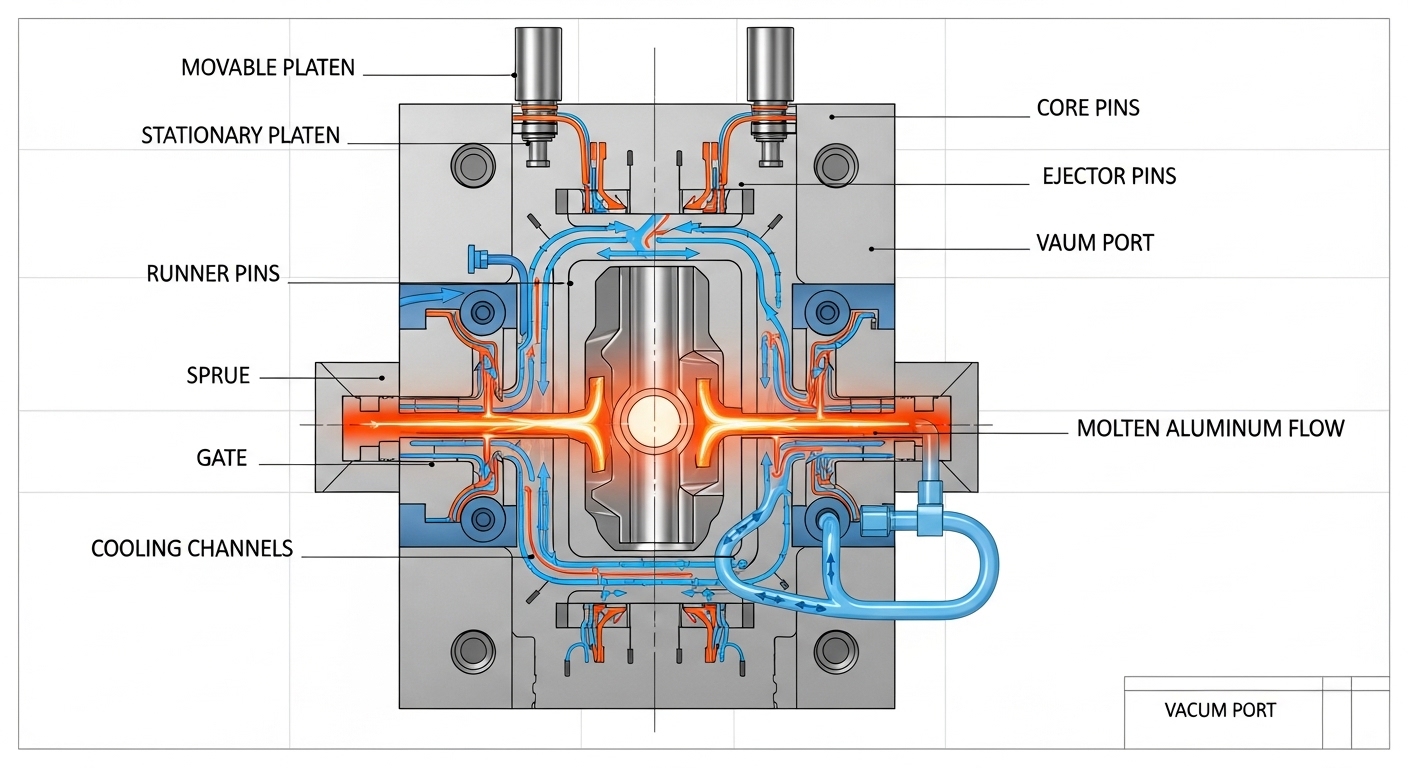
The process starts with aluminum alloy being melted and held at temperature in large furnaces adjacent to the casting machine. The molten metal is then injected into a steel die — the mold — under extremely high pressure, filling every cavity in a fraction of a second. The aluminum solidifies rapidly, the die opens, and the part is ejected, usually within two to three minutes per cycle.
What makes this harder than it sounds is the metallurgy. Aluminum castings can develop internal porosity — tiny air pockets — that weaken the part. Traditional high-pressure die casting was actually considered unsuitable for structural automotive parts for this reason. The breakthrough that enabled megacasting was the development of specialized low-porosity aluminum alloys and vacuum-assisted die-casting techniques that pull air out of the mold cavity before injection, dramatically reducing defects.
Vacuum-assisted die casting was the unglamorous technical unlock that made megacasting structurally viable — without it, the parts would have been too porous to weld or heat-treat safely.
The Role of Simulation Software
Designing a mold for a part this large is not a trial-and-error process — each steel die can cost millions of dollars to manufacture. Automotive engineers rely heavily on computational fluid dynamics and thermal simulation software to predict how molten aluminum will flow through the die, where it will cool first, and where stress concentrations might form. Getting the simulation wrong means scrapping a very expensive tool.
This is one reason the technology took years to move from concept to production. The simulation tools had to mature alongside the casting machines themselves.
Which Automakers Are Actually Using Megacasting?
Tesla's Role in Popularizing the Process
Tesla is the company most associated with bringing megacasting into mainstream automotive production. The rear underbody of the Model Y — produced at Tesla's facilities in Texas, Germany, and China — is manufactured as a single megacast aluminum piece. Before this change, that same section of the car required roughly 70 individual parts. Tesla has publicly stated that the process reduces manufacturing costs and simplifies the production line significantly.
Anyone who has followed Tesla's factory tours or earnings calls in recent years has heard the word "gigacasting" repeated like a mantra. The company uses machines from Italian manufacturer IDRA, which produces some of the largest die-casting machines in the world under the "Giga Press" name.
Who Else Is Moving in This Direction?
Tesla's success with the process prompted rapid movement from established automakers. Toyota has announced plans to use large-format casting for electric vehicle platforms. Volvo, General Motors, and several Chinese automakers — including BYD and Nio — have either adopted or publicly committed to adopting similar approaches for their EV architectures. This is not a niche experiment anymore; it is becoming a standard design assumption for new EV platforms.
The traditional automakers spent decades perfecting stamped-steel assembly lines. Megacasting does not improve those lines — it makes them irrelevant for the sections it replaces.
Why Megacasting Matters — and What It Costs You
The Manufacturing Advantages Are Real
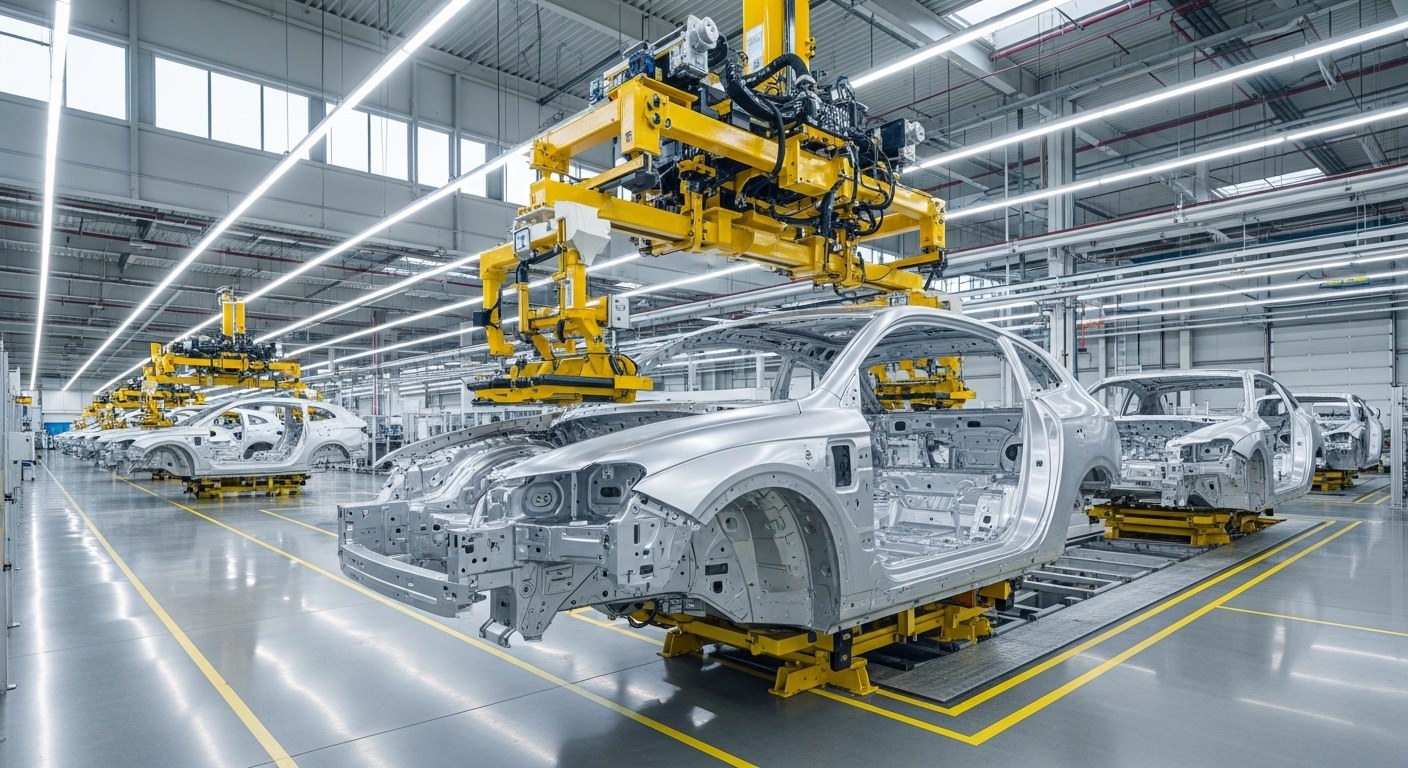
Fewer parts means fewer welds, fewer robots, fewer quality inspection points, and a smaller factory footprint. Estimates vary, but reducing 70-plus components to one can cut the labor and tooling involved in that section of the car substantially. It also reduces the number of suppliers a manufacturer needs to manage, which simplifies the supply chain — something the auto industry learned to value painfully during the chip shortages of the early 2020s.
Weight is another factor. A well-designed aluminum megacast can be lighter than the equivalent steel assembly, which matters for EV range. The structural geometry can also be optimized in ways that are difficult to achieve by welding flat stamped pieces together — ribs, curves, and hollow sections can be cast in directly.
The Repairability Problem Nobody Talks About Enough
Here is the counterintuitive part: megacasting makes cars cheaper to build and potentially more expensive to repair. When a rear underbody is 70 separate parts, a collision that damages one section might require replacing two or three of them. When the rear underbody is a single casting, even moderate rear-end damage can require replacing the entire piece — which is large, complex, and not cheap.
Insurance industry observers have raised this concern publicly. Some repair shops have noted that vehicles with megacast structures can be written off as total losses after collisions that would have been straightforward repairs on older designs. This is a real trade-off, not a theoretical one, and it is already showing up in repair cost data for affected models.
(Opinion: The repairability issue feels like the part of the megacasting story that gets glossed over in the breathless coverage of factory efficiency gains. Cheaper to build and harder to fix is a trade-off worth naming honestly, especially as these vehicles age out of warranty.)
Frequently Asked Questions
Is megacasting the same as regular aluminum casting?
The basic principle is the same — injecting molten aluminum into a die under pressure — but the scale and engineering complexity are categorically different. Standard automotive die casting produces small-to-medium components like brackets and housings. Megacasting produces structural components that span meters and bear significant crash loads, requiring specialized alloys, vacuum-assisted tooling, and machines with clamping forces that dwarf conventional equipment.
Does megacasting make electric vehicles safer or less safe in a crash?
Research suggests that a well-designed megacast structure can meet or exceed the crash safety standards required by regulators. The geometry of a cast part can be engineered to deform in controlled ways during a collision. That said, the design has to be right from the start — unlike a welded assembly where engineers can tune individual sections, a casting is a single design commitment. Independent crash test results for vehicles using megacast structures have generally been competitive with traditionally built vehicles.
Why do some people say megacasting could hurt independent repair shops?
This is a legitimate concern in the repair industry. Megacast structural components typically cannot be straightened or sectioned the way welded steel assemblies can — if the casting is damaged beyond a certain threshold, the entire piece must be replaced. Independent shops may lack the equipment or certified training to handle these replacements, pushing repairs toward dealer networks or specialist facilities. As more vehicles with these structures age into the used-car market, this tension is likely to grow.
The auto industry has been assembling cars from stamped steel pieces for over a century — the basic logic of the production line has not changed that fundamentally since Henry Ford. Megacasting is one of the first manufacturing approaches in decades that genuinely challenges that logic rather than just optimizing around it. Whether that turns out to be a clean win depends heavily on a question the industry has not fully answered yet: what happens when millions of these vehicles need serious collision repair, and the infrastructure to fix them cheaply does not exist.


Comments
Post a Comment