How Do Smart Rings and Watches Actually Track Your Sleep?
Your smart ring spent last night silently cataloging every twitch, breath, and heartbeat while you were completely unconscious. By morning, it handed you a tidy breakdown: 47 minutes of deep sleep, 1.8 hours of REM, two brief awakenings. But how does a small piece of metal and plastic on your finger actually know any of that?
What Sleep Tracking Devices Are Actually Measuring
The Three Signals That Do Most of the Work
Sleep trackers do not directly observe your brain. That distinction matters more than most product marketing lets on. What they actually measure are physical proxies — signals your body produces during sleep that correlate with different brain states. The three main ones are heart rate, movement, and blood oxygen saturation.
Heart rate variability (HRV) is arguably the most important of these. During deep sleep, your autonomic nervous system shifts heavily toward parasympathetic dominance, which produces a distinctive HRV pattern. During REM sleep, your heart rate becomes more irregular and slightly elevated compared to deep sleep. A device tracking beat-to-beat intervals can use these patterns to infer which stage you are in.
Movement data comes from an accelerometer — essentially a tiny chip that measures acceleration in three axes. When you roll over, shift your legs, or briefly wake up and adjust your pillow, the accelerometer catches it. Periods of near-zero movement combined with a low, stable heart rate are strong indicators of deep sleep.
Why Blood Oxygen Matters at Night
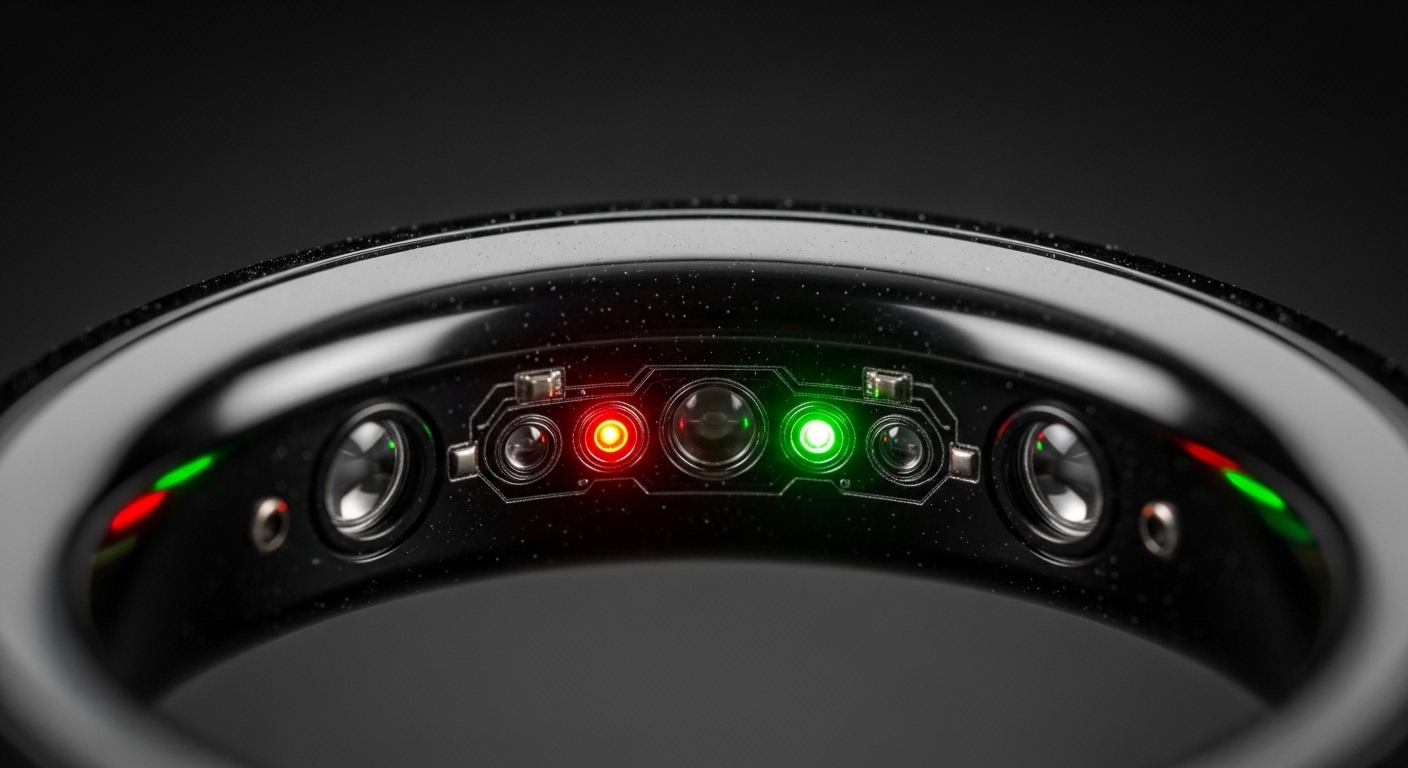
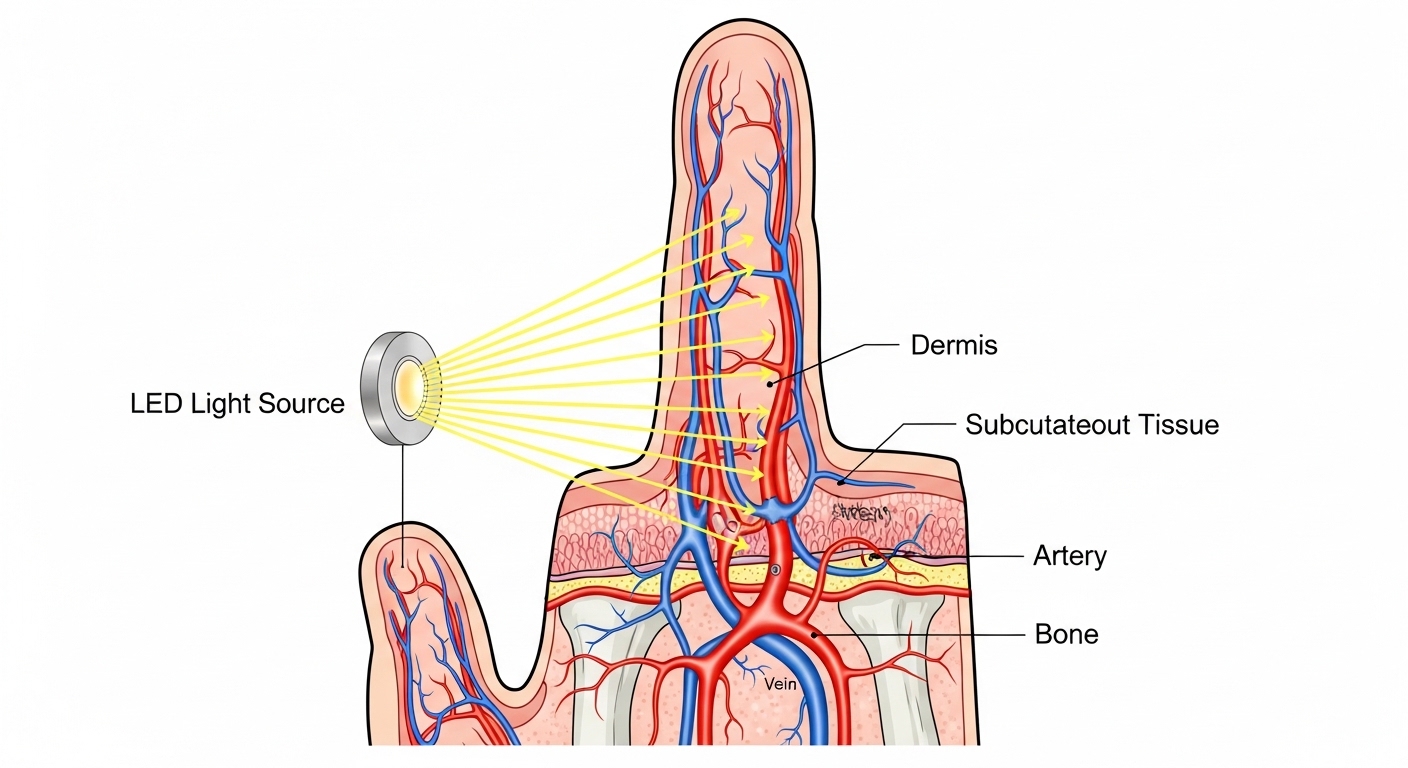
The third signal, blood oxygen saturation (SpO2), is measured using photoplethysmography — PPG for short. A small LED shines light through your skin, and a sensor measures how much light is absorbed by your blood. Oxygenated and deoxygenated hemoglobin absorb light differently, so the ratio tells the device your oxygen level. Dips in SpO2 during sleep can flag potential breathing disruptions, which is why this feature became a selling point when sleep apnea awareness grew.
How the Algorithm Turns Raw Data Into Sleep Stages
From Signal to Interpretation
Raw sensor data is just a stream of numbers. Turning that into 'you had 90 minutes of REM sleep' requires a classification algorithm, and this is where the real engineering challenge lives. Most devices use machine learning models trained on datasets where participants wore both the consumer device and a clinical polysomnography (PSG) setup simultaneously. PSG is the gold standard — it measures actual brainwave activity via EEG, eye movements, and muscle tone. The algorithm learns to map the wearable's signals to the PSG-confirmed sleep stages.
Sleep trackers do not read your brain — they read the body's side effects of what your brain is doing. That one-step removal is the source of both their usefulness and their limits.
The challenge is that the mapping is probabilistic, not deterministic. Two people can have nearly identical heart rate patterns during a given hour and be in completely different sleep stages. The algorithm makes a best guess based on population-level patterns, which works reasonably well on average but can be meaningfully wrong for any individual night.
Smart Rings vs. Watches: Does Form Factor Change Accuracy?
Smart rings like the Oura Ring sit on your finger, which turns out to be an unusually good location for PPG readings. Fingers have dense capillary networks close to the skin surface, and the ring's snug fit reduces motion artifacts — the noise introduced when the sensor shifts against your skin. Wrist-based devices have to contend with more movement and a less consistent fit, though modern optical sensors have narrowed that gap considerably.
That said, the wrist has one advantage: skin temperature sensors on watches tend to have better thermal contact than ring-based sensors, which matters because skin temperature is increasingly being used as a supplementary signal for sleep staging and circadian rhythm tracking.
Where Sleep Tracking Gets It Wrong — and Why
The Light Sleep Inflation Problem
Independent research comparing consumer wearables to clinical PSG has consistently found one recurring pattern: devices tend to overestimate light sleep and underestimate deep sleep. The reason is partly mathematical. Light sleep is the 'default' category — when the algorithm is uncertain, it often defaults to light sleep rather than committing to deep or REM. This means your tracker's deep sleep number is probably a floor estimate, not a precise count.
If your tracker says you got 45 minutes of deep sleep on a night you felt genuinely rested, the real number might be higher. The algorithm hedges toward light sleep when signals are ambiguous.
Alcohol is a particularly interesting edge case. A drink or two before bed suppresses REM sleep in the first half of the night — that part, trackers generally catch correctly. But the rebound REM that often occurs in the second half of the night, when your brain tries to compensate, is frequently misclassified. Anyone who has checked their sleep data after a couple of glasses of wine has probably seen the numbers look strange in ways that do not quite match how they felt.
The Orthosomnia Risk
There is a documented clinical phenomenon called orthosomnia — anxiety about sleep quality driven by sleep tracker data. Patients start optimizing for their tracker's numbers rather than how they actually feel, which can paradoxically worsen sleep. This is not a fringe concern; sleep researchers have written about it in peer-reviewed journals. The irony is sharp: a device designed to improve your sleep can become the thing keeping you awake.
(Opinion: Sleep tracking data is most useful as a long-term trend signal, not a nightly report card. Checking your deep sleep minutes every morning the way some people check stock prices is almost certainly counterproductive — and the devices are not precise enough to justify that level of scrutiny anyway.)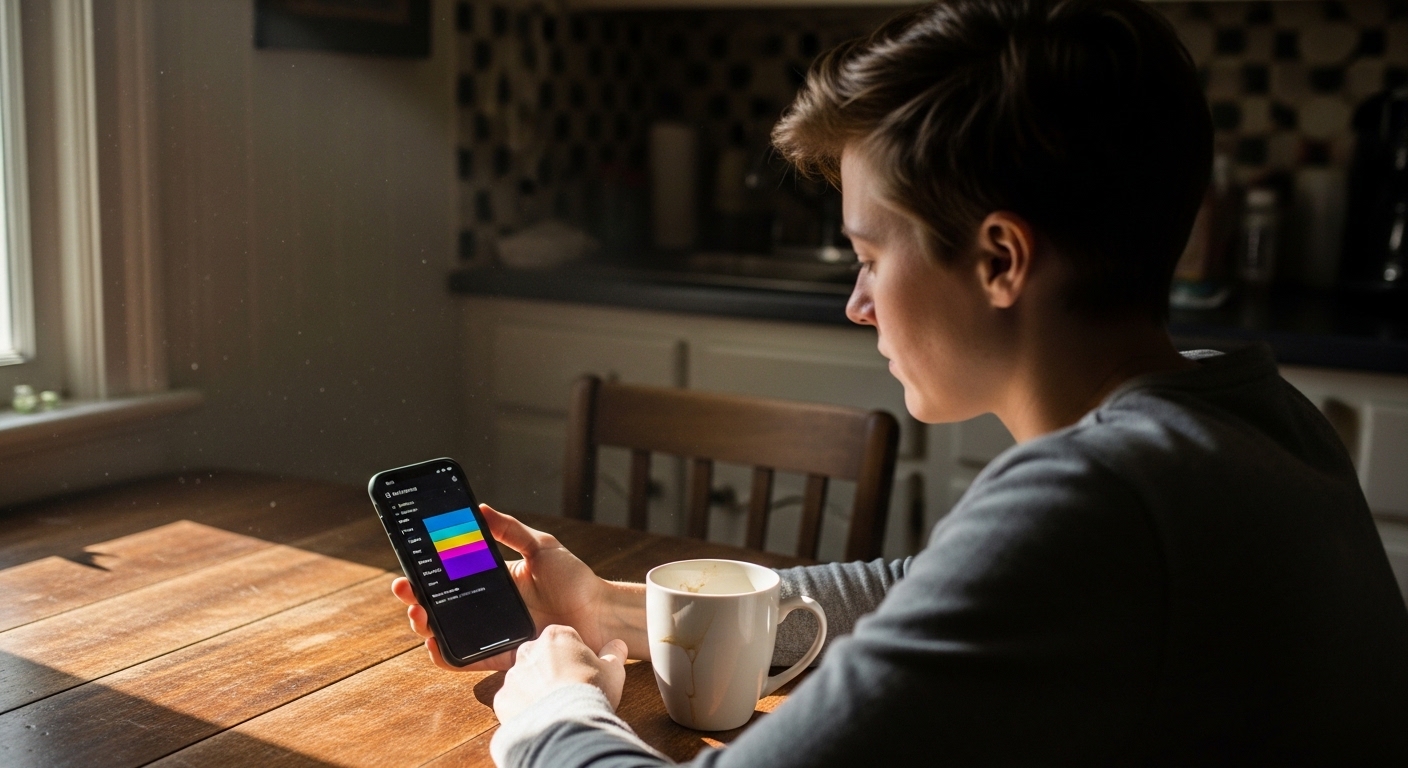
What Sleep Trackers Are Actually Good For
Patterns Over Time, Not Precision on Any Given Night
The strongest use case for consumer sleep tracking is spotting behavioral patterns across weeks or months. Does your sleep efficiency drop when you exercise late? Does a consistent bedtime actually improve your HRV? These are questions a tracker can answer with reasonable confidence because the noise in any individual night averages out over time.
One genuinely useful feature that has emerged in recent years is resting heart rate trending. A sudden unexplained elevation in overnight resting heart rate — say, five to eight beats above your personal baseline — is often an early indicator of illness, overtraining, or significant stress. Several athletes have reported catching early signs of infection this way before symptoms appeared. That is a real, practical signal that does not require the algorithm to perfectly classify your sleep stages.
The Surprising Accuracy of 'Sleep Onset' Detection
Here is something the marketing materials rarely highlight: sleep trackers are actually quite good at detecting when you fall asleep and when you wake up, even if the stage classification in between is imperfect. The transition from wakefulness to sleep involves a rapid drop in movement and a characteristic shift in heart rate that the algorithms catch reliably. Total sleep time estimates from consumer devices tend to be reasonably close to PSG measurements — it is the internal architecture of that sleep that gets murky.
Frequently Asked Questions
Can a smart ring or watch diagnose sleep apnea?
No consumer wearable is currently cleared as a diagnostic device for sleep apnea. They can flag patterns consistent with breathing disruptions — repeated SpO2 dips, elevated heart rate, fragmented sleep — and prompt you to seek a clinical evaluation. But an actual diagnosis requires a sleep study, either in a lab or with a prescribed home sleep test device. Think of the tracker as a reason to ask your doctor a question, not as an answer.
Does wearing a tracker on your non-dominant hand change the readings?
For wrist-based devices, yes — placement matters. Most manufacturers calibrate their algorithms assuming the watch is on the non-dominant wrist, where movement during sleep tends to be lower. Wearing it on your dominant wrist can introduce more motion artifacts, which may affect stage classification accuracy. Smart rings are less sensitive to this distinction since finger movement patterns are more symmetrical between hands.
Why does my tracker sometimes show REM sleep right after I fall asleep, which I thought was impossible?
Healthy sleep architecture typically delays REM until 60 to 90 minutes after sleep onset. When a tracker shows REM immediately, it is almost always a misclassification — the algorithm is interpreting the drowsy, hypnagogic transition period as REM because heart rate and movement patterns share some surface-level similarities. Genuine sleep-onset REM does exist, but it is associated with specific conditions like narcolepsy and would not be a routine occurrence.
The deeper you look at how these devices work, the more you appreciate what they have actually accomplished — and the more skeptical you become of the two-decimal-place precision on your morning report. A device that cannot see your brain is doing something genuinely impressive by inferring sleep structure from pulse and movement alone. But the gap between 'impressive approximation' and 'clinical measurement' is wide enough that millions of people are making decisions about their health based on numbers that carry more uncertainty than the clean app interface suggests. That uncertainty does not make the technology useless. It just means the most honest thing your tracker can tell you is not what happened last night — it is what has been happening over the last three months.


Comments
Post a Comment