What Is Hantavirus and How Does It Actually Spread? A Plain-English Explainer
Hantavirus sounds like something out of a thriller novel — a rare, mysterious illness with no cure and a frightening reputation. When news coverage spikes around clusters of cases or unusual transmission scenarios, search traffic explodes and so does the misinformation. The good news: hantavirus is genuinely rare, its transmission routes are well-understood, and for most people going about their daily lives, the realistic risk is very low. Here's what the science actually says, stripped of the sensationalism.

What It Actually Is 🦠
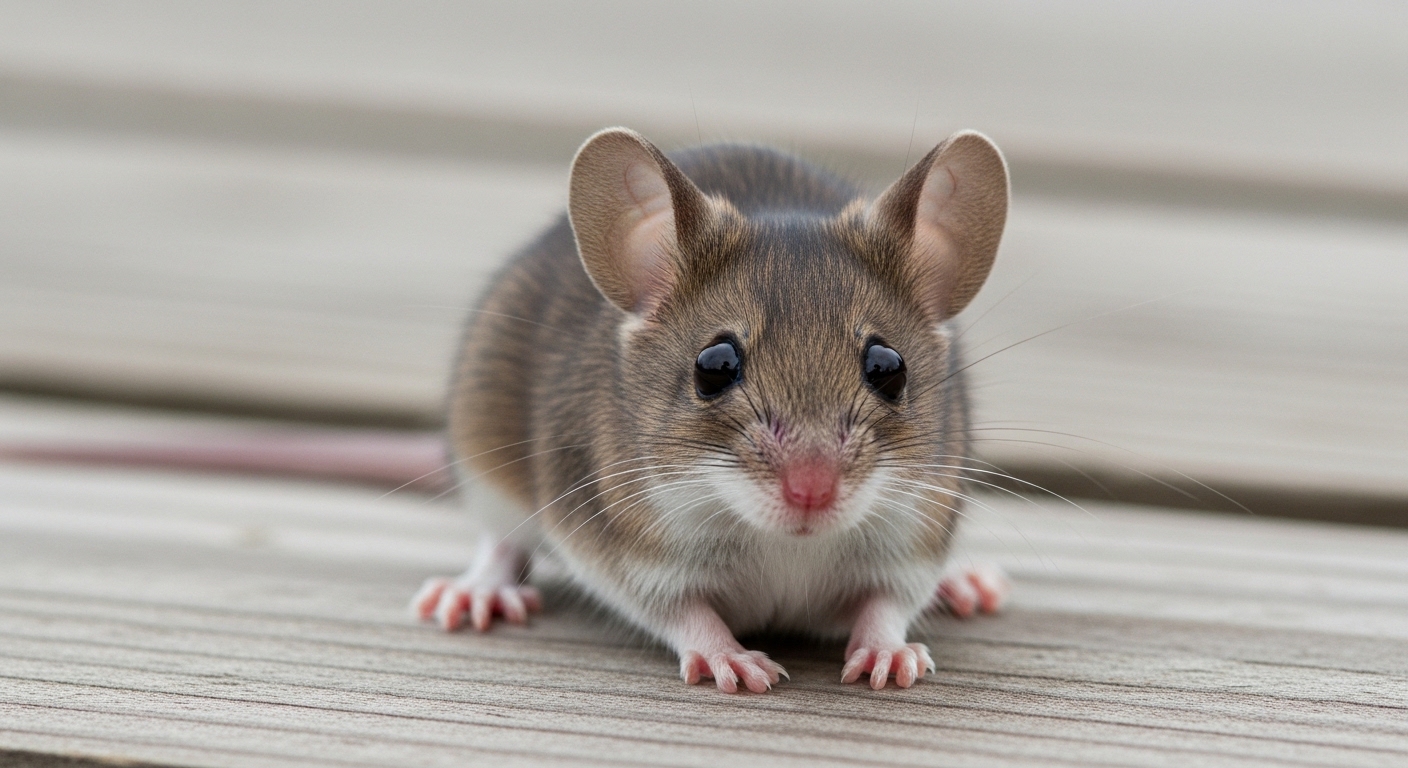
Hantavirus is a family of viruses carried by certain rodents — primarily wild mice and rats — around the world. Different regions have their own variants. In the Americas, the strain that gets the most attention is Sin Nombre virus, which causes Hantavirus Pulmonary Syndrome (HPS), a severe respiratory illness. In Europe and Asia, related strains cause a different condition called Hemorrhagic Fever with Renal Syndrome (HFRS), which primarily attacks the kidneys rather than the lungs.
The virus itself is not new. It was formally identified in the early 1990s after an outbreak in the Four Corners region of the southwestern United States, though the virus had almost certainly been circulating in rodent populations for far longer. The deer mouse (Peromyscus maniculatus) is the primary reservoir in North America — meaning the virus lives in these animals without making them sick, while remaining potentially dangerous to humans.
Here's the counterintuitive part that surprises most people: rodents carrying hantavirus show absolutely no signs of illness. A deer mouse infected with Sin Nombre virus looks, behaves, and moves exactly like a healthy one. There is no way to tell by looking at a rodent whether it carries the virus, which is part of what makes awareness of transmission routes so important.
How It Works — The Transmission Mechanism 🔬
This is where a lot of the fear comes from, and where clarity really matters. Hantavirus does not spread from person to person in North America — that point cannot be overstated. The North American strains (including Sin Nombre) have no documented history of human-to-human transmission. You cannot catch it from another sick person by being in the same room, shaking hands, or any other casual contact.
Transmission happens almost exclusively through contact with infected rodent material. The three main routes are:
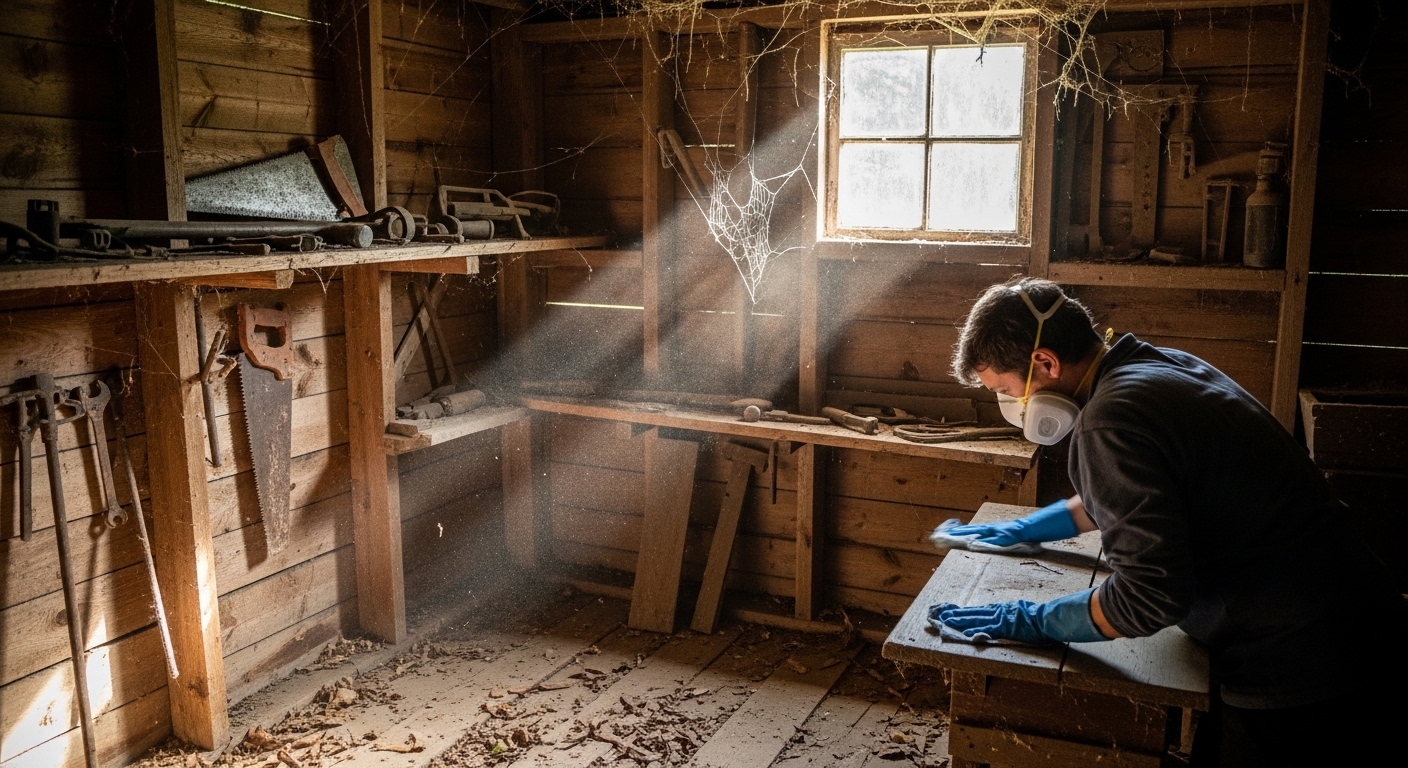
- Inhaling aerosolized particles: This is the most common route. When infected rodent droppings, urine, or nesting material dry out and are disturbed — say, by sweeping a dusty shed or opening a long-closed cabin — microscopic particles become airborne. Breathing those particles in is the primary way people get infected.
- Direct contact: Touching infected rodent droppings or urine and then touching your mouth, nose, or eyes can transmit the virus, though this route is less common than inhalation.
- Rodent bites: Being bitten by an infected rodent is a possible but relatively rare transmission route.
One important nuance: the virus does not survive long in the open environment. Sunlight, heat, and standard disinfectants break it down relatively quickly. This is why a mouse running across your kitchen floor is a very different risk scenario from disturbing a pile of old rodent nesting material in a sealed, dusty space.
A note on the South American strain Andes virus: this is the one exception to the person-to-person rule. Research suggests Andes virus, found in parts of South America, has shown limited evidence of human-to-human transmission in close-contact household settings. This distinction matters when evaluating news coverage that originates from South American cases.
Real-World Examples 🌎
The most well-documented hantavirus cluster in recent U.S. history occurred at Yosemite National Park in 2012. Visitors who had stayed in certain tent cabins in the Curry Village area were exposed to infected deer mice that had nested in the wall insulation. Several people became ill, and the event prompted a major public health response and notification effort for thousands of former guests. The key factor was a specific structural design that allowed rodents to nest inside the sleeping areas — not casual outdoor exposure in the park.
For a hypothetical scenario closer to current travel concerns: imagine a group of hikers spending several nights in backcountry huts in a rodent-endemic region of South America. If those huts had signs of active rodent infestation — droppings, gnaw marks, nesting material — and the hikers swept out the space without masks or ventilation, that would represent a genuine elevated-risk scenario. The setting matters far more than the geography alone.
In Europe, HFRS cases tied to bank voles and other rodents are reported regularly in Scandinavia, Germany, and parts of Eastern Europe, typically spiking in years when rodent populations boom. These cases rarely make international headlines but are a routine part of infectious disease surveillance in those regions.

Why It Matters to You — And What Your Real Risk Is 💡
For the vast majority of people — urban and suburban residents who rarely encounter wild rodent habitats — hantavirus is an extremely remote concern. The cases that do occur are heavily concentrated among people who spend time in or around rural structures with rodent activity: hikers using backcountry shelters, people opening up vacation cabins after winter, agricultural workers, and those doing construction or cleaning in rodent-infested spaces.
Symptoms of HPS typically appear one to five weeks after exposure and begin with fever, fatigue, and muscle aches — symptoms that look a lot like the flu. The dangerous phase, if it develops, involves fluid buildup in the lungs and can progress rapidly. Research suggests the case fatality rate for HPS in North America has historically been around 35–40%, which sounds alarming, but the absolute number of cases per year in the U.S. is small — typically in the dozens, not thousands. HFRS caused by Old World strains is generally less fatal but still serious.
(Opinion: The media coverage of hantavirus tends to oscillate between total silence and breathless alarm, which is exactly the wrong pattern. A calm, consistent public health message — know the transmission routes, take simple precautions in high-risk settings, seek care if you develop symptoms after potential exposure — would serve people far better than periodic panic cycles. The virus deserves respect, not hysteria.)
If you think you may have been exposed and develop flu-like symptoms, the right move is to contact a healthcare provider and mention the potential exposure. Early supportive care makes a real difference in outcomes. This post is not medical advice — it's a starting point for understanding what you're dealing with before that conversation.

Frequently Asked Questions
Can you catch hantavirus from another person?
In North America, no. The strains circulating in the U.S. and Canada have no documented history of spreading from person to person. The South American Andes virus is the one exception, with limited evidence of transmission in very close household contact situations. For travelers concerned about news coverage of South American cases, this distinction is worth keeping in mind.
Is hantavirus a risk on a cruise ship or in a hotel?
The risk in a standard cruise ship or hotel environment is extremely low. Hantavirus requires contact with wild rodent droppings, urine, or nesting material — conditions that are not typical of maintained commercial accommodations. Risk increases if shore excursions involve backcountry huts, rural cabins, or areas with visible rodent activity. The setting and specific activities matter far more than the destination country alone.
What should you do if you find rodent droppings in your home or cabin?
Do not sweep or vacuum dry droppings — that's the action most likely to aerosolize particles. Instead, ventilate the space for at least 30 minutes before entering, wear rubber gloves and an N95 respirator if available, wet the droppings thoroughly with a bleach-and-water solution, and then wipe them up with paper towels before disposing of everything in a sealed bag. Public health agencies including the CDC have detailed guidance on this process.
Hantavirus is one of those topics where a little accurate knowledge genuinely changes how you think about risk — and the picture that emerges from the science is far less terrifying than the headlines suggest. Know the real transmission routes, take sensible precautions in genuinely high-risk settings like dusty rural cabins or backcountry shelters, and trust that your everyday environment almost certainly poses no meaningful exposure risk. The virus is real and serious when encountered, but it is not lurking around every corner — and understanding that distinction is exactly what calm, evidence-based health literacy looks like in practice.



Comments
Post a Comment