How Do Game Subscription Services Like Game Pass and PS Plus Work?
A single game can cost $70 at launch in 2026 — yet millions of players are paying a fraction of that each month and accessing hundreds of titles. Game subscription services have quietly become one of the most disruptive business models in entertainment, reshaping how studios get paid, how players discover games, and what it even means to "own" something you play. The mechanics behind these services are more interesting than they first appear.

What Is a Game Subscription Service, Really?
The Basic Model Explained
At its core, a game subscription service works like a streaming library — you pay a recurring monthly or annual fee, and in return you get access to a rotating catalog of games. You don't own those games outright. If you stop paying, access disappears. Think of it as renting a very large video store, except the store is always open and fits in your console.
The two biggest players in 2026 remain Microsoft's Xbox Game Pass (now often marketed under the broader Xbox brand umbrella) and Sony's PlayStation Plus. Both offer tiered plans, meaning you pay more for a larger catalog or extra perks like cloud streaming. Nintendo also runs its own subscription layer through Nintendo Switch Online, though its catalog strategy differs significantly from the other two.
What separates these services from a simple rental is the sheer volume of content. Catalogs routinely include hundreds of titles across genres, and both Microsoft and Sony have added first-party games — titles made by their own studios — to their services on or near launch day. That last detail is the one that changed everything.
How Tiers and Pricing Work in Practice
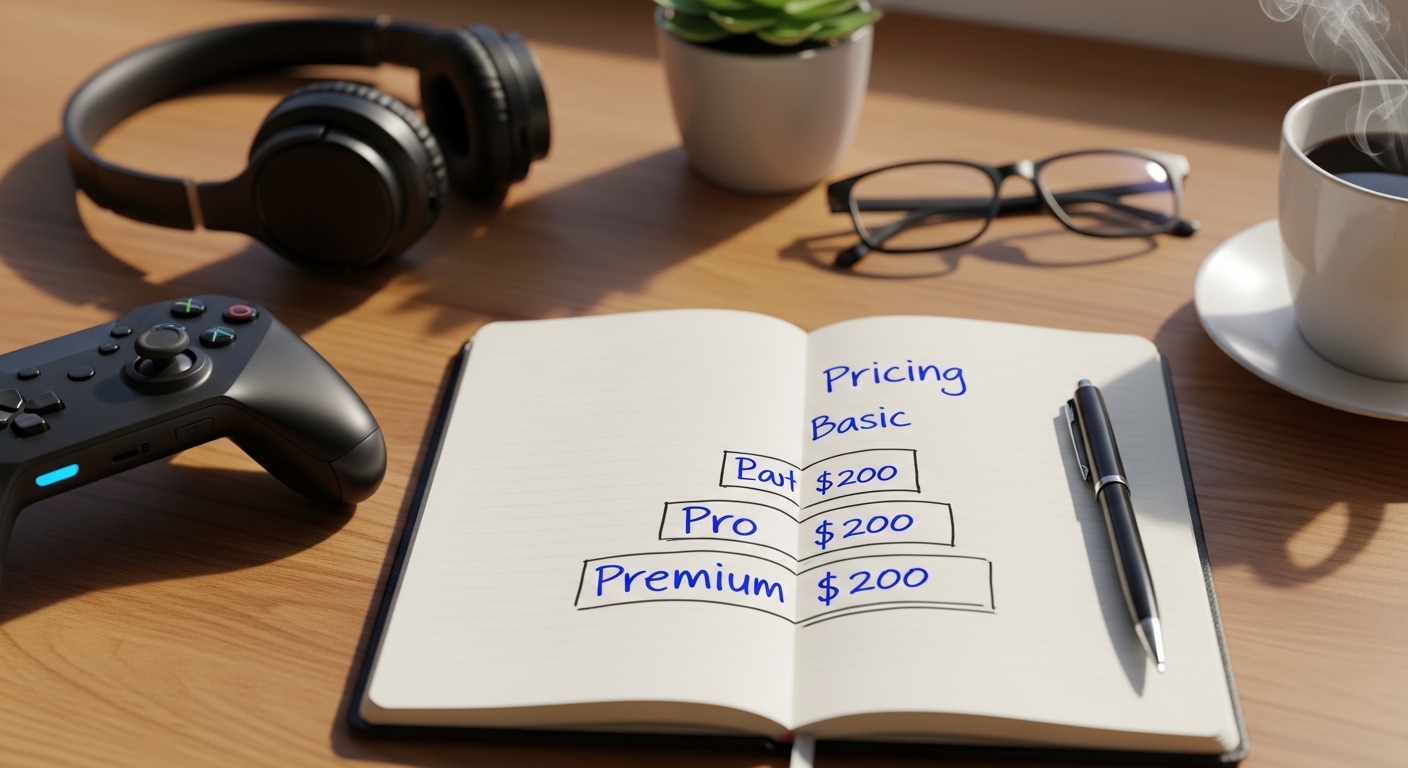
Both Game Pass and PS Plus use a tiered structure. A lower-cost entry tier typically covers online multiplayer access and a small monthly selection of games to keep. Higher tiers unlock the full on-demand library, cloud streaming, and in some cases early access to demos or exclusive discounts. The pricing gap between tiers can be significant — estimates suggest the premium tiers cost roughly two to three times the base tier in most markets.
For a concrete example: a player on the base PS Plus tier gets a handful of curated games each month to add to their library, while a player on the highest tier can browse and download from a catalog that includes PlayStation classics and day-one Sony releases. The difference in perceived value is enormous, which is exactly why Sony and Microsoft designed it that way — to push subscribers up the ladder.
How the Money Actually Flows Between Publishers and Platforms
The Licensing Deal Behind Every Game in the Catalog
Here is where it gets genuinely surprising: the platform — Microsoft or Sony — does not simply flip a switch and add a game to the catalog. They negotiate individual licensing deals with each publisher or developer. The terms of those deals are almost never made public, but the general structure involves either a flat upfront payment, a revenue share based on hours played, or a combination of both.
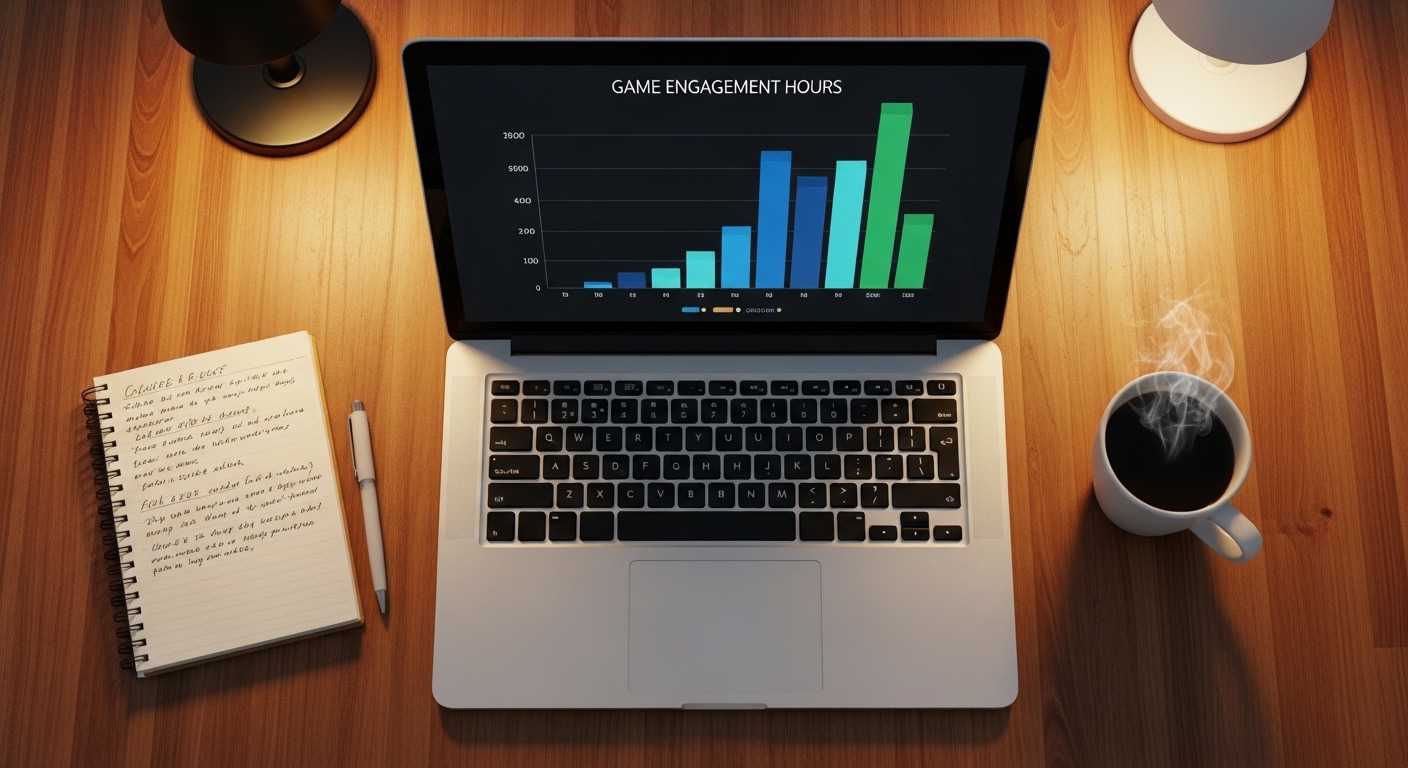
The hours-played model is particularly interesting. If a game sits in a catalog but nobody touches it, the developer earns very little. If it becomes a breakout hit that subscribers binge for hundreds of hours, the developer earns considerably more. This creates a strange new incentive: studios now care deeply about engagement metrics, not just download numbers. A game that hooks players for 40 hours is worth far more in this model than one people download, play for 20 minutes, and abandon.
In a subscription model, a game's financial success is measured in hours played — not copies sold. That single shift changes how developers design their games from the ground up.
First-Party Games Change the Equation Entirely
When Microsoft began adding its own first-party titles — games made by studios it owns, like those under the Bethesda or Activision Blizzard umbrellas — to Game Pass on day one, it created a fundamental tension. A player who would have paid $70 for a new release can now access it through a $15-per-month subscription. On paper, that looks like lost revenue.
Microsoft's argument, backed by its own internal data it has referenced publicly, is that subscription access expands the audience dramatically. Players who would never have bought a game at full price try it through the subscription, some become fans, and the franchise grows. Whether that math holds long-term is still being tested — but it has clearly pressured Sony to accelerate its own first-party additions to PS Plus.
How Cloud Streaming Fits Into the Subscription Picture
Playing Without Downloading — How It Works
Both Game Pass and PS Plus premium tiers now include cloud streaming options, which let subscribers play games without downloading them to a local device. The game runs on a server in a data center; your controller inputs travel to that server, and the video feed streams back to your screen. The entire experience depends on your internet connection speed and latency.
Cloud streaming matters for the business model because it removes the hardware barrier. A subscriber can theoretically play a high-end console game on a low-powered laptop or even a phone. For the platforms, this is enormously valuable — it expands the potential subscriber base beyond people who own the latest console. For players in regions where consoles are expensive relative to local incomes, cloud access can be the only practical entry point.
The counterintuitive catch: cloud streaming is not free to operate. Server infrastructure is expensive, and the cost scales with usage. Platforms are essentially betting that subscription revenue will outpace infrastructure costs as they grow — a bet that has not yet been definitively won or lost by any major player.
The Latency Problem That Still Limits Cloud Gaming
Research into human perception suggests that input lag above roughly 100 milliseconds becomes noticeable in fast-paced games. Cloud streaming over a typical home broadband connection can hover close to or above that threshold depending on geographic distance from the nearest server. For slower-paced games — strategy titles, role-playing games, narrative adventures — cloud streaming works well. For competitive shooters or fighting games, many players still prefer local hardware.
Why Game Subscription Services Are Reshaping the Entire Industry
What This Means for Smaller Developers
For independent studios, landing a deal to have a game included in Game Pass or PS Plus can be transformative. An indie game that might sell a few thousand copies at $20 can suddenly reach millions of subscribers who try it at no additional cost. Some developers have reported that catalog inclusion led to a surge in merchandise sales, sequel interest, and community growth that far exceeded what direct sales alone would have generated.
The risk, though, is real. If the upfront licensing payment is too low and the hours-played revenue share does not materialize, a developer can end up worse off than if they had sold the game traditionally. Negotiating leverage matters enormously, and small studios have very little of it when sitting across the table from Microsoft or Sony.
Subscription inclusion can turn an unknown indie game into a cultural moment overnight — but a bad licensing deal can also mean the developer earns less than they would have from a few thousand direct sales.
The Subscriber Churn Problem Platforms Are Racing to Solve
Churn — the rate at which subscribers cancel — is the silent enemy of every subscription business. Game services face a specific version of this problem: a player might subscribe for one month to play a single anticipated release, then cancel immediately after. Platforms counter this with staggered release schedules, exclusive content, and loyalty perks designed to make canceling feel like a loss.
Sony, for instance, has leaned into offering exclusive early access and in-game bonuses for PS Plus subscribers on major titles. Microsoft has experimented with bundling Game Pass with its Xbox hardware at discounted rates. Both strategies are designed to make the subscription feel embedded in the player's life rather than optional.
(Opinion: The subscriber churn problem reveals something honest about the subscription model — it only works if the platform keeps delivering genuine value every single month. The moment a catalog stagnates or a major exclusive skips the service, subscribers notice immediately. That pressure is actually good for players, even if it creates headaches for platform executives.)
Frequently Asked Questions
Do you keep the games if you cancel your subscription?
Generally, no. Games accessed through the subscription catalog become unplayable once you cancel. The exception is any game explicitly offered as a "monthly free game" that you claimed to your permanent library — those typically remain yours even after cancellation, as long as you claimed them while subscribed.
Is it cheaper to subscribe than to buy games outright?
For players who finish multiple games per month, subscriptions usually offer better value than buying each title at full price. For players who focus on one or two games for months at a time — especially games not in the catalog, like many live-service titles — buying outright may be more economical. The math depends entirely on your playing habits.
Can developers pull their games from a subscription service?
Yes. Licensing deals have expiration dates, and when a deal ends, the game can be removed from the catalog. Both Game Pass and PS Plus regularly rotate titles in and out. Platforms typically give subscribers advance notice — usually a few weeks — before a game leaves, so players can finish or purchase it at a discount before it disappears.
Game subscription services are not simply a cheaper way to play — they are a fundamental restructuring of the relationship between players, developers, and platforms. The model rewards engagement over ownership, favors studios that can hold attention over those that deliver a single great moment, and puts enormous power in the hands of the two or three platforms that control the catalogs. Understanding how the money flows and who benefits most is the first step to being a smarter consumer in this new landscape.



Comments
Post a Comment