The Different Types of Brain Waves and What They Do
Your brain never goes quiet. Even during the deepest sleep, roughly 86 billion neurons are firing in coordinated rhythms — electrical patterns so consistent that scientists can classify them into distinct categories. These patterns, called brain waves, shift depending on what you're doing, how alert you are, and even what you're feeling. Understanding them isn't just neuroscience trivia; it's a window into why you think, sleep, focus, and dream the way you do.
What Are Brain Waves? A Plain-Language Definition
The Electrical Heartbeat of Your Brain
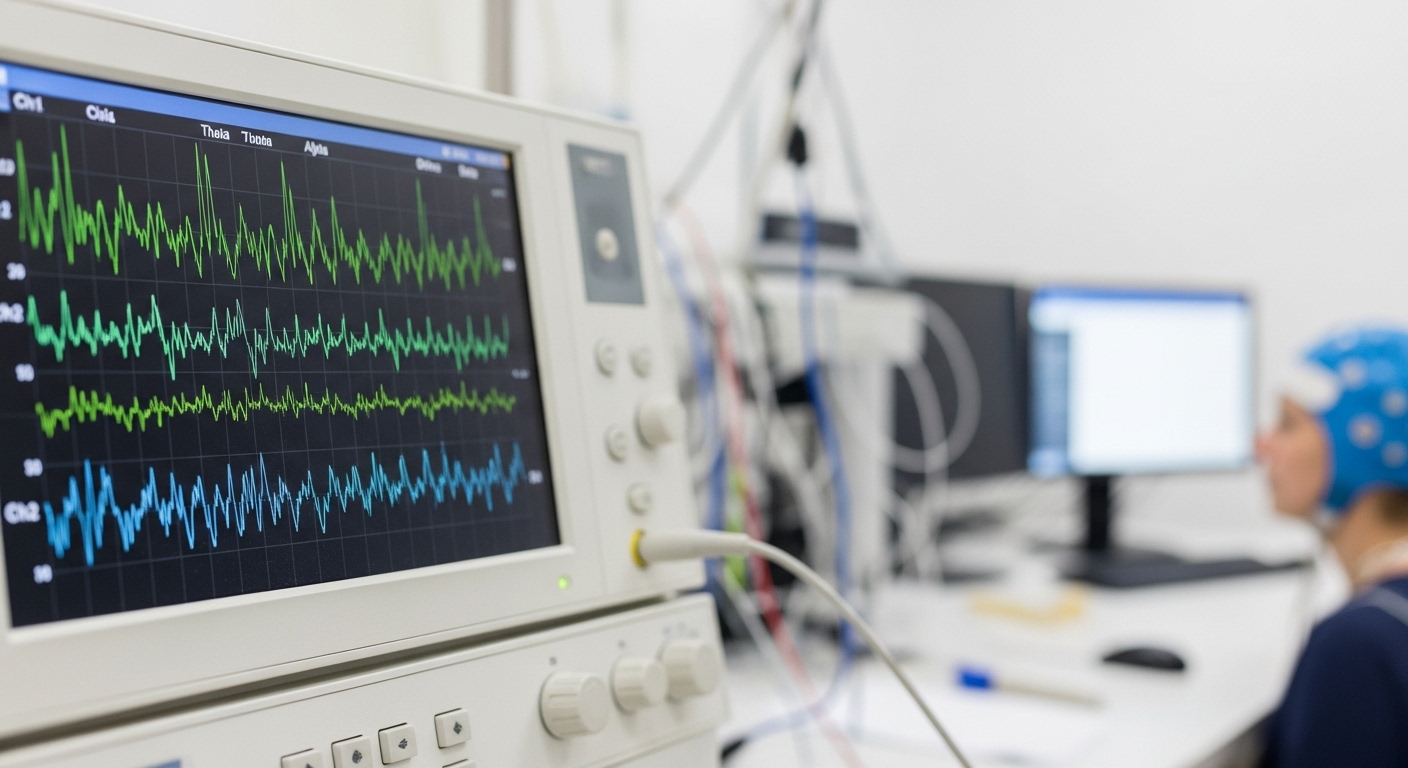
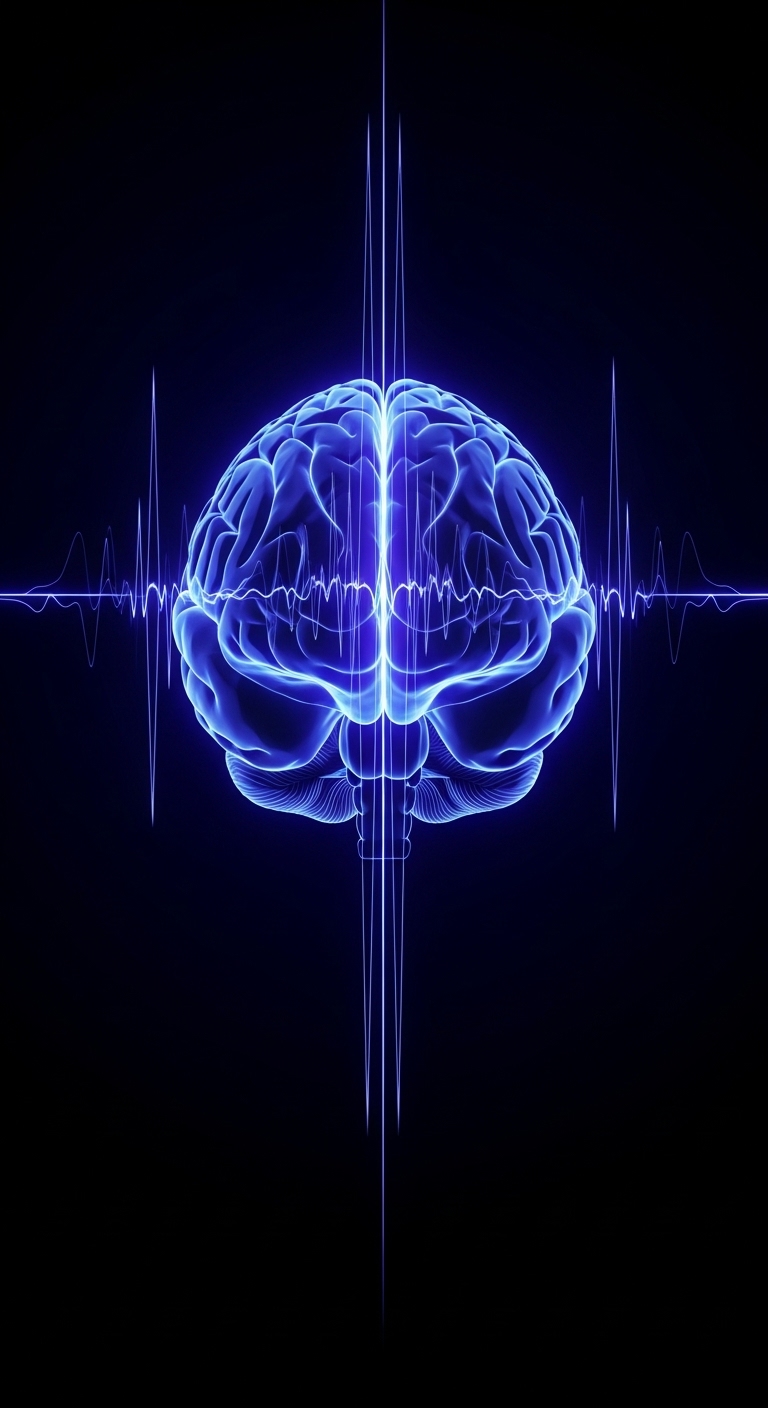
Brain waves are rhythmic fluctuations of electrical activity produced when large groups of neurons fire together in synchronized bursts. They're measured in hertz (Hz) — cycles per second — using a tool called an electroencephalogram, or EEG. The EEG picks up these signals through electrodes placed on the scalp, translating the brain's electrical chatter into wavy lines on a screen.
The concept of measuring brain waves dates back to the early 20th century, when German psychiatrist Hans Berger first recorded human brain electrical activity in the 1920s. He identified the first known brain wave type — what we now call alpha waves — and his work launched an entire field of neuroscience. The counterintuitive part? The signals he was measuring were so faint that many of his contemporaries refused to believe the readings were real.
Different wave types don't represent different parts of the brain working in isolation. Instead, they reflect the overall state of communication happening across neural networks at any given moment. Think of it less like individual instruments and more like the tempo of an orchestra — the same musicians, but playing at very different speeds depending on the piece.
How the Five Main Brain Wave Types Work
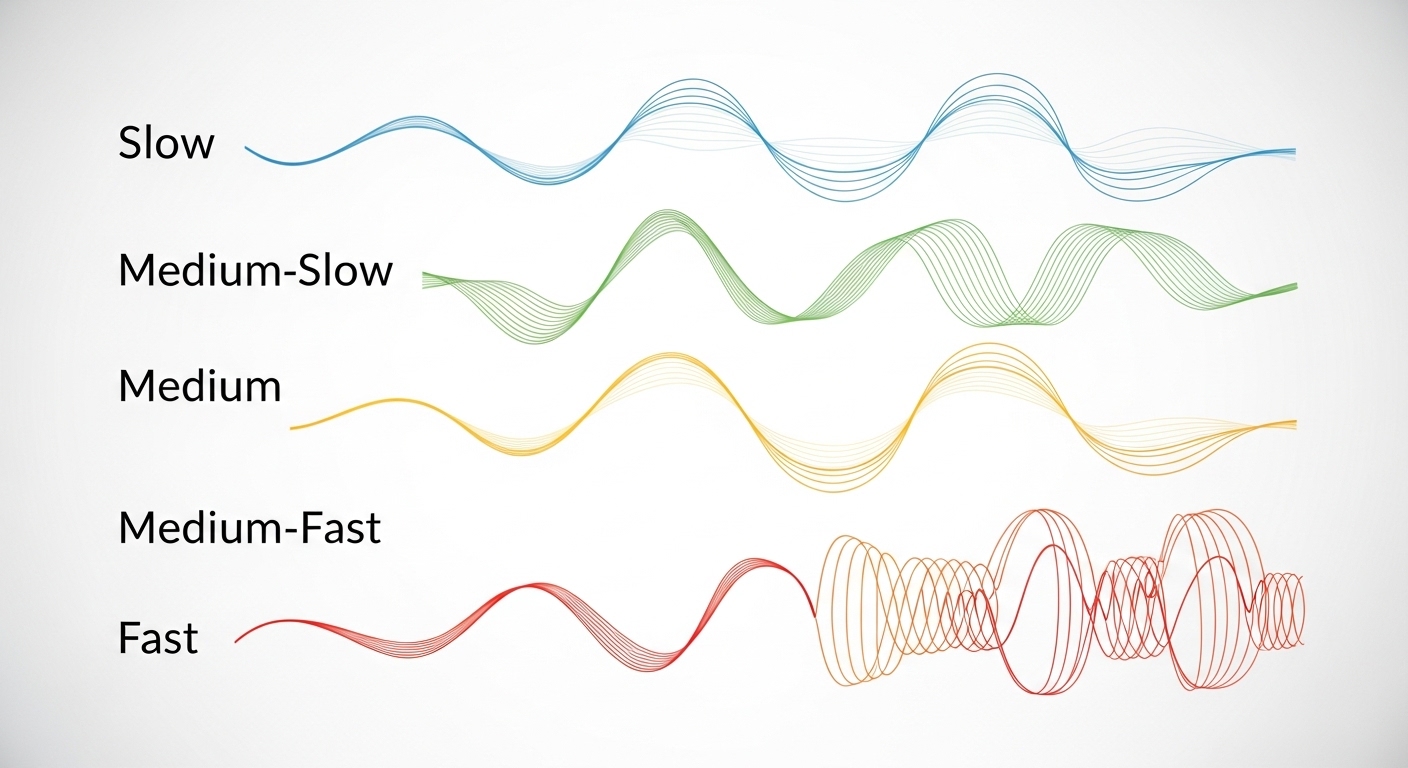
Delta Waves: The Deepest Sleep Signal (0.5–4 Hz)
Delta waves are the slowest brain waves, and they dominate during deep, dreamless sleep — the kind of sleep that leaves you feeling genuinely restored. Research suggests that delta activity is closely tied to physical repair processes, immune function, and memory consolidation. When you wake up after a truly deep night's sleep and feel like a different person, delta waves deserve some of the credit.
Interestingly, delta waves are also prominent in infants, whose brains spend far more time in deep sleep states than adult brains do. In adults, the proportion of delta sleep tends to decrease with age, which is one reason older adults often report feeling less rested even after a full night in bed.
Theta Waves: The Creative Edge (4–8 Hz)
Theta waves occupy the drowsy, half-awake zone — the mental state you're in just before falling asleep or just after waking up. They're also associated with deep meditation, creative insight, and the kind of free-associative thinking that produces unexpected ideas. Many people report their best creative breakthroughs happening in the shower or during a long drive, and theta activity is likely a big reason why.
Research also links theta waves to memory encoding in the hippocampus, the brain region central to forming new long-term memories. Some neuroscientists believe theta rhythms act as a kind of timing signal that helps the brain decide which experiences are worth storing.
Alpha Waves: The Calm Focus State (8–12 Hz)
Alpha waves are what Hans Berger first discovered, and they represent a relaxed but alert mental state — eyes closed, mind quiet, body at rest. When you close your eyes and take a slow breath, alpha activity typically surges within seconds. This is the brain's default "idle" mode, the state between active thinking and drowsiness.
Alpha waves are strongly associated with reduced anxiety and a sense of calm focus. Practices like meditation, yoga, and even light exercise tend to boost alpha activity. Some research suggests that people who generate more alpha waves at rest tend to experience lower levels of chronic stress, though the relationship is complex and still being studied.
Beta Waves: The Workhorse of Waking Life (12–30 Hz)
Beta waves are the dominant rhythm of your waking, thinking, problem-solving brain. Any time you're actively concentrating, having a conversation, making a decision, or feeling anxious, beta activity is running high. They're fast, they're intense, and they're the price of being mentally engaged with the world.
The catch is that sustained high-beta activity is also associated with stress and anxiety. When the brain stays locked in high-beta for too long without relief — think of a relentless deadline or a heated argument — it contributes to mental fatigue. This is one reason why even brief breaks that shift the brain toward alpha or theta states can feel so restorative.
Gamma Waves: The Binding Frequency (30–100 Hz)
Gamma waves are the fastest and least understood of the main wave types. They appear during moments of intense cognitive processing, peak concentration, and — most fascinatingly — during sudden flashes of insight. Some researchers describe gamma as the brain's "binding" frequency, the rhythm that briefly synchronizes activity across distant brain regions so that separate streams of information snap together into a unified perception or idea.
Gamma waves may be the neural signature of the "aha" moment — the brief burst of synchronized high-frequency activity that occurs just as scattered information clicks into a coherent insight.
Experienced meditators, particularly those with decades of practice in traditions like Tibetan Buddhism, have been documented producing unusually high levels of gamma activity during meditation. This finding, which emerged from studies involving long-term practitioners, surprised researchers who expected deep meditation to produce only slow waves.
Where Brain Waves Show Up in Everyday Life
Sleep Cycles Are a Brain Wave Journey
A single night of sleep is essentially a tour through multiple brain wave states. You begin in light sleep with alpha and theta activity, descend into slow-wave delta sleep, then cycle back up toward lighter stages where REM (rapid eye movement) sleep occurs. During REM — the phase most associated with vivid dreaming — brain wave patterns actually resemble waking beta and gamma activity more than they resemble deep sleep. Your brain, in other words, is nearly as active during a dream as it is during a conversation.
This cycling pattern repeats roughly every 90 minutes across a full night. The proportion of deep delta sleep is highest in the first half of the night, while REM periods grow longer toward morning. Disrupting sleep in the early hours cuts into delta recovery; disrupting it in the later hours cuts into dreaming and the cognitive benefits that come with it.
Meditation and Neurofeedback: Deliberately Shifting Your Brain State
One of the most practically interesting applications of brain wave science is neurofeedback — a technique where people learn to consciously shift their own brain wave patterns by watching real-time EEG data. Clinicians have used neurofeedback to help people with attention difficulties, anxiety, and sleep disorders, with varying degrees of success documented in the research literature.
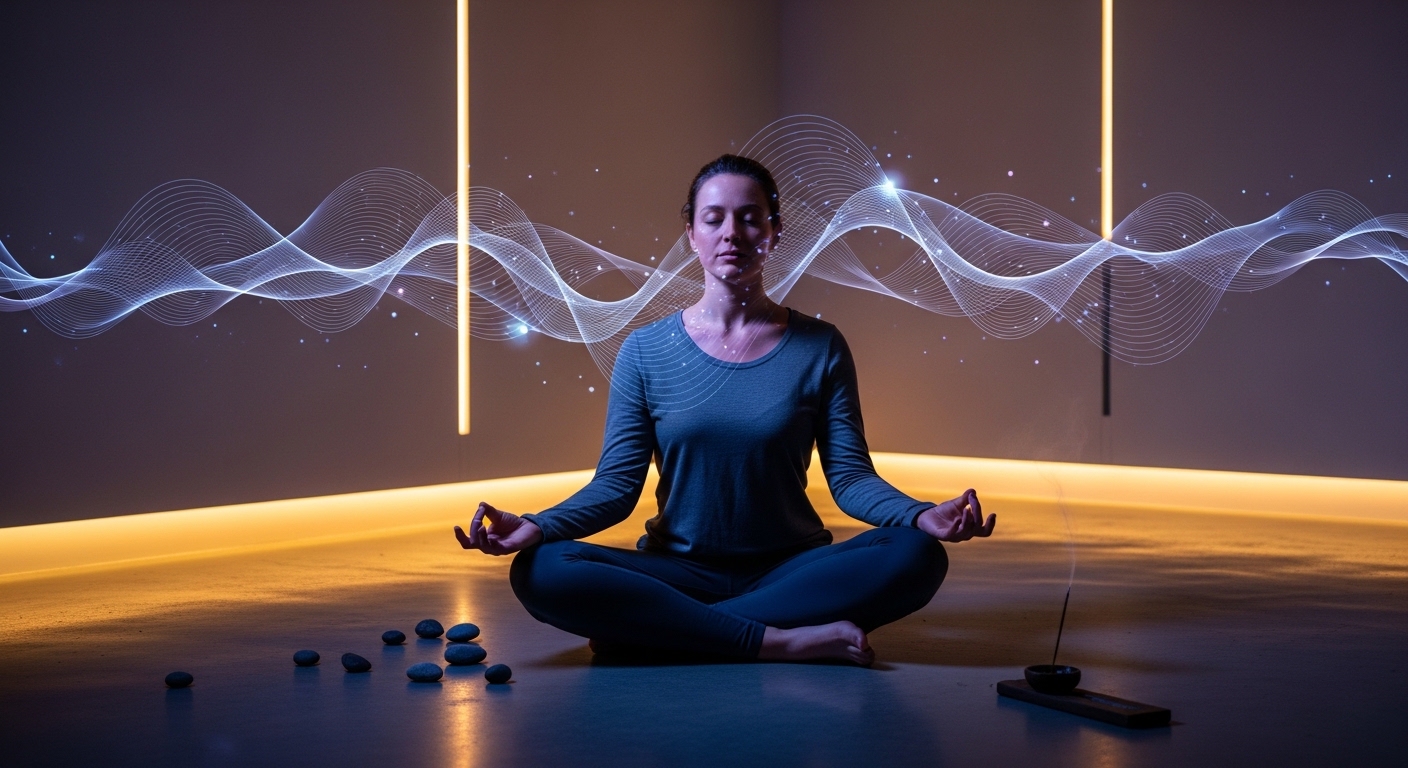
Meditation works on a similar principle, just without the hardware. Consistent mindfulness practice has been shown in multiple studies to increase alpha and theta activity during rest, and to reduce the high-beta patterns associated with rumination and stress. The brain, it turns out, is far more trainable than most people assume.
Neurofeedback treats the brain like a muscle — show it its own activity in real time, and it can learn to shift toward healthier patterns, sometimes in ways that persist long after the sessions end.
Why Brain Wave Research Still Has Major Gaps
The Limits of Scalp-Level Measurement
Standard EEG measures electrical activity from the scalp, which means the signals have already passed through the skull and several layers of tissue before they're recorded. This introduces noise and limits spatial precision — EEG can tell you roughly when something is happening in the brain with excellent time resolution, but it's less reliable at telling you exactly where. Techniques like fMRI offer better spatial detail but can't match EEG's ability to track rapid changes in real time.
This is why brain wave research, despite being over a century old, still generates genuine scientific debate. The five-category system (delta, theta, alpha, beta, gamma) is a useful simplification, but the brain doesn't actually operate in neat, separated frequency bands. Waves overlap, interact, and modulate each other in ways that researchers are still working to fully map.
What Emerging Research Is Revealing in 2026
Current research is increasingly focused on how different wave types interact — particularly how slow waves like theta can "nest" faster waves like gamma inside them, a phenomenon called cross-frequency coupling. This kind of interaction is thought to be important for memory formation and complex cognition. Think of it as the brain using slow rhythms as a frame and fast rhythms as the detail work inside that frame.
There's also growing interest in how disruptions to normal brain wave patterns relate to conditions like Alzheimer's disease, depression, and epilepsy. Some research groups are exploring whether restoring specific wave patterns — using light flicker, sound, or direct stimulation — could have therapeutic effects. The results so far are intriguing but still preliminary.
(Opinion: The five-wave framework taught in most neuroscience courses is genuinely useful, but it risks making the brain sound more modular and tidy than it actually is. The most honest thing you can say about brain waves in 2026 is that we understand them well enough to find them fascinating and not yet well enough to fully exploit that knowledge — which, honestly, is the most exciting place for a science to be.)
Frequently Asked Questions
Can you control your own brain waves?
To a limited degree, yes. Practices like meditation, controlled breathing, and neurofeedback training have all been shown to shift brain wave activity in measurable ways. You can't dial in a specific frequency like a radio, but you can reliably nudge your brain toward calmer or more alert states through deliberate practice. The effects tend to be more pronounced and lasting with consistent, long-term effort.
Are some brain wave types better than others?
No single type is universally better — each serves a purpose depending on context. Delta is essential for physical recovery during sleep. Beta keeps you sharp during complex tasks. Alpha supports calm focus. The brain naturally cycles through all of them, and problems tend to arise when one pattern dominates for too long or when normal transitions between states break down. Balance across states, not maximizing any one type, is what healthy brain function looks like.
What happens to brain waves during anesthesia?
General anesthesia dramatically alters brain wave patterns, typically pushing activity toward very slow, high-amplitude waves that look superficially similar to deep sleep but are actually quite different in structure. Research suggests the brain under anesthesia is not simply "turned off" but is instead in a disrupted state where normal communication between brain regions breaks down. This is an active area of research, partly because understanding anesthesia's effects on brain waves may help improve monitoring of consciousness during surgery.
Brain waves are one of those topics where the more you learn, the more you realize how much is still unknown — and that's not a weakness of the science, it's a sign of how genuinely complex the brain is. What's already clear is that these rhythms aren't background noise. They're the operating system running underneath every thought, memory, and dream you've ever had. The next time you catch yourself in that drowsy, idea-rich state just before sleep, you're experiencing theta waves doing exactly what they're built to do.


Comments
Post a Comment