Day One Patches Explained: Why Your New Game Needs an Immediate Update
You tear open the packaging, slide the disc into your console, and before you've even seen the title screen, a progress bar appears: "Update required. Downloading 15 GB." That moment — equal parts annoying and baffling — is the day one patch, and it has quietly become one of the most defining rituals of modern gaming.

What Is a Day One Patch, Exactly?
The Basic Definition
A day one patch is a mandatory or strongly recommended software update released on or around a game's official launch date. It's designed to be downloaded and installed before — or immediately after — the player first runs the game. The patch modifies the version of the game that was physically pressed onto discs or locked into digital storefronts weeks or months earlier.
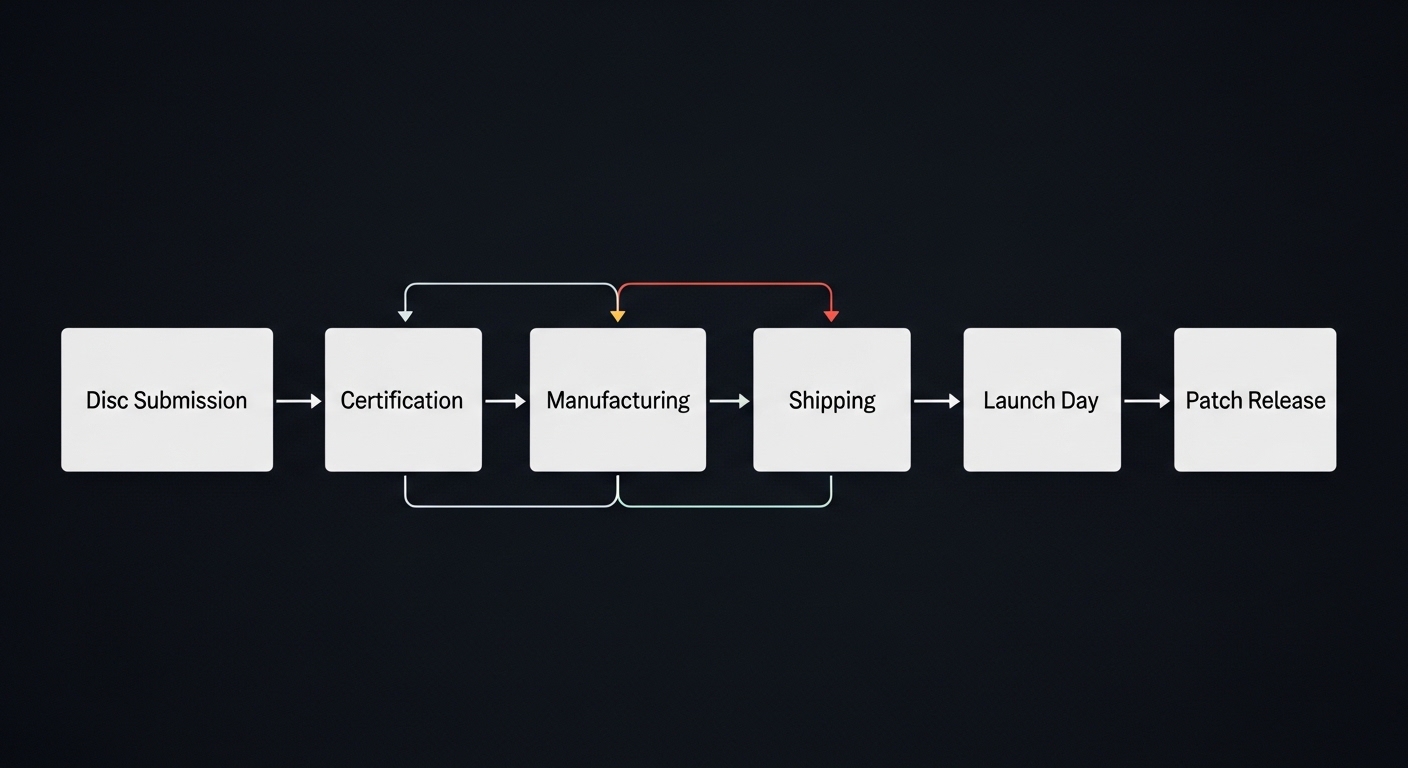
That gap is the key. Game discs have to be manufactured, shipped, and stocked on shelves. That process takes time — often six to twelve weeks before launch. Whatever code was finalized for disc production is essentially frozen. Anything discovered after that point can only be fixed through a patch delivered over the internet.
Digital copies face a slightly different version of the same problem. Storefronts like PlayStation Network or the Xbox store require submissions and certification checks well before launch day, so even a digital purchase can ship with an older build that needs updating.
What's Actually Inside the Patch?
The contents vary wildly by game and studio. A small patch might fix a handful of crashes or a save-corrupting bug found during final certification testing. A large one — and some have exceeded 50 GB — can contain entire gameplay systems, additional story content, or performance optimizations that weren't ready when the disc build was locked.
Some patches also include day-one DLC unlocks, multiplayer server configurations, and anti-cheat system updates. The patch isn't always just a bug fix; sometimes it's a substantial portion of the finished product.

Why Does the Disc Build Get Locked So Early?
The Manufacturing Pipeline Nobody Talks About
Physical media manufacturing is a logistics chain, not a digital flip of a switch. A publisher submitting a game for disc production has to account for pressing time at the factory, quality control checks, packaging, regional distribution to warehouses, and final delivery to retail stores. Miss any window in that chain and you miss your street date.
Console manufacturers also require a certification process — sometimes called "lotcheck" — where the platform holder reviews the submission for technical compliance, stability, and content rating accuracy. This process can take several weeks. The build submitted for certification is the build that goes on the disc.
Here's the counterintuitive part: even if a studio finishes a critical bug fix the day after submitting for certification, that fix cannot go on the disc. It has to wait for launch day and ship as a patch instead. The manufacturing timeline essentially creates a hard deadline that exists independently of the game's actual readiness.
The disc build isn't the finished game — it's a snapshot of the game at the moment the factory needed it. Everything after that point ships as a patch.
The Crunch Factor
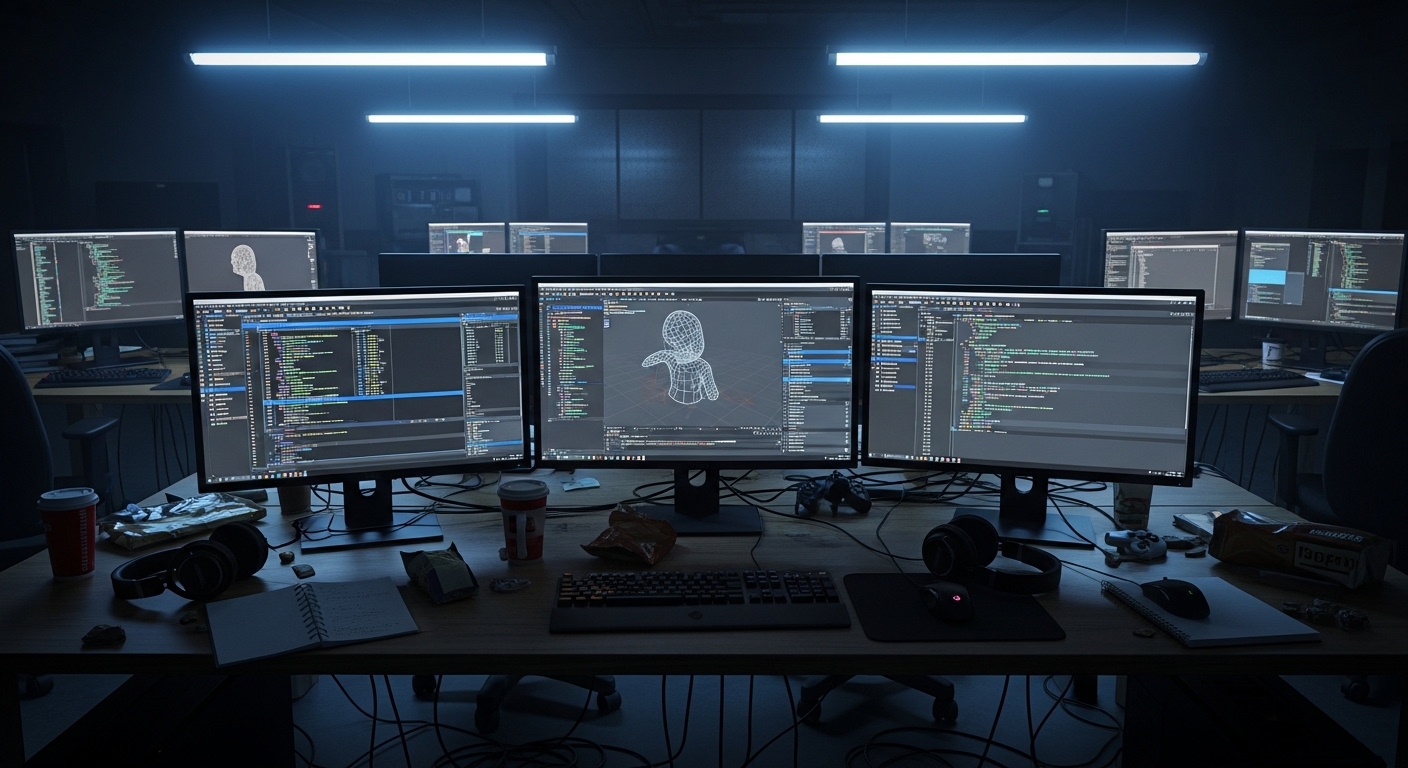
Game development rarely proceeds in a straight line. Teams often continue working on features and fixes right up to — and past — the disc submission date. This isn't always negligence; some bugs only surface under the load of large-scale testing or when specific hardware configurations are tested late in development. Day one patches are partly a symptom of how compressed modern game development schedules can be.
How the Patch Process Actually Works Behind the Scenes
From Build to Download
Once a studio identifies what needs to change after the disc build is locked, engineers create a delta — essentially a diff file that captures only the differences between the disc version and the updated version. On modern consoles, the platform's update system handles downloading and applying this delta automatically. The player usually just sees a file size and a progress bar.
Platform holders have strict rules about patch submission too. A day one patch still has to pass a (faster) certification check before it goes live. Studios often submit patches weeks before launch, timing the release to coincide with when servers go live on launch day. If you've ever noticed a game update appearing at midnight exactly when a title unlocks, that's not an accident — it's carefully coordinated.
A Real Example Worth Knowing
The launch of Cyberpunk 2077 in late 2020 became a widely documented case study in day one patch complexity. The game shipped with a day one patch that was itself over 40 GB, and even after applying it, the console versions had significant performance problems. It illustrated something important: a large patch doesn't automatically mean a polished result. The patch can only fix what the team had time to address before the update itself had to be finalized.
A 40 GB day one patch is not a sign of a finished game — it's a sign of how much distance opened up between the disc build and launch day.
Why Day One Patches Keep Getting Bigger
The Scope of Modern Games
Games have grown dramatically in scale. Open-world titles with hundreds of hours of content, photorealistic rendering pipelines, and online multiplayer infrastructure are orders of magnitude more complex than anything released a decade ago. More complexity means more surface area for bugs, and more surface area means more to fix between disc lock and launch.
Streaming installs — where a console lets you start playing before the full game is downloaded — have also changed expectations. Studios know players won't necessarily wait for a full install, so patches can be structured to deliver the most critical fixes first. That flexibility is useful, but it also means the line between "the game" and "the patch" has blurred considerably.
Online Infrastructure and Live Service Design
Many modern games are built with live service components: seasonal content, battle passes, matchmaking servers, and anti-cheat systems. None of those can be fully baked into a disc build because they depend on server-side infrastructure that isn't live until launch. The day one patch often includes the client-side code needed to connect to systems that simply didn't exist yet when the disc was pressed.
Anyone who has tried to play a multiplayer game offline on launch day — before the patch downloads — has run into this wall firsthand. The disc version often can't connect to anything because the server handshake code isn't there yet.
(Opinion: There's a reasonable argument that day one patches have become a crutch — a way for publishers to ship on a financial deadline rather than a quality one. The manufacturing pipeline is a real constraint, but the size and frequency of these patches suggests the industry has quietly normalized launching games that aren't quite done. Players deserve more transparency about what exactly is in a day one patch before they buy.)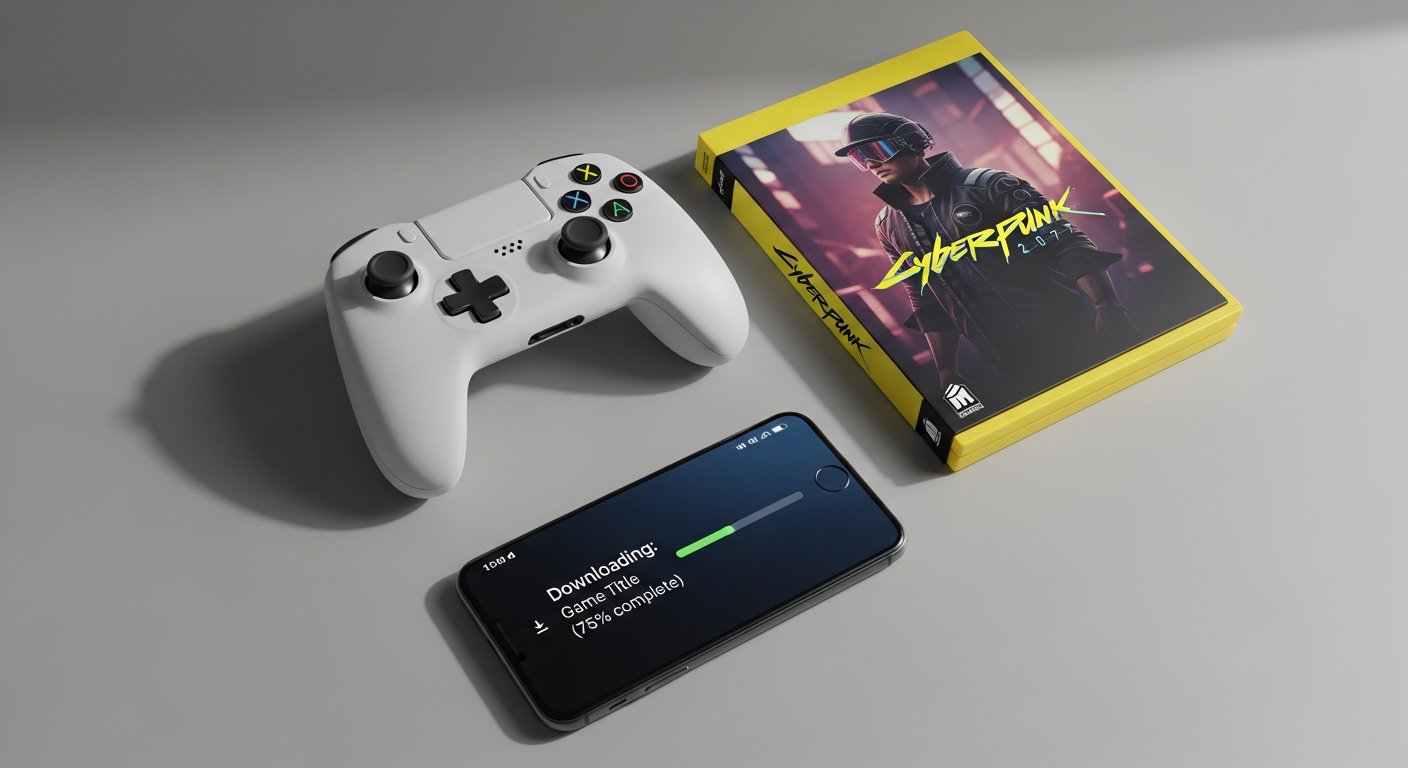
Frequently Asked Questions
Can I play a new game without downloading the day one patch?
Technically, yes — most consoles will let you launch the disc version without applying the patch. But the experience is often significantly worse: crashes, missing features, broken progression systems, or an inability to access online modes. For many modern titles, skipping the patch means playing a version the developers never intended anyone to actually use.
Does a bigger day one patch mean the game was rushed?
Not necessarily, though it's a fair question to ask. Patch size is partly a function of how the update is packaged — some studios ship full file replacements rather than surgical deltas, which inflates the download size without reflecting the actual scope of changes. That said, patches consistently exceeding 20–30 GB do suggest a significant gap between what was locked for disc and what the team considered shippable.
Why don't studios just delay the game instead of releasing a massive patch?
This is the question the industry doesn't love answering. Delays have real financial consequences — retailer agreements, marketing spend, and fiscal quarter targets all create pressure to ship on schedule. Some studios do delay (and are often praised for it), but the economics of AAA publishing make delays genuinely costly. The day one patch is, in many cases, the compromise between shipping on time and shipping something functional.
Physical media was supposed to represent permanence — a finished object you could own. The day one patch quietly dismantled that idea, turning every boxed copy into a placeholder waiting for the real version to arrive over the internet. What that means for game preservation, for players without fast broadband, and for the long-term playability of titles after servers go dark is a question the industry has been slow to reckon with.

Comments
Post a Comment