Planned Obsolescence: Why Your Old Gadgets Seem Designed to Fail
Apple was fined roughly 25 million euros by French regulators in 2020 for deliberately slowing down older iPhones through software updates — and the company didn't deny the practice. That single case cracked open a conversation the tech industry had been quietly avoiding for decades. Planned obsolescence isn't a conspiracy theory. It's a documented business strategy, and once you understand how it works, you'll never look at a dying battery or a "no longer supported" notification the same way.

What Is Planned Obsolescence, Really?
The Plain-Language Definition
Planned obsolescence is when a product is deliberately designed — or managed — to become useless, unfashionable, or unsupported within a predictable timeframe, pushing consumers toward buying a replacement. The key word is "deliberately." All products wear out eventually. Planned obsolescence is about engineering or scheduling that wear-out to happen sooner than it technically needs to.
There are actually a few distinct flavors of this. Physical obsolescence means the hardware itself degrades faster than necessary — think of a battery that can't be replaced, or a hinge designed with just enough tolerance to crack after two years. Functional obsolescence is subtler: the device still works, but software updates stop arriving, apps stop supporting it, and it gradually becomes incompatible with the rest of your digital life. Then there's psychological obsolescence, which is almost entirely driven by marketing — the new model looks different enough that last year's version feels embarrassing to carry.
These three types often work together. A phone might still run fine at three years old, but the manufacturer stops pushing security patches, a few key apps drop support, and the new model ships in a color that makes the old one look dated. No single factor kills it. The combination does.
Where the Idea Actually Came From
The concept is older than smartphones by about a century. In the 1920s, a cartel of major lightbulb manufacturers — sometimes called the Phoebus cartel — allegedly coordinated to limit bulb lifespan to around 1,000 hours, even though longer-lasting designs already existed. Whether you call it coordination or coincidence, it's one of the earliest documented cases of a product being engineered to fail on schedule. The auto industry formalized the psychological version in the 1950s, when General Motors began releasing annual model refreshes specifically designed to make last year's car feel obsolete — not because it stopped running, but because it stopped looking current.

How Planned Obsolescence Actually Works in Modern Tech
The Battery Problem Is Not an Accident
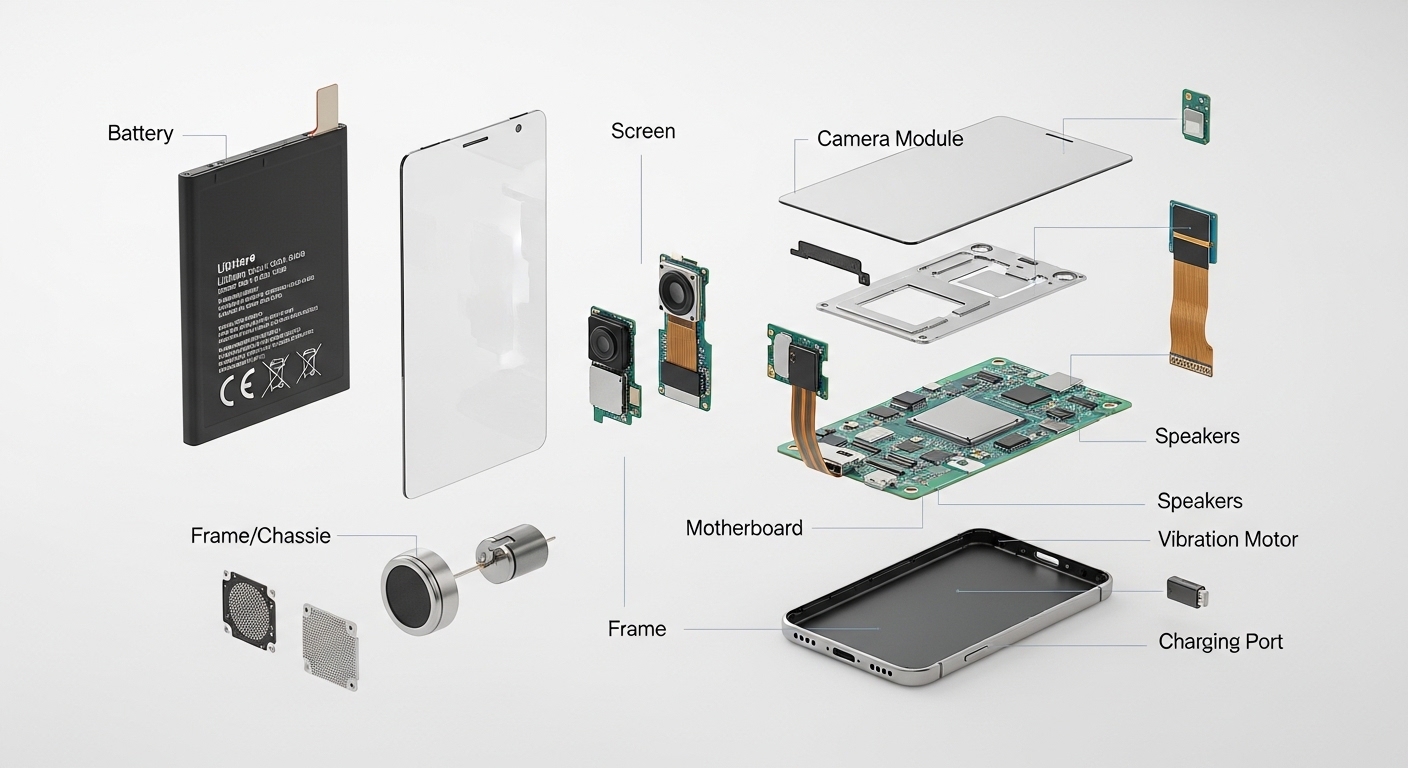
Lithium-ion batteries degrade with each charge cycle — that part is chemistry, not conspiracy. But the decision to make batteries non-removable and difficult to replace professionally is a design choice, not an engineering necessity. Plenty of devices have used modular, user-replaceable batteries without sacrificing thinness or water resistance to any meaningful degree. The shift toward sealed, glued-shut devices happened around the same time that repair shops started cutting into manufacturer revenue.
The Apple throttling case is the clearest real-world example of software-driven physical obsolescence. When battery capacity drops, the phone's processor is deliberately slowed to prevent unexpected shutdowns. That's a defensible engineering rationale. The problem was that Apple didn't tell users it was happening, and the fix — a battery replacement — was priced high enough that many people just bought a new phone instead.
A battery that costs a few dollars to manufacture can effectively end the useful life of a $1,000 device — not because the device is broken, but because replacing the battery is made deliberately inconvenient.
Software Support Windows Are a Quiet Countdown
When a manufacturer announces "end of software support," it sounds like a technical formality. In practice, it's a death sentence delivered in advance. A phone without security updates becomes a genuine liability within months — not years. Malware targets known, unpatched vulnerabilities, and those vulnerabilities accumulate fast once the patches stop coming.
Google's Pixel phones have historically received three to four years of OS updates. Apple has been more generous, sometimes supporting devices for five to six years. But the baseline across the Android ecosystem — particularly budget and mid-range devices — has often been two years or less. That's a short window for a device that costs several hundred dollars. Anyone who has held onto a mid-range Android past its support window knows the creeping anxiety of using a phone that's technically functional but quietly becoming a security risk.
The Right-to-Repair Movement Is Pushing Back
The counterforce to planned obsolescence is the right-to-repair movement, and it has made real legislative progress. The EU introduced regulations requiring manufacturers to provide spare parts and repair documentation for certain product categories. Several US states have passed or are actively considering right-to-repair legislation. Manufacturers have pushed back hard, citing safety, intellectual property, and quality control — arguments that critics point out conveniently align with keeping repair revenue in-house.
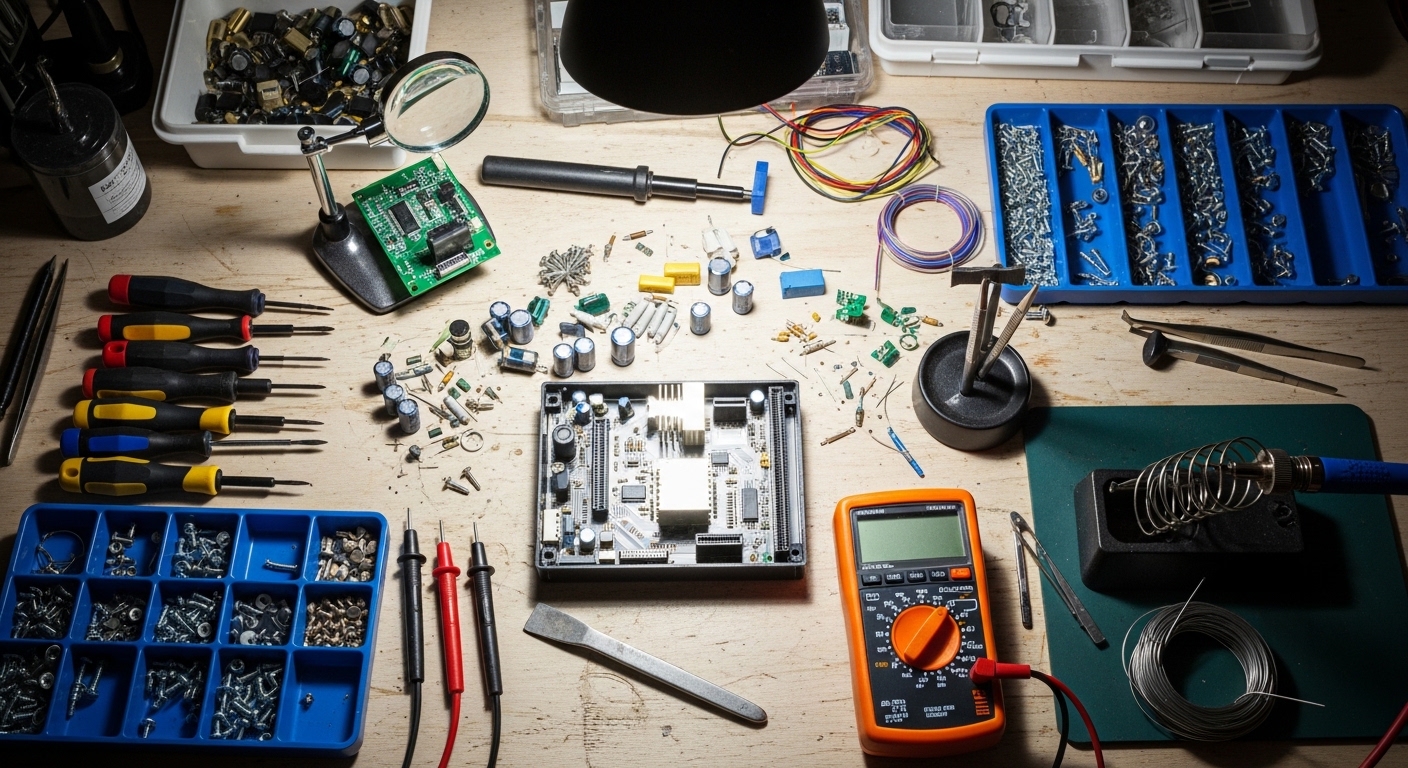
Fairphone, a Dutch company, has built its entire brand around repairability. Their devices use modular components that users can swap themselves, and the company commits to extended software support. It's a niche product, but it proves the engineering argument: making a repairable phone is possible. It's a choice, not a constraint.
Where You See Planned Obsolescence Beyond Smartphones
Printers, Appliances, and the Chip That Counts Your Pages
Inkjet printers are almost a parody of planned obsolescence. Many models contain a chip that tracks the number of pages printed and triggers a "waste ink pad full" error after a set count — even if the physical pad isn't actually full. The fix is a software reset that takes minutes, but manufacturers don't advertise it. The intended outcome is a new printer purchase.
Home appliances have followed a similar trajectory. Washing machines and refrigerators from the 1970s and 1980s routinely lasted 20 or 30 years. Modern equivalents — loaded with electronics, proprietary control boards, and components that aren't sold separately — often fail within a decade, and repair costs frequently approach replacement cost. That's not purely accidental engineering. It reflects decisions made during the design phase about component quality, repairability, and parts availability.
When a repair costs 70% of a replacement, most people replace — and that math rarely happens by accident.
Fast Fashion's Tech Equivalent
Wearables and smart home devices have introduced a new wrinkle: cloud dependency. A fitness tracker or smart speaker might work perfectly as hardware, but if the company shuts down its servers, the device becomes a paperweight. This has happened with documented cases across the smart home industry — devices rendered useless not because they broke, but because the backend service was discontinued. The hardware outlived the business model, and the consumer paid for it.
(Opinion: There's something particularly cynical about cloud-dependent obsolescence. At least a battery that dies is following physics. A device that stops working because a company decided to shut down a server is a choice dressed up as inevitability.)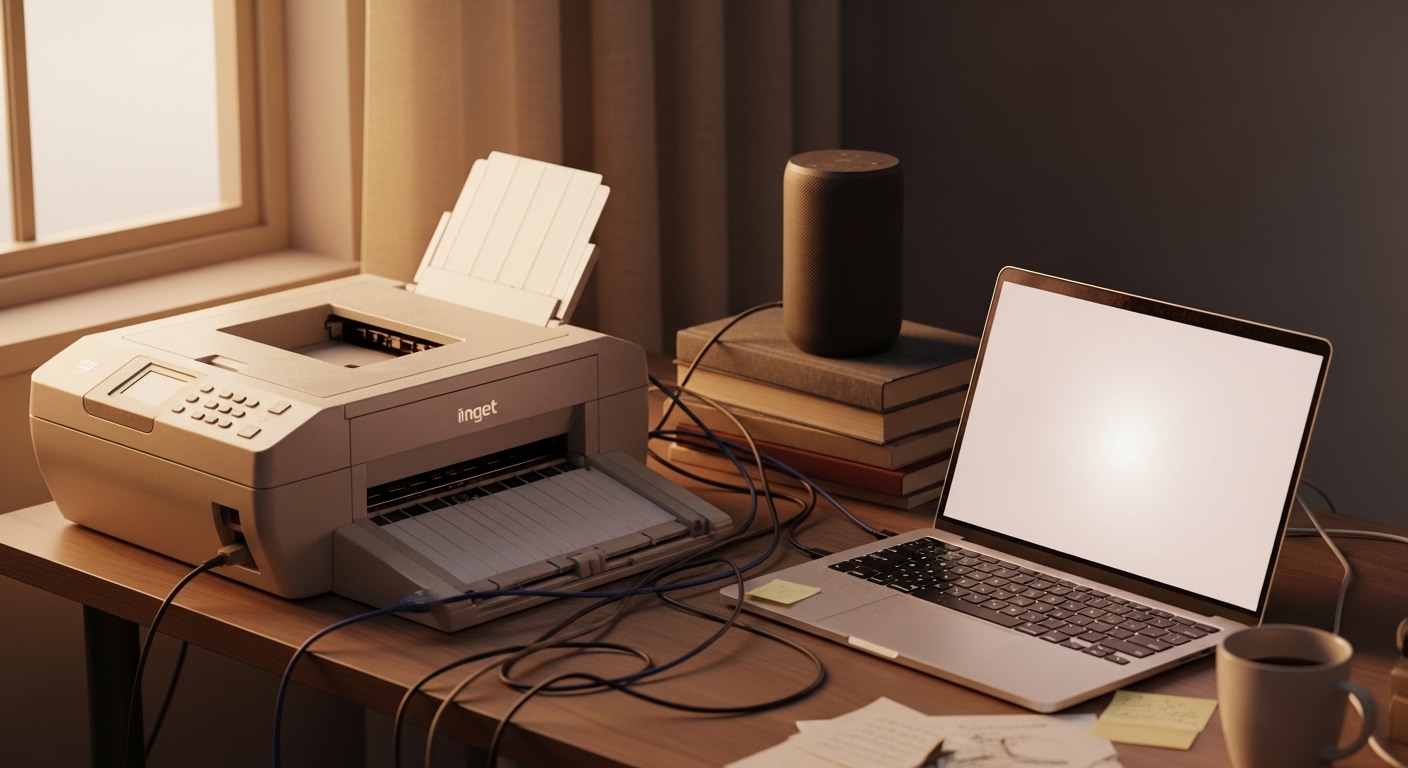
Why Planned Obsolescence Matters Beyond Your Wallet
The Environmental Cost Is Staggering
Electronic waste — e-waste — is one of the fastest-growing waste streams globally. Estimates vary, but figures consistently place annual global e-waste generation in the tens of millions of metric tons. A significant portion of that waste comes from devices that are functionally operational but no longer supported, no longer fashionable, or no longer repairable at reasonable cost. The rare earth metals and toxic materials inside those devices don't disappear when you drop them in a recycling bin — and a large share of e-waste never reaches proper recycling facilities at all.
Manufacturing a new smartphone requires substantial energy and raw materials — mining, refining, fabrication, global shipping. Extending the useful life of a device by even two years can meaningfully reduce its lifetime environmental footprint. That's not a fringe environmentalist position; it's basic arithmetic about where in a product's lifecycle the majority of its carbon and resource costs are concentrated.
The Counterintuitive Insight Most People Miss
Here's the part that surprises people: planned obsolescence doesn't always mean worse products. Sometimes it drives genuine innovation. The annual smartphone release cycle has produced real, meaningful improvements in camera technology, processing speed, and battery efficiency. The pressure to make last year's model feel outdated has occasionally produced next year's model that's genuinely better in ways that matter.
The problem isn't iteration. It's when the iteration is cosmetic, the old device is artificially hobbled, and the infrastructure for repair is deliberately dismantled. Those three things together turn a normal product cycle into something more predatory.
Frequently Asked Questions
Is planned obsolescence actually illegal?
In most countries, it occupies a legal gray zone. It's not broadly illegal to design a product with a limited lifespan. However, specific practices — like deliberately slowing devices without disclosure — have resulted in regulatory fines and settlements, as seen in the Apple case in France and Italy. The EU has been the most aggressive regulator, introducing ecodesign and repairability requirements that directly target obsolescence-by-design.
Does buying a more expensive device protect you from planned obsolescence?
Partially, but not reliably. Premium devices often receive longer software support windows and are more likely to have repair parts available. Apple's flagship iPhones have historically received longer OS support than most Android competitors. But premium pricing doesn't guarantee repairability — some of the most expensive devices are also the most difficult and costly to repair.
Why do manufacturers bother with planned obsolescence if it makes customers angry?
Because the economics have historically worked in their favor. Replacement cycles drive hardware revenue, accessories revenue, and — increasingly — subscription service revenue tied to new devices. Customer frustration rarely translates into brand switching at the scale needed to change manufacturer behavior. The right-to-repair movement and regulatory pressure are the more effective levers, because they change the legal and financial calculus rather than relying on consumer sentiment alone.
The most unsettling part of planned obsolescence isn't that it exists — it's that it has become so normalized that a device dying at three years feels expected rather than outrageous. We've quietly accepted a product lifespan that would have seemed absurd for any other category of expensive goods. The right-to-repair movement, EU regulations, and a handful of companies building genuinely repairable hardware are all pushing in the right direction. But until repairability becomes a standard expectation rather than a selling point, the default assumption — that your gadget is already counting down — remains the more accurate one.



Comments
Post a Comment