More Than Just Exhibits: How Museum Collections Work Behind the Scenes
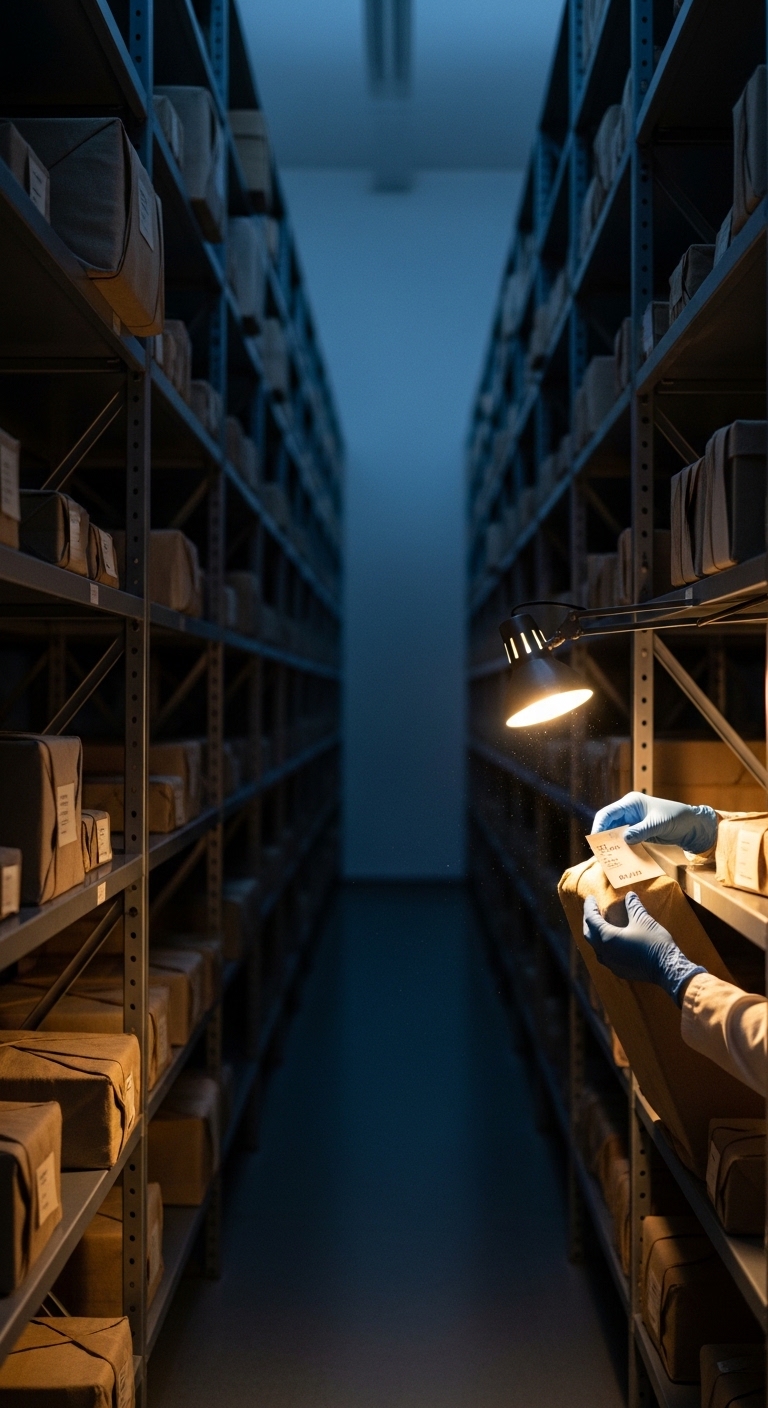
For every object on display in a major museum, estimates suggest there are roughly ten to twenty more sitting in storage — catalogued, preserved, and largely unseen by the public. The Smithsonian Institution alone holds an estimated 155 million objects across its various collections, yet only a small fraction are ever on the floor at any given time. What happens to everything else is a surprisingly complex, methodical, and occasionally contentious world that most visitors never think about.
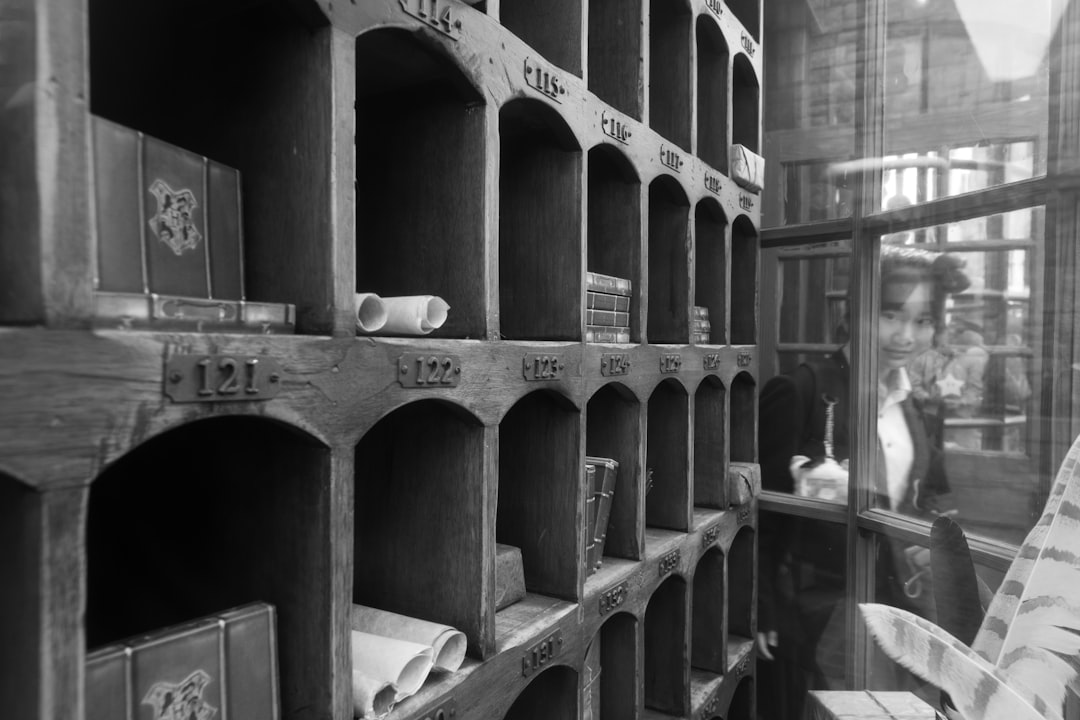
What Does a Museum Collection Actually Include?
More Than Art on Walls
When most people hear "museum collection," they picture paintings or dinosaur bones. But a collection can include anything from pressed botanical specimens and wax cylinder recordings to meteorite fragments and 19th-century surgical tools. Natural history museums, for instance, hold millions of insect specimens — many of which are irreplaceable data points for tracking species change over decades.
The collection is formally divided into two broad categories: the permanent collection (objects the museum owns outright) and loans (objects temporarily in the museum's care from other institutions or private owners). Both require the same level of documentation and preservation attention, which is part of why collections management is a full-time professional discipline.
There's also a third, often overlooked category: objects whose ownership is legally or ethically disputed. Repatriation claims — requests by communities or nations to have culturally significant objects returned — have reshaped how many institutions think about what they hold and why.
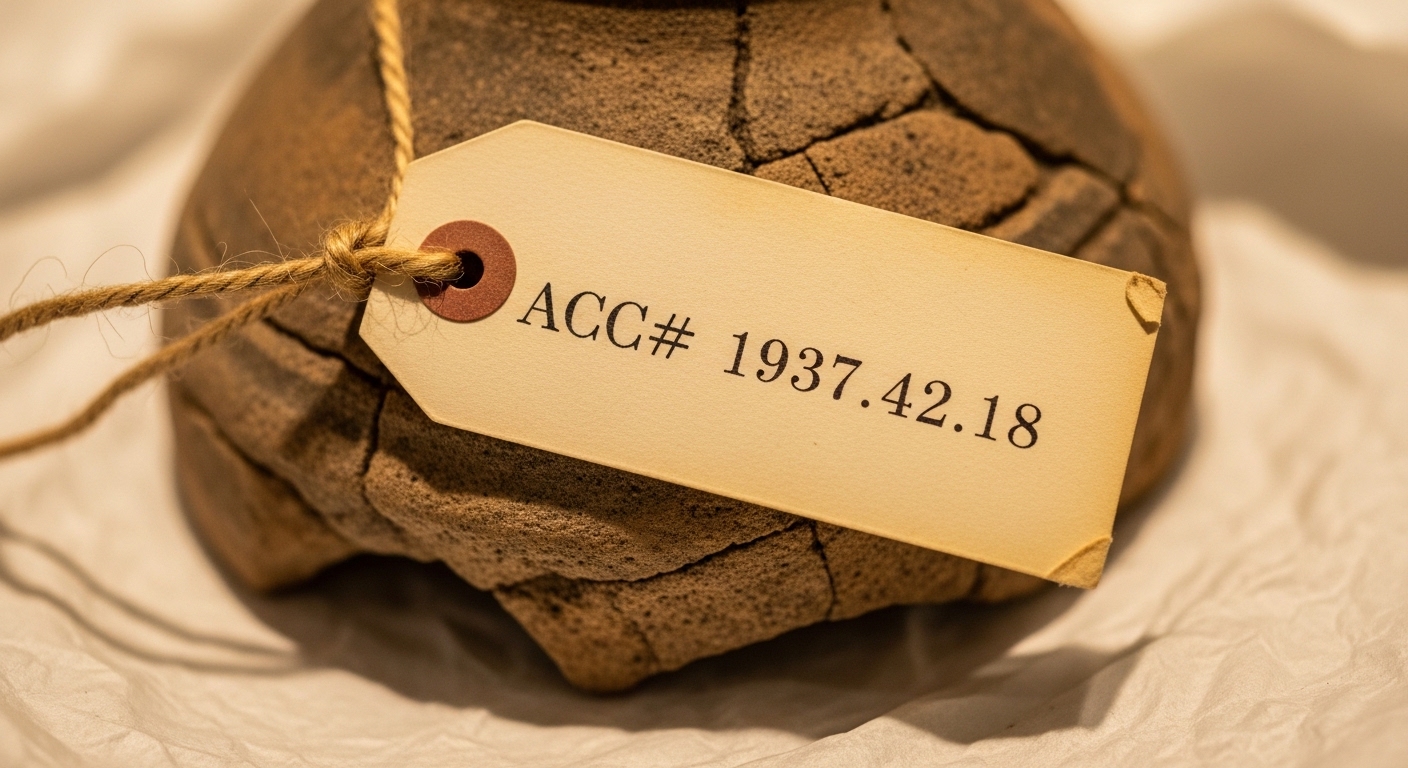
The Accession Number: A Collection's Backbone
Every object that enters a collection is assigned an accession number — a unique identifier that ties the physical object to its entire paper and digital trail. Lose that number, and you've essentially lost the object's context, which in many cases is more valuable than the object itself. A Roman coin without provenance is interesting. A Roman coin excavated from a documented site with associated records is historically significant.
How Museums Physically Preserve Their Collections
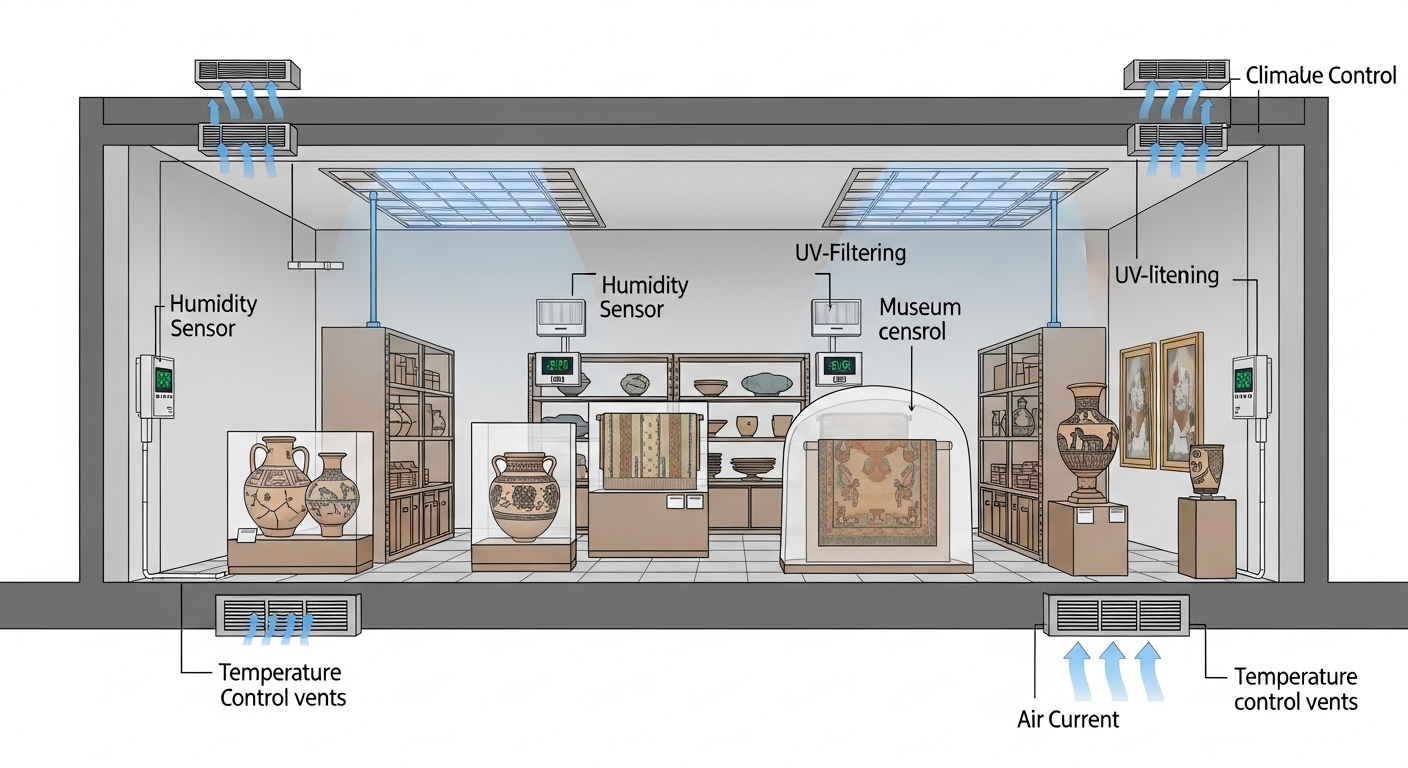
The Environmental Battle
Preservation is essentially a war against time, humidity, light, and pests. Most collection storage areas are kept at tightly controlled temperature and relative humidity levels — typically somewhere around 65–70°F and 45–55% relative humidity, though the exact targets vary by material type. Fluctuations are often more damaging than a consistently "wrong" level, because expansion and contraction cycles crack paint, warp wood, and delaminate photographs.
Organic materials — textiles, paper, leather, biological specimens — are especially vulnerable. A single pest infestation can destroy decades of work. Many museums use integrated pest management protocols, which means regular inspections, sticky traps, and strict quarantine procedures for any object entering the building. New acquisitions often spend time in an isolation room before joining the main collection.
A single fluctuation in relative humidity — even a brief one — can cause more cumulative damage to a painted wooden panel than years of stable "imperfect" conditions.
Preventive vs. Active Conservation
There's an important distinction between preventive conservation (controlling the environment to slow deterioration) and active conservation (physically treating an object that's already degrading). Active conservation — the kind where a conservator uses scalpels, solvents, and consolidants under a microscope — is expensive, time-consuming, and irreversible if done wrong. Most professional conservators will tell you the goal is to never need active treatment in the first place.
A well-known example of what happens when this fails: the 2012 amateur restoration of the "Ecce Homo" painting in Borja, Spain, became a global news story precisely because it illustrated how catastrophic well-intentioned but unskilled intervention can be. Professional conservators spend years learning which materials are reversible and which are permanent — and even then, they document every single step.
How Objects Move In — and Sometimes Out
The Acquisition Process
Acquiring an object for a permanent collection is rarely as simple as someone donating something and the museum saying yes. Most institutions have a formal acquisitions committee that evaluates whether an object fits the collection's scope, whether the museum can afford to store and care for it properly, and whether the provenance is clean. That last point has become increasingly scrutinized since the 1970 UNESCO Convention on the Means of Prohibiting and Preventing the Illicit Import, Export and Transfer of Ownership of Cultural Property set a widely used benchmark date for provenance documentation.
Gifts from private collectors are common, but they come with complications. Donors sometimes attach conditions — "this must always be on display" or "it can never be loaned" — that can create real headaches for curators decades later. Some museums now push back on restrictive gift conditions more firmly than they used to.
Deaccessioning: The Controversial Exit
Objects can also leave a collection through a process called deaccessioning — formally removing an item and typically selling, transferring, or disposing of it. This is one of the most contentious topics in the museum world. The core ethical debate: if a museum sells a collection object, the proceeds should generally be used only to acquire new objects or care for existing ones — not to cover operating costs.
That rule was tested publicly when several U.S. museums sold collection objects during financial crises to cover general expenses. The museum community's professional organizations responded sharply, and some institutions faced sanctions or loss of accreditation standing. The debate hasn't gone away — it resurfaces every time a cash-strapped institution faces hard choices.
Deaccessioning isn't inherently wrong — collections need to evolve. The ethical line is what you do with the money afterward.
Who Actually Does This Work?
The Invisible Professionals
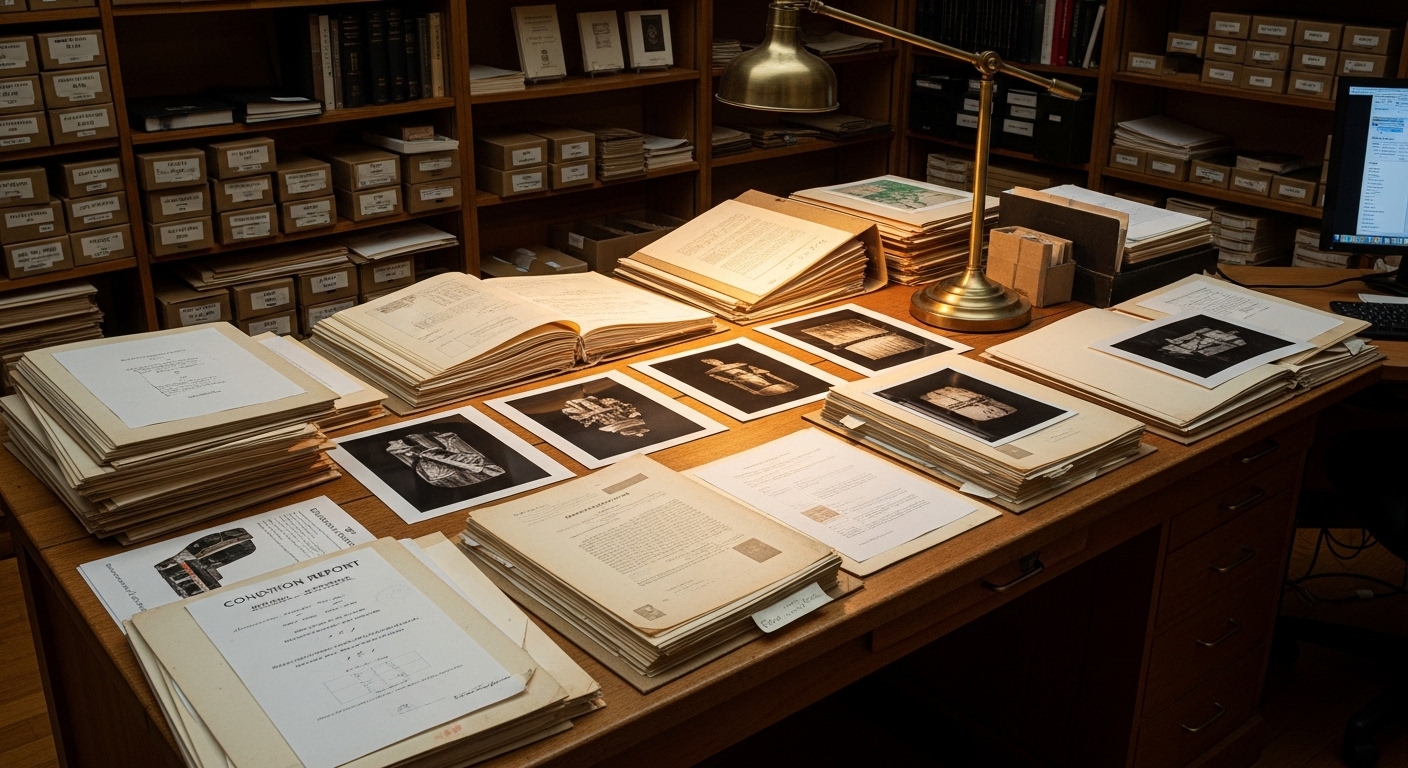
The people who keep collections functioning are largely invisible to the public. Registrars manage the legal and logistical documentation — tracking loans, insurance, condition reports, and shipping. Conservators handle physical treatment and preventive care. Collections managers oversee the day-to-day storage and access. Curators make intellectual and interpretive decisions about what the collection means and how it should be used.
These roles overlap more than their titles suggest, and in smaller institutions, one person often wears all four hats simultaneously. Anyone who has worked in a regional museum knows what it's like to write a grant application in the morning, repack a textile in the afternoon, and lead a school tour by 2 p.m.
Digital Documentation and Its Limits
Most major museums have been digitizing collection records for years, and many now offer online collection portals where the public can browse objects — including ones in storage. The Metropolitan Museum of Art, for instance, has made a large portion of its collection images available under open access licensing, which has been genuinely transformative for researchers and educators.
But digitization has limits. Scanning a photograph of an object is not the same as documenting its physical condition, its weight, its smell, or the way light plays across its surface. Some information only exists in the object itself, and no database captures that. There's also the ongoing challenge of legacy records — handwritten ledgers, typed index cards, and early database formats that don't migrate cleanly into modern systems.
(Opinion: The push toward full digital access is mostly positive, but there's a real risk that "accessible online" becomes a substitute for proper physical stewardship. A high-resolution image of a deteriorating object is not the same as a preserved one.)
Frequently Asked Questions
Can the public access objects that aren't on display?
Many museums offer study room access or appointments for researchers, students, and in some cases interested members of the public. The process varies widely by institution — some require formal credentials, others are more open. It's worth contacting a museum's collections or registrar department directly if you have a specific research interest.
Why don't museums just display everything they own?
Space is only part of the answer. Many objects are too fragile for continuous display, require specialized environmental conditions that differ from gallery standards, or simply aren't relevant to the museum's current interpretive focus. Some objects are also held specifically as research specimens — their value is scientific, not visual, and displaying them would actually increase their deterioration risk.
What happens to objects that museums decide they no longer want?
Deaccessioned objects can be sold at auction, transferred to another institution, returned to a donor's estate, or in rare cases destroyed if they're too deteriorated to be useful. Professional ethics strongly favor transfer to another institution over sale, and sale proceeds are supposed to stay within the collection budget — though, as noted, this rule has been broken and debated repeatedly.
The next time you walk past a museum's "Staff Only" door, consider that the work happening behind it is probably more intellectually demanding — and more ethically fraught — than anything on the public side of the wall. Collections aren't static archives. They're living arguments about what a society decides is worth keeping, who gets to make that decision, and what obligations come with the answer.


Comments
Post a Comment