More Than Just Fun: The Psychology of Why We Replay Childhood Video Games
A 30-year-old loading up a game they haven't touched since elementary school will often report something strange: the levels feel shorter, the music hits harder, and for a few minutes, something genuinely shifts in how they feel. That's not coincidence or simple sentimentality. There's a well-documented psychological mechanism behind it, and it's more interesting — and more useful — than most people give it credit for.
What Nostalgia Actually Does to Your Brain
It's Not Just a Feeling — It's a Neurological Event
Nostalgia was once classified as a medical disorder. Seventeenth-century Swiss physician Johannes Hofer coined the term from the Greek words for "homecoming" and "pain," and it was treated as a kind of debilitating homesickness. Soldiers were reportedly discharged over it. The idea that it might be psychologically useful took centuries to gain traction.
Research over the past two decades has reframed nostalgia almost entirely. Rather than a symptom of dysfunction, it now looks more like a self-regulation tool. When people feel socially disconnected, anxious, or uncertain about their identity, they tend to reach for nostalgic memories — and those memories reliably produce a measurable uptick in feelings of social connectedness and self-continuity. The brain, in other words, uses the past to stabilize the present.
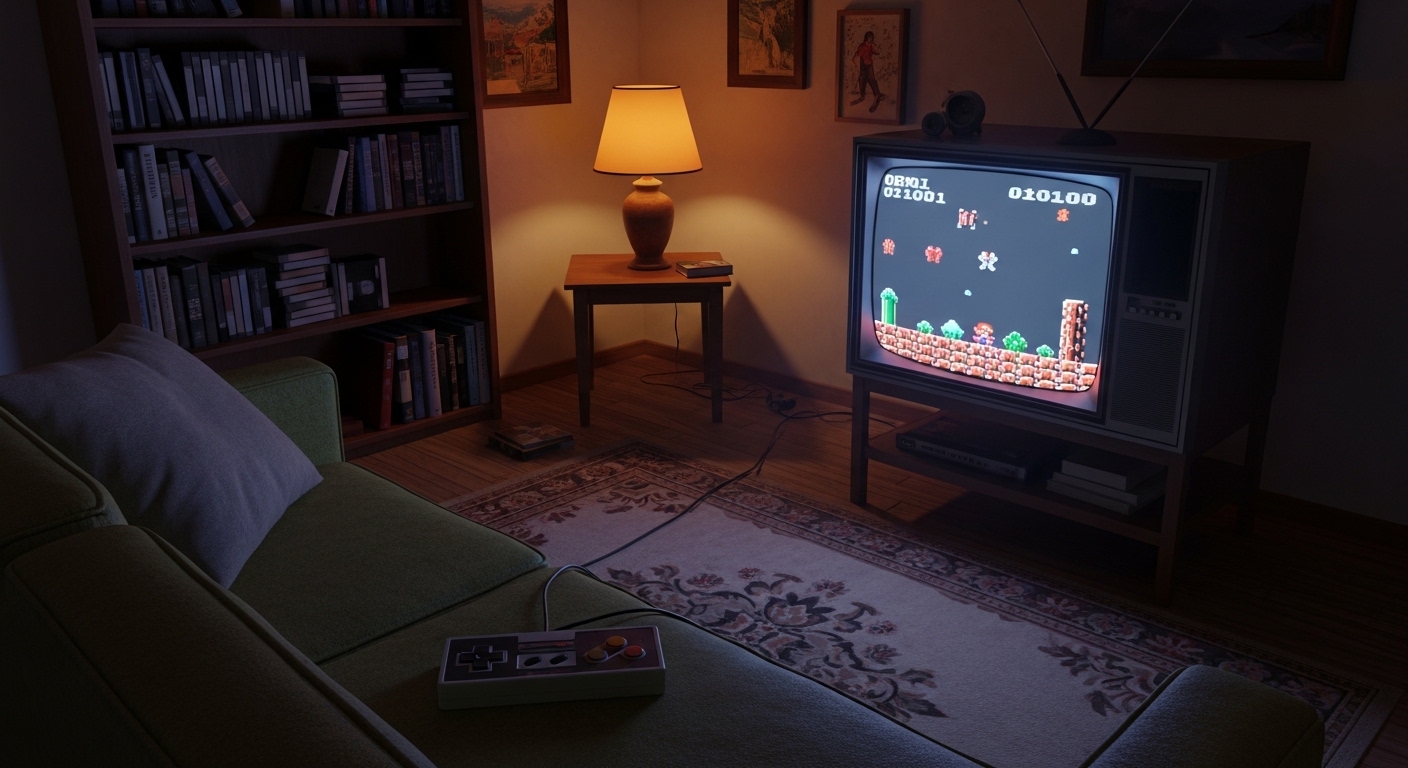
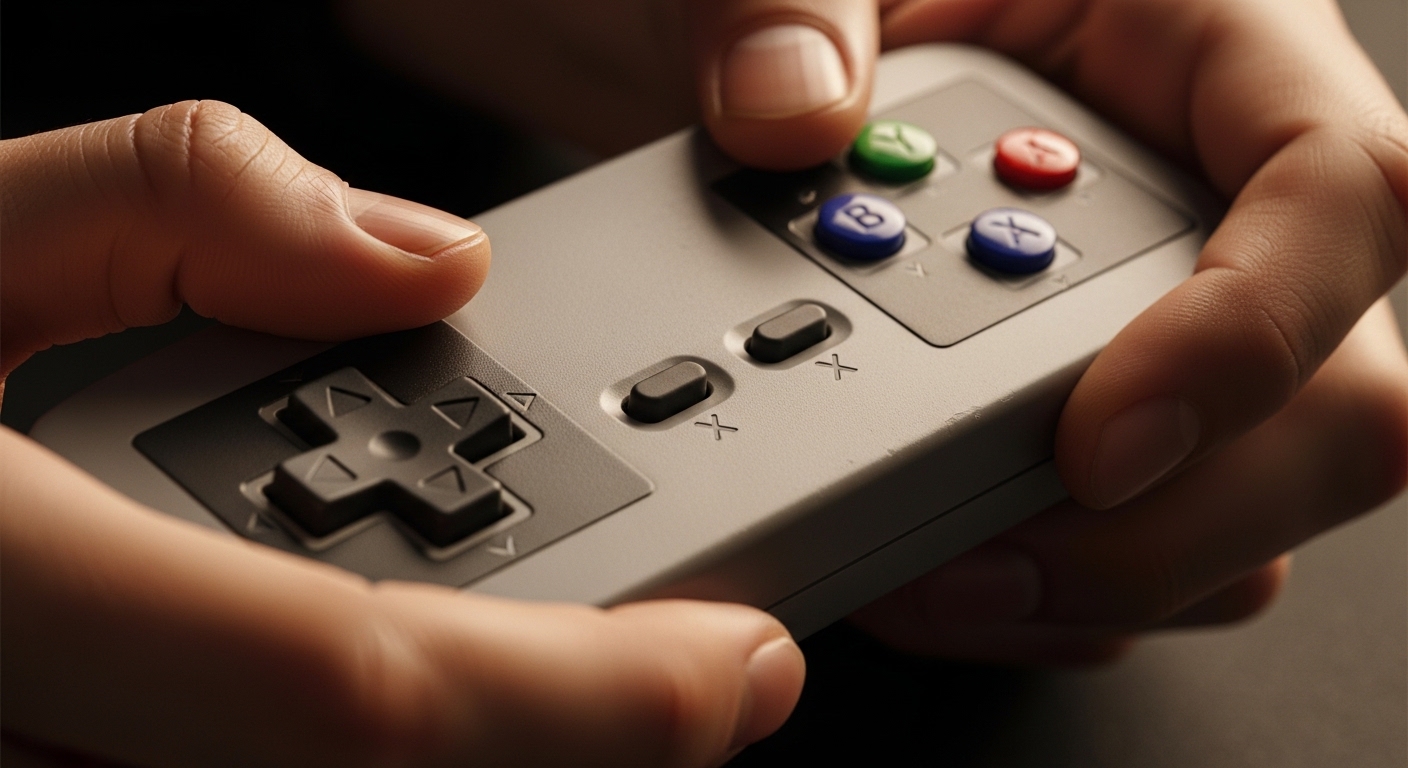
Childhood video games are particularly potent triggers for this response because they combine multiple memory systems at once. The music activates emotional memory. The visual style activates episodic memory. The physical act of holding a controller — or even just the muscle memory of the button sequences — activates procedural memory. That's a lot of neural real estate lighting up simultaneously.
Nostalgia isn't passive remembering — it's an active psychological strategy the brain uses to restore a sense of coherence when the present feels unstable.
Why Childhood Games Specifically Hit Different
The Reminiscence Bump and Why Your Teens Matter So Much
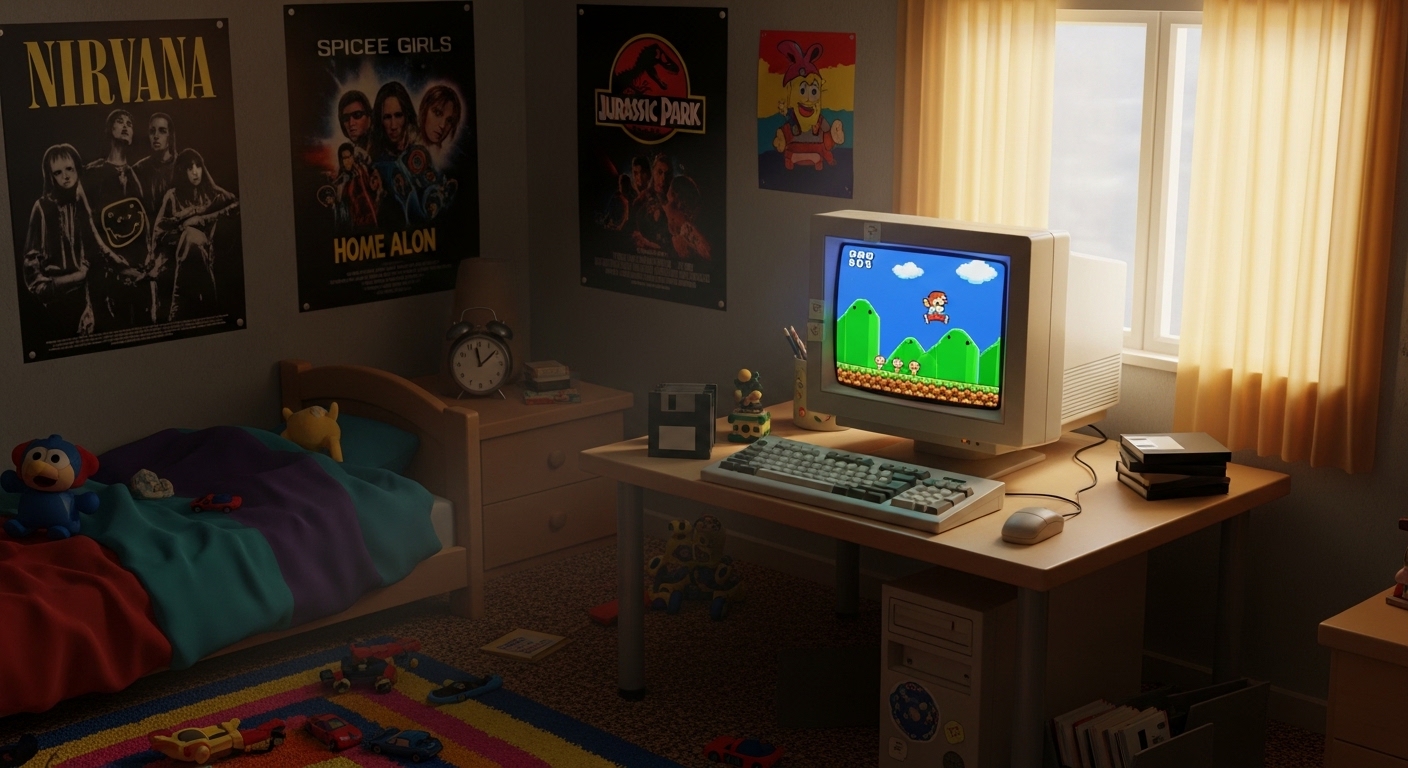
Memory researchers have identified something called the "reminiscence bump" — the tendency for adults to recall a disproportionate number of vivid memories from roughly ages 10 to 25. The leading explanation is that this period involves a high density of "first experiences": first real friendships, first sense of personal identity, first encounters with stories and worlds that felt genuinely yours. Memories formed during emotionally intense firsts tend to stick.
For many people who grew up with home gaming consoles from the late 1980s onward, their first deep experiences with narrative, exploration, and mastery happened inside a video game. That's not a trivial detail. If the first time you ever felt the satisfaction of solving a genuinely hard puzzle was in a game at age nine, that game is now neurologically entangled with the emotion of competence itself.
There's also a specificity to game-based nostalgia that other media doesn't quite replicate. You don't just watch a childhood game — you re-inhabit it. You make the same decisions, navigate the same spaces, and your body remembers how. That active re-engagement is qualitatively different from rewatching a childhood film, and it may explain why the emotional response tends to be more intense.
How Replaying Old Games Serves Real Psychological Functions
Competence, Control, and the Comfort of Mastery
One underappreciated reason adults return to childhood games is that they already know how to win. In a period of life where professional uncertainty, relationship complexity, and financial pressure are constant, a game you mastered at age 11 offers something genuinely rare: a guaranteed arc from challenge to competence. You will figure it out. You've done it before.
Psychologists who study self-determination theory point to competence as one of three core human psychological needs — alongside autonomy and relatedness. When any of those needs goes unmet in daily life, people seek out environments where it can be satisfied. A childhood game is essentially a pre-loaded competence environment. The difficulty curve was designed for a younger, less experienced version of you, which means your adult self will navigate it with a fluency that feels genuinely good.
There's also the autonomy angle. Many adults replay childhood games during periods when they feel their choices are constrained — demanding jobs, caregiving responsibilities, financial obligations. The game world is one of the few spaces where every decision is genuinely yours and the consequences are contained. That's not escapism in the pejorative sense. It's a legitimate form of psychological recovery.
Identity Continuity — Connecting Who You Were to Who You Are
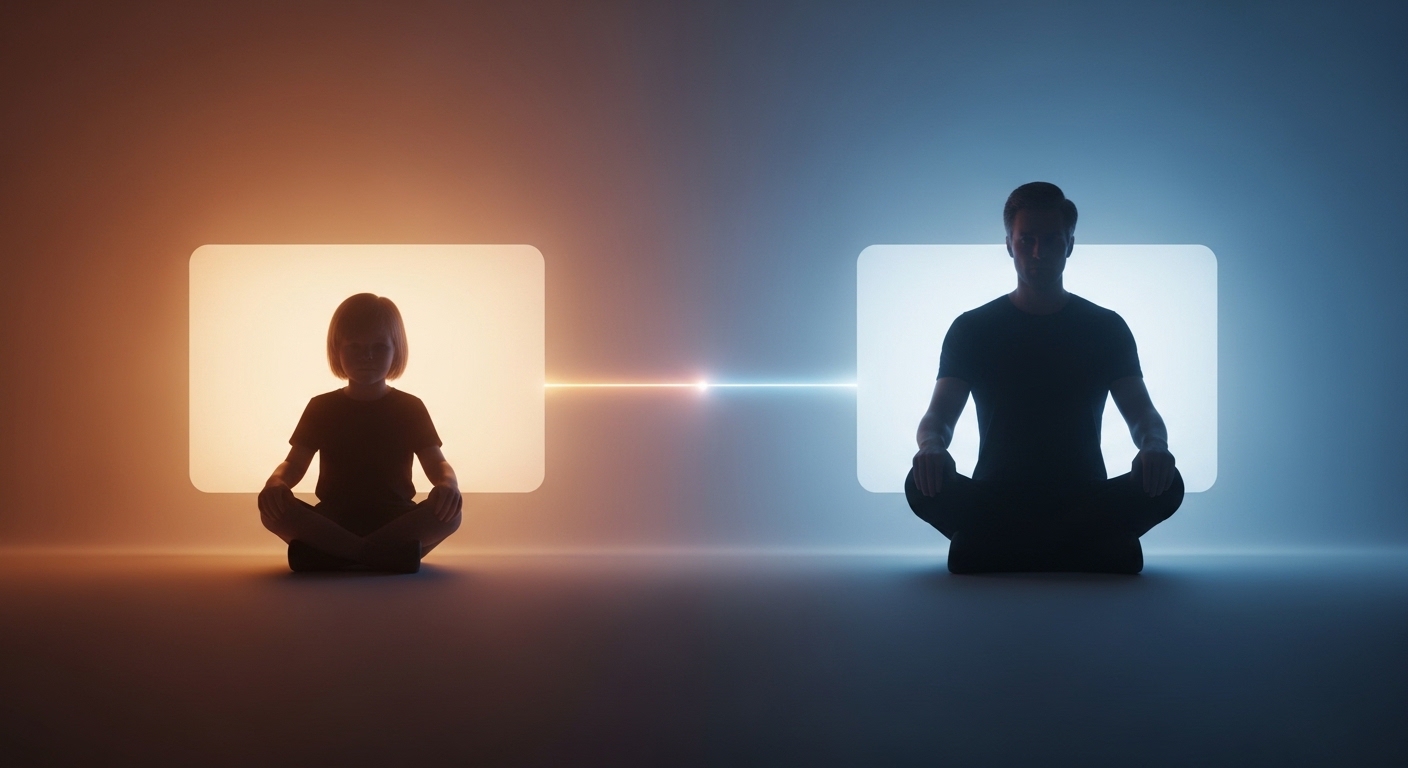
Some researchers argue that one of nostalgia's primary functions is maintaining a coherent sense of self across time. The person who played that game at age eight and the person replaying it at 35 are connected by the experience in a way that's almost tangible. You can verify that you existed, that you felt things, that you were someone.
This matters more than it sounds. Adults in major life transitions — new cities, career changes, the end of long relationships — report higher rates of nostalgic activity. The game isn't just entertainment in those moments. It's a kind of anchor.
Replaying a childhood game can function as a form of self-verification — proof that your past self and present self are the same continuous person, even when life feels unrecognizable.
The Surprising Downside — When Nostalgia Becomes a Trap
Rosy Retrospection and the Games That Were Never That Good
Here's the counterintuitive part: the game you remember is almost certainly better than the game that actually exists on the cartridge. Memory is reconstructive, not archival. Every time you recall an experience, you subtly edit it — smoothing over the frustrating parts, amplifying the emotional peaks. Cognitive psychologists call this "rosy retrospection," and it's remarkably robust.
Anyone who has enthusiastically recommended a childhood favorite to a younger sibling or a partner has probably lived through the awkward moment when the other person finds it slow, clunky, or genuinely confusing. The game didn't change. Your memory of it did.
The risk isn't that you'll be disappointed — though you might be. The risk is that chronic nostalgic retreat can become a substitute for engaging with the present. Research suggests nostalgia functions best as a brief psychological reset, not a permanent residence. Used occasionally, it restores a sense of groundedness. Used compulsively, it can reinforce a sense that the present is irredeemably worse than the past, which tends to make the present worse.
The Difference Between Healthy and Unhealthy Nostalgia
The distinction researchers draw is between nostalgia that reconnects you to your values and identity — and then propels you forward — versus nostalgia that functions as avoidance. The first type leaves you feeling more like yourself and more motivated. The second leaves you feeling vaguely sad that the present isn't the past.
If you load up an old game and finish the session feeling energized, grounded, or quietly happy, that's the mechanism working as intended. If you finish feeling like nothing in your current life measures up, that's worth paying attention to.
(Opinion: There's something a little unfair about how quickly "playing old video games" gets dismissed as arrested development. The psychological literature is pretty clear that nostalgia, used well, is a genuine coping resource — and the people who reach for it during hard stretches aren't avoiding adulthood, they're managing it.)
Frequently Asked Questions
Is replaying childhood video games actually good for your mental health?
Research suggests that nostalgic activity — including replaying familiar games — can temporarily boost mood, reduce feelings of social isolation, and strengthen a sense of personal identity. The key word is "temporarily." It works best as an occasional reset rather than a daily escape. If replaying old games leaves you feeling better equipped to deal with your actual life, it's doing its job.
Why does the music from old games trigger such strong emotions?
Music is one of the most reliable triggers for autobiographical memory, and game soundtracks are particularly effective because they were heard repeatedly during emotionally formative periods. The brain links the music to the emotional state of the original experience, so hearing it again partially reconstructs that state. This is why a few bars of a childhood game's theme can feel almost physically transporting.
Do people who didn't grow up with video games experience the same nostalgia for other media?
Yes — the underlying psychological mechanism is the same regardless of the medium. Someone who grew up reading a particular book series or watching a specific television show will experience comparable nostalgic responses when they revisit that content as an adult. What makes games slightly distinctive is the interactive element: you don't just consume the memory, you re-enact it, which tends to produce a more immersive emotional response.
The next time you find yourself digging out an old console or hunting for an emulator at midnight, you're probably not regressing. You're doing something the brain has been doing for as long as humans have had memories worth returning to — reaching backward to find stable ground. The fact that the ground happens to be a pixelated dungeon or a side-scrolling platformer doesn't make it any less real. What's stranger, maybe, is that a medium invented to sell entertainment accidentally became one of the more reliable tools we have for maintaining a coherent sense of self across a lifetime that keeps changing faster than we expected.


Comments
Post a Comment