Why Teenagers Need More Sleep: The Science of Circadian Rhythms
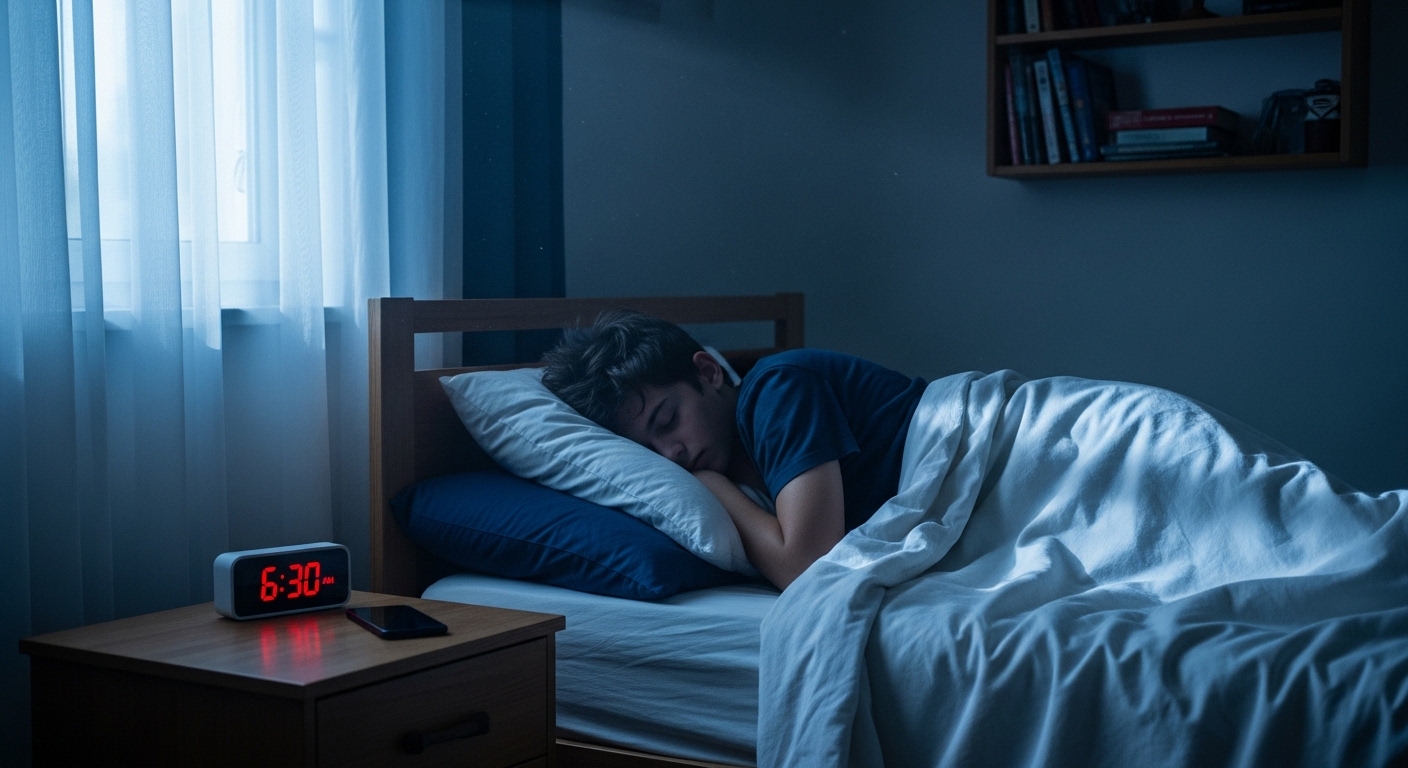
A teenager who can't drag themselves out of bed at 7 a.m. isn't being lazy — their brain is literally running on a different biological clock than yours. Research in sleep science has consistently shown that adolescent bodies undergo a measurable shift in circadian timing, pushing their natural sleep and wake windows hours later than those of children or adults. This isn't a modern habit born from smartphones and late-night streaming. The shift happens in virtually every culture studied, and it begins in puberty. Understanding why it happens — and what it costs when we ignore it — changes how you see every bleary-eyed teenager you've ever met.
What Is a Circadian Rhythm — and Why Teenagers Have a Unique One
The Basic Biology of Your Internal Clock
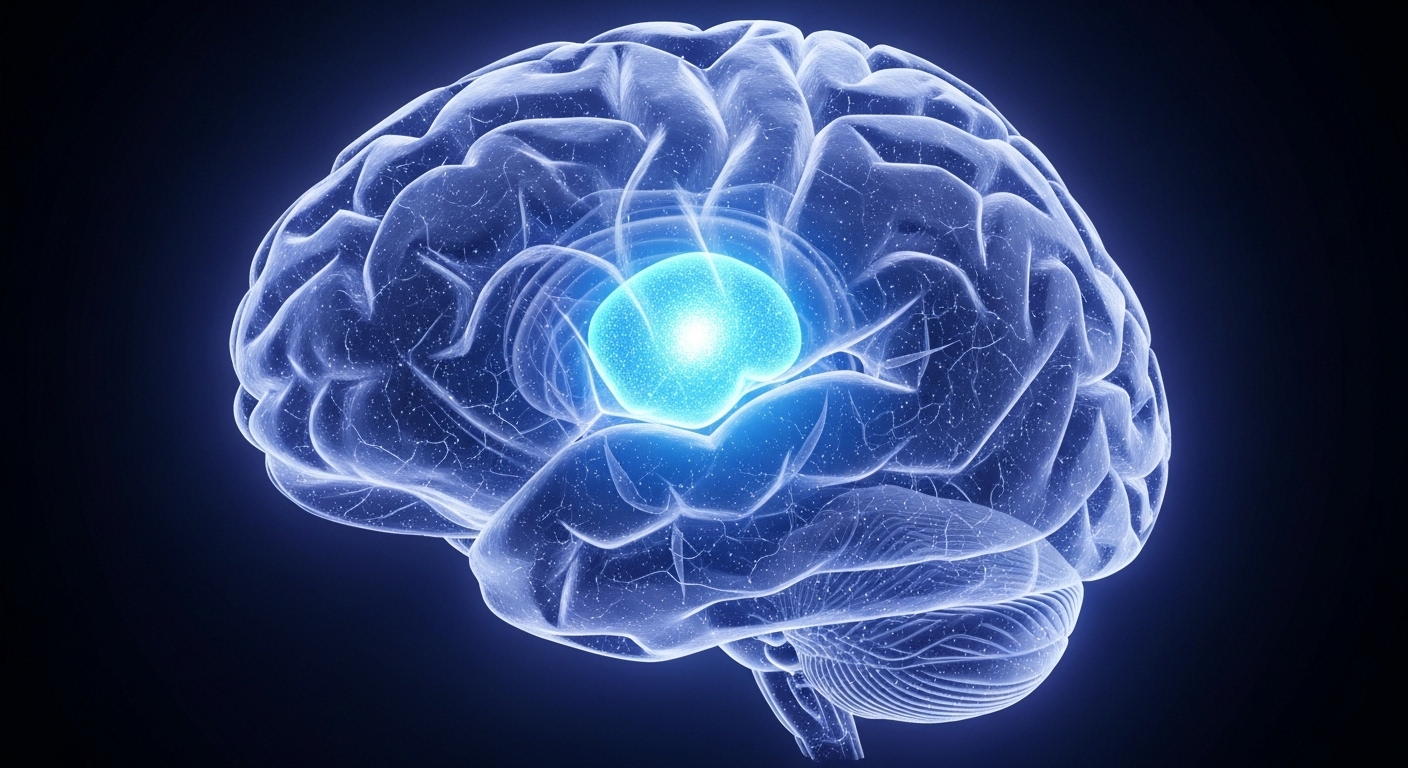
A circadian rhythm is your body's internal 24-hour timing system, governed primarily by a tiny cluster of neurons in the brain called the suprachiasmatic nucleus (SCN). This structure sits in the hypothalamus and responds to light signals from your eyes to regulate when you feel sleepy, when you feel alert, and when hormones like cortisol and melatonin are released. Think of it as a master conductor coordinating dozens of biological processes — digestion, body temperature, immune function — all timed to the cycle of day and night.
Melatonin is the key hormone here. As evening arrives and light dims, the brain begins releasing melatonin, signaling that sleep is approaching. In adults, this typically starts around 9 or 10 p.m. In teenagers, research suggests this release is delayed by roughly one to two hours, meaning their bodies don't start feeling genuinely sleepy until 11 p.m. or later — regardless of what time they have to wake up the next morning.
How Puberty Rewires the Sleep Clock
The adolescent circadian shift isn't random. It appears to be driven by hormonal changes during puberty, though researchers are still working out the exact mechanisms. What's well-established is that the shift is biological, not behavioral — it shows up across different countries, different screen-use habits, and different family schedules. Studies using wrist-worn activity monitors have tracked this delay in sleep timing across dozens of populations worldwide.
The shift peaks in mid-to-late adolescence and then gradually reverses as people move into their mid-twenties. This is why a 17-year-old and a 25-year-old can feel dramatically different about early mornings even when they're getting the same number of hours of sleep. The clock itself is set differently.
How the Teenage Sleep Cycle Actually Works
The Two-Process Model of Sleep
Sleep scientists use what's called the two-process model to explain when and how strongly we feel the urge to sleep. Process S is sleep pressure — the buildup of adenosine (a chemical byproduct of brain activity) that makes you feel increasingly drowsy the longer you've been awake. Process C is the circadian drive — the internal clock signal that either promotes wakefulness or allows sleep depending on the time of day.
In teenagers, both processes are shifted. Their sleep pressure builds more slowly during the day, and their circadian clock suppresses sleepiness later into the evening. The result is a double delay: they genuinely can't fall asleep early, and they genuinely can't wake up early without a significant deficit in sleep quality. Forcing an early wake time doesn't reset the clock — it just cuts the sleep short.
How Much Sleep Do Teenagers Actually Need?
Major health organizations, including the American Academy of Sleep Medicine, recommend that teenagers between 13 and 18 years old get eight to ten hours of sleep per night. That's more than the seven to nine hours recommended for adults. The reason is straightforward: the adolescent brain is in an intense period of development, particularly in the prefrontal cortex — the region responsible for decision-making, impulse control, and emotional regulation.
Here's the counterintuitive part: teenagers aren't just sleeping more because they're growing physically. A significant portion of the extra sleep need is driven by the brain's need to consolidate learning and prune neural connections — a process that happens almost entirely during sleep. Cutting sleep short doesn't just make a teenager tired; it actively interferes with how their brain is being built.
The teenage brain does much of its most important construction work during sleep. Chronic short sleep in adolescence isn't just a tiredness problem — it's a brain development problem.
What Happens to Teenagers Who Don't Get Enough Sleep
The Mental Health Connection
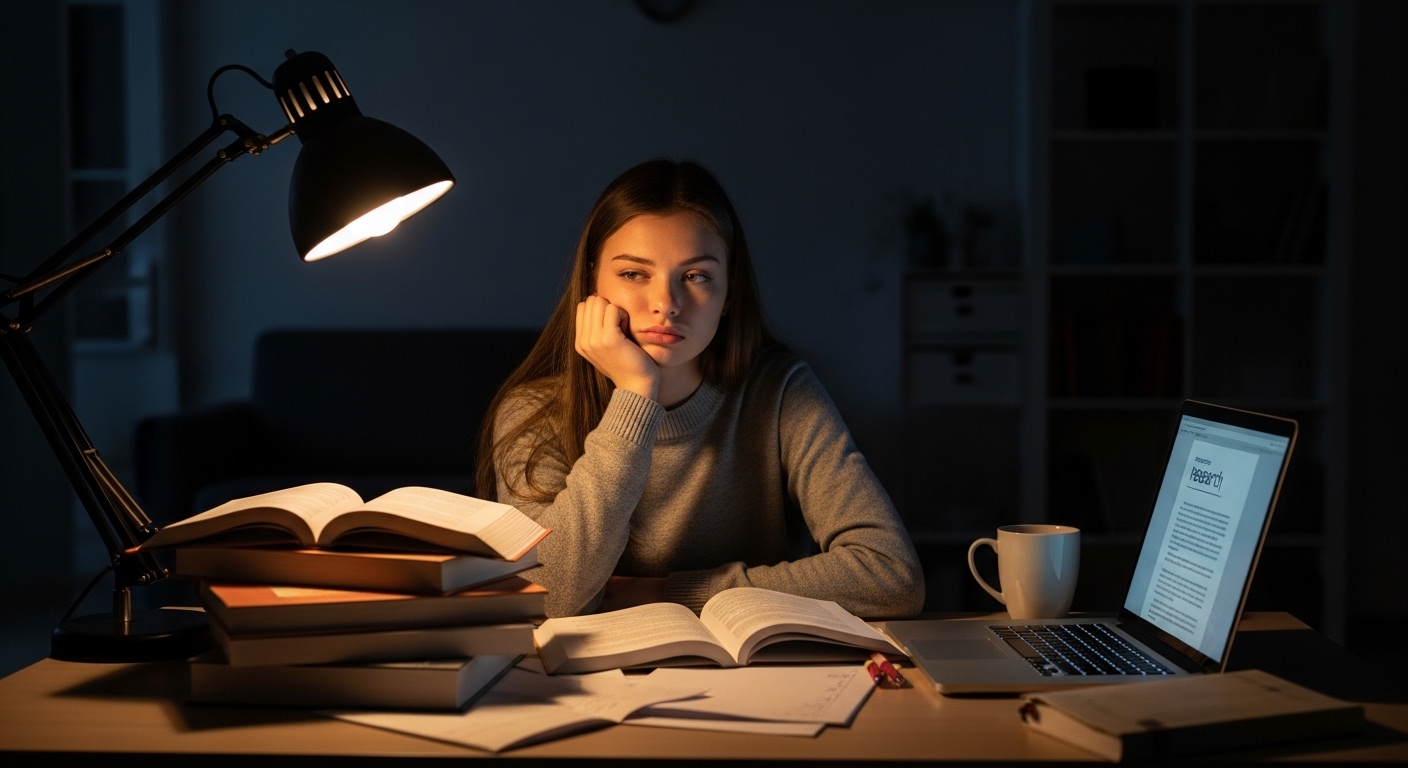
Chronic sleep deprivation in teenagers is strongly associated with increased rates of anxiety, depression, and mood instability. Research suggests that the relationship runs in both directions — poor sleep worsens mental health symptoms, and mental health struggles disrupt sleep — creating a cycle that can be hard to break. The prefrontal cortex, which is still under construction during adolescence, is particularly vulnerable to the effects of sleep loss.
One well-documented real-world example: school districts in the United States that shifted high school start times from around 7:30 a.m. to 8:30 a.m. or later reported measurable improvements in student mood, attendance, and academic performance. The Seattle Public Schools system conducted a widely cited study after delaying start times, finding that students gained meaningful additional sleep and showed improvements in grades and alertness. The clock didn't change — just the schedule.
Physical and Academic Consequences
Sleep deprivation affects teenagers physically in ways that often get misattributed to other causes. Reaction times slow, making drowsy driving among newly licensed teen drivers a serious safety concern. Immune function dips, making sleep-deprived teens more susceptible to illness. Appetite-regulating hormones shift in ways that research suggests may contribute to weight changes over time.
Academically, the damage is direct. Memory consolidation — the process of moving information from short-term to long-term storage — happens during sleep, particularly during slow-wave and REM stages. A teenager who studies hard but sleeps five hours is essentially studying with a leaky bucket: the information isn't sticking the way it would with adequate rest.
Why Early School Start Times Work Against Teen Biology
The Mismatch Between Biology and Schedules
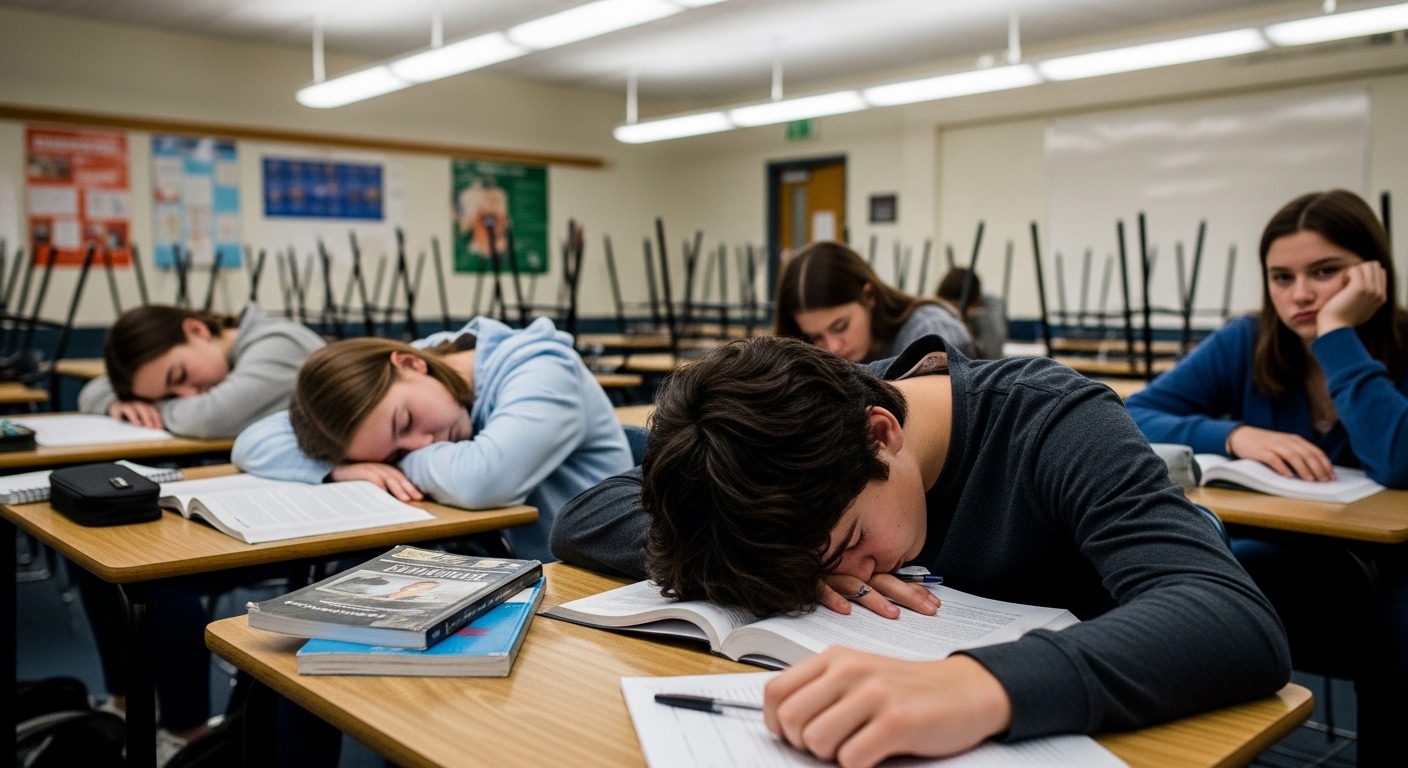
A teenager whose natural sleep window runs from midnight to 9 a.m. is being asked to function at peak capacity at 7:30 a.m. — which, from their body's perspective, is the equivalent of asking an adult to perform complex tasks at 4 or 5 in the morning. This isn't an exaggeration. Sleep researchers have used this analogy specifically because the circadian misalignment is that significant.
The term "social jetlag" was coined to describe this gap between a person's biological clock and their socially imposed schedule. Teenagers experience some of the highest levels of social jetlag of any age group, and the effects accumulate across a school week. By Friday, many adolescents are running a sleep debt that a single weekend can't fully repay.
Asking a teenager to be sharp at 7 a.m. is biologically similar to asking an adult to ace a performance review at 4 in the morning. The clock, not the character, is the problem.
What the Research on Later Start Times Shows
The evidence in favor of later school start times has grown substantially over the past two decades. Studies from multiple countries suggest that when high schools start at 8:30 a.m. or later, students sleep more, perform better academically, report better mental health, and have fewer car accidents. In 2026, a growing number of U.S. states have passed or are considering legislation requiring later high school start times, reflecting a shift in how policymakers are reading this body of research.
(Opinion: The resistance to changing school start times is almost entirely logistical — bus schedules, childcare arrangements, after-school sports. These are real problems, but they're solvable. Treating a biological reality as a discipline problem, and then wondering why teenagers are struggling, is a policy failure dressed up as a character judgment.)
Frequently Asked Questions
Can teenagers train themselves to fall asleep earlier?
To a limited degree, yes — but not enough to fully override the biological shift. Consistent sleep schedules, reducing bright light exposure in the evening, and avoiding caffeine after early afternoon can help shift the clock somewhat earlier. However, research suggests that the underlying circadian delay during adolescence is largely driven by biology, not habit, so the shift will only move so far regardless of behavioral changes.
Do screens and phones cause the teenage sleep delay?
Screens make the problem worse but didn't create it. The blue light emitted by phones and tablets suppresses melatonin production, which can push sleep onset even later than the biological delay already does. However, the circadian shift in teenagers predates smartphones and has been documented in populations with minimal screen use. Reducing screen time before bed is genuinely helpful, but it won't eliminate the underlying biological delay.
When does the teenage sleep shift go back to normal?
Research suggests the circadian delay gradually reverses through the late teens and early twenties, with most people returning closer to a typical adult sleep timing by their mid-twenties. The exact timing varies by individual. Interestingly, the reversal tends to happen slightly earlier in females than in males on average, though figures vary across studies.
The science here isn't complicated once you see it clearly: teenagers aren't choosing to be tired, and they aren't failing at discipline. Their brains are running a different program, one written by biology during one of the most demanding developmental periods of their lives. The practical response — whether you're a parent, a school administrator, or a teenager trying to understand your own body — starts with treating the circadian shift as a fact rather than an excuse. Once you do that, the path forward gets a lot more obvious.


Comments
Post a Comment