What Is Tree Shaping? The Art of Arborsculpture Explained
A fully functional chair grown from a living tree takes roughly ten years to produce — and the person who started it may never sit in it themselves. That patience is the defining characteristic of tree shaping, a practice that sits somewhere between gardening, sculpture, and architecture. Known formally as arborsculpture, it involves guiding living trees into deliberate shapes through careful pruning, grafting, and bending over months or years. The results range from whimsical garden furniture to load-bearing bridges that have stood for centuries.
What Is Arborsculpture? A Plain-Language Definition
More Than Just Topiary
Most people lump tree shaping in with topiary — the art of clipping hedges into neat spheres or animal silhouettes. They are related but fundamentally different. Topiary removes material from the outside of a plant; tree shaping works with the tree's internal growth processes, redirecting them rather than simply trimming them away. The tree is a collaborator, not a canvas.
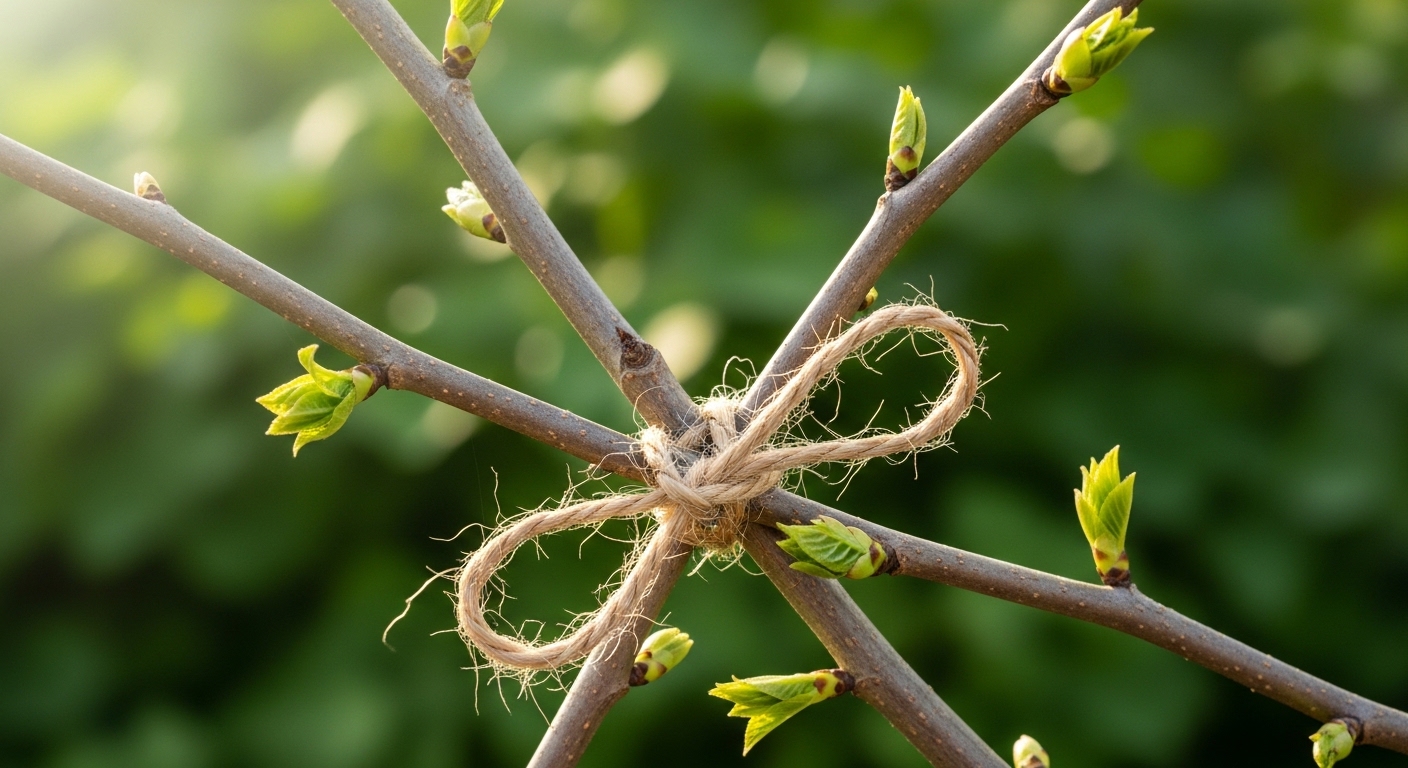
Arborsculpture uses several core techniques. Pruning controls which branches grow and which are suppressed. Grafting fuses two separate branches or trees together so they share vascular tissue and eventually become one continuous structure. Bending and weaving young, flexible stems around frames or each other creates the initial shape before the wood hardens. Each technique exploits the tree's own biology.
The term "arborsculpture" was popularized in the late twentieth century, largely through the work of American practitioner Richard Reames, who wrote extensively on the subject and built furniture and structures from living trees. Before that, the practice existed under various regional names and traditions going back much further.
The Biology That Makes It Possible
Trees grow through a layer of cells just beneath the bark called the cambium. When two branches are pressed together and their cambium layers align, the tree can fuse them in a process called inosculation — essentially natural grafting. This is not a trick or an illusion; the resulting joint shares water, nutrients, and structural load just like any other part of the tree. It is the same process that causes tree roots to fuse underground, which happens far more often than most people realize.
Inosculation — the natural fusion of two touching branches — means a shaped tree is not held together by wire or glue. The tree itself becomes the fastener.
How Tree Shaping Works — Techniques and Timelines
The Three Main Methods
Practitioners generally work in one of three broad approaches. Instant tree shaping, sometimes called "aeroponic" shaping, starts with young saplings grown in containers and bent into shape before transplanting — this compresses the timeline somewhat, though years of growth are still required. Gradual shaping works with trees already in the ground, coaxing new growth season by season. Forestry shaping operates at a larger scale, training multiple trees together to form walls, roofs, or bridges.
The choice of species matters enormously. Fast-growing trees with flexible young wood and a strong tendency to inosculate are preferred. Willow, fig, and certain oaks are popular choices. Willows in particular are almost obligingly cooperative — their stems root easily, fuse readily, and grow quickly enough that a shaper can see meaningful progress within a single growing season.
What a Typical Project Actually Looks Like
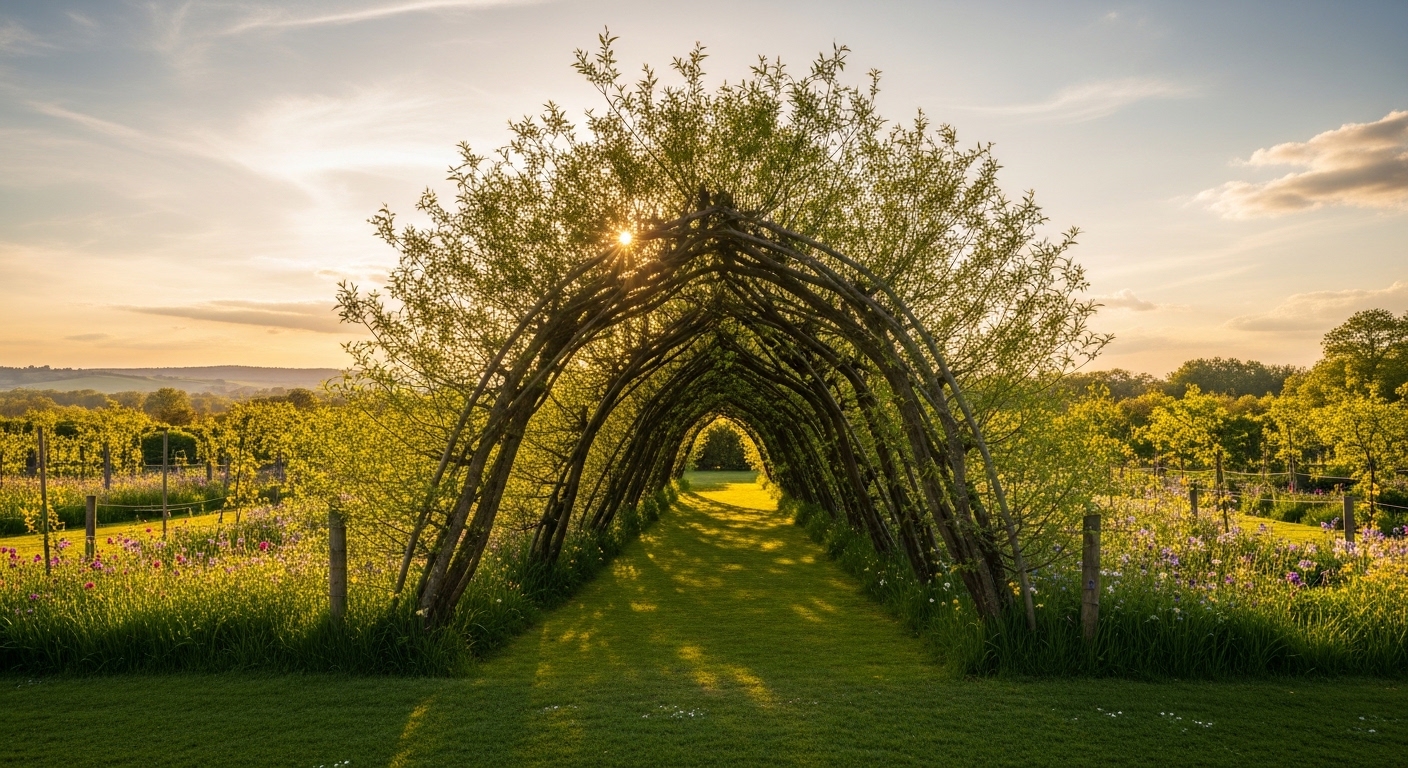
Imagine planting a row of young willow saplings in a curve and weaving their stems through a simple wooden frame. In the first year, you secure the stems and let them establish. By year three, the stems have thickened and begun to fuse at the crossing points. By year seven, the frame can be removed because the tree structure is self-supporting. By year fifteen, you have a living arbor that continues to grow stronger every season. The wooden frame has long since rotted away; the tree remembers the shape on its own.
Where Tree Shaping Has Been Used — From Bridges to Bedroom Furniture
The Living Root Bridges of Meghalaya
The most structurally impressive examples of tree shaping in the world are not in a gallery or a botanical garden — they are in the forests of northeastern India. The Khasi people of Meghalaya have trained the aerial roots of rubber fig trees across rivers for generations, creating bridges that are stronger than they look and that actually improve with age as the roots thicken. Some of these bridges are estimated to be several hundred years old, and the longest span more than thirty meters.
These bridges are a genuine feat of long-term engineering. Each generation adds to the work of the last, threading new roots into the existing structure. The bridges flex slightly underfoot but do not rot, because they are alive. A wooden bridge in the same humid jungle climate would last perhaps a decade; the living root bridge keeps growing indefinitely.
Furniture and Art in Western Practice
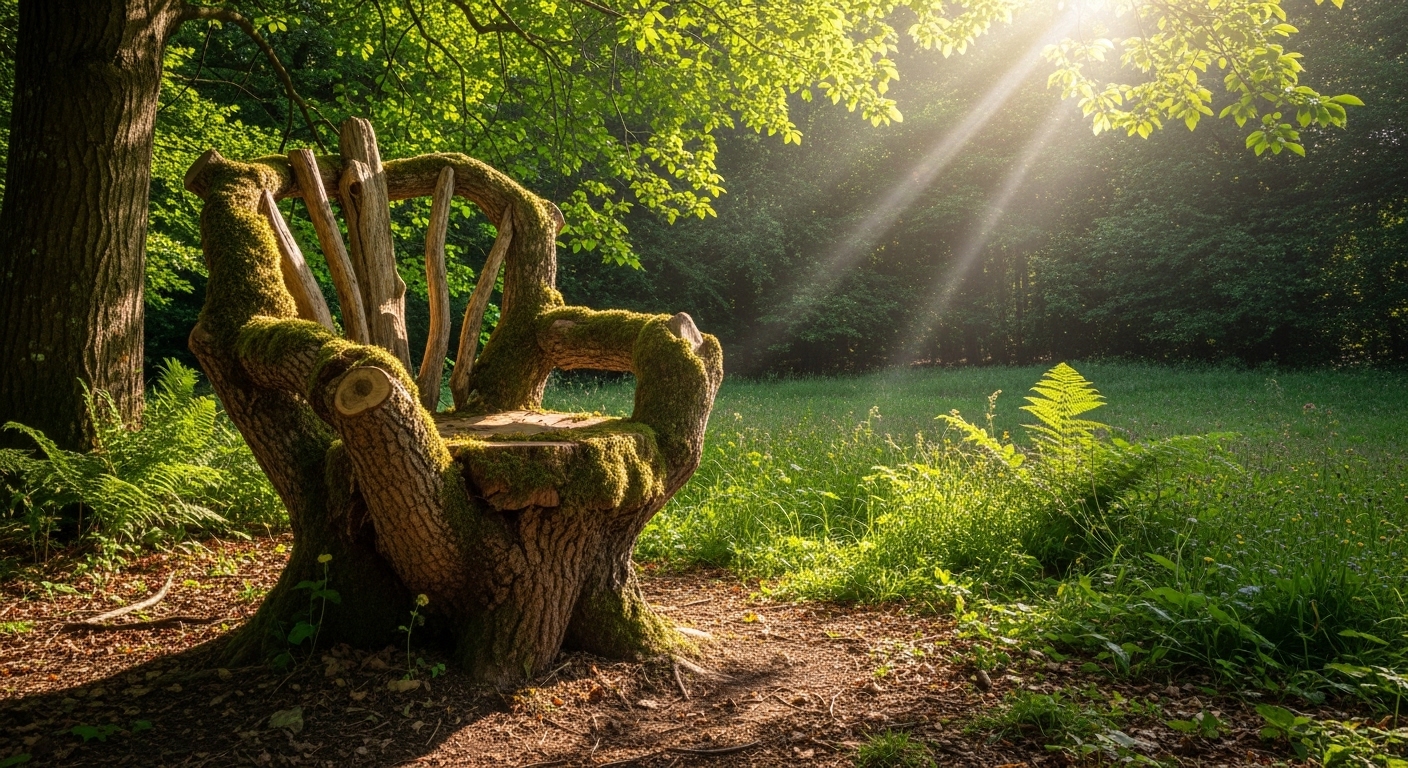
In Europe and North America, arborsculpture has been applied to furniture — chairs, tables, and benches grown from living trees planted in deliberate configurations. The American artist Axel Erlandson, who worked in the early-to-mid twentieth century, created a roadside attraction in California called the "Tree Circus," featuring dozens of trees trained into spirals, ladders, and interlocking loops. Several of those trees were later transplanted and are still alive today, representing some of the most documented examples of Western arborsculpture.
Axel Erlandson's "Tree Circus" trees — some shaped over decades — were transplanted after his death and continue growing, proving that a well-made arborsculpture outlasts its creator.
Why Arborsculpture Matters — Sustainability, Design, and the Long Game
A Genuinely Sustainable Building Material
Conventional construction uses timber that was once alive but is now dead — it dries, shrinks, cracks, and eventually decays. A living structure does the opposite: it grows stronger, sequesters carbon continuously, and self-repairs minor damage. Research suggests that living plant structures can provide meaningful shade, reduce urban heat island effects, and support local biodiversity in ways that concrete or steel cannot. For landscape architects thinking decades ahead, that is a significant advantage.
The catch is the timeline. A developer who needs a building finished in eighteen months cannot wait fifteen years for a living wall to mature. This is why arborsculpture has remained a niche practice rather than a mainstream construction method. But for permanent public spaces, parks, and private gardens where longevity is the goal, the calculus looks very different.
The Meditative Appeal of Slow Making
There is a growing community of hobbyist tree shapers who are drawn to the practice precisely because it cannot be rushed. In a world of instant results, committing to a project that will outlive you carries a particular kind of meaning. Some practitioners describe it as a form of correspondence with the future — you make decisions today that someone else will appreciate in thirty years.
(Opinion: There is something genuinely countercultural about arborsculpture in 2026. We live in an era of fast content, rapid iteration, and quarterly results. Deliberately starting a project you may never finish feels almost radical — and that might be exactly why interest in the practice seems to be quietly growing among people who are tired of optimizing everything for speed.)
Frequently Asked Questions About Tree Shaping
How long does tree shaping take to see results?
It depends on the species and the complexity of the design. Fast-growing trees like willow can show noticeable shaping within one to two growing seasons. More ambitious projects — living furniture, bridges, or architectural structures — typically require ten to thirty years before they are functional or complete. Most practitioners recommend starting with a simple arch or tunnel to understand the process before attempting complex forms.
Does tree shaping harm the tree?
When done carefully, tree shaping does not harm the tree. The techniques used — gradual bending, guided grafting, and selective pruning — work with the tree's natural growth patterns rather than against them. Damage occurs when stems are bent too sharply too quickly, when grafts are not properly secured, or when the wrong species is chosen for the climate. A well-shaped tree is generally healthy and can live as long as an unshaped specimen of the same species.
What trees are best for beginners to try shaping?
Willow is the most commonly recommended starting point because it grows quickly, bends without snapping, and roots easily from cuttings. Hazel and dogwood are also popular choices for beginners in temperate climates. Fig species are favored in warmer regions, partly because of their strong tendency to inosculate. Whatever species you choose, starting with young, flexible saplings — ideally under two years old — gives you the best chance of success.
Tree shaping is one of those rare practices that rewards patience in a way almost nothing else does. You plant something, guide it gently, and then step back and let decades do the work. The living root bridges of Meghalaya took generations to build and will last generations more — which is a pretty good argument for thinking about design on a longer timescale than most of us are used to. If you have a garden, a few young saplings, and the willingness to play a very long game, there has never been a better time to start.


Comments
Post a Comment