What Is Car Depreciation and What Factors Affect It?
A brand-new car loses roughly 15 to 20 percent of its value the moment you drive it off the lot — before you've even made the first payment. That's not a rumor or a dealer scare tactic. It's a well-documented financial reality that affects every car buyer, whether they're financing, leasing, or paying cash. Understanding depreciation doesn't require an accounting degree, but ignoring it can cost you thousands when it's time to sell or trade in.

What Is Car Depreciation, Exactly?
The Plain-Language Definition
Depreciation is the difference between what you paid for a vehicle and what it's worth at any given point later. It's not unique to cars — buildings, machinery, and electronics all depreciate — but cars are one of the fastest-depreciating assets most people ever own. The gap between purchase price and resale value is money that simply evaporates.
Unlike a house, which can appreciate over time, a car almost never becomes more valuable through normal use. There are exceptions — certain classic or collector vehicles — but for the overwhelming majority of cars on the road, value moves in one direction. Down.
How Depreciation Is Measured
Depreciation is typically expressed as a percentage of original value lost over time. Industry data consistently shows that the average new car loses somewhere between 40 and 60 percent of its original value within the first five years. The steepest drop happens in year one, then the rate gradually slows as the vehicle ages.
Lenders and leasing companies calculate depreciation carefully because it directly determines monthly lease payments. If a car is expected to lose 50 percent of its value over three years, the lessee essentially pays for that 50 percent — plus interest and fees. This is why leasing a vehicle with strong residual value tends to produce lower monthly payments.
What Factors Drive Car Depreciation Rates?
Brand Reputation and Perceived Reliability
Not all cars depreciate at the same rate, and brand perception is one of the biggest reasons why. Vehicles from manufacturers with strong reliability reputations — particularly certain Japanese brands — consistently hold their value better than average. Buyers in the used market are willing to pay a premium for a name they trust, which props up resale prices.
Luxury brands are a more complicated case. A high-end European sedan might cost significantly more new, but it can shed value faster in percentage terms than a mainstream economy car. The used-car buyer pool for a $90,000 luxury sedan is much smaller than for a $30,000 family SUV, and that limited demand accelerates the drop.
Mileage and Condition
Every mile on the odometer is a data point that used-car buyers and appraisers use to estimate remaining useful life. High mileage signals more wear on the engine, transmission, brakes, and suspension — even if the car looks fine. A vehicle with 80,000 miles will almost always appraise lower than an identical model with 40,000, regardless of how well it was maintained.
Condition matters just as much. A single accident on a vehicle's history report can knock thousands off its value, even after professional repairs. Services like Carfax have made accident history far more transparent than it was a generation ago, and buyers now routinely check these reports before making an offer.
A single accident report entry can devalue a car more than two years of normal depreciation — transparency in vehicle history has permanently changed how used cars are priced.
Fuel Type and Market Timing
Fuel prices have an outsized effect on which vehicles hold value. When gas prices spike, large trucks and SUVs with poor fuel economy can depreciate sharply as buyers flee to smaller, more efficient options. The inverse happens when fuel is cheap — suddenly everyone wants a pickup again, and used truck prices climb.
Electric vehicles present a newer wrinkle. Early EV models depreciated steeply in part because battery technology was evolving so quickly that a three-year-old EV felt genuinely outdated. More recent data suggests this is stabilizing for established EV models, but it remains a variable worth watching.
Color and Trim Level
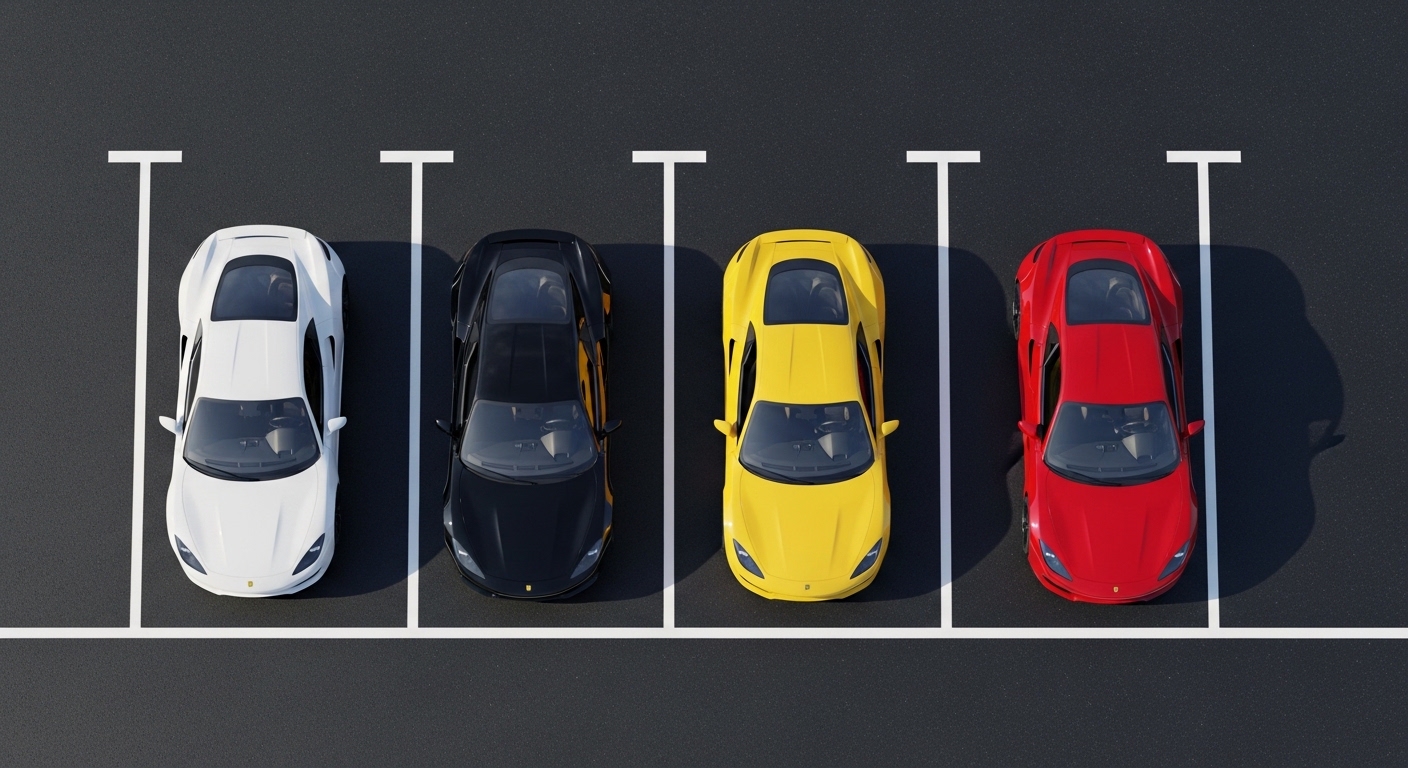
This one surprises most people: color genuinely affects resale value. Neutral colors — white, black, silver, gray — consistently hold value better than unusual or polarizing colors because they appeal to a broader pool of buyers. A bright yellow or two-tone paint job might be exactly what you want, but it narrows your future audience considerably.
Trim level matters too. A base model with minimal features can be harder to sell because buyers often want specific amenities. Conversely, the top-of-the-line trim with every possible option sometimes depreciates faster because the original price was so high. Mid-range trims with popular feature packages tend to hit the sweet spot for resale.
How Supply, Demand, and Economic Conditions Shape Depreciation
The Used Car Market Is Not Predictable
Anyone who bought or sold a used car during the global semiconductor shortage of the early 2020s witnessed something genuinely strange: used cars were selling for more than their original sticker prices. New vehicle production slowed dramatically, used inventory dried up, and basic supply-and-demand economics temporarily reversed the normal depreciation curve for many models.
That was an extreme case, but it illustrates a real principle. Depreciation is not a fixed physical law — it's a market phenomenon. External shocks, production disruptions, and shifts in consumer preference can all compress or accelerate the typical depreciation timeline.
Regional Demand Differences
A four-wheel-drive pickup truck holds its value much better in a rural mountain region than in a dense urban market where parking is scarce and fuel costs sting. Convertibles depreciate faster in northern climates where they're only usable a few months a year. If you're buying with resale in mind, the local market where you plan to sell matters as much as national averages.
Depreciation isn't just about the car — it's about who wants to buy it next, and where they live.
Why Car Depreciation Matters to Your Finances
The True Cost of Ownership
Most people calculate car costs as monthly payment plus insurance plus fuel. Depreciation rarely makes that mental list, even though it's often the single largest cost of owning a vehicle. For a new car that loses $8,000 in value over the first year, that's roughly $667 per month in depreciation alone — before a single tank of gas.
This is why financial advisors often point to buying a two- or three-year-old used vehicle as one of the most efficient car-buying strategies. The steepest depreciation has already happened. You get most of the useful life of the vehicle at a fraction of the original cost, and your own depreciation exposure is considerably lower.
Depreciation and the "Underwater" Loan Problem
When a car depreciates faster than a loan is paid down, the owner ends up "underwater" — owing more than the vehicle is worth. This is particularly common with long loan terms (six or seven years) on new vehicles, where early payments are mostly interest and the loan balance drops slowly. If the car is totaled or needs to be sold, the owner still owes the difference.
Gap insurance exists specifically to cover this scenario. It pays the difference between what an insurer values the car at and what the owner still owes on the loan. It's one of those products that sounds unnecessary until the exact moment it isn't.
(Opinion: The car industry has quietly normalized seven-year loan terms in a way that should make buyers uncomfortable. Stretching payments to make a depreciating asset "affordable" is a financial trap dressed up as flexibility — and the depreciation math makes it worse with every year added to the term.)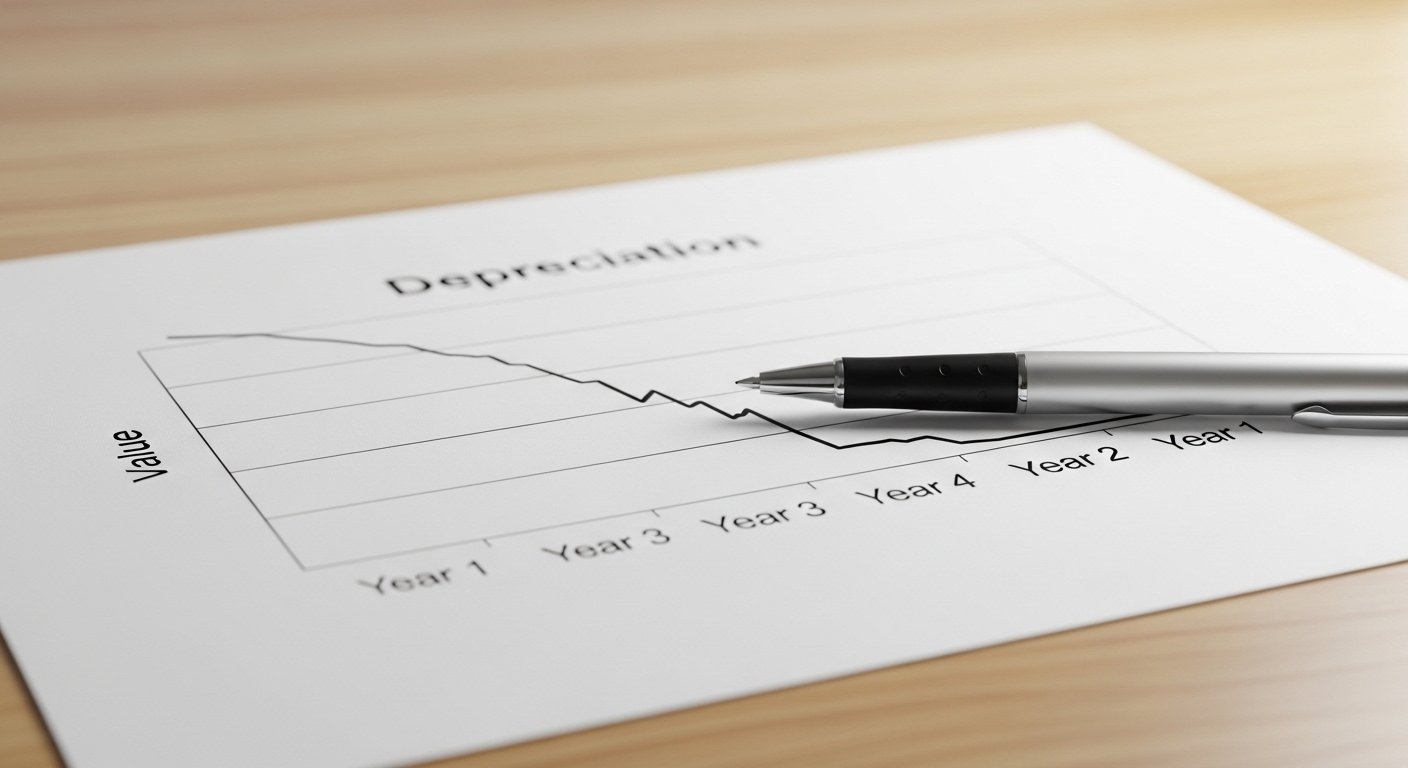
Frequently Asked Questions
Does depreciation affect leased cars the same way it affects owned cars?
Depreciation is actually the core calculation behind every lease. The leasing company estimates how much the car will depreciate over the lease term, and you pay for that depreciation — plus a financing charge — in your monthly payments. You don't own the car, so you don't absorb the full depreciation hit, but you also don't build any equity. Vehicles with strong residual values (low projected depreciation) produce lower lease payments because you're paying for a smaller value drop.
Which types of vehicles hold their value best?
Pickup trucks — particularly full-size models from major American manufacturers — have historically held their value better than most other vehicle categories. Certain compact SUVs and hybrid models from brands with strong reliability reputations also tend to depreciate more slowly. Luxury sedans and electric vehicles from newer or less-established brands have generally shown steeper depreciation, though this varies considerably by model and market conditions.
Can you actually slow down how fast your car depreciates?
You can influence it at the margins. Keeping mileage lower than average, maintaining complete service records, avoiding accidents, and choosing neutral colors at purchase all help preserve resale value. What you cannot control is broader market demand, fuel price shifts, or a competitor releasing a better model that makes yours feel dated. Depreciation is partly within your control and partly just the market doing what markets do.
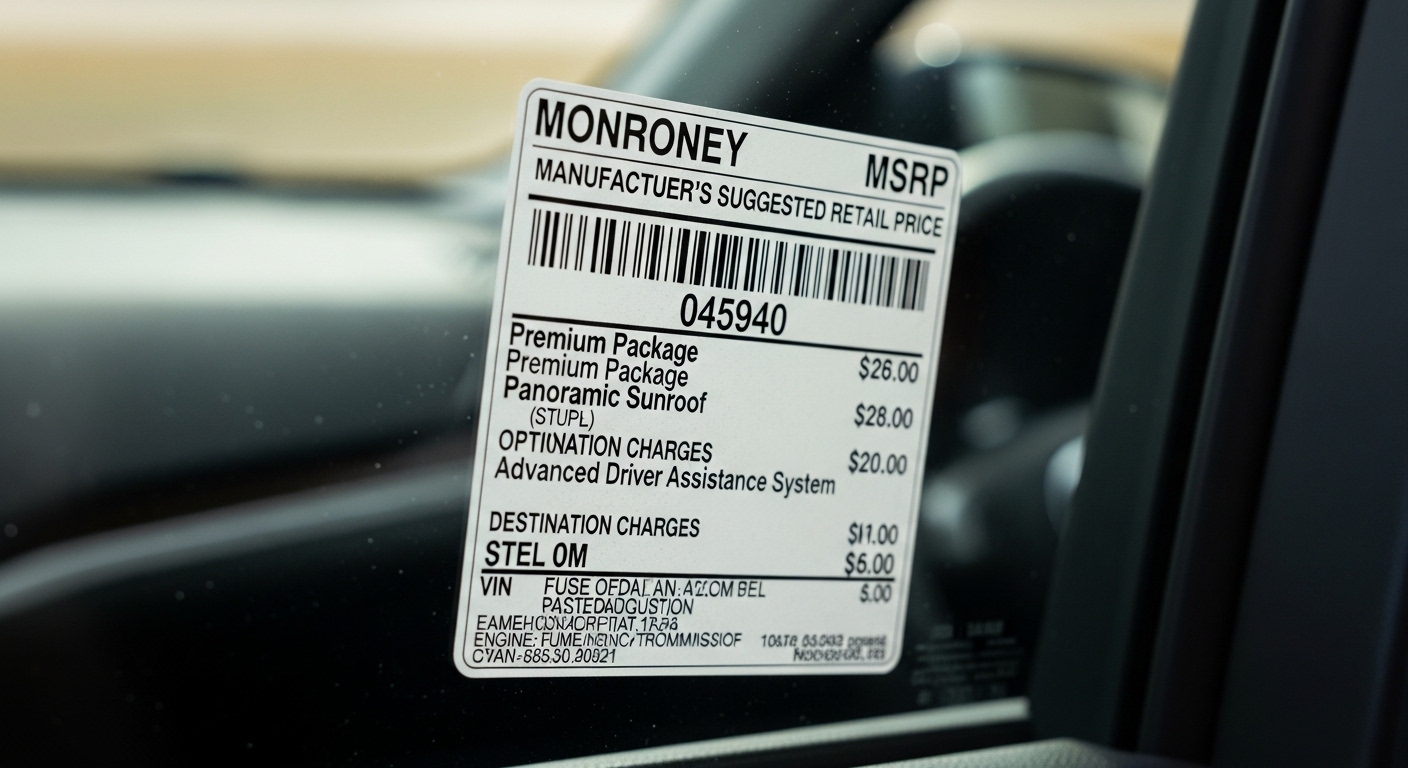
There's a version of car ownership where you treat the vehicle purely as transportation and accept depreciation as the cost of that convenience. There's another version where you treat every purchase as a financial decision and try to minimize the loss. Neither approach is wrong. But the people who get genuinely surprised — the ones who trade in a three-year-old car and feel blindsided by the offer — are usually the ones who never ran the depreciation numbers in the first place. The math was always there. It just wasn't on the window sticker.


Comments
Post a Comment