What Is White Hydrogen? A Look at This Potential New Energy Source
Hydrogen has been called the fuel of the future for decades — but most of the hydrogen we produce today comes from burning fossil fuels, which rather defeats the purpose. White hydrogen is different. It forms naturally underground, seeping up through ancient rock formations without any industrial process required. Geologists have known about these seeps for years, but the energy world is only now waking up to what they might mean.

What Is White Hydrogen? A Plain-Language Definition
How It Differs From Green, Blue, and Gray Hydrogen
The hydrogen color system is a shorthand for how hydrogen is made, not what the gas itself looks like. Gray hydrogen comes from natural gas via a process called steam methane reforming, releasing significant CO2. Blue hydrogen does the same but tries to capture that CO2. Green hydrogen uses renewable electricity to split water — clean, but expensive and energy-intensive.
White hydrogen — also called natural hydrogen, gold hydrogen, or geologic hydrogen — skips the manufacturing step entirely. It exists in the Earth's crust, produced by natural chemical reactions over geological timescales. Finding it is more like mining or drilling for a resource than building a factory to create one.
The gas itself is chemically identical to any other hydrogen molecule. The difference is purely in origin, and that origin has enormous implications for cost and carbon footprint.
What "Natural Hydrogen" Actually Means
The term "natural hydrogen" is increasingly preferred by scientists because it parallels "natural gas" — a substance that formed geologically and is extracted rather than manufactured. Some researchers use "gold hydrogen" to distinguish it from the color-coded industrial varieties. For this post, we'll stick with white hydrogen, which remains the most widely used term in energy journalism and policy circles as of 2026.
How Does White Hydrogen Form Underground?
The Serpentinization Process
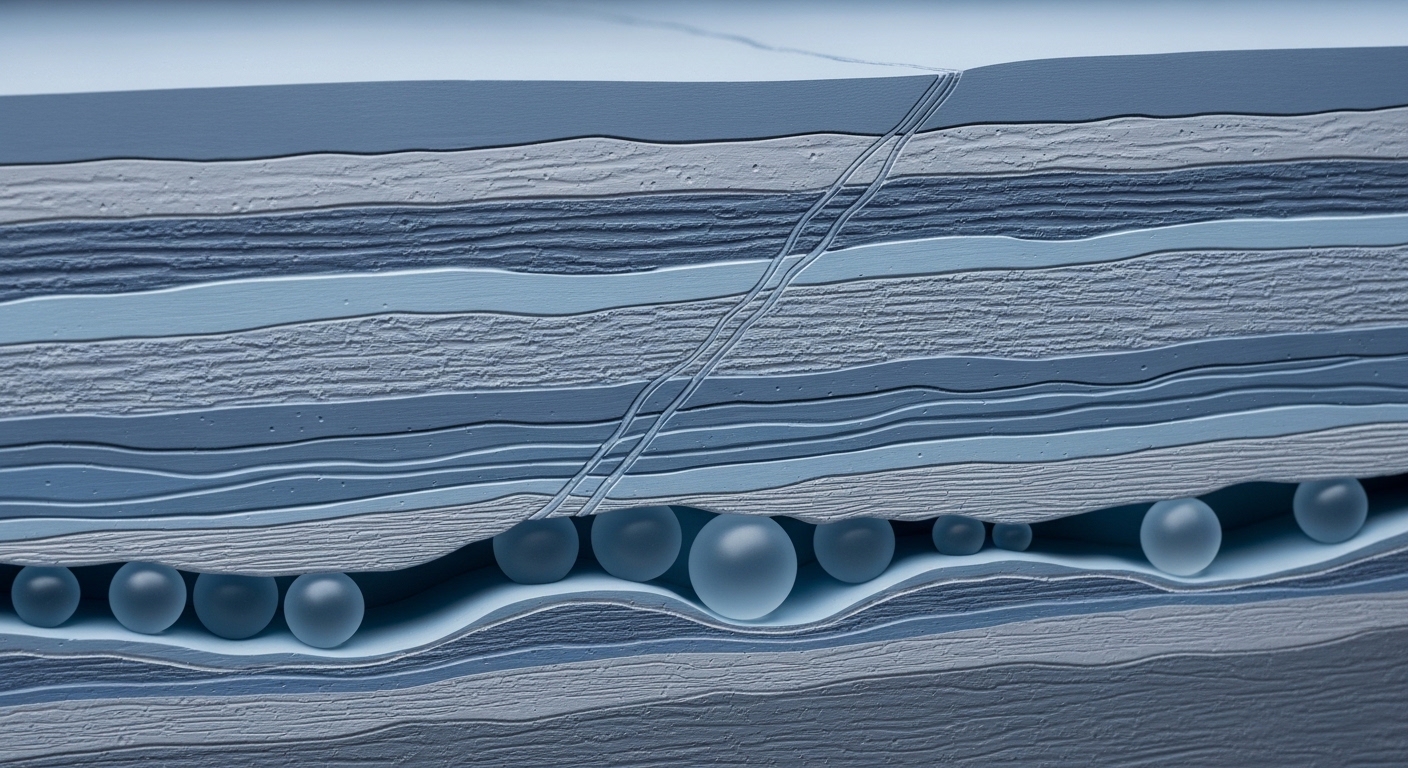
The dominant mechanism scientists point to is called serpentinization. When water percolates deep into the Earth and contacts iron-rich rocks — particularly a type called peridotite — a chemical reaction occurs that produces hydrogen gas as a byproduct. This process happens slowly, but the Earth has been running it for billions of years, meaning the accumulated reserves could be substantial.
A second pathway involves radiolysis: radioactive minerals in ancient rock formations break apart water molecules over time, releasing hydrogen. A third involves microbial activity deep underground, though this tends to produce smaller quantities. The key point is that multiple natural processes generate hydrogen continuously — it is not a one-time deposit like a coal seam.
White hydrogen may be a continuously replenishing resource, not a finite deposit — a distinction that could make it fundamentally different from every fossil fuel we have ever extracted.
Where These Deposits Are Found
Natural hydrogen seeps have been documented on every continent. One of the most studied sites is in Mali, West Africa, where a village accidentally drilled into a hydrogen-rich pocket while searching for water. The well has been venting nearly pure hydrogen for years. Similar seeps have been identified in Australia, the United States (particularly in the Midwest and along the East Coast), Russia, and parts of Eastern Europe.
Subsurface surveys conducted by energy companies and geological surveys in 2025 and 2026 have significantly expanded the list of candidate regions. The challenge is not finding hydrogen seeps — it is finding concentrations large enough and accessible enough to be commercially viable.

Why White Hydrogen Could Change the Energy Equation
The Cost Advantage Over Green Hydrogen
Green hydrogen production costs have been falling, but as of 2026 it still costs significantly more per kilogram to produce than conventional fuels on an energy-equivalent basis. White hydrogen, if extracted directly from the ground, could potentially cost a fraction of that — some early estimates suggest figures competitive with or even below natural gas, though these numbers vary widely depending on deposit quality and location.
The logic is straightforward: you are skipping the electrolysis equipment, the renewable electricity input, and the manufacturing infrastructure. You are drilling a well and collecting a gas that is already there. The capital cost profile looks more like an oil and gas operation than a clean-energy manufacturing plant.
If even a fraction of the world's estimated natural hydrogen deposits are commercially extractable, the economics of the entire hydrogen economy could be rewritten overnight.
The Carbon Footprint Question
Here is the counterintuitive part: white hydrogen is not automatically carbon-free just because it comes from the ground. Drilling, compression, and transport all require energy. If that energy comes from fossil fuels, the net carbon benefit shrinks. Additionally, hydrogen itself is an indirect greenhouse gas — it reacts with atmospheric compounds in ways that can amplify warming if it leaks in large quantities during extraction or transport.
Research suggests that with careful extraction and minimal leakage, white hydrogen could have a dramatically lower lifecycle carbon footprint than gray or blue hydrogen, and potentially competitive with green hydrogen. But "potentially" is doing a lot of work in that sentence. The industry is still in early stages, and rigorous lifecycle analyses are limited.
What the White Hydrogen Industry Looks Like in 2026
Companies and Countries Moving First
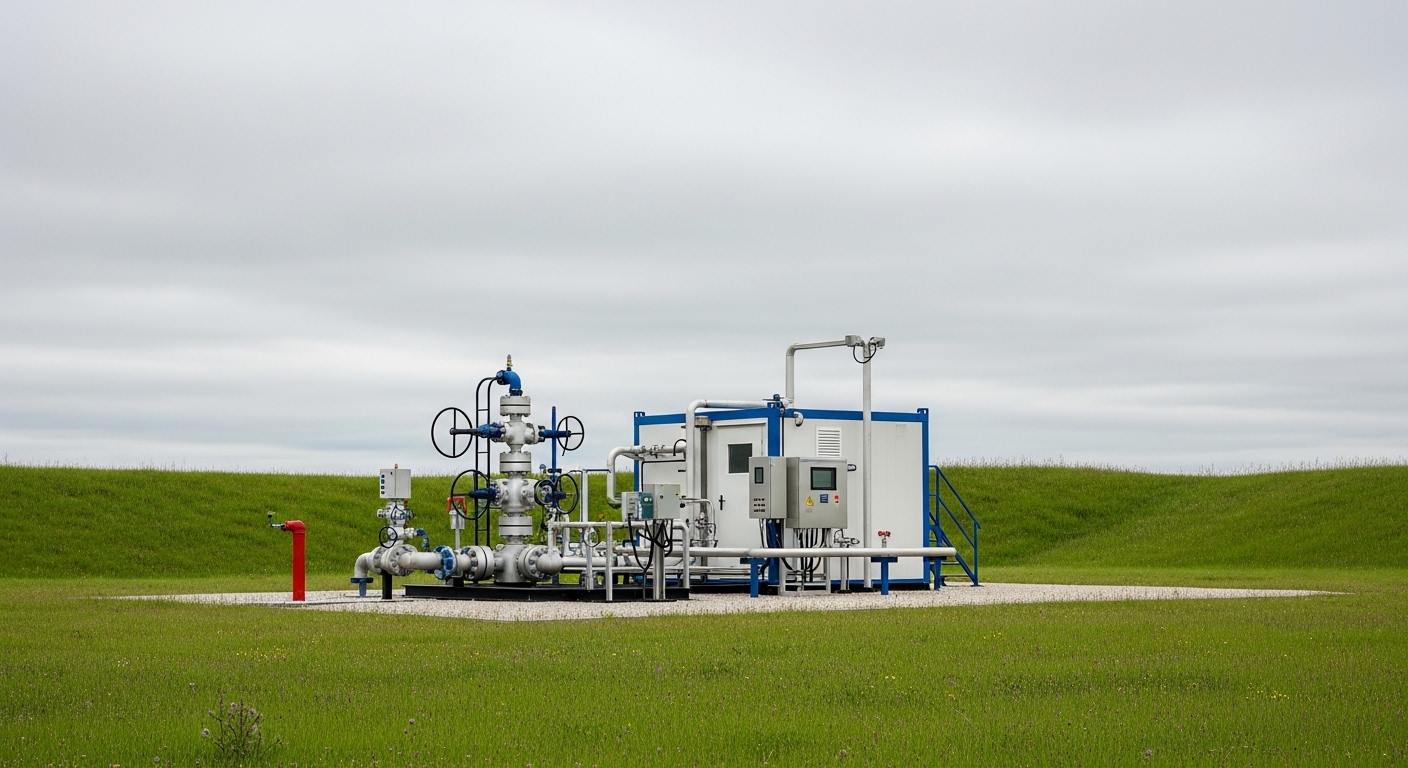
A handful of startups and junior energy companies have moved from geological surveys to exploratory drilling in the past two to three years. Australia has seen notable activity, with several companies holding exploration licenses over areas identified as geologically favorable. The United States Geological Survey published assessments in recent years flagging the potential scale of domestic natural hydrogen resources, which drew significant attention from investors and policymakers.
France has been an unexpected leader in research, partly because French geologists were among the first to rigorously study the Mali seep and publish findings that caught the broader scientific community's attention. Several European energy majors have quietly begun geological assessments alongside their better-publicized green hydrogen investments.
The Regulatory and Technical Gaps Still to Fill
No country had a fully developed regulatory framework specifically for natural hydrogen extraction as of early 2026. Most jurisdictions are adapting existing oil and gas regulations, which may not be a perfect fit for a resource that behaves differently — particularly its tendency to leak through materials that contain conventional gases just fine. Hydrogen embrittlement, where hydrogen weakens metal pipelines and equipment over time, is a known engineering challenge that the industry is actively working to address.
Subsurface mapping technology also needs to improve. Unlike oil and gas, which leave distinctive seismic signatures, hydrogen deposits are harder to locate with confidence from the surface. Companies are developing new sensor arrays and geochemical sampling methods to improve the hit rate on exploratory wells.
(Opinion: White hydrogen feels like one of those moments where a resource was hiding in plain sight the whole time. The Mali well has been venting hydrogen for years while the world spent billions trying to manufacture the stuff. That gap between what nature was already doing and what we were paying to replicate industrially is almost embarrassing in retrospect — and it suggests we should be a lot more curious about what else the Earth might be quietly offering up.)
Frequently Asked Questions About White Hydrogen
Is white hydrogen the same as green hydrogen?
No. Green hydrogen is manufactured by using electricity — ideally from renewable sources — to split water molecules in a process called electrolysis. White hydrogen forms naturally in the Earth's crust through geological and chemical processes and is extracted by drilling, similar to natural gas. They are chemically the same molecule, but their origins, costs, and carbon footprints are very different.
How much white hydrogen actually exists underground?
Estimates vary enormously and are still highly uncertain. Some geological assessments suggest the total resource could be very large — figures in the trillions of cubic meters have been floated in scientific literature — but the commercially extractable fraction is unknown. The field is young, subsurface mapping tools are still developing, and many deposits identified so far are in remote or geologically complex locations.
When could white hydrogen become a real energy source?
Exploratory drilling is underway in multiple countries as of 2026, but commercial-scale production is likely still several years away at minimum. The industry needs to solve extraction efficiency, leakage control, and regulatory frameworks before white hydrogen can meaningfully contribute to energy supply. Most analysts treat it as a promising medium-term prospect rather than an imminent solution.
White hydrogen sits at a genuinely exciting inflection point — past the stage of being a geological curiosity, but not yet close to being a proven energy industry. The next few years of exploratory drilling and lifecycle research will determine whether it becomes a footnote or a cornerstone of the clean energy transition. Either way, the idea that the Earth has been quietly producing hydrogen all along — and we only recently thought to look for it — is a reminder that some of the most important discoveries are hiding just below the surface.



Comments
Post a Comment