What Is 'Last-Mile Delivery' and Why Is It So Challenging?
Delivering a package from a warehouse to your front door costs more per mile than any other leg of its journey — often accounting for estimates of 40 to 50 percent of total shipping costs. That single statistic explains why every major retailer, logistics company, and startup with a cargo bike has been obsessing over the same short stretch of road for the past decade. The 'last mile' sounds trivial. It is anything but.
What Is Last-Mile Delivery, Actually?
The Plain-Language Definition
Last-mile delivery refers to the final stage of a product's journey through the supply chain — from a local distribution hub or fulfillment center to the end customer's address. The 'mile' is metaphorical. In a dense city it might be three blocks. In a rural county it might be forty actual miles of winding road.
The term originated in telecommunications, where it described the physical connection between a central network and individual homes. Logistics borrowed it because the problem is structurally identical: getting something from a centralized node to thousands of scattered endpoints is far harder than moving it between two large hubs.
What makes it distinct from the rest of the supply chain is the sheer fragmentation. A single long-haul truck carries hundreds of pallets to one destination. A last-mile delivery van carries dozens of individual parcels to dozens of different addresses, each requiring a separate stop, a separate interaction, and a separate outcome.
Where the Journey Actually Starts
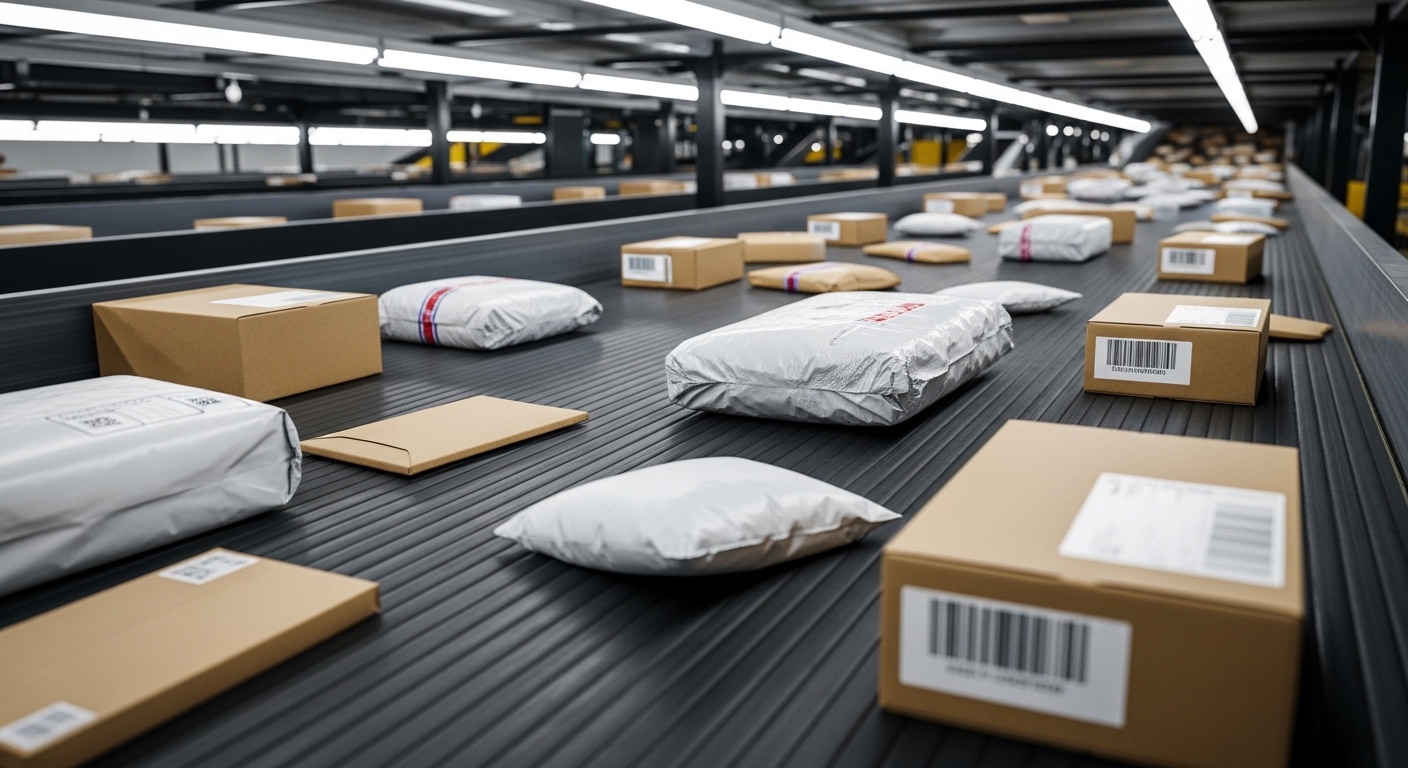
Most people picture the delivery driver as the whole story. But the last mile begins the moment a package leaves a sorting facility — sometimes called a 'last-mile hub' or 'delivery station' — which itself sits downstream from regional distribution centers and long-haul freight networks. The driver is just the final actor in a chain that may have crossed multiple continents.
How Last-Mile Delivery Actually Works — The Operational Reality
Route Planning and the Traveling Salesman Problem
Every morning, a delivery driver receives a manifest of stops. Sequencing those stops efficiently is a version of one of the most famous problems in computer science: the traveling salesman problem, which asks for the shortest possible route through a set of points. Even with modern routing software, real-world conditions — traffic, road closures, customer availability, parking — make the theoretical optimum nearly impossible to hit.
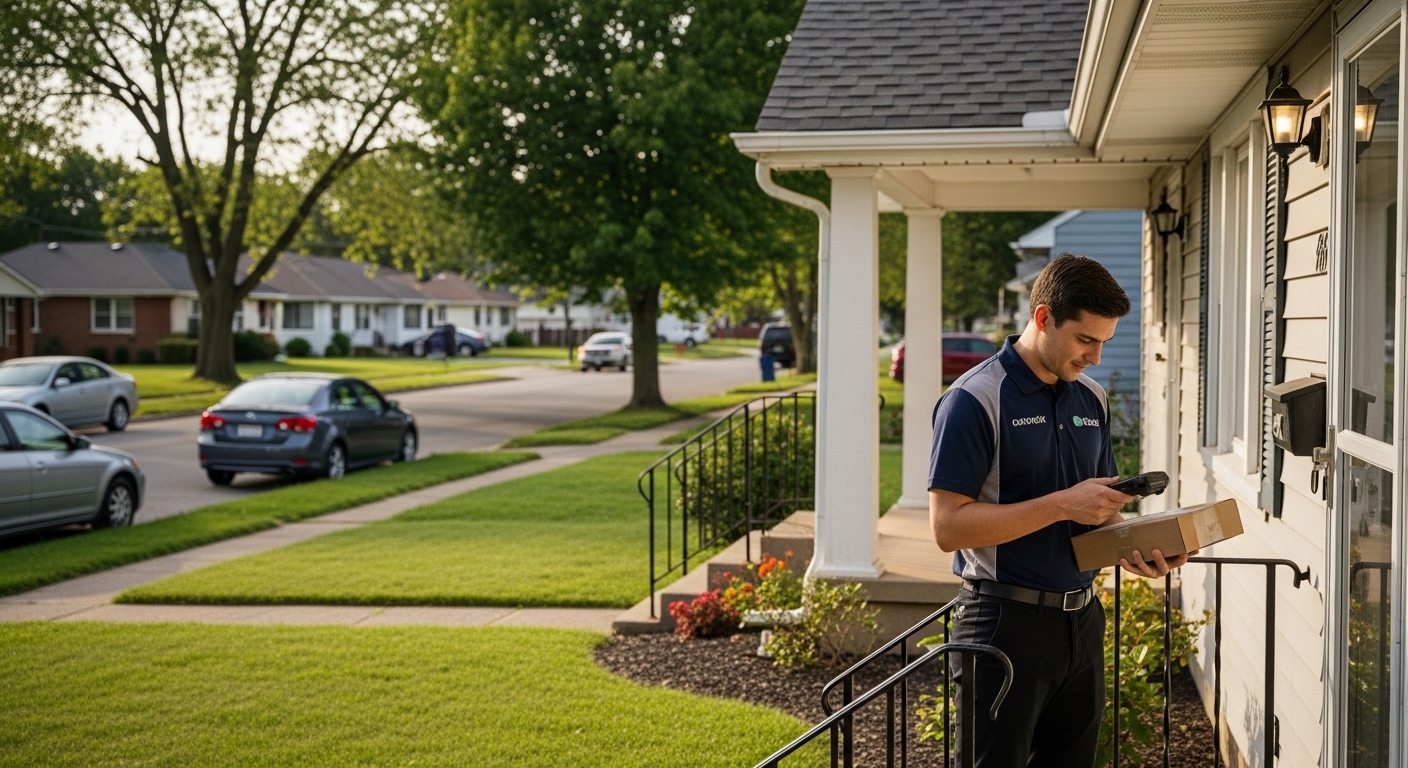
Here is the part that surprises most people: failed delivery attempts are one of the single largest cost drivers in last-mile logistics. When nobody is home, the driver must either leave the package unattended, return another day, or redirect it to a pickup point. Each of those outcomes costs money. Estimates suggest that a failed first-delivery attempt can add meaningful cost per parcel — and in dense urban markets, failure rates on first attempts can run surprisingly high.
Failed first-delivery attempts are not an edge case — in some urban markets they are common enough to reshape entire business models around them.
The Urban vs. Rural Split
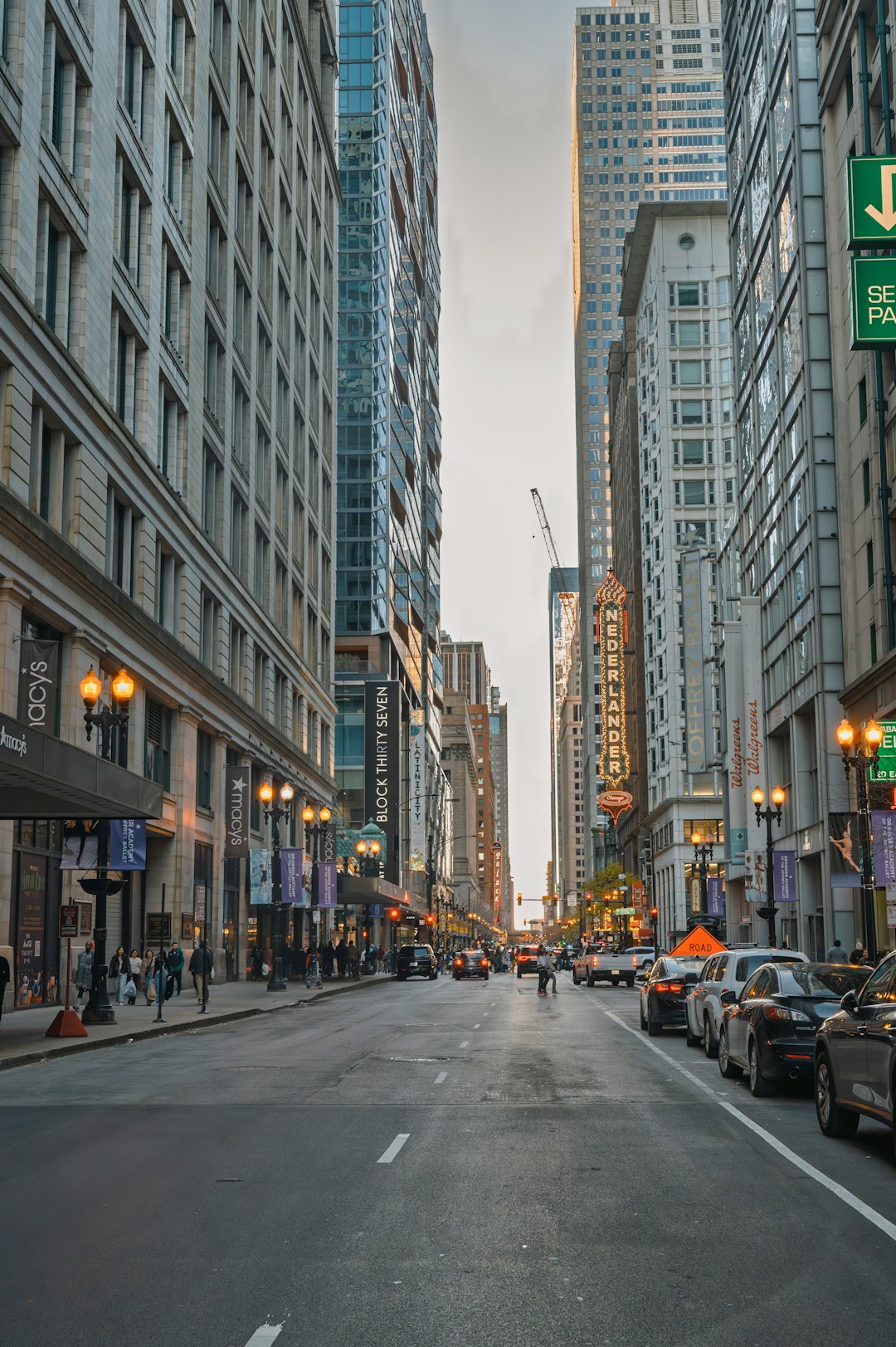
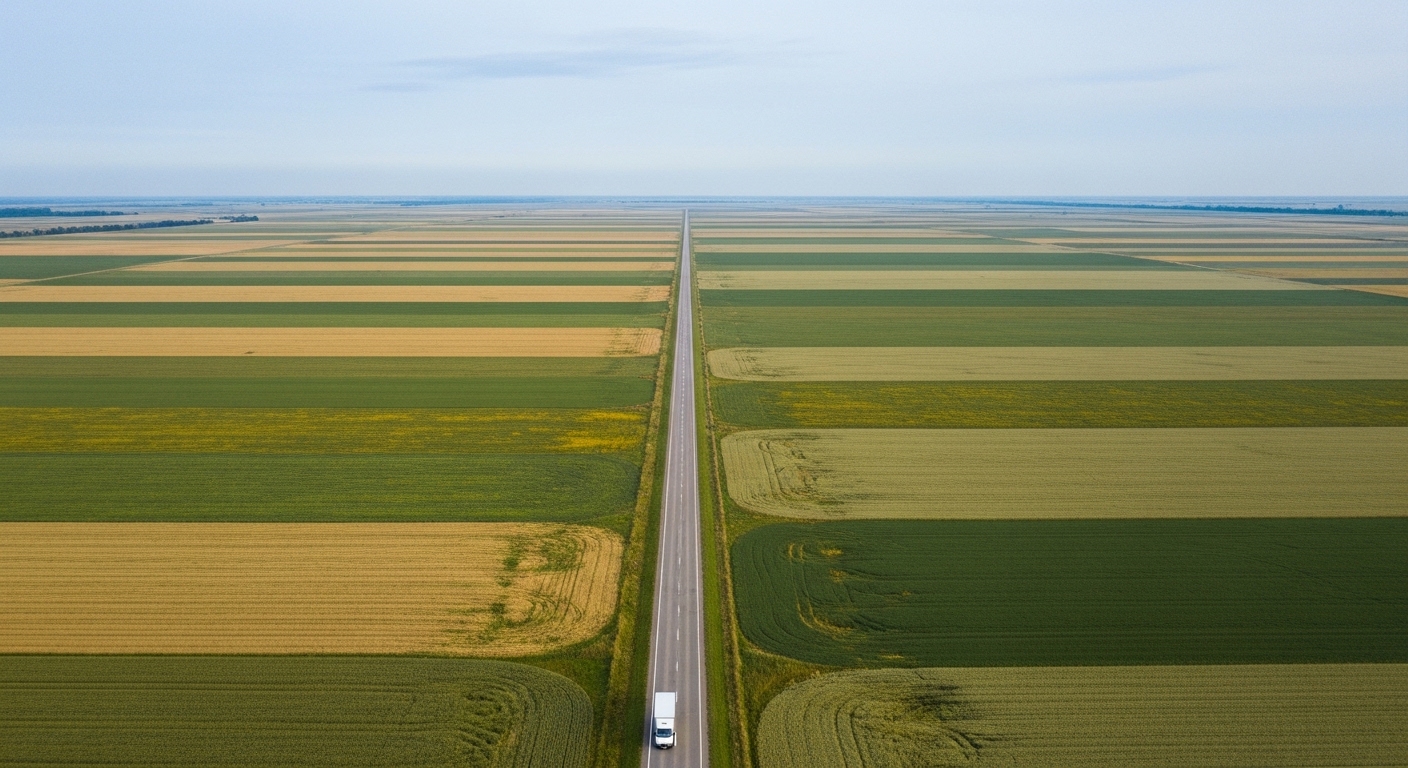
Urban delivery looks like a parking and density problem. Rural delivery looks like a distance and volume problem. Neither is easy, but they fail in completely different ways. A driver in a city center might spend more time searching for a legal parking spot than actually walking to the door. A driver covering a sparse rural route might travel hundreds of miles to deliver a handful of packages, making the economics nearly impossible without subsidies or surcharges.
Amazon's decision to build its own delivery network — Amazon Logistics — was partly driven by the realization that existing carriers priced rural delivery in ways that made fast, cheap shipping to those addresses unworkable at scale. That is a publicly documented strategic shift, and it reshaped how the entire industry thought about vertical integration in logistics.
Why Last-Mile Delivery Is So Expensive and Difficult
The Density Problem
Logistics economics run on density. The more stops you can cluster into a small geographic area, the lower your cost per delivery. Long-haul freight is efficient because it moves massive volume between two fixed points. Last-mile delivery is the opposite: small volumes, dispersed endpoints, unpredictable stop durations. Every time a driver parks, walks to a door, waits, and returns, the clock is running and the revenue per minute is low.
This is why grocery delivery in Manhattan is structurally different from grocery delivery in suburban Ohio. The Manhattan driver might complete 30 or more stops in a single shift within a few square blocks. The Ohio driver might complete a fraction of that across a much larger area. Same labor cost, very different output.
Customer Expectations Have Moved the Goalposts
Same-day and next-day delivery, once a premium novelty, have become a baseline expectation for a large segment of online shoppers. That shift happened faster than infrastructure could adapt. Fulfilling a two-day delivery promise requires a fundamentally different network footprint than fulfilling a five-day promise — more local warehouses, more drivers, more vehicles sitting ready to move on short notice.
Anyone who has watched a 'delivery by 8pm tonight' countdown timer knows the psychological effect this creates. The expectation is now baked in, and walking it back is commercially difficult even when the economics argue for it.
Speed expectations set by the largest players become the floor for the entire industry — including smaller operators who cannot afford the infrastructure to match them.
Labor, Vehicles, and the Hidden Costs
Driver labor is the dominant cost in last-mile delivery, and it is not easily automated away — at least not yet. Vehicles need fuel, maintenance, and insurance. Urban congestion adds time without adding stops. And unlike a warehouse, where operations can be optimized in a controlled environment, a delivery route plays out across an unpredictable public landscape every single day.
There is also the gig economy dimension. Many carriers have shifted toward independent contractor models to reduce fixed labor costs, but this creates its own complications around reliability, training consistency, and — in several well-documented legal cases in the United States and Europe — questions about worker classification that have resulted in significant regulatory scrutiny.
How Companies Are Trying to Solve the Last-Mile Problem
Micro-Fulfillment and Urban Warehouses
One approach is to shrink the last mile by moving inventory closer to customers. Micro-fulfillment centers — small, often automated warehouses placed inside or near urban areas — reduce the distance a package needs to travel on its final leg. Several major grocery chains have experimented with this model, converting underused retail floor space into picking areas that feed local delivery routes.
The tradeoff is cost and complexity. Running dozens of small facilities is operationally harder than running a few large ones, and the inventory management challenges multiply quickly. It works best for high-frequency, predictable categories like groceries and household consumables.
Alternative Delivery Models — Lockers, Drones, and Cargo Bikes
Package lockers placed in apartment lobbies, transit stations, and convenience stores address the failed-delivery problem directly. If the customer is not home, the package goes into a locker and the driver moves on. Amazon, DHL, and several national postal services have invested heavily in locker networks, and the model has proven genuinely effective in dense urban environments.
Drone delivery gets more press coverage than its current scale probably warrants. Several companies have run limited commercial operations in specific markets — Wing (a subsidiary of Alphabet) has operated drone delivery in parts of Australia and the United States under regulatory approval. But airspace regulation, payload limits, weather sensitivity, and public acceptance remain real constraints. Cargo bikes and electric cargo vehicles are arguably having a larger practical impact right now, particularly in European cities where emissions regulations are pushing diesel vans out of city centers.
(Opinion: The drone delivery narrative has absorbed an enormous amount of investor attention and media coverage relative to its near-term commercial impact. Cargo bikes and smart locker networks are less photogenic but are solving the actual problem in more markets, right now.)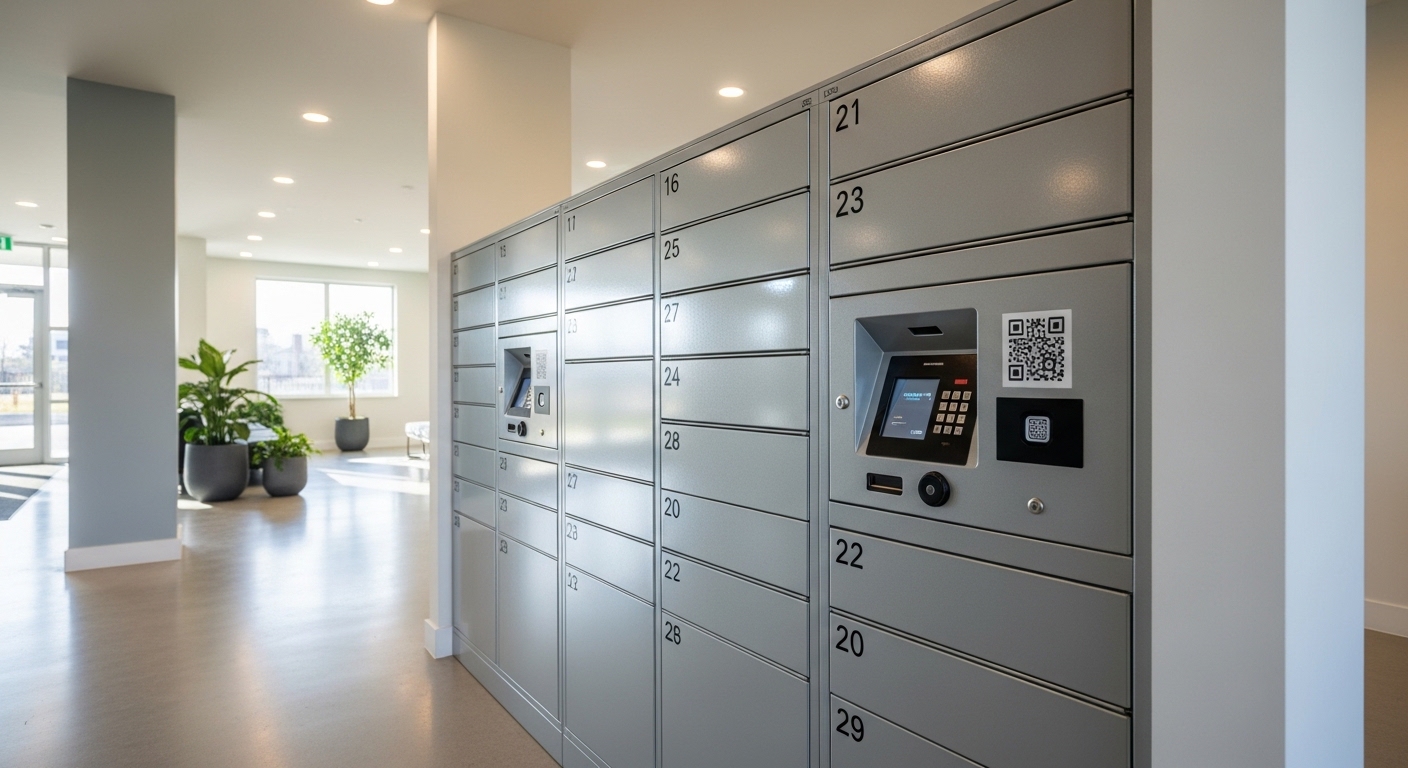
What Last-Mile Delivery Means for Consumers and Cities
The Environmental Footprint Nobody Talks About Enough
The explosion in e-commerce has put significantly more delivery vehicles on urban roads than existed a decade ago. Failed deliveries compound this: a package that requires two or three attempts generates two or three times the emissions and congestion of a successful single delivery. Some city governments — notably in parts of Western Europe — have begun restricting diesel delivery vehicles in city centers and experimenting with consolidated delivery schemes where multiple carriers share the same final-leg infrastructure.
There is a counterintuitive finding buried in the research here: a well-optimized delivery van serving a dense urban route can, in some scenarios, produce fewer emissions per item than the equivalent number of individual consumers driving to a store. The math depends heavily on vehicle type, route density, and what the consumer trip would have looked like. It is not a simple story either way.
What This Means for the Price You Pay
Free shipping is not free. The cost is either absorbed by the retailer as a customer acquisition expense, baked into product prices, or subsidized by high-margin items that cross-fund low-margin deliveries. As fuel costs, labor costs, and regulatory requirements increase, the pressure to make delivery economics visible to consumers — through delivery fees, minimum order thresholds, or membership programs — is growing.
The 'free shipping on everything' era may be gradually giving way to a more tiered model, where speed and convenience are priced explicitly. That is not necessarily bad for consumers who are willing to wait — it may actually make slower, more efficient delivery more economically attractive for everyone involved.
Frequently Asked Questions
Why is last-mile delivery more expensive than long-haul shipping?
Long-haul freight moves large volumes between two fixed points, spreading costs across thousands of items. Last-mile delivery involves many individual stops, each requiring separate handling, navigation, and customer interaction. The cost-per-item rises sharply because you cannot batch the final step the way you can batch a truckload.
Will autonomous vehicles or drones eventually solve the last-mile problem?
They will likely reduce costs in specific contexts — drones for low-density rural areas, autonomous ground vehicles for predictable suburban routes — but neither technology is close to replacing human drivers at scale. Regulatory approval, edge-case handling, and the physical reality of apartment buildings and gated communities present challenges that remain unsolved. Estimates for meaningful autonomous last-mile deployment vary widely across industry forecasters.
Does ordering more items in one delivery actually help?
Yes, in a meaningful way. Consolidating orders reduces the number of separate delivery trips to your address, which lowers cost and emissions per item. Some retailers now offer incentives — slower delivery windows, small discounts — to encourage customers to batch orders rather than triggering a shipment for every individual purchase. It is one of the simplest behavioral changes with real logistical impact.
The last mile is, in a sense, where the entire promise of modern commerce either holds or breaks. Every optimization upstream — the automated warehouse, the AI-driven demand forecast, the perfectly routed long-haul truck — eventually hands off to a person navigating a real street with real obstacles. The gap between what logistics networks can do in theory and what they can do at your specific door, on a rainy Tuesday afternoon when you are not home, is where the industry's hardest problems actually live. And closing that gap even slightly, at the scale of billions of deliveries per year, is worth an enormous amount of money to the people who figure it out.


Comments
Post a Comment