Brain Freeze Explained: The Surprising Science Behind an Ice Cream Headache
Brain freeze hits in under a second. One moment you're enjoying a cold drink or a spoonful of ice cream, and the next a sharp, almost comical pain radiates across your forehead — sometimes spreading to your temples or the back of your skull. It lasts anywhere from a few seconds to about a minute, and then it's gone as mysteriously as it arrived. The whole experience is so universal that most people have never stopped to wonder what's actually happening inside their head when it occurs.

What Is Brain Freeze, Really?
The Medical Name Nobody Uses
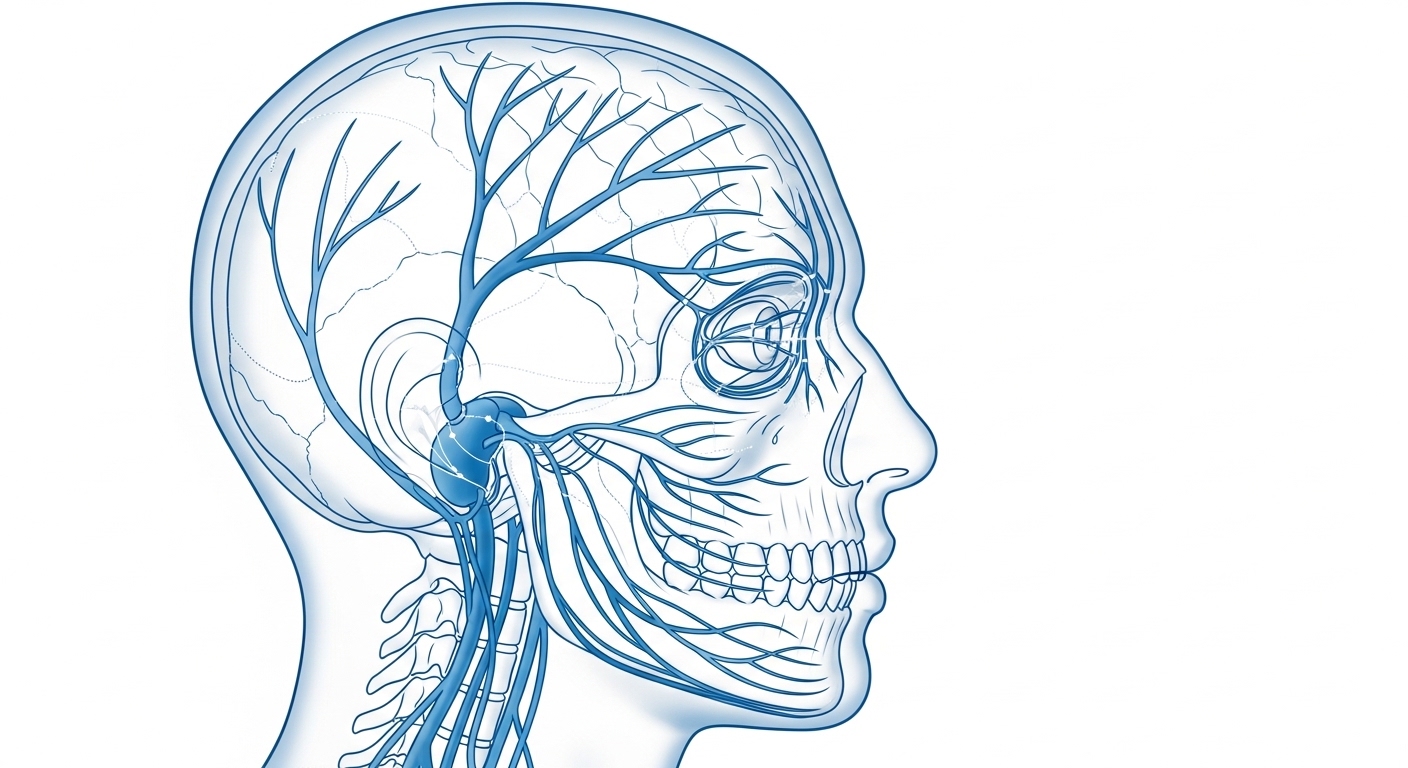
The clinical term for brain freeze is sphenopalatine ganglioneuralgia — a mouthful that refers to the sphenopalatine ganglion, a nerve cluster located just behind the nose. When something very cold touches the roof of your mouth, particularly the area near the back where the palate meets the throat, that nerve cluster gets involved in a rapid-fire chain of events. The result is the brief but unmistakable headache most people associate with eating ice cream too fast.
It's not actually your brain that's freezing, of course. Your brain has no pain receptors of its own. The pain is referred — meaning it originates in one place but registers somewhere else entirely, which is why it feels like it's behind your eyes or across your forehead rather than in the roof of your mouth where the cold actually landed.
Who Gets It?
Not everyone is equally susceptible. Research suggests that people who experience migraines may be more prone to brain freeze, and some migraine researchers have studied it as a potential model for understanding how migraine pain works. The underlying mechanism shares enough features with migraine that it's become genuinely useful to neuroscientists — not just a quirky party fact.

How Does Brain Freeze Actually Work?
The Blood Vessel Response
The leading explanation involves your blood vessels and a nerve called the trigeminal nerve, which is responsible for sensation across much of your face. When something cold hits the palate, the blood vessels in that area constrict rapidly in response to the temperature drop. Your body interprets this as a potential threat to brain temperature — the brain is extraordinarily sensitive to temperature changes — and responds by rapidly dilating the anterior cerebral artery, a major blood vessel that supplies the front of the brain.
That sudden dilation is what causes the pain. The trigeminal nerve detects the rapid change in blood vessel diameter and fires a pain signal. Because the trigeminal nerve also covers your forehead and temples, the brain 'misreads' the source of the signal and you feel the pain in your forehead rather than the roof of your mouth. This is referred pain in action — the same phenomenon that makes heart attack patients feel pain in their left arm.
The brain doesn't feel pain directly — every headache you've ever had is technically referred pain from surrounding structures. Brain freeze just makes that fact unusually obvious.
Why Does Warming the Palate Stop It?
The classic folk remedy — pressing your tongue to the roof of your mouth, or drinking something warm — actually works, and the mechanism explains why. Warming the palate reverses the temperature drop that triggered the vascular response. The anterior cerebral artery stops dilating, the trigeminal nerve calms down, and the pain signal stops. It's not a placebo. The physics of the situation genuinely resolve when the temperature normalizes.
Drinking warm water is faster than waiting it out. Pressing your thumb against the roof of your mouth works too, since body heat transfers quickly to the palate tissue. Anyone who's ever desperately pressed their tongue upward during a bad brain freeze was doing exactly the right thing — they just probably didn't know why.
The Migraine Connection — and What Brain Freeze Reveals About Pain
A Useful Research Tool
Here's where it gets genuinely interesting. Migraine is one of the most common neurological conditions in the world, affecting a significant portion of the global population, yet its exact mechanisms remain only partially understood. Brain freeze is one of the few ways researchers can reliably induce a headache in a controlled lab setting. Participants drink ice water, the headache begins, it ends — and the whole cycle can be measured with imaging equipment.
Studies using this method have helped confirm the role of rapid arterial dilation in headache pain, and some researchers believe the sphenopalatine ganglion involved in brain freeze may also play a role in cluster headaches. There's even a procedure — sphenopalatine ganglion blocks — used to treat certain chronic headache conditions. The ice cream headache, it turns out, has been pointing toward serious neurology the whole time.
Brain freeze is one of the only headaches science can switch on and off predictably — which makes it surprisingly valuable as a research model for migraine and cluster headache.
The Speed of the Response
What's striking is how fast all of this happens. The cold hits the palate, the vascular response triggers, and pain registers — all within a second or two. The nervous system is operating at remarkable speed, and the whole episode is a reminder of how aggressively the body protects the brain from temperature fluctuation. Core brain temperature is tightly regulated within a very narrow range, and the body treats even a perceived threat to that range as an emergency worth a pain signal.
(Opinion: There's something almost absurd about the fact that one of the most reliable ways to study migraine neurology involves handing someone a slushie. But that's often how science works — the most accessible models turn out to be the most useful ones.)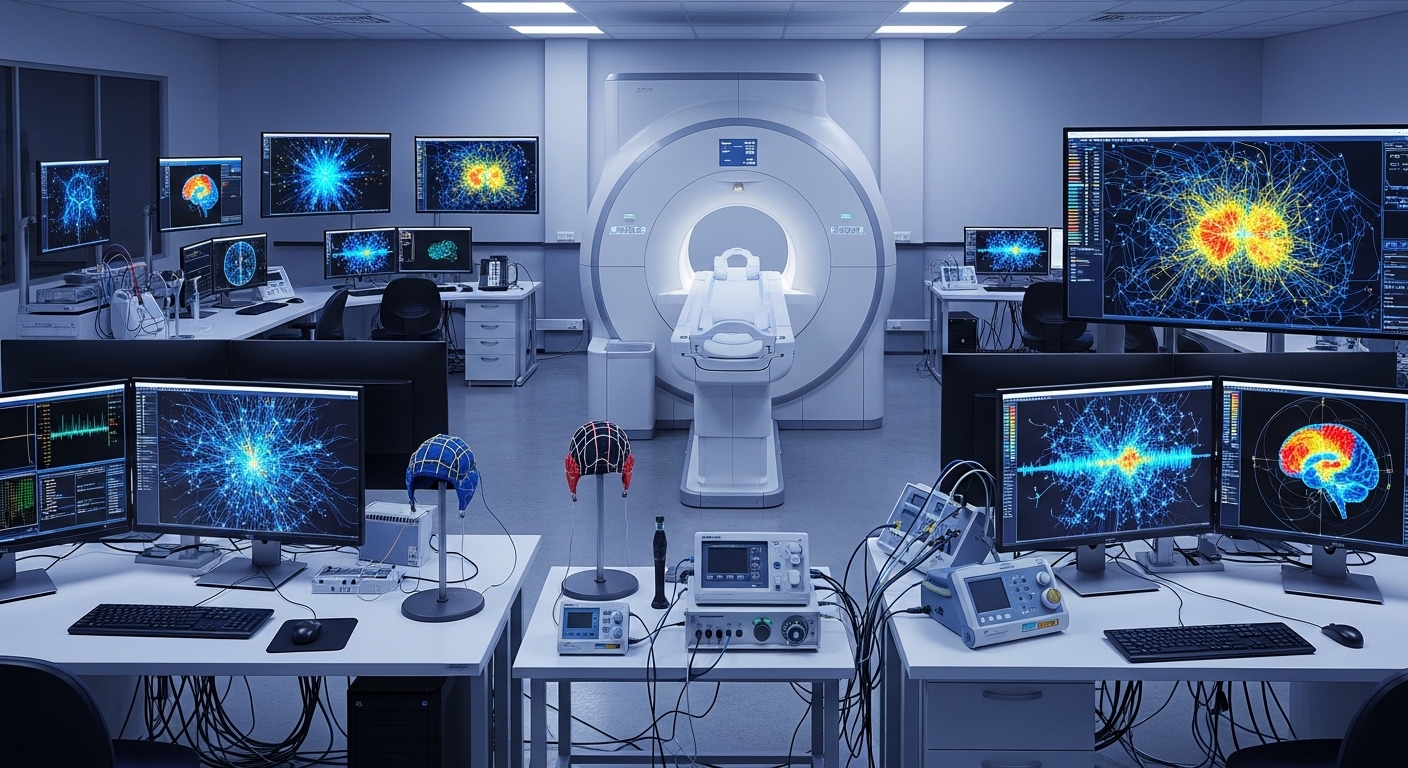
Why Brain Freeze Matters Beyond the Headache
What It Tells Us About Referred Pain
Brain freeze is a clean, harmless demonstration of referred pain — the phenomenon where the brain misidentifies the location of a pain signal. This happens because pain pathways in the nervous system share routes, and the brain sometimes makes the wrong attribution. The same principle explains why a pinched nerve in your lower back can cause pain that shoots down your leg, or why certain types of shoulder pain can indicate a problem with the diaphragm.
Understanding referred pain matters clinically because it's easy to treat the wrong location. Doctors are trained to look for this mismatch, but patients often aren't. Brain freeze is a rare case where you can feel referred pain in real time, in a completely safe context, and actually understand what's happening while it's happening.
The Counterintuitive Takeaway
The surprising part isn't that cold food causes a headache — it's that the headache is your body trying to protect your brain. The pain isn't a malfunction. It's an overcorrection. The vascular response that causes the discomfort is the same protective mechanism that keeps your brain at a stable temperature under normal conditions. You're not experiencing a failure of your nervous system; you're experiencing it working exactly as designed, just triggered by something it wasn't built to expect.
Cold food didn't exist in the environment that shaped human pain responses. Ice cream, frozen drinks, and slushies are evolutionary novelties. The nervous system is doing its best with a situation it was never designed to handle.

Frequently Asked Questions
Can brain freeze cause any lasting damage?
No. Brain freeze is entirely benign and causes no structural damage to the brain or surrounding tissue. The pain is sharp but brief, and once the temperature normalizes, the vascular response reverses completely. There's no evidence that repeated brain freeze episodes have any cumulative negative effect.
Why do some people never seem to get brain freeze?
Individual variation in nerve sensitivity and vascular reactivity likely explains this. Some people may have a less reactive sphenopalatine ganglion, or their blood vessels may respond less dramatically to rapid temperature changes in the palate. It's also possible that eating technique plays a role — people who eat cold food more slowly may simply never trigger the threshold needed to set off the response.
Is brain freeze related to migraines — or can it trigger one?
Research suggests people who experience migraines are more susceptible to brain freeze, and the two conditions share some overlapping vascular mechanisms. There are anecdotal reports of brain freeze triggering a full migraine in susceptible individuals, though this appears to be uncommon. If you're a migraine sufferer, eating cold foods slowly is a reasonable precaution.
The next time it happens — that sudden stab behind the eyes after a too-fast sip of something frozen — you'll know you're not experiencing a glitch. You're watching a protective system fire a warning it was never meant to fire, in response to a pleasure that didn't exist when that system was built. The pain is real. The threat it's responding to isn't.


Comments
Post a Comment