From Grain to Glass: A Beginner's Guide to How Whisky Is Made
A single bottle of Scotch whisky can legally sit in a barrel for decades before anyone is allowed to call it aged — and the barrel itself contributes more flavor than the distiller does. That fact alone reframes how most people think about whisky. It is not just a drink; it is a process that spans years, sometimes generations, shaped by grain, water, yeast, wood, and time in roughly equal measure. If you have ever stared at a whisky menu feeling slightly lost, this guide is the clearest path from zero to genuinely informed.
Key Concepts You Need to Know First
What Whisky Actually Is
Whisky is a distilled spirit made from fermented grain mash. The grain can be barley, corn, rye, wheat, or a combination — and that choice is one of the first things that separates a Scotch from a bourbon from an Irish whiskey. The spelling matters too: Scotland, Japan, and Canada tend to use 'whisky'; Ireland and the United States typically use 'whiskey.' Neither is wrong — they just reflect regional tradition.
Every whisky starts as something that resembles a thick, cloudy beer. Fermentation happens first, then distillation concentrates the alcohol, then maturation in wood transforms the raw spirit into something worth sipping. Skip or rush any of those three stages and the result is noticeably worse.
The Main Whisky Styles at a Glance
Before diving into the process, it helps to know the landscape. Scotch single malt is made from malted barley at a single distillery. Bourbon must be made in the United States, use at least 51% corn, and age in new charred oak containers. Irish whiskey is typically triple-distilled and known for its lighter, smoother character. Japanese whisky largely follows Scottish methods but with its own regional water sources and blending philosophy. Knowing this upfront makes the process steps easier to connect to the bottle in your hand.
Your First Steps — Understanding the Production Process
Step 1: Malting and Mashing
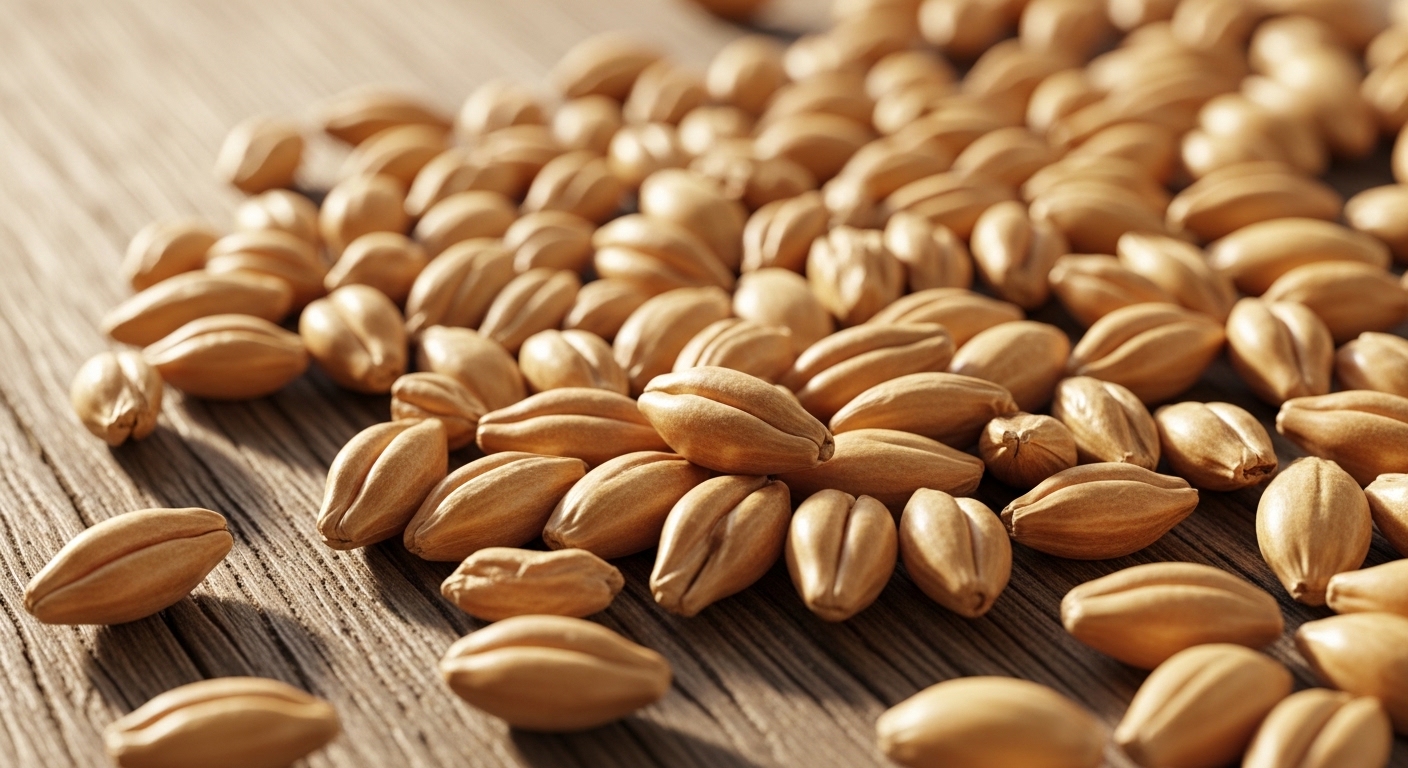
For Scotch single malt, the journey begins with malting. Raw barley is soaked in water, allowed to partially germinate, then dried in a kiln. Germination activates enzymes inside the grain that will later convert starch into fermentable sugar. The kiln drying stops germination at exactly the right moment — and if peat is burned during drying, it imparts the smoky flavor that defines whiskies like Laphroaig or Ardbeg.
The dried malt is then ground into a coarse flour called grist and mixed with hot water in a large vessel called a mash tun. This extracts the sugars, producing a sweet liquid called wort. The spent grain solids left behind are typically sold as cattle feed — nothing goes to waste.
Step 2: Fermentation
The wort is cooled and transferred into large fermentation vessels called washbacks, traditionally made from Oregon pine or larch, though stainless steel is increasingly common. Yeast is added, and over the next two to four days, it converts the sugars into alcohol and carbon dioxide. The result is a liquid called wash — essentially a low-alcohol beer, typically around 6–8% ABV.
The choice of yeast strain matters more than most beginners expect. Different strains produce different flavor compounds during fermentation, and some distilleries guard their yeast cultures closely. Longer fermentation times generally produce more fruity, complex flavors — a detail that rarely appears on the label but significantly affects what ends up in your glass.
Fermentation is where most of the fruity and floral flavors in whisky are born — the still and the barrel refine them, but they cannot create what fermentation never made.
Step 3: Distillation
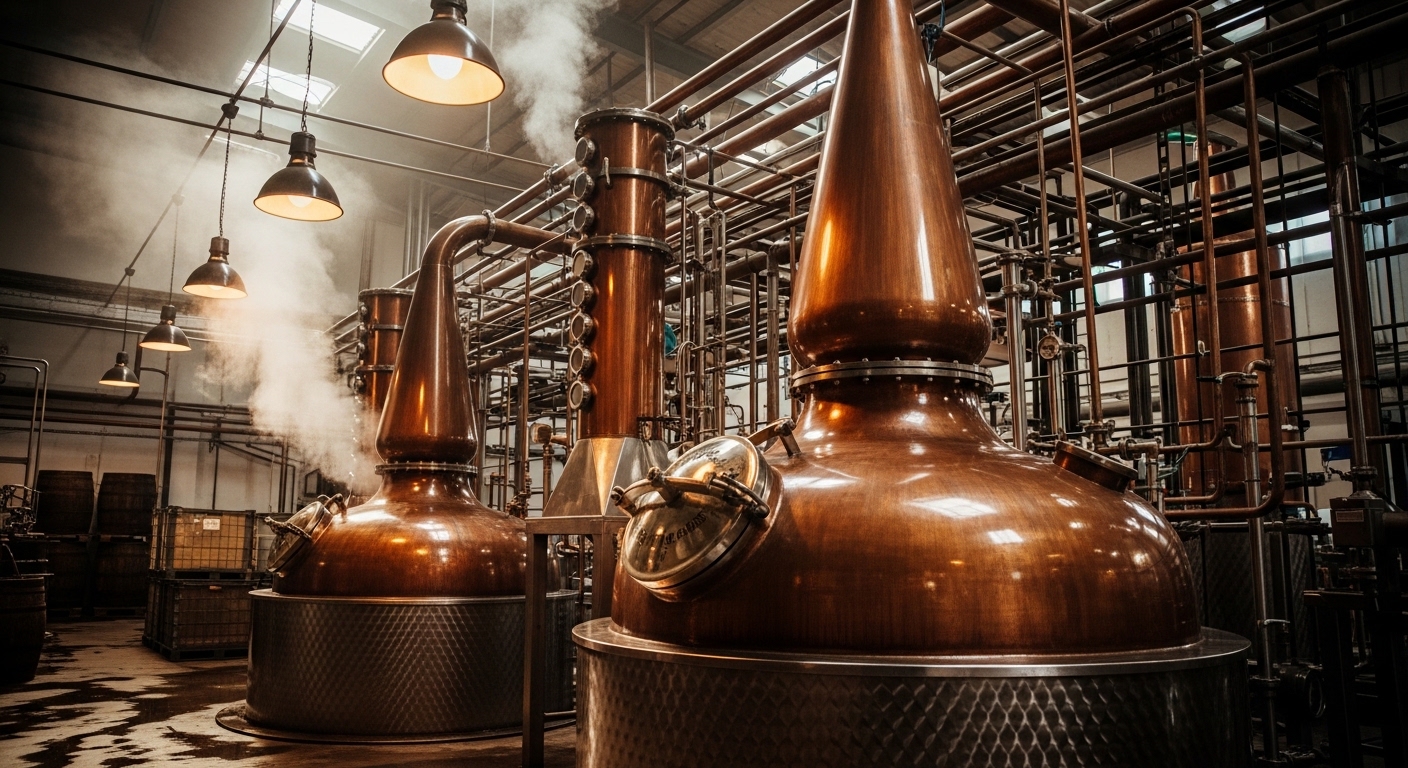
Scotch malt whisky is distilled twice in copper pot stills — a wash still first, then a spirit still. Copper is not decorative; it actively reacts with sulfur compounds in the spirit, removing harsh notes that would otherwise survive into the final product. The shape of the still matters enormously: tall, narrow stills with long necks produce lighter, more delicate spirits because more of the vapor has to travel further and condense. Short, squat stills produce heavier, oilier spirits. Distillers have known this for centuries, which is why replacing a worn-out still with one of a slightly different shape is considered a genuinely risky decision.
During distillation, the distiller separates the run into three parts: the foreshots (the first fraction, containing undesirable compounds), the heart (the good stuff, collected for maturation), and the feints (the tail end, recycled back into the next distillation). The skill of knowing exactly when to 'make the cut' between these fractions is one of the most consequential decisions in the entire process.
Step 4: Maturation — Where Most of the Flavor Comes From
New-make spirit coming off the still is clear and harsh. It goes into oak casks — often previously used for bourbon, sherry, port, or wine — and sits in a warehouse for years. During maturation, the spirit expands into the wood when temperatures rise and contracts back out when they cool, pulling compounds from the wood with each cycle. Those compounds include vanillin (vanilla flavor), tannins, and various wood sugars that add color and sweetness.
Research suggests that somewhere between 60% and 80% of a whisky's final flavor comes from the cask. That range is debated, but the direction is not — the wood is doing heavy lifting. A first-fill sherry cask will produce a dramatically different whisky than a third-fill bourbon barrel, even if the new-make spirit going in was identical.
The cask is not a passive container — it is an active ingredient, and a distiller who ignores cask selection is essentially leaving most of the recipe to chance.
Step 5: Bottling
When the master blender or distiller decides the whisky is ready, it is either bottled as a single malt (from one distillery) or blended with whiskies from other distilleries to create a consistent house style. Most commercial whiskies are also reduced with water to a standard bottling strength, typically around 40–46% ABV. Cask-strength expressions skip this dilution step and bottle the whisky at whatever ABV the barrel reached — which can be anywhere from roughly 50% to over 60%.
Most Common Beginner Mistakes When Exploring Whisky
Judging by Price Alone
Age statements and high prices do not automatically mean better whisky. A 12-year-old whisky matured in an exceptional cask in a cool, humid warehouse can outperform a 25-year-old that spent its life in a tired barrel in a hot rickhouse. Price reflects scarcity and marketing as much as quality. Some of the most interesting bottles on the market cost less than a restaurant dinner.
Drinking It Wrong
There is no single correct way to drink whisky, but there are a few things worth knowing. Adding a small amount of water — even just a few drops — can open up aromas and flavors by breaking certain molecular bonds in the spirit. Drinking it neat at full cask strength without any water often means the alcohol overwhelms everything else. Ice, on the other hand, numbs the palate and closes down aroma. A drop of water is almost always more useful than a cube of ice if you want to taste what is actually in the glass.
Assuming All Smoke Tastes the Same
Peated whisky is a category that beginners often either avoid entirely or assume is all the same. The peat from Islay in Scotland produces a distinctly medicinal, coastal smoke. Peat from the Scottish Highlands produces a softer, earthier smoke. Japanese distilleries using local peat produce something different again. If you tried one heavily peated whisky and disliked it, you may have simply tried the most extreme version of a much wider spectrum.
(Opinion: The single biggest mistake beginners make is treating whisky as a status object before they have developed any actual preference. Buy the cheap bottle, taste it carefully, and form an opinion — that is more useful than any tasting note written by someone else.)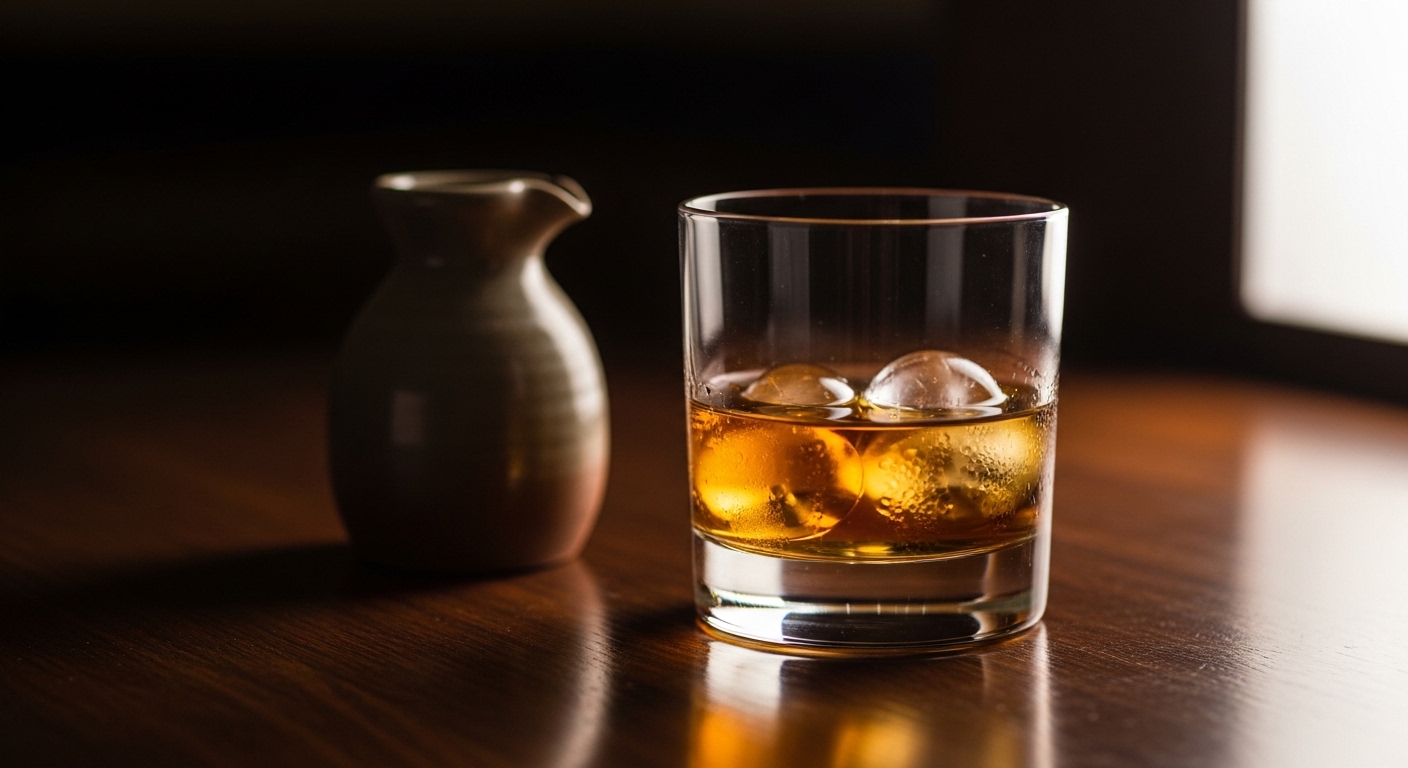
What to Learn Next After the Basics
Explore by Region, Not by Brand
Once you understand the process, the most efficient way to develop your palate is to taste across regions rather than chasing individual bottles. Try a Speyside Scotch (typically fruity and approachable), then an Islay (smoky and coastal), then a Kentucky straight bourbon (sweeter, vanilla-forward), then an Irish whiskey (lighter, triple-distilled). Four bottles, four completely different flavor profiles — and now you have a map.
Learn to Read a Label
A whisky label contains more information than most people use. 'Single malt' tells you it came from one distillery using only malted barley. 'Blended Scotch' means it contains grain whisky and malt whisky from multiple distilleries. 'Non-chill filtered' means the distillery skipped a cold filtration step that removes some flavor compounds for cosmetic clarity. 'Natural color' means no caramel coloring was added — which is more common than you might expect in mass-market bottles.
Visit a Distillery If You Can
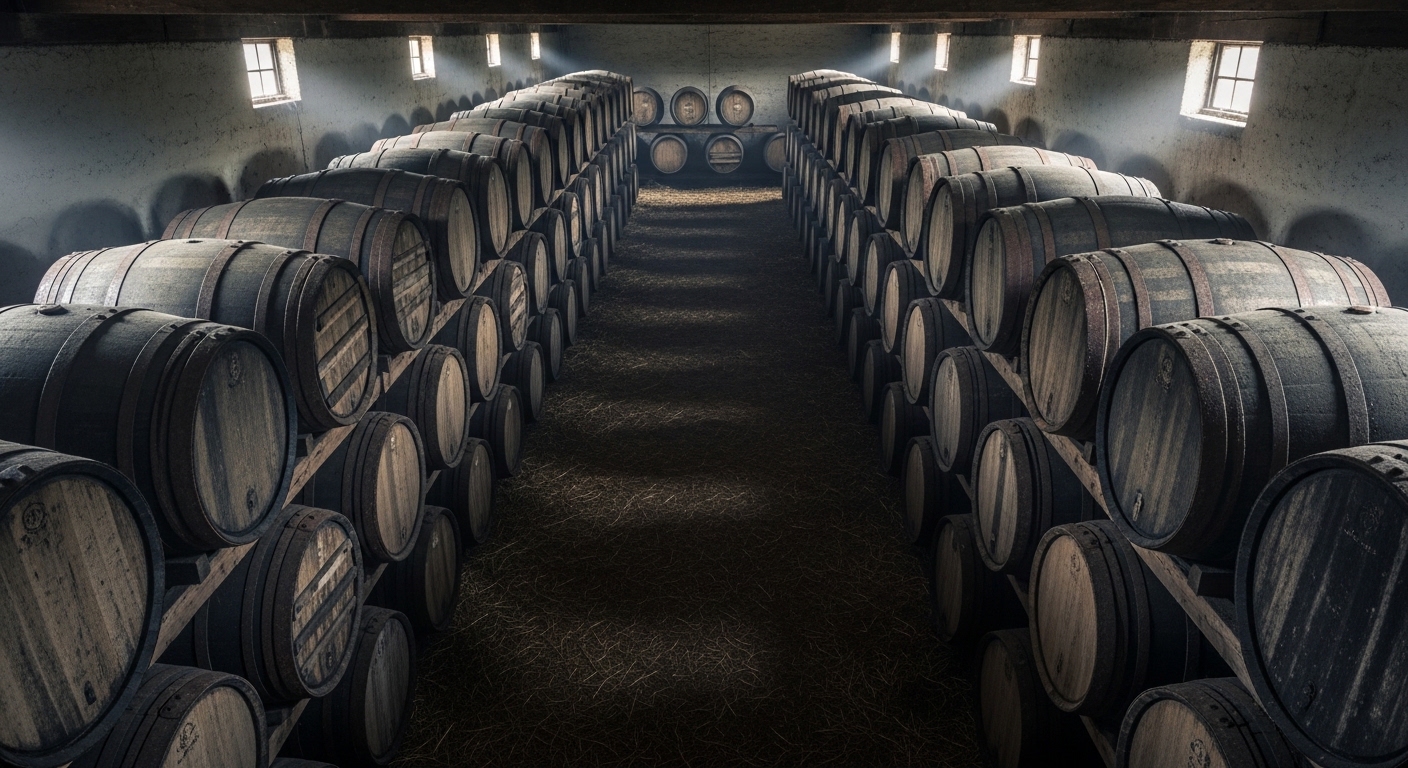
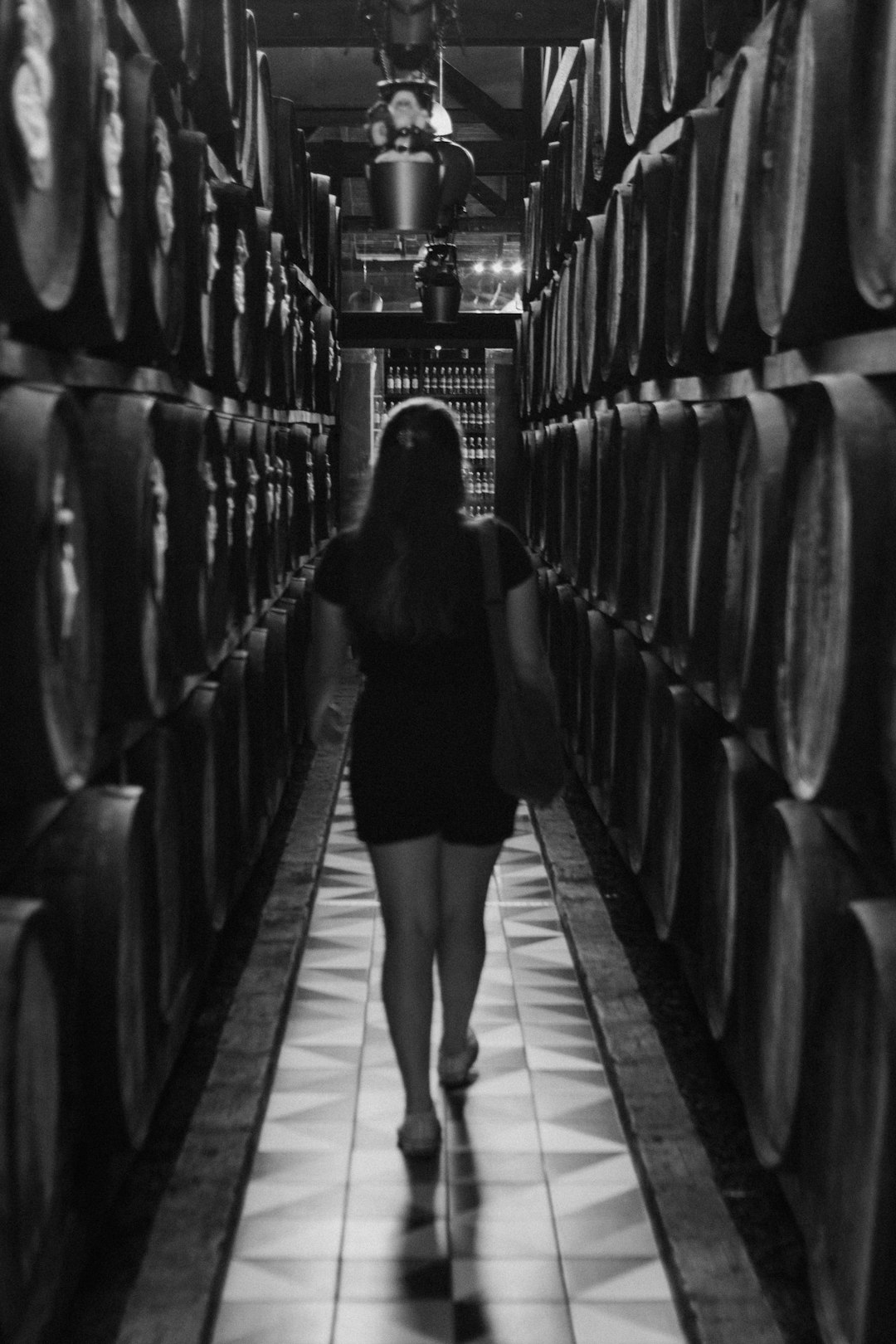
Reading about pot stills and washbacks is useful. Standing next to a wash still that is taller than a house, smelling the fermentation room, and tasting new-make spirit straight from the still is a different experience entirely. Many distilleries offer tours, and the warehouse visit — rows of barrels quietly aging in the dark — tends to be the moment when the whole process clicks into place for most people. Anyone who has done one of these tours knows it changes how you read a label afterward.
Frequently Asked Questions
Does the water source actually matter in whisky production?
Yes, though perhaps not in the way most marketing suggests. Water is used extensively throughout production — in mashing, in cooling condensers, and in diluting the spirit before bottling. The mineral content of local water can influence flavor, particularly during mashing. However, the cask and distillation process have a far larger measurable impact on the final flavor than water source alone.
Why does whisky not continue to age and improve once it is bottled?
Aging in whisky requires the interaction between spirit and wood — specifically the expansion and contraction of liquid into the porous oak over time. Once the whisky is in a sealed glass bottle, that interaction stops completely. An unopened bottle stored in a cool, dark place will remain essentially unchanged for decades. This is why 'vintage' whisky bottles are not the same concept as vintage wine.
Is there a difference between whisky that is 'blended' and whisky that is 'mixed'?
In industry terms, yes. 'Blended whisky' is a specific legal category — in Scotland, it means a combination of malt whisky and grain whisky from multiple distilleries, crafted to a consistent flavor profile. 'Mixing' usually refers to what a bartender does with a finished whisky in a cocktail. A blended Scotch like Johnnie Walker is not a cocktail ingredient that was mixed together casually — it is a carefully constructed product that often contains dozens of individual whiskies.
The most counterintuitive thing about whisky is that the distiller's direct contribution — the hours of active work at the still — accounts for a relatively small fraction of what ends up in your glass. The barrel does the rest, quietly, in the dark, over years that nobody is watching. There is something genuinely strange about an industry where patience is not just a virtue but the actual mechanism of production — and where the person who fills the cask may retire before the whisky inside it is ready to drink.


Comments
Post a Comment