The Secret Behind Your Feed: How Social Media Algorithms Work
Every scroll you make is a data point. The moment you pause on a video for three seconds instead of two, that hesitation gets logged, weighted, and fed into a system that will quietly reshape what you see next. Social media algorithms are not neutral curators — they are optimization engines, and what they optimize for is not your happiness or your information quality. It is your attention.
What a Social Media Algorithm Actually Is
Not a List, Not a Timeline
The word 'algorithm' sounds intimidating, but the concept is straightforward: it is a set of rules that decides which content gets shown to which person, in what order, at what time. What makes social media algorithms unusual is that those rules are not static. They update constantly based on what users actually do — not what they say they want.
For most of the internet's early social era, feeds were chronological. You followed someone, their posts appeared in order. Simple. Then platforms discovered that chronological feeds were not keeping people on the app long enough. Engagement-ranked feeds — showing you what the algorithm predicted you would react to — kept users scrolling significantly longer. That discovery changed everything.
Today's algorithms are essentially recommendation systems, similar in structure to what Netflix uses to suggest shows or Spotify uses to build playlists. The difference is scale and speed. A major platform might be making hundreds of millions of personalized ranking decisions per second.
How the Ranking Engine Actually Works
The Signals That Feed the Machine
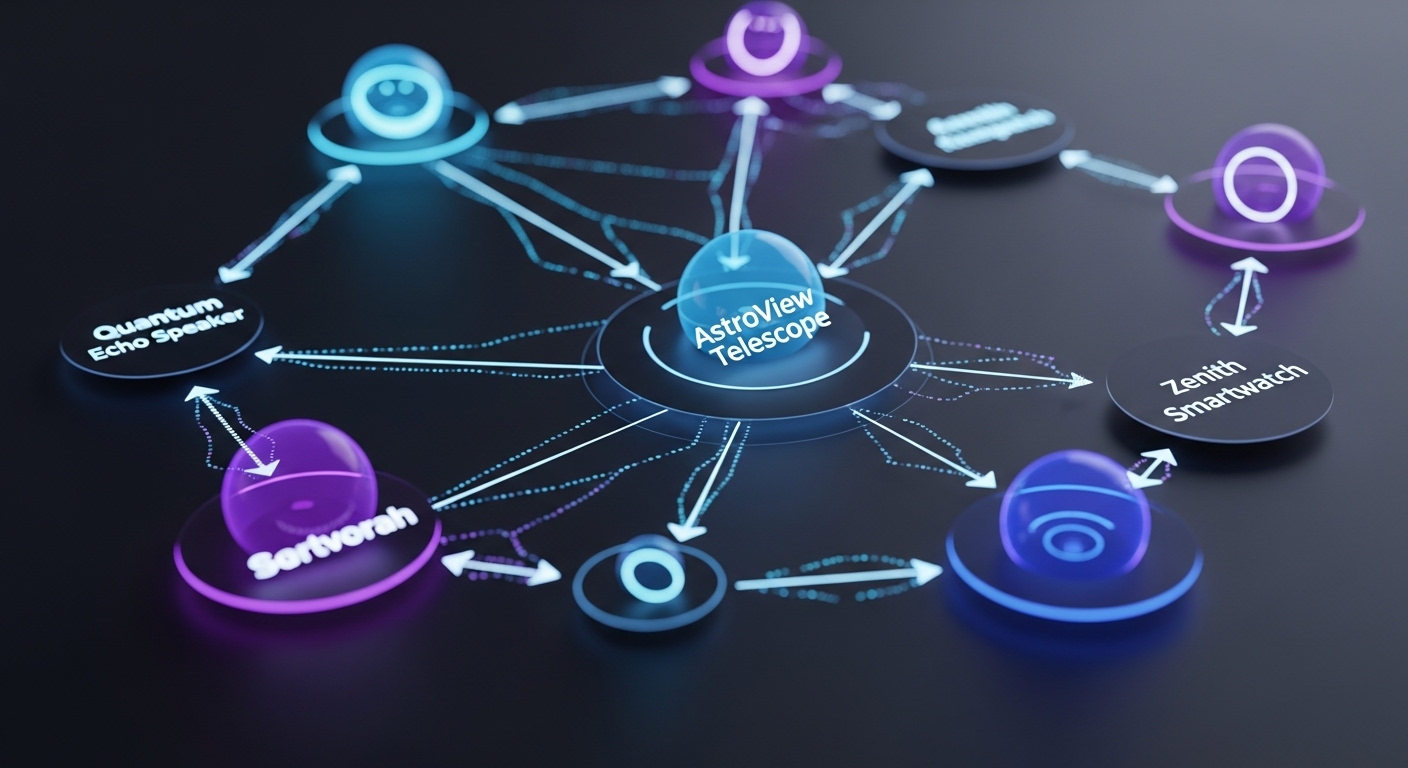
Algorithms rank content by scoring it. Every piece of content gets a predicted engagement score based on signals — behavioral data points collected from you and millions of users like you. The signals fall into a few broad categories: what you do, what you have done before, and what people similar to you tend to do.
Explicit signals are the obvious ones: likes, shares, comments, saves. But implicit signals are far more powerful. How long you watched a video before swiping. Whether you rewatched the first five seconds. Whether you screenshot something. Whether you typed a comment and then deleted it without posting. That last one is particularly striking — some platforms have historically logged abandoned text inputs as a signal of emotional engagement.
Deleting a comment you almost posted still tells the algorithm something. Hesitation is data.
The Role of Content Features
Algorithms also analyze the content itself, not just your reaction to it. Image recognition identifies what is in a photo. Natural language processing reads captions and comments. Video analysis can detect scene changes, faces, and even emotional tone. A post about a controversial topic gets tagged differently than a post about a recipe, and the distribution logic adjusts accordingly.
Recency still matters, but it is just one variable among dozens. A post from three days ago that is gaining rapid engagement can outrank a post from an hour ago that is getting no traction. The algorithm is always asking: 'given everything I know about this user right now, what is the probability they will engage with this specific piece of content?'
Why Your Feed Feels Like It Reads Your Mind
Collaborative Filtering and the 'People Like You' Effect
One of the most powerful techniques behind modern feeds is collaborative filtering. The system does not just learn from your behavior — it finds clusters of users whose behavior patterns closely match yours and uses their engagement history to predict what you will like next. This is why you can discover a niche interest through a platform before you have ever searched for it directly.
A well-documented real-world example: TikTok's recommendation engine became famous for surfacing hyper-specific content — a video about a very particular regional hobby or a micro-genre of music — to users who had never expressed interest in that category. The platform's internal documentation, partially revealed through regulatory disclosures, confirmed that it weights watch time and completion rate more heavily than most other platforms. That single design choice produces a noticeably different feed character compared to competitors.
TikTok's heavy weighting of video completion rate is not an accident — it is the specific design decision that makes its algorithm feel eerily accurate.
The Filter Bubble Problem
The same mechanism that makes your feed feel personalized also narrows it. When the algorithm consistently shows you content you engage with, it gradually stops showing you content you might disagree with, find boring, or simply not react to immediately. Researchers who study media consumption have documented this narrowing effect, though the degree varies significantly by platform and user behavior.
The counterintuitive part: filter bubbles are not always ideological. They can form around aesthetics, humor styles, or even posting formats. Someone who consistently engages with long-form text posts will eventually see fewer short video posts — not because of any political logic, but because the algorithm is pattern-matching on format preference.
What This Means for the Content You Actually See
Virality Is Engineered, Not Random
When a post 'goes viral,' it rarely happens organically from the start. Platforms typically test new content on a small sample of users first. If early engagement signals are strong — high completion rate, rapid shares, positive comment sentiment — the algorithm expands distribution to a larger audience. Strong signals there trigger another expansion. This cascade model means virality is less a random event and more a series of algorithmic green lights.
This has a practical implication most creators learn the hard way: the first hour of a post's life is disproportionately important. A post that gets ignored in its initial test window may never recover, regardless of how good it is. Anyone who has posted something they were proud of and watched it get zero traction — only to post something throwaway that exploded — has experienced this system firsthand.
The Monetization Layer
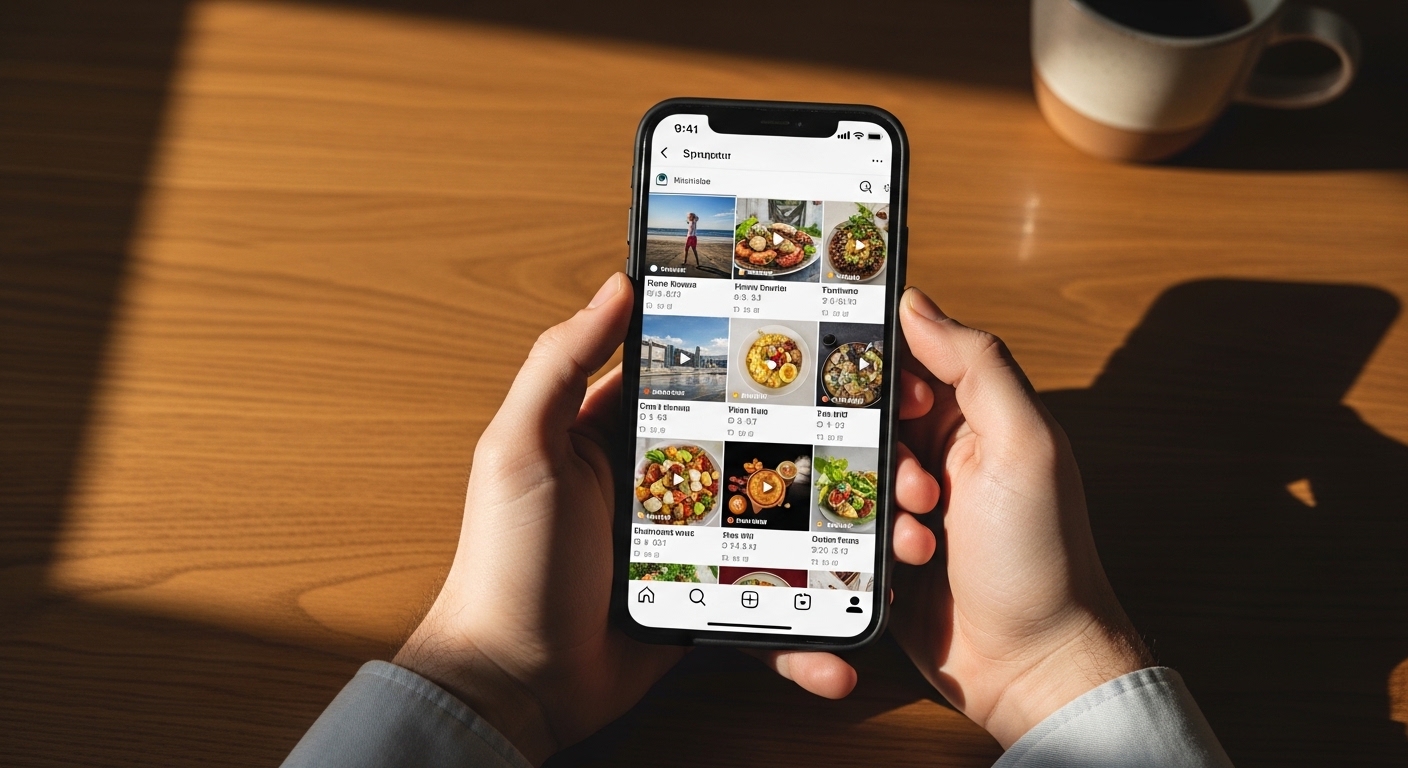
Paid content adds another dimension. Advertisers bid to have their posts inserted into feeds, and the algorithm must balance organic content ranking with ad placement in a way that maximizes both engagement and revenue. Platforms are not fully transparent about how this balance is struck, but the economic incentive is clear: ads that feel native to the feed perform better and generate more revenue, which is why sponsored posts increasingly look identical to organic ones.
(Opinion: The lack of transparency here is genuinely troubling. Users have no reliable way to know how much of their feed is shaped by paid influence versus organic ranking signals. A clearer disclosure standard — not just a small 'Sponsored' label — would be a reasonable expectation.)
Frequently Asked Questions
Can you actually 'reset' your algorithm?
Partially. Most platforms offer some version of 'not interested' signals, and consistently using them does shift your feed over time. Clearing your watch history or starting a fresh account gives a harder reset. But platforms retain some data at the account level regardless, and behavioral patterns tend to reassert themselves fairly quickly once you start engaging normally again.
Do algorithms treat all users the same way?
No, and this is an underappreciated point. Platforms adjust ranking logic based on region, language, and even device type. A user on an older, slower phone may see less video-heavy content because the platform has learned that video buffering causes drop-off on that hardware. The algorithm is not one system — it is a layered set of models that interact differently depending on context.
Why do I sometimes see posts from accounts I stopped following?
Unfollowing removes a direct signal, but the algorithm can still surface content from accounts you previously engaged with heavily, especially if mutual connections are engaging with that content now. Some platforms also have explicit 'suggested content' buckets that operate outside the strict follow graph. Unfollowing is not a complete block — it is more like turning down the volume.
The deeper you look at how these systems work, the harder it becomes to think of your feed as something that happens to you. It is something you are continuously co-authoring through every pause, every scroll-past, every late-night rabbit hole. The algorithm did not create your interests — but it has almost certainly amplified some of them in ways you never consciously chose, and quietly buried others you might never have known you had.



Comments
Post a Comment