Nature's Superpowers: 7 Amazing Animals That Can Regenerate Body Parts
An axolotl can regrow a limb — complete with bone, muscle, nerves, and skin — in roughly two months, and do it repeatedly throughout its life without scarring. That single fact has kept developmental biologists busy for decades. Regeneration at this scale isn't a quirk; it's a sophisticated biological program that humans have largely lost, and scientists are still trying to understand exactly why.
Animals #1–#3: The Regeneration Hall of Fame
#1 — The Axolotl: The Gold Standard of Limb Regrowth
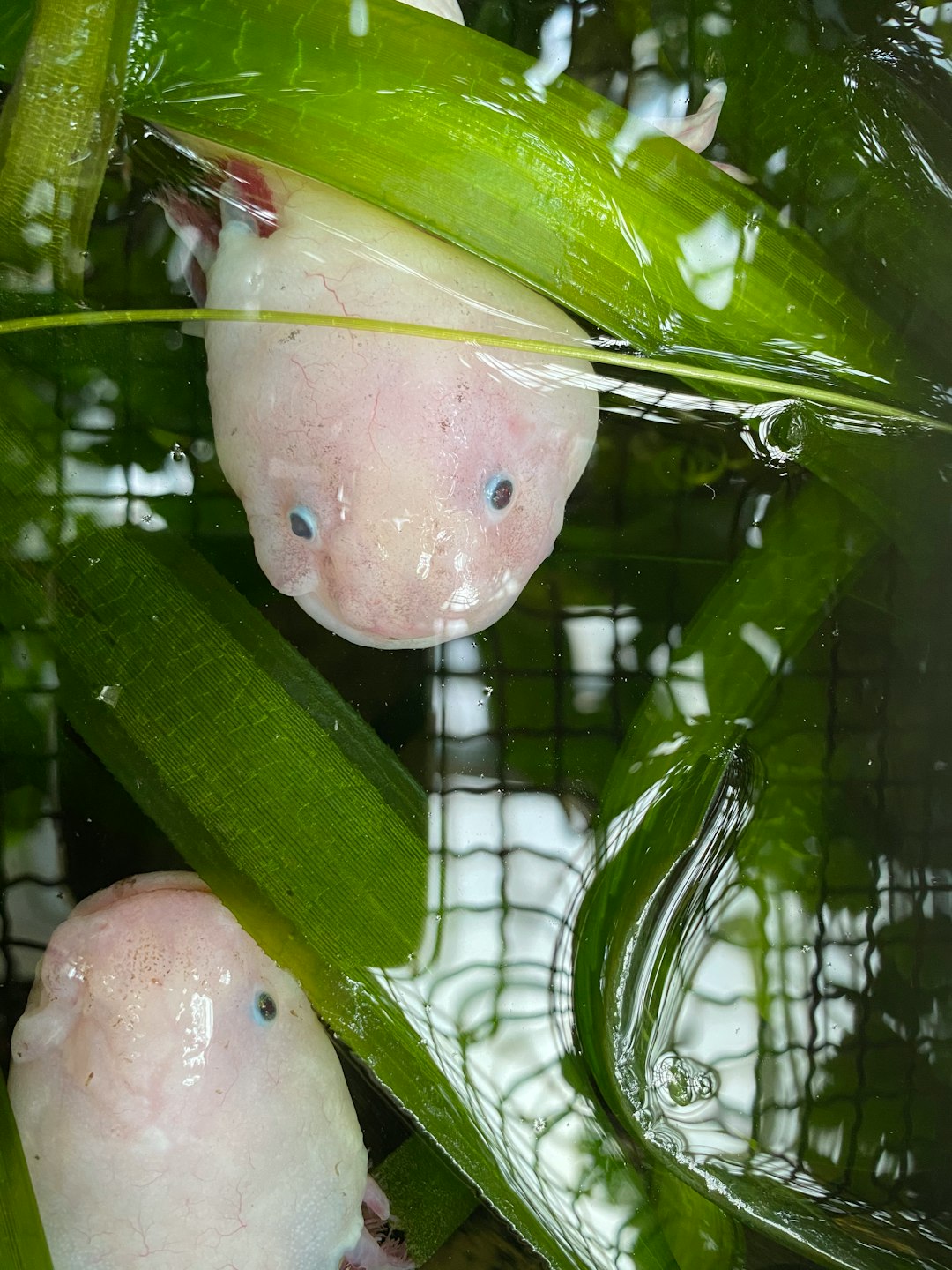
The axolotl (Ambystoma mexicanum) is native to a single lake system near Mexico City and is critically endangered in the wild. In a lab, however, it is arguably the most studied regenerating vertebrate on the planet. When a limb is amputated, the wound closes within hours, and a structure called a blastema — a mass of dedifferentiated cells — forms at the site. Those cells essentially 'forget' what they were and rebuild the missing structure from scratch.
What makes this genuinely strange is positional memory. The blastema cells somehow know where they are in the body plan and what needs to be rebuilt. Transplant a blastema from a leg to a tail, and it will still try to grow a leg. Researchers have identified several gene pathways involved, including those linked to the protein MARCKS-L1, but the full picture remains incomplete.
#2 — The Planarian Flatworm: Cut It in Half, Get Two Worms
Planarian flatworms take regeneration to a level that feels almost absurd. Slice one into dozens of pieces, and each fragment will regenerate into a complete, functional worm — head, tail, gut, and all. The key players are a population of adult stem cells called neoblasts, which make up roughly 20–30% of all cells in the worm's body. No other known animal maintains such a large proportion of pluripotent stem cells in adulthood.
A single neoblast, transplanted into an irradiated worm that can no longer regenerate, is enough to rescue the entire animal. That experiment, replicated multiple times in research settings, is one of the clearest demonstrations of stem cell potency in biology.
A single stem cell from a planarian flatworm can rebuild an entire animal from scratch — a feat that makes human wound healing look primitive by comparison.
#3 — Starfish: Regrowing an Arm, and Then Some
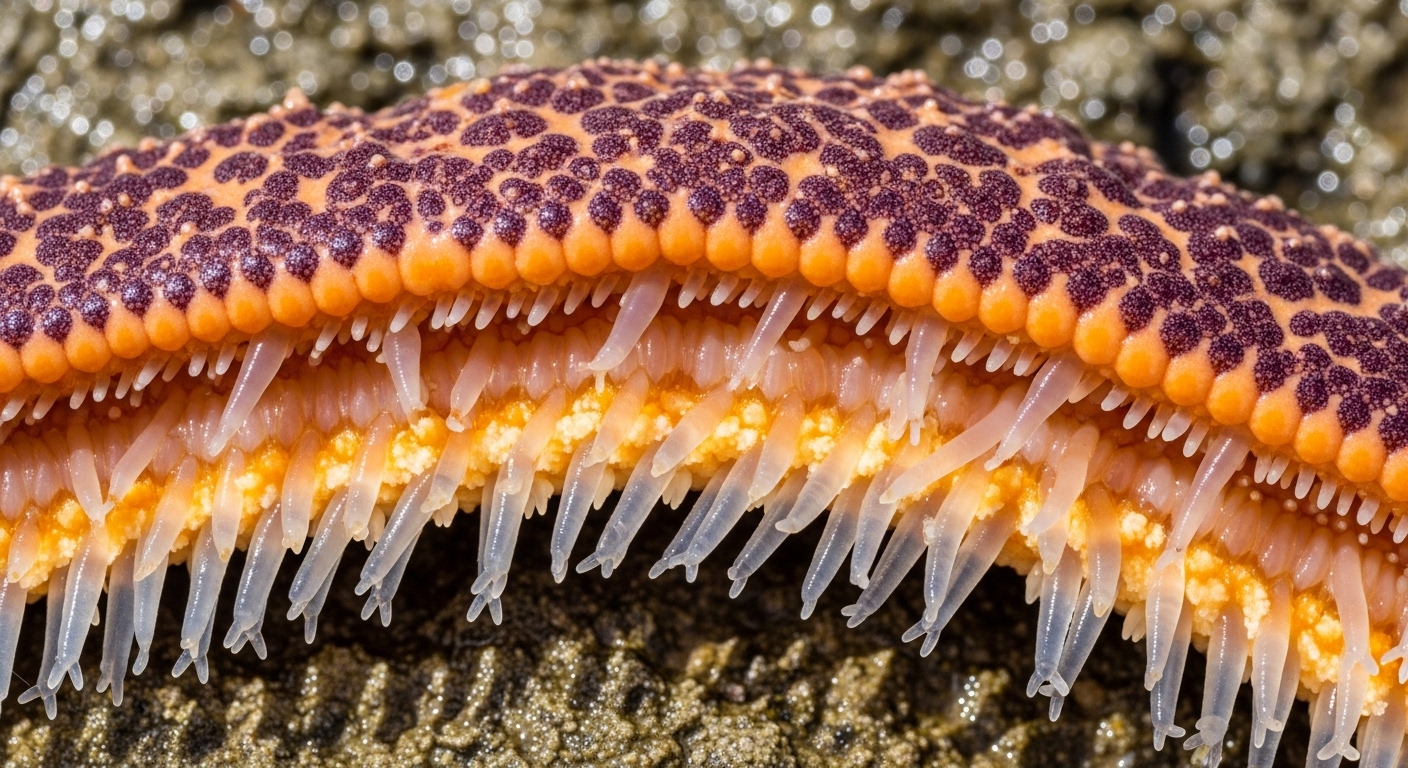
Most people know starfish can regrow a lost arm. Fewer know that in several species — particularly those in the genus Linckia — a severed arm can regenerate an entirely new body. The arm doesn't just heal; it grows four new arms and a complete central disc. This process, called autonomy-driven regeneration, can take months to years depending on species and water temperature.
The mechanism is different from the axolotl's blastema approach. Starfish rely heavily on dedifferentiation of existing muscle and connective tissue cells at the wound site, combined with migration of coelomocytes — immune-like cells that patrol the body cavity. Anyone who has kept a marine tank has probably seen a starfish drop an arm under stress, which is actually a defensive reflex called autotomy.
Animals #4–#6: Surprising Regenerators You Probably Overlooked
#4 — Deer: The Fastest-Growing Tissue in the Animal Kingdom
Deer antlers are not horns — they are bone, and they regrow every single year. A mature male deer can add more than an inch of antler per day during peak growth season, making antler velvet the fastest-growing tissue of any mammal. The velvet phase, when antlers are covered in soft skin rich with blood vessels and nerves, is essentially a temporary organ that gets shed once mineralization is complete.
This is genuinely unusual because bone regeneration at this speed doesn't happen anywhere else in the mammalian body. The process is driven by a combination of testosterone cycling, growth hormone, and local signaling molecules. Some researchers studying bone repair disorders look closely at antler growth as a model, though translating the mechanism to human medicine has proven difficult.
#5 — Zebrafish: Heart Muscle That Comes Back
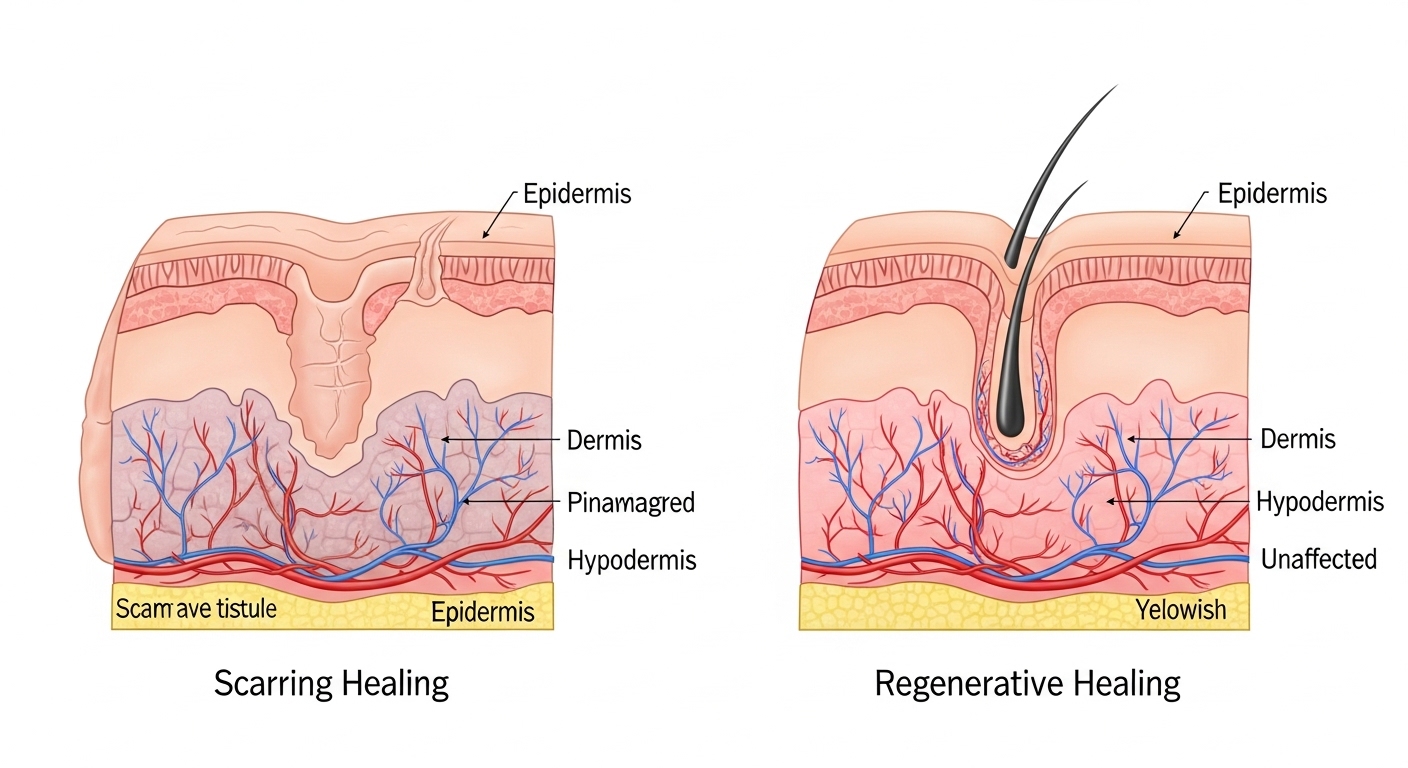
Zebrafish can regenerate cardiac muscle after injury — something mammals essentially cannot do. When up to 20% of a zebrafish heart is surgically removed, the remaining cardiomyocytes (heart muscle cells) dedifferentiate, proliferate, and rebuild the lost tissue within about two months. In humans, a heart attack destroys cardiomyocytes permanently, replacing them with scar tissue that reduces cardiac function.
The zebrafish finding, first documented in the early 2000s, shifted how cardiac researchers thought about the problem. The question stopped being 'can heart muscle regenerate?' and became 'why did mammals lose this ability?' One leading hypothesis involves the tradeoff between regenerative capacity and cancer risk — rapidly dividing cells are harder to regulate.
Zebrafish can rebuild damaged heart muscle in weeks. The fact that mammals lost this ability may be one of evolution's most consequential tradeoffs.
#6 — Spiders: Regrowing Legs Between Molts
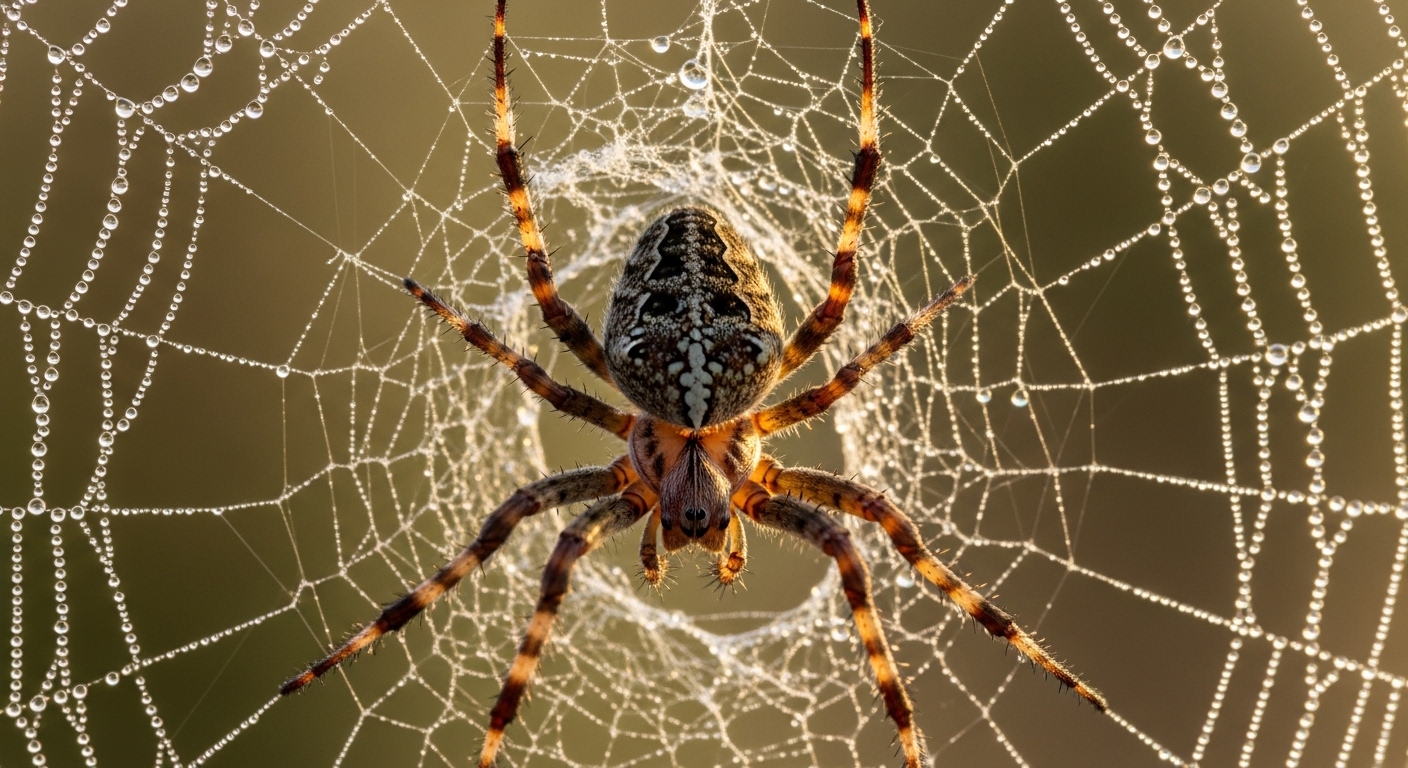
Spiders regenerate lost legs, but only during molting — the periodic shedding of their exoskeleton. A spider that loses a leg mid-cycle will show a small regenerating bud at the next molt, and after one or two additional molts, the new leg is often functionally complete. The timing constraint is important: the regeneration is coupled to the molting cycle, not triggered on demand.
This is a good example of regeneration being tied to an existing developmental program rather than being a standalone repair system. Juvenile spiders, which molt more frequently, recover faster than adults. Some species can also autotomize — voluntarily detach — a leg to escape a predator, which is a different behavior from accidental loss but triggers the same regenerative response.
Animal #7 and Bonus Pick: The Ones That Redefine the Limits
#7 — Hydra: Biological Immortality Meets Total Regeneration
Hydra, a tiny freshwater animal related to jellyfish, may be biologically immortal under stable conditions — research suggests it shows no measurable increase in mortality rate with age. It can also regenerate from a small cluster of cells. Bisect a hydra, and both halves regrow. Pass it through a fine mesh that breaks it into individual cells, and those cells can reaggregate and form a functional animal.
The regenerative engine here is, again, stem cells — but hydra maintains three distinct stem cell populations simultaneously: one for the outer layer, one for the inner layer, and one for the nervous system. The coordination between these populations during regeneration is a model system for understanding how body axes (head vs. tail) are established during development.
Bonus Pick — The Deer Mouse and Spiny Mouse: Mammalian Skin Regeneration
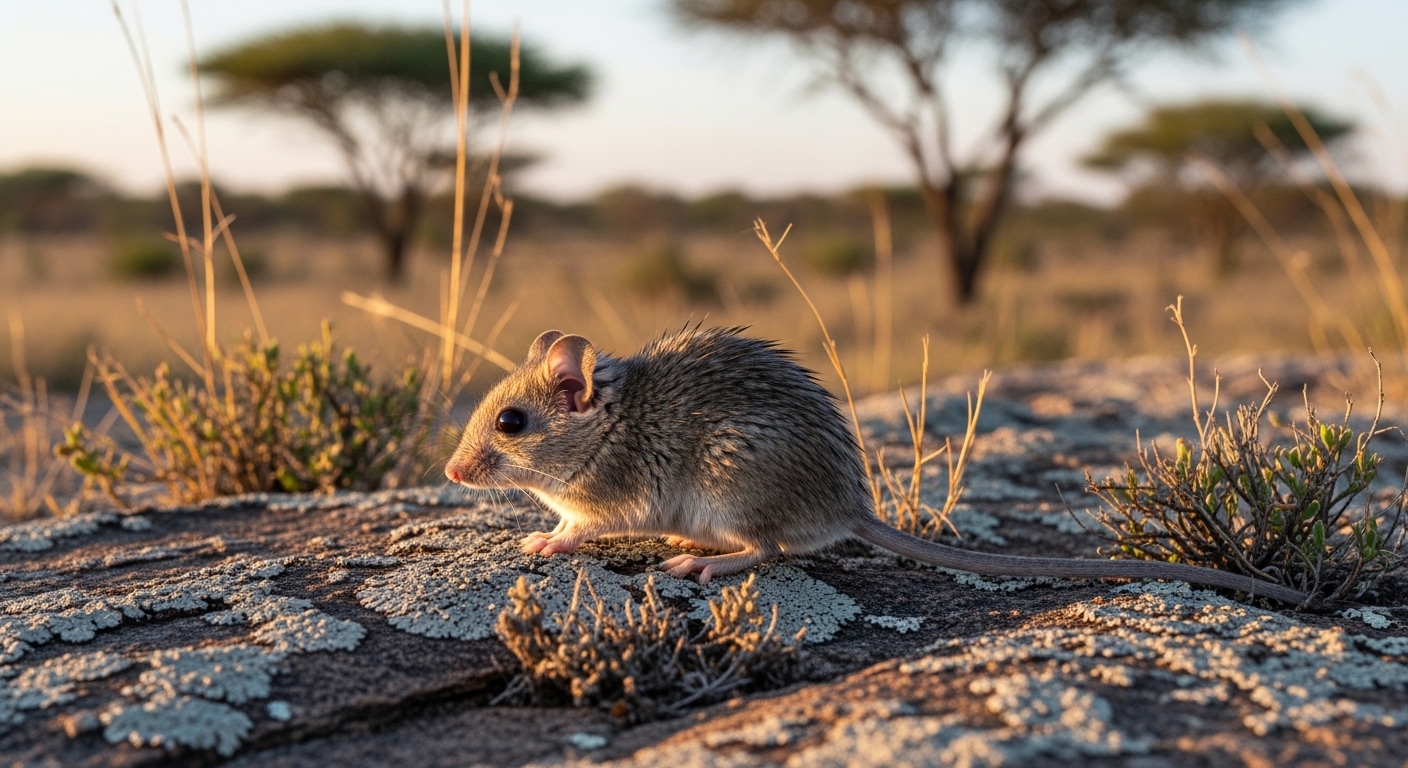
For a long time, the assumption was that mammals simply cannot regenerate complex tissue — they scar. Then researchers studying the African spiny mouse (Acomys species) found it could shed large patches of skin to escape predators and regrow it — including hair follicles, sweat glands, and cartilage — without scarring. This was a significant finding because it challenged the idea that scarring is an inevitable mammalian response to injury.
The spiny mouse appears to have a different balance between inflammatory signaling and regenerative signaling at wound sites. Whether this mechanism can be coaxed in other mammals, including humans, is an active area of research. The answer isn't clear yet, but the question is now firmly on the table.
Why Animal Regeneration Research Matters for Human Medicine
The Gap Between Animal Models and Human Treatments
The honest answer is that decades of regeneration research have produced enormous biological insight and relatively few clinical treatments. The gap between 'we understand how an axolotl does this' and 'we can make a human finger regrow' is vast. Vertebrate limb regeneration involves coordinated regrowth of bone, multiple muscle groups, tendons, nerves, blood vessels, and skin — each with different cellular mechanisms that must work in synchrony.
That said, the zebrafish cardiac work has directly informed research into activating dormant regenerative pathways in mammalian hearts. And the spiny mouse skin findings have renewed interest in modifying the inflammatory response at wound sites. Progress is real, just slower than popular science coverage tends to suggest.
What These Animals Have in Common
Across all seven animals, a few themes keep appearing: dedifferentiation of mature cells back into stem-like states, tight control of the immune response at wound sites, and some form of positional memory that guides what gets rebuilt. Humans retain some of these mechanisms in limited contexts — liver regeneration being the most obvious example, where up to 70% of liver mass can be removed and the organ will regrow to roughly its original size.
(Opinion: The most underappreciated finding in this field may be the spiny mouse. Axolotls and planarians get the press, but a mammal that regrows skin without scarring is closer to human biology in almost every relevant way — and it suggests the regenerative capacity was never fully lost, just suppressed.)
Frequently Asked Questions
Can any mammals besides the spiny mouse regenerate tissue?
Yes, in limited ways. The human liver is the most dramatic example — it can regrow substantially after partial removal, driven by proliferation of existing liver cells rather than stem cells. Deer antler regrowth is another mammalian example. What mammals generally cannot do is regenerate complex structures like limbs, digits, or heart muscle, which requires the coordinated dedifferentiation and positional signaling seen in axolotls and zebrafish.
Why don't humans regenerate limbs if some animals can?
The short answer is that evolution doesn't preserve capabilities that aren't needed or that carry costs. One leading hypothesis is that the immune and inflammatory systems in mammals evolved to prioritize rapid wound closure and infection prevention over regeneration — scarring is faster and reduces infection risk. The tradeoff may also involve cancer suppression: the same cellular plasticity that enables regeneration can, if poorly regulated, enable tumor growth.
Is it true that if you cut a planarian flatworm's head off, the head piece can regrow a body?
Yes, and so can the tail piece — it regrows a head. In some experiments, researchers have created planarians with two heads by manipulating signaling pathways, and those two-headed worms maintained both heads through subsequent rounds of regeneration. The head-end and tail-end of a planarian fragment are determined by chemical gradients that persist even in very small pieces of tissue.
The deeper you look at regeneration biology, the more it becomes clear that the boundary between 'regenerating animal' and 'non-regenerating animal' is less a wall than a dial. Humans sit at one end of that dial — but the spiny mouse, the deer, and the zebrafish are all reminders that the dial can be moved. The question researchers are now asking isn't whether mammalian regeneration is possible, but which molecular switches were turned off, and whether they can be turned back on without consequences we haven't thought through yet.


Comments
Post a Comment