Beyond the Screen: How Your Smart Devices Collect Data
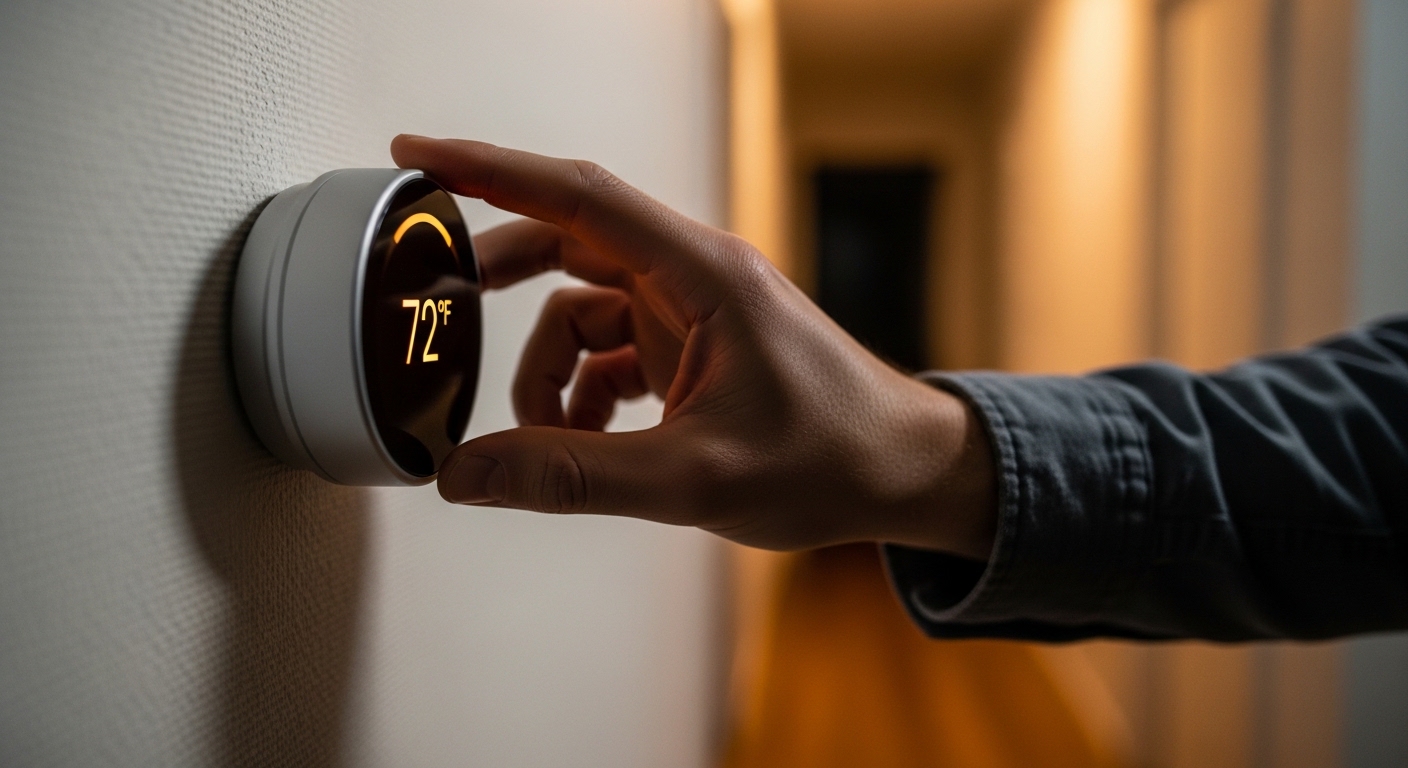
Your thermostat knows when you wake up before your alarm goes off. Not because it is psychic — because it has been logging your movement patterns, room temperature preferences, and schedule for months. Smart devices do not just respond to you; they build a running profile of you, and most of that happens quietly in the background while you are watching TV or making coffee.
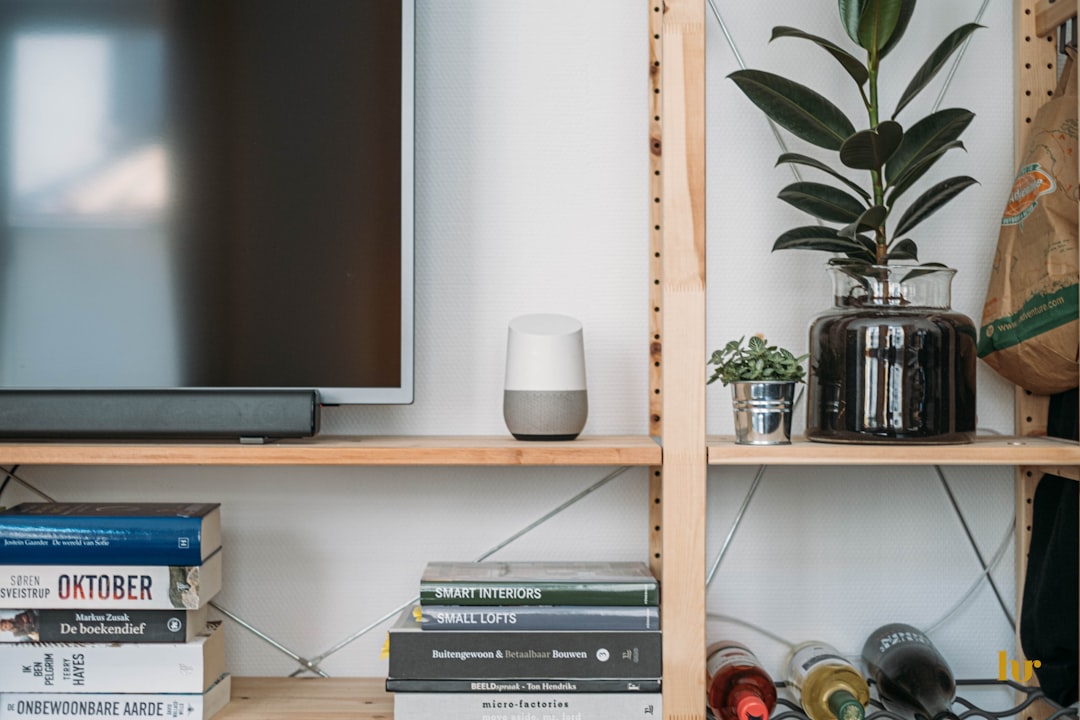
What 'Data Collection' Actually Means in a Smart Device
It Is Not Just What You Say Out Loud
When people think about smart device data collection, they usually picture voice assistants recording conversations. That is a real concern, but it is only one layer. Smart devices collect data across several distinct channels simultaneously: sensor data, behavioral data, network data, and metadata.
Sensor data is the most literal kind — a smart doorbell captures video, a fitness tracker reads your heart rate, a smart plug measures electricity draw. Behavioral data is subtler. It is the pattern of when you dim your lights, how often you skip a song, or which rooms you move through at what time of day. That pattern is often more revealing than any single data point.
Metadata is the part most people overlook entirely. Even if a device never records audio, it still logs timestamps, connection events, firmware check-ins, and interaction durations. A smart lock that never stores video still knows exactly when you leave and return home every day.
How Smart Devices Actually Transmit and Store Your Data
The Pipeline From Your Home to a Server
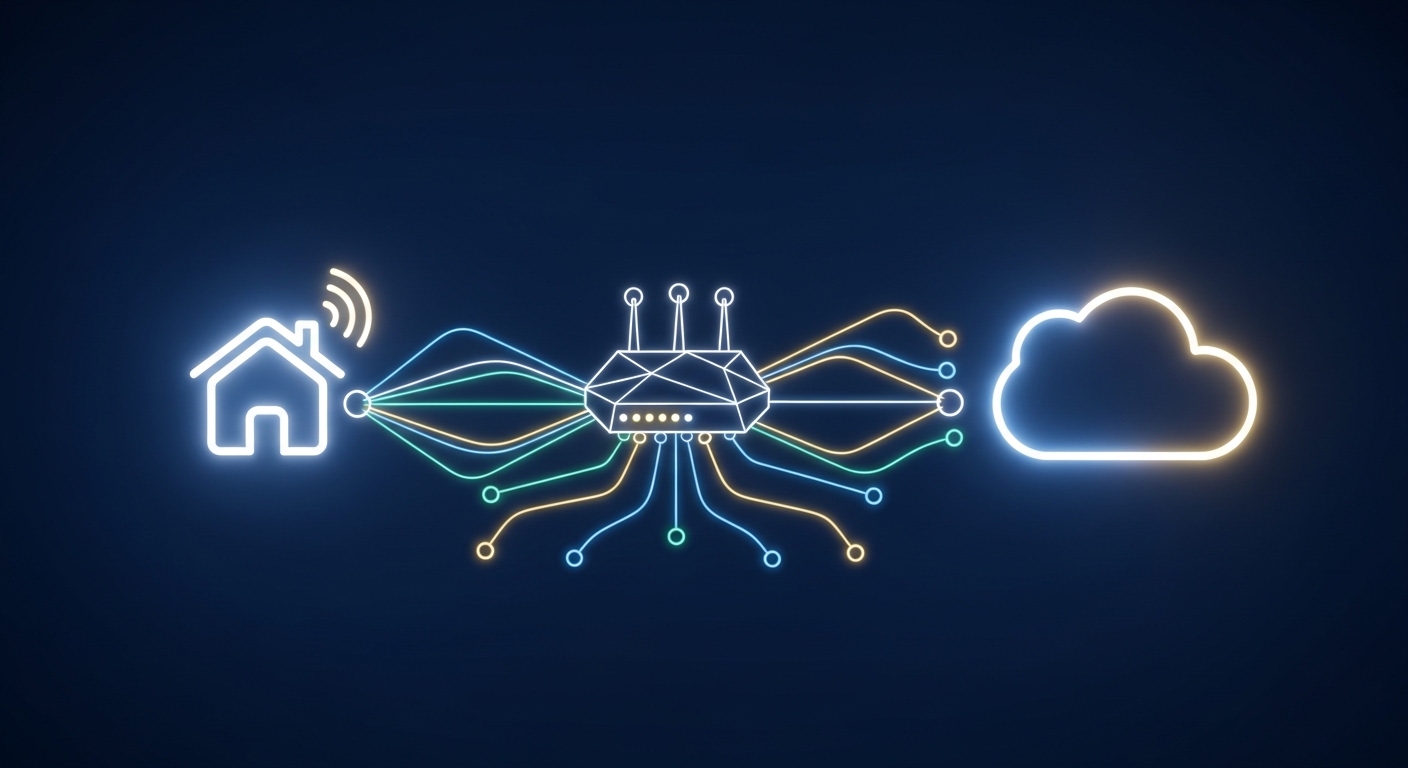
Most smart devices do not store data locally in any meaningful way. They are designed as thin endpoints — they capture, compress, and transmit. The actual processing happens on remote servers, often operated by third-party cloud infrastructure providers rather than the device brand itself.
Here is the part that surprises most people: a significant portion of smart device data is processed before it ever reaches the brand's own servers. Edge computing — where some processing happens on the device or a local hub — is growing, but the dominant model is still cloud-first. Your voice command gets encrypted, sent to a data center, processed, and a response is sent back, often in under a second.
The device in your home is often just a microphone and a radio. The intelligence — and the data — lives somewhere else entirely.
Data retention policies vary wildly. Some manufacturers delete raw audio after processing. Others keep interaction logs indefinitely. A few offer user-controlled deletion, but the default setting is almost never 'delete everything.' If you have never checked your device's data settings, the default has almost certainly been collecting for years.
What Encryption Actually Protects (and What It Doesn't)
Encryption protects data in transit — meaning someone intercepting your Wi-Fi traffic cannot easily read what your smart speaker is sending. What encryption does not protect is what happens once the data arrives at the server. At that point, the manufacturer has full access to whatever their privacy policy permits them to use.
Which Smart Devices Collect the Most Data — and Why
Voice Assistants, Smart TVs, and the Devices You Forgot About
Voice assistants are the obvious candidates, but smart TVs are arguably the more aggressive data collectors in most homes. Automatic Content Recognition (ACR) technology — built into many smart TVs — captures samples of whatever is on your screen every few seconds and matches it against a database to identify what you are watching. This happens regardless of whether you are using the TV's built-in apps or an external device plugged into the HDMI port.
A documented case that made headlines involved a major smart TV manufacturer whose ACR system was found to be capturing viewing data even when users had opted out of the relevant settings. The data included content from external devices, not just the TV's own streaming apps. That case led to regulatory scrutiny and a settlement, though ACR itself remains standard across the industry.
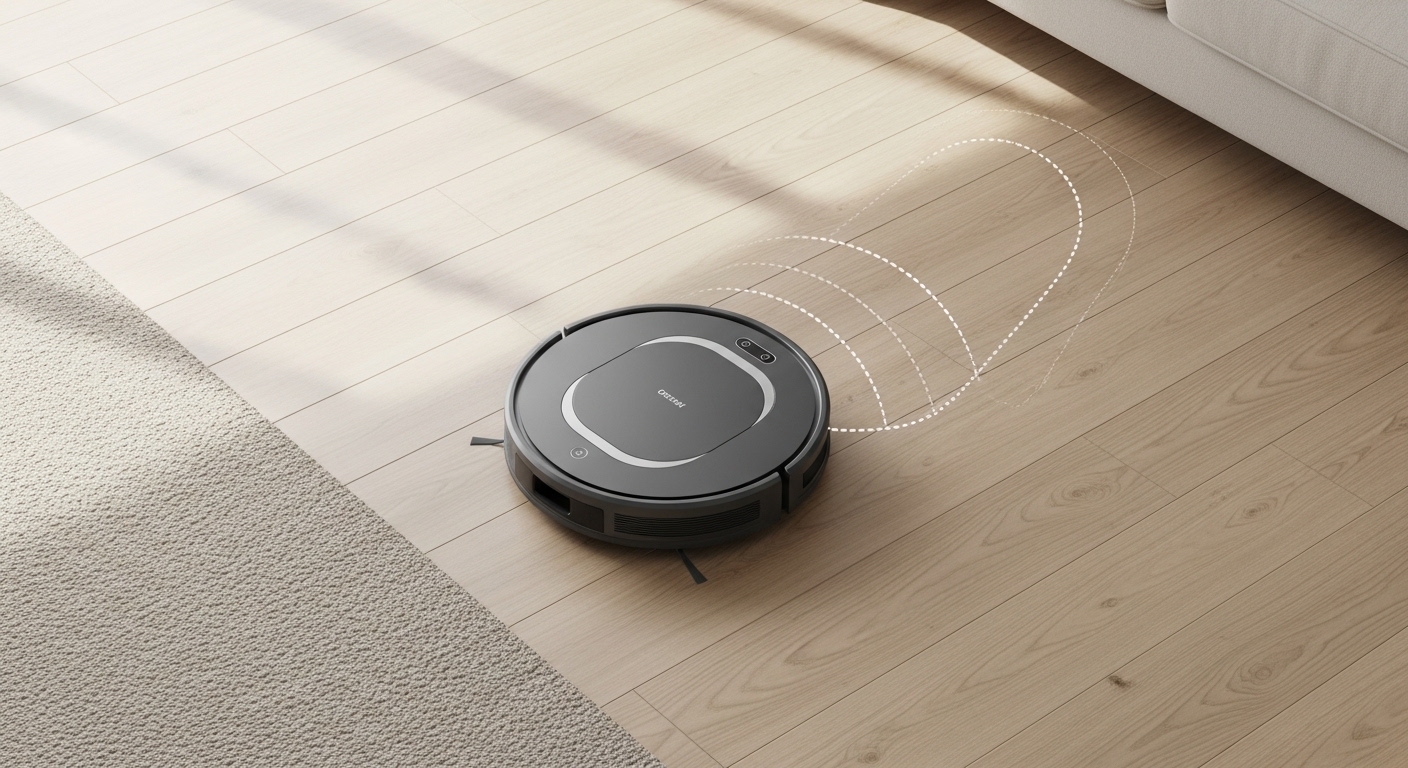
The devices people forget about are often the most revealing. Smart plugs track appliance usage patterns. Robot vacuums map your floor plan — and some models have been found to store detailed spatial data in the cloud. Baby monitors, smart scales, and even connected coffee makers all have data pipelines attached to them.
A robot vacuum's floor map is not just a cleaning aid. It is a spatial record of your home's layout, room sizes, and furniture arrangement — stored on a remote server.
Why Companies Collect This Data — The Real Business Model
It Is Not Just About Making the Product Better
Device manufacturers often frame data collection as a way to improve your experience — smarter recommendations, faster responses, better personalization. That is partially true. But the more complete picture involves advertising ecosystems, data licensing, and platform lock-in.
Smart TV manufacturers, for example, sometimes sell hardware at or near cost because the ongoing data and advertising revenue more than compensates over the device's lifetime. Estimates suggest that for some manufacturers, the advertising and data revenue generated by a single smart TV over several years can exceed the original purchase price. The TV is not the product. The viewing data is.
(Opinion: There is something genuinely strange about paying for a device that then earns money from you for years afterward. The transaction does not end at checkout — it just shifts from cash to data. Most people would object loudly if a retailer followed them home after a purchase. Smart devices do something structurally similar, and we have largely normalized it.)
Third-Party Data Sharing Is the Norm, Not the Exception
Privacy policies for smart devices routinely include clauses permitting data sharing with 'partners,' 'affiliates,' or 'service providers.' These terms are broad enough to cover advertising networks, analytics companies, and data brokers. The data shared is usually described as 'anonymized,' but research has repeatedly shown that anonymized behavioral data can be re-identified with surprisingly little additional information.
What You Can Actually Do to Limit Smart Device Data Collection
Practical Steps That Make a Real Difference
The most effective single action is network segmentation — putting your smart devices on a separate Wi-Fi network (most modern routers support a guest network) so they cannot communicate with your computers or phones. This does not stop data from going to the manufacturer's servers, but it limits lateral exposure if a device is compromised.
For smart TVs specifically, disabling ACR is worth the ten minutes it takes to find in the settings menu. The option is usually buried under 'Privacy,' 'Viewing Data,' or a brand-specific name. Some manufacturers reset this setting after firmware updates, so it is worth checking again after any major update.
Microphone and camera hardware switches — physical toggles that cut power to the sensor rather than just muting it in software — offer a level of assurance that software muting cannot. A software mute can be overridden by a firmware update or a bug. A physical switch cannot.
The Limits of Opting Out
Opting out of data collection through a device's settings usually reduces collection, not eliminates it. Operational data — the minimum required to keep the device functioning — is almost always collected regardless of privacy settings. That includes connection logs, error reports, and firmware update checks. Full data minimization would require using devices that are not internet-connected, which defeats the purpose for most smart devices.
Anyone who has spent time reading through a smart device's privacy policy knows the experience: dense legal language, vague category definitions, and opt-out mechanisms that require navigating multiple menus. The friction is not accidental.
FAQ
Do smart devices record conversations even when not activated?
Research suggests that most major voice assistant devices do not continuously stream audio to servers — they use local wake-word detection to trigger recording. However, false activations (where the device mishears its wake word) do occur, and in those cases audio may be recorded and sent. Some manufacturers have employed human reviewers to listen to samples of these recordings for quality improvement purposes, a practice that generated significant controversy when it became public.
Is it safe to use smart devices on a shared or rental network?
Using smart devices on a network you do not control adds risk. Other users on the same network could potentially observe device traffic or, in some cases, interact with devices that lack strong authentication. If you are in a rental or shared living situation, using a travel router to create your own isolated network segment is a practical workaround.
Can I use a smart device without connecting it to the internet?
Some smart devices retain limited functionality offline — a smart bulb may still respond to a physical switch, and some thermostats can run on a local schedule without cloud connectivity. But most 'smart' features, including voice control, remote access, and app integration, require an active internet connection. Manufacturers rarely advertise offline capabilities prominently, so it is worth checking before purchase if this matters to you.
The deeper issue is not really about any single device or company. It is about what it means to fill your home with objects that have permanent, low-friction connections to commercial data infrastructure. Every convenience comes with a data exhaust. The question is not whether you are comfortable with smart devices — it is whether you have ever been clearly told what the full exchange actually involves.



Comments
Post a Comment