What Are Biosignatures and How Do We Search for Them in Space?
Oxygen nearly fooled us before we even left Earth. For decades, scientists assumed that detecting oxygen in an alien atmosphere would be a near-certain sign of life — until researchers realized that certain geological and photochemical processes can produce oxygen without any biology involved. That single realization reshaped how the entire field of biosignature science works, and it's a useful reminder that finding life elsewhere is far harder than pointing a telescope at the sky and looking for something familiar.
What Are Biosignatures? A Plain-Language Definition
More Than Just 'Signs of Life'
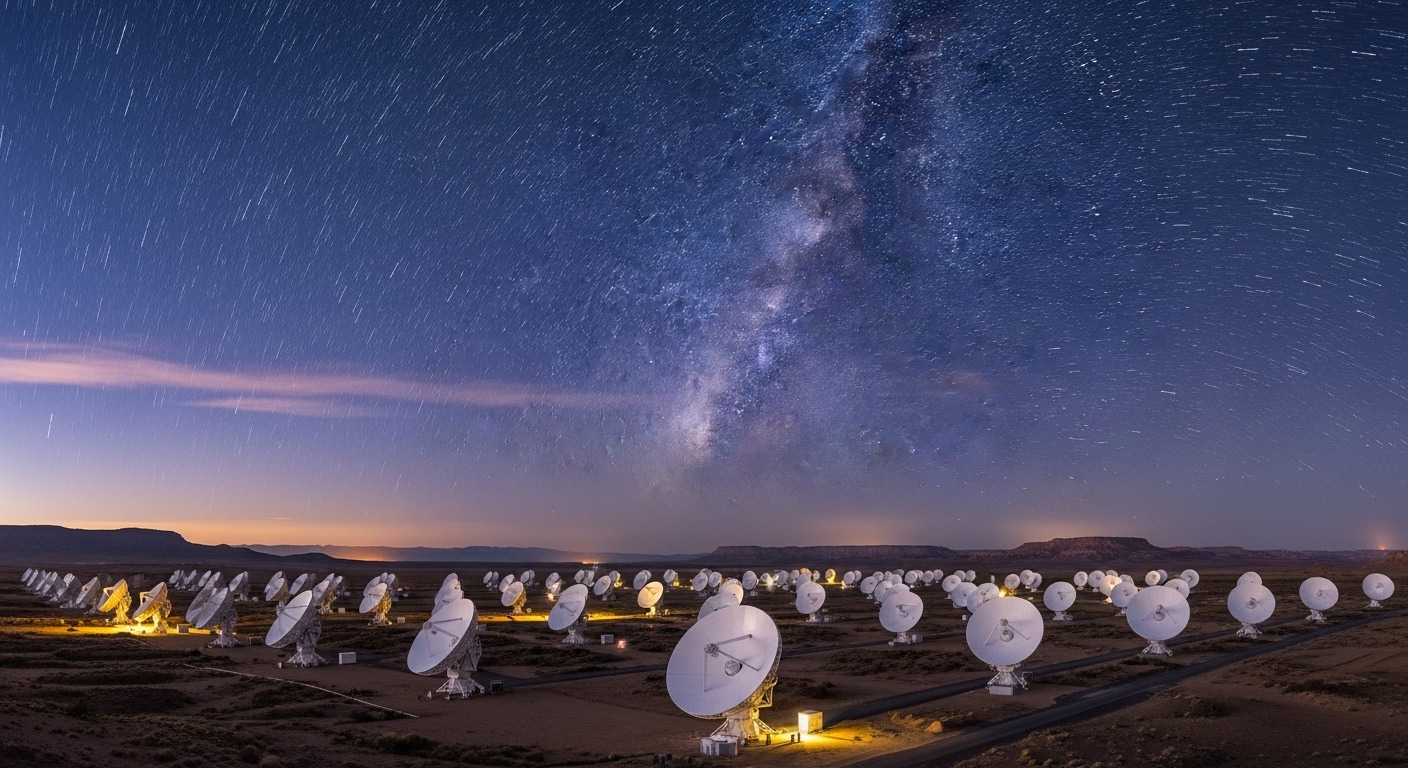
A biosignature is any measurable property — a chemical, a pattern, a physical structure — that could indicate the presence of life, past or present. The word sounds clinical, but the concept is genuinely expansive. It covers everything from specific gases in an atmosphere to unusual mineral deposits on a planet's surface to the geometric regularity of a radio signal.
The key word is 'could.' A biosignature is not proof of life. It's a signal that warrants closer investigation. Scientists prefer the term 'potential biosignature' for exactly this reason — because almost every candidate signal has at least one plausible non-biological explanation.
There are three broad categories researchers work with: atmospheric biosignatures (gases or combinations of gases), surface biosignatures (reflectance patterns, pigments, or mineral chemistry), and technological biosignatures — sometimes called technosignatures — which are signals that would imply not just life, but intelligent, tool-using life.
The Difference Between a Biosignature and a Life Detection
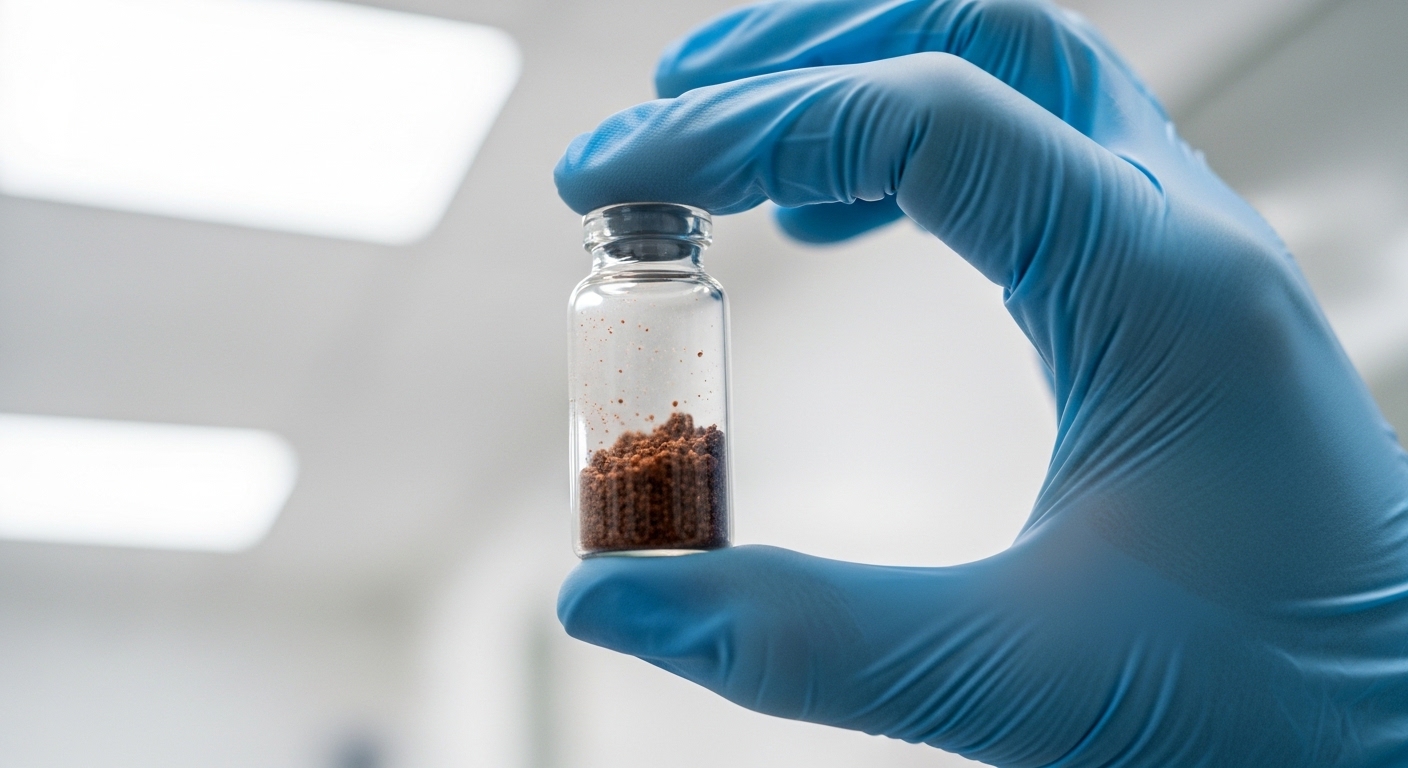
Detecting a biosignature is not the same as detecting life. Think of it like finding a footprint in the mud — it strongly suggests someone walked there, but you haven't seen the person. Actual life detection would require something far more direct: a sample return, an in-situ chemical analysis, or a signal so unambiguous that no geological process could explain it.
How Do Biosignatures Actually Work? The Science of Detection
Atmospheric Spectroscopy — Reading a Planet's Breath
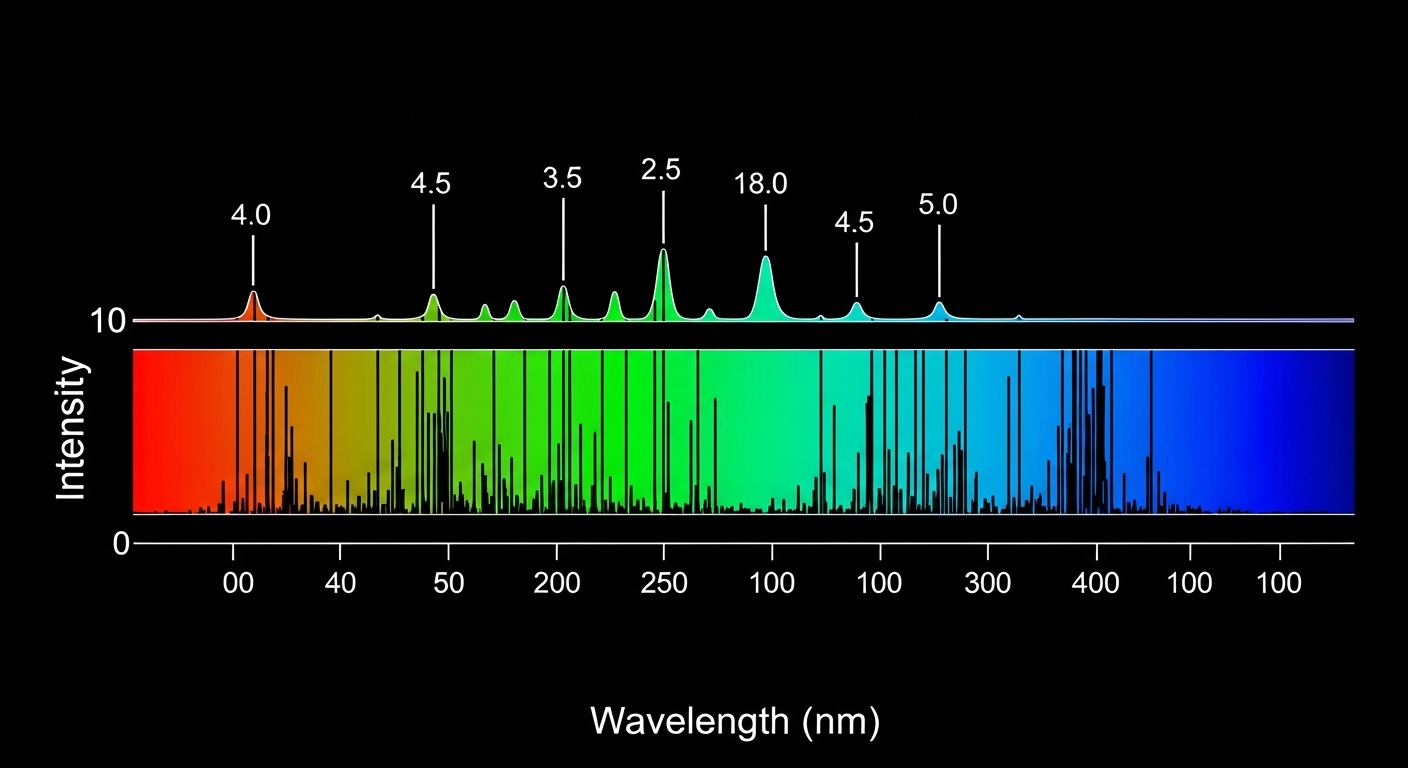
The most powerful tool scientists currently have is spectroscopy. When starlight passes through a planet's atmosphere during a transit — when the planet crosses in front of its host star — different molecules absorb specific wavelengths of light. The resulting 'absorption spectrum' acts like a chemical fingerprint. By analyzing which wavelengths are missing, researchers can identify which molecules are present.
Methane and oxygen together are considered a particularly interesting pairing. On Earth, methane is constantly being destroyed by reactions with oxygen, so if both exist simultaneously in large quantities, something must be continuously replenishing them. Biology is the most efficient known replenisher. This is the logic behind 'disequilibrium biosignatures' — looking not just for individual gases, but for atmospheric combinations that shouldn't coexist without an active source.
A single gas in an alien atmosphere proves almost nothing. It's the combination — the chemical tension between gases that shouldn't coexist — that starts to look like life.
The Red Edge and Surface Signatures
Earth's vegetation has a striking optical property: it strongly reflects near-infrared light while absorbing visible red light. This creates a sharp jump in reflectance at around 700 nanometers, known as the 'vegetation red edge.' From space, this feature is detectable in Earth's spectrum. If a similar feature appeared in the spectrum of an exoplanet, it could suggest photosynthetic organisms covering significant surface area.
The catch — and there's always a catch — is that certain minerals can produce similar reflectance patterns. Distinguishing biological from geological sources at interstellar distances requires extremely high-resolution spectroscopy that current instruments can only partially achieve.
Where Scientists Are Actually Looking Right Now
Exoplanet Atmospheres with the James Webb Space Telescope
The James Webb Space Telescope, operational since 2022, has fundamentally changed what's possible in atmospheric characterization. It can analyze the atmospheres of rocky exoplanets in the habitable zones of nearby stars with a level of detail that was purely theoretical a decade ago. Early results have already detected carbon dioxide in exoplanet atmospheres — not a biosignature itself, but a proof of concept that the technique works at these distances.
The TRAPPIST-1 system, a cluster of seven Earth-sized planets orbiting a dim red dwarf star roughly 40 light-years away, has become a primary target. Several of those planets sit in the habitable zone. Whether any of them retain atmospheres at all — red dwarf stars are notoriously active and can strip planetary atmospheres over time — is one of the central questions Webb is working to answer.
Mars and the Solar System's Own Backyard
Mars gets less glamorous press than exoplanets, but it may be the most realistic near-term target for biosignature detection. NASA's Perseverance rover is currently collecting rock cores from an ancient lakebed called Jezero Crater. The plan is to eventually return those samples to Earth, where they can be analyzed with laboratory equipment far more sensitive than anything a rover can carry.
The detection of methane in Mars's atmosphere — reported by multiple missions, though the measurements have been inconsistent and contested — remains one of the more tantalizing unresolved puzzles in planetary science. If confirmed as a stable, recurring signal, it would demand explanation.
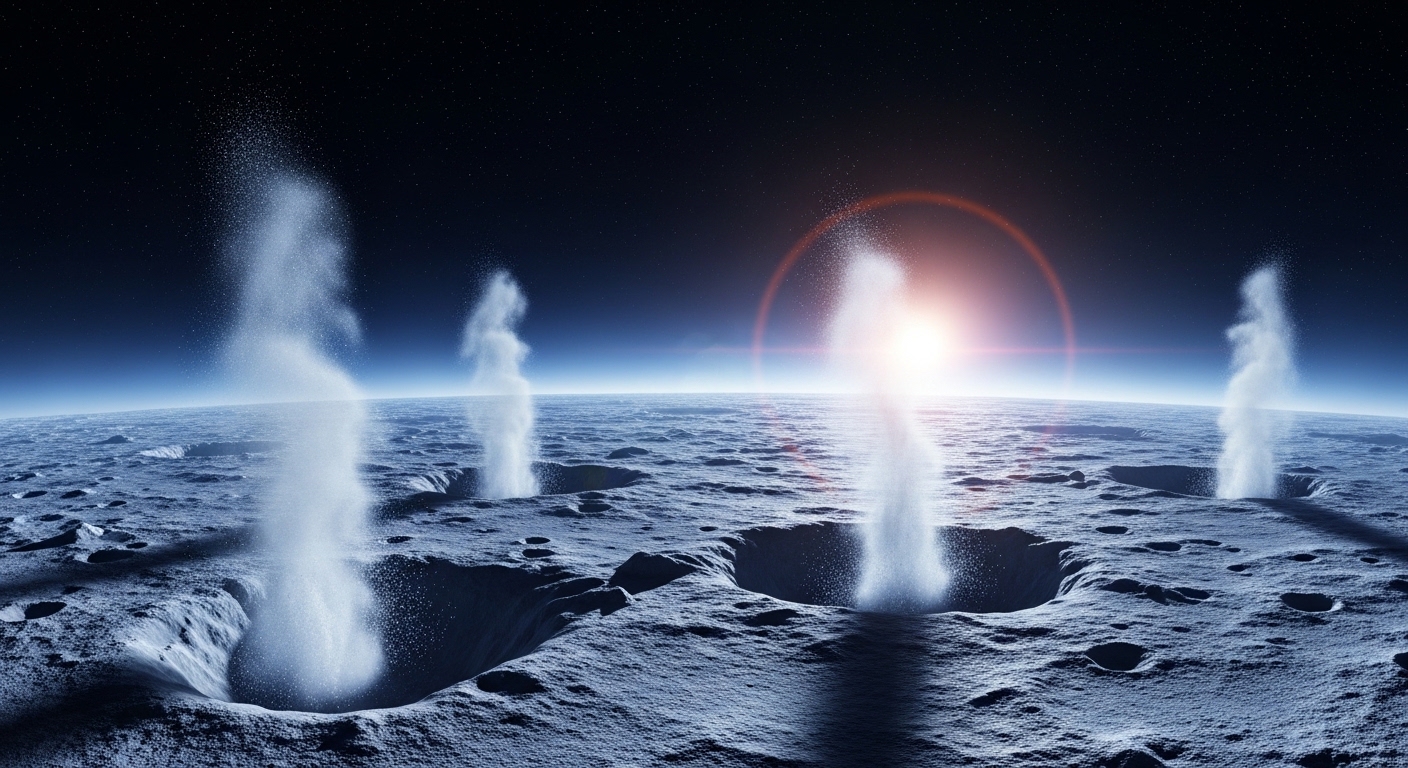
Europa and Enceladus, moons of Jupiter and Saturn respectively, are also serious candidates. Both are believed to harbor liquid water oceans beneath their icy surfaces, and Enceladus actively vents material into space through geysers — material that has already been found to contain organic compounds and molecular hydrogen.
Enceladus is essentially handing us a sample of its subsurface ocean. We just need to fly through the plume and catch it.
Why Biosignature Science Is Harder Than It Looks
The False Positive Problem
Every strong biosignature candidate has a geological or abiotic 'evil twin.' Oxygen can be produced by photolysis of water vapor. Methane seeps from volcanic activity. Phosphine — briefly and controversially reported in Venus's atmosphere in 2020 — can potentially form through lightning or volcanic processes, though the scientific community is still debating both the original detection and its source. The Venus phosphine episode was a useful stress test for the entire field: it showed how quickly a potential biosignature claim can unravel under scrutiny, and why extraordinary claims require extraordinary instrument calibration.
This is why researchers increasingly talk about 'biosignature frameworks' rather than single-molecule detection. The goal is to build a case from multiple independent lines of evidence — atmospheric chemistry, surface properties, orbital context, stellar environment — rather than hang everything on one measurement.
The Problem of Life We Don't Recognize
All current biosignature frameworks are built around life as we know it: carbon-based, water-dependent, producing recognizable metabolic byproducts. But there's no physical law that requires life to work this way. Silicon-based chemistry, non-aqueous solvents, radically different metabolic pathways — these are speculative, but not impossible. If life on another world operates on entirely different chemistry, we might fly past it without recognizing it at all.
(Opinion: This is the part of biosignature science that rarely gets enough attention. We're essentially designing a search based on a sample size of one — Earth life. That's not a criticism of the scientists involved, who are doing genuinely rigorous work. It's just an honest acknowledgment that our detection frameworks have a blind spot the size of the unknown.)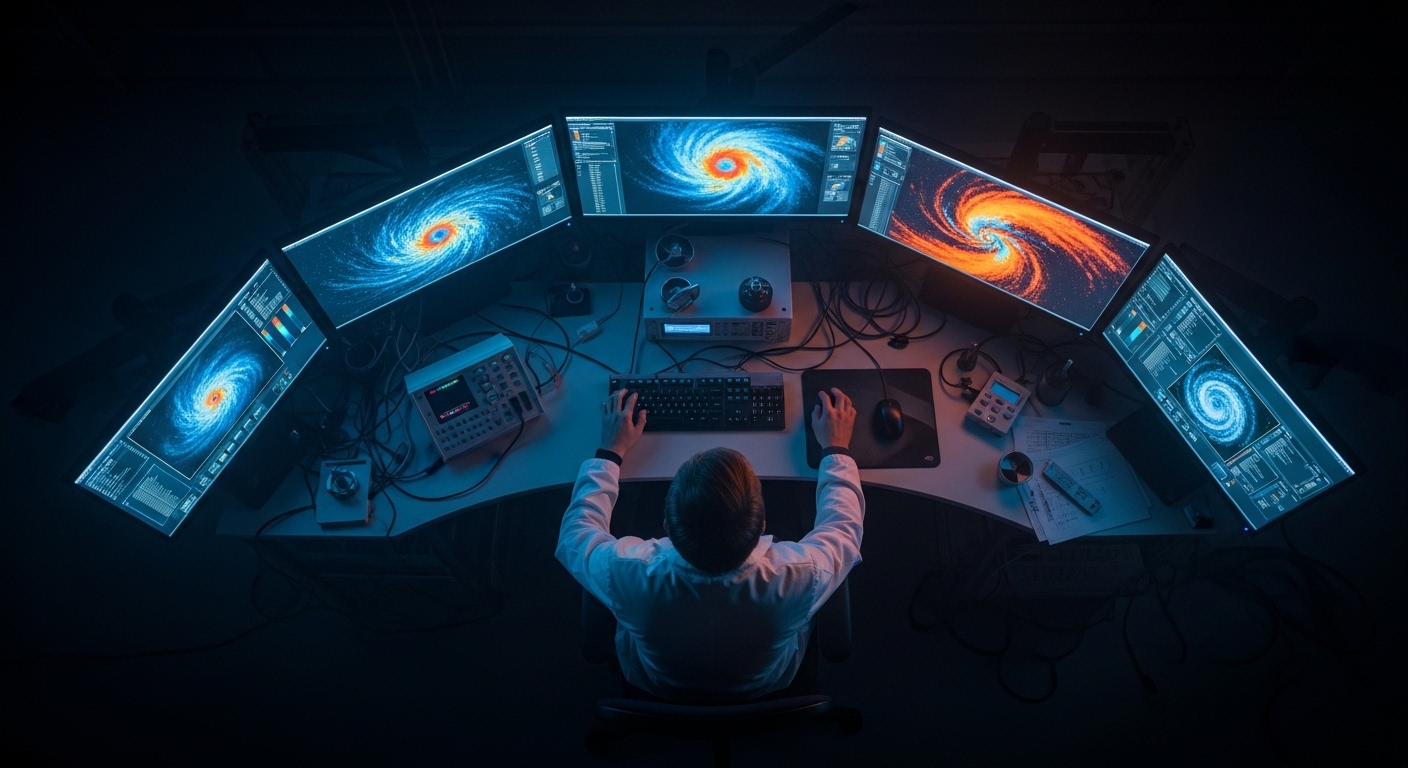
Frequently Asked Questions
Have we found any confirmed biosignatures yet?
No confirmed biosignatures have been detected beyond Earth as of now. Several intriguing candidates exist — methane fluctuations on Mars, the contested phosphine signal at Venus, organic compounds in Enceladus's plumes — but none have cleared the bar of ruling out non-biological explanations. The field is actively working toward that standard.
Why is oxygen not considered a reliable biosignature on its own?
Oxygen can be produced abiotically through the photolysis of water vapor and carbon dioxide by ultraviolet radiation. On a planet with abundant water and strong UV exposure but no life, oxygen could still accumulate in the atmosphere. This is why scientists look for oxygen in combination with other gases — particularly methane — that would be chemically unstable without a continuous biological source to replenish them.
Could a radio signal count as a biosignature?
Yes — this falls under the category of technosignatures, which are a subset of biosignatures specifically associated with technologically capable life. Projects like SETI (Search for Extraterrestrial Intelligence) have been scanning for anomalous radio and laser signals for decades. A narrowband radio signal at a specific frequency, showing Doppler shift consistent with a planet's rotation, would be extremely difficult to explain without invoking intelligence. No confirmed technosignature has been detected, though a handful of unexplained signals over the years have generated significant short-term excitement.
The search for biosignatures is, at its core, a search conducted by the only known example of the thing being searched for. Every instrument we build, every spectral line we flag as suspicious, every atmospheric model we run — all of it is calibrated against Earth life, Earth chemistry, Earth assumptions. That's not a flaw in the science. It's the unavoidable starting point. But it means that if life out there is genuinely alien — not just in location, but in its fundamental chemistry — the universe might be full of biosignatures we don't yet have the conceptual vocabulary to read.


Comments
Post a Comment