Beyond Water: What Are Non-Newtonian Fluids Explained
Punch a pool of cornstarch and water hard enough, and it punches back. That sounds like a party trick, but it reveals something genuinely strange about how matter behaves — and it has engineers rethinking everything from body armor to highway safety barriers. Non-Newtonian fluids break the most basic assumption we make about liquids: that they flow the same way regardless of how hard you push them.
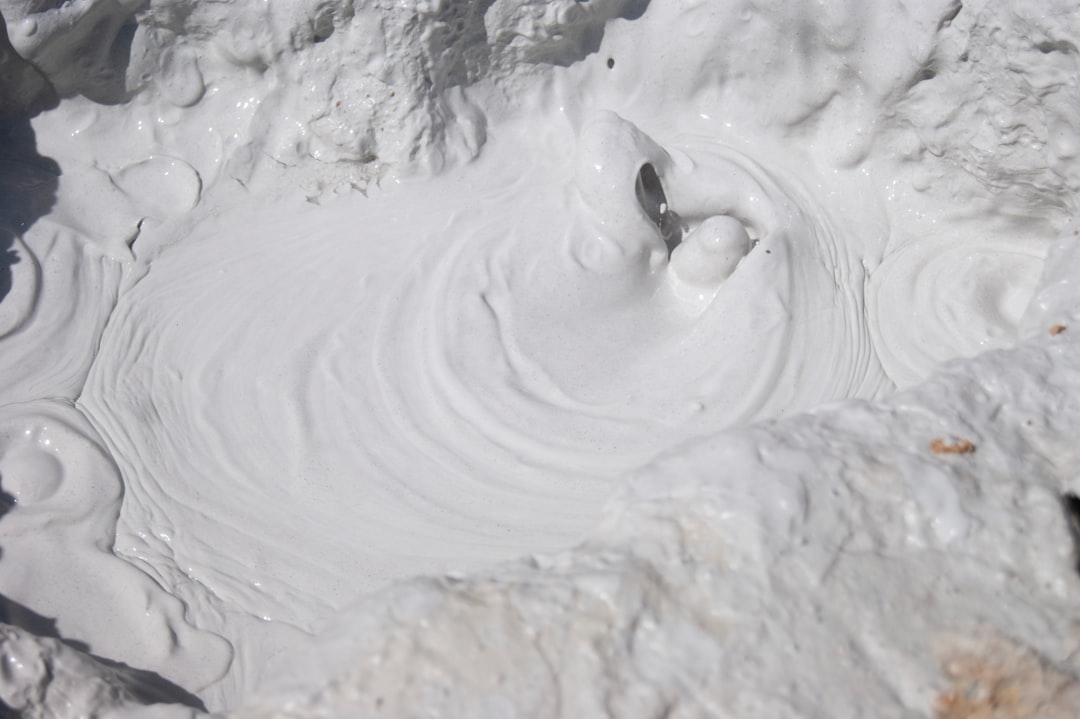
What Is a Non-Newtonian Fluid? A Plain-Language Definition
The Rule These Fluids Break
In the 17th century, Isaac Newton described a simple relationship: a fluid's resistance to flow — its viscosity — stays constant no matter how fast you stir it or how much force you apply. Water, air, and most oils behave this way. They are 'Newtonian fluids.' A non-Newtonian fluid is simply any liquid that refuses to follow that rule.
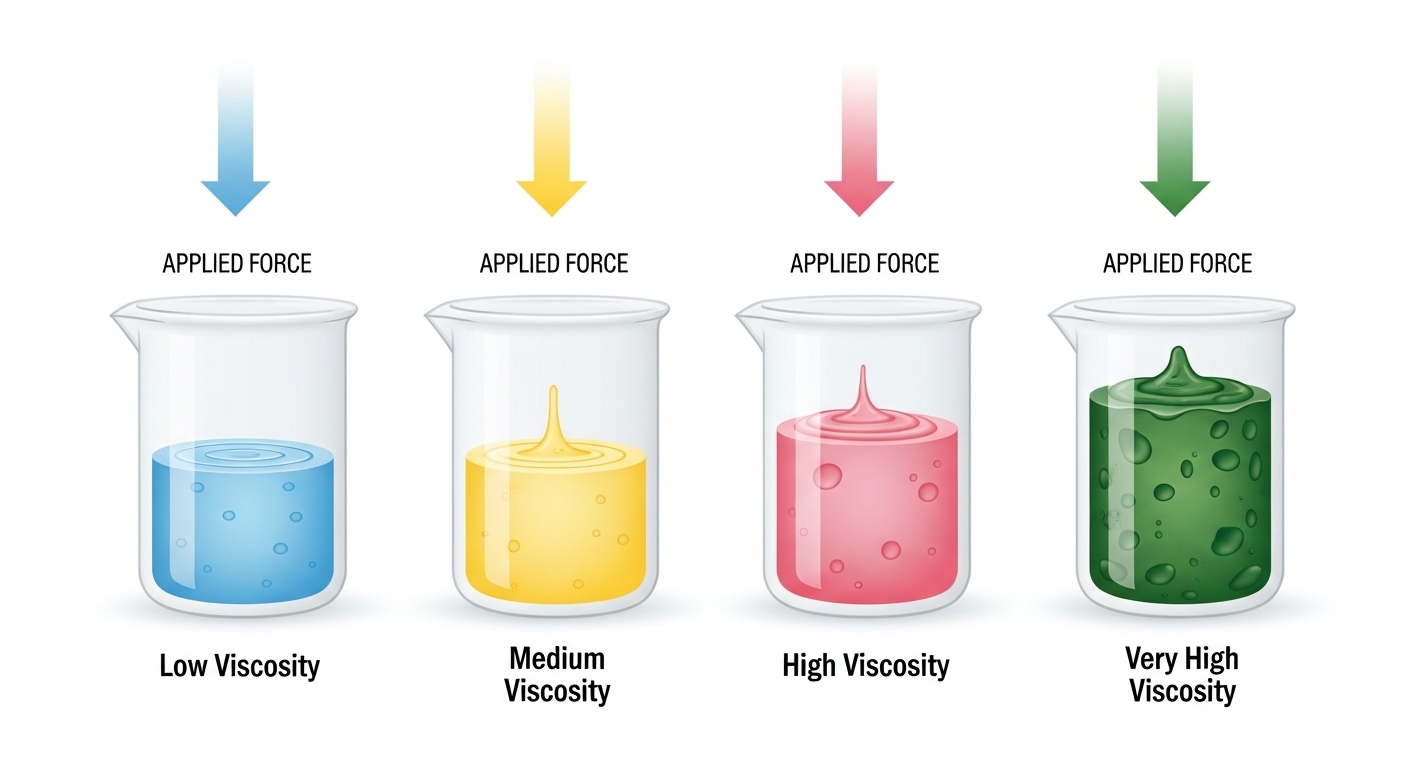
Viscosity in these materials changes depending on stress, shear rate, or sometimes time. That single deviation from Newton's model opens up a surprisingly wide zoo of behaviors — some fluids get thicker under pressure, some get thinner, and some do both depending on how long you apply the force.
Why Viscosity Is the Key Variable
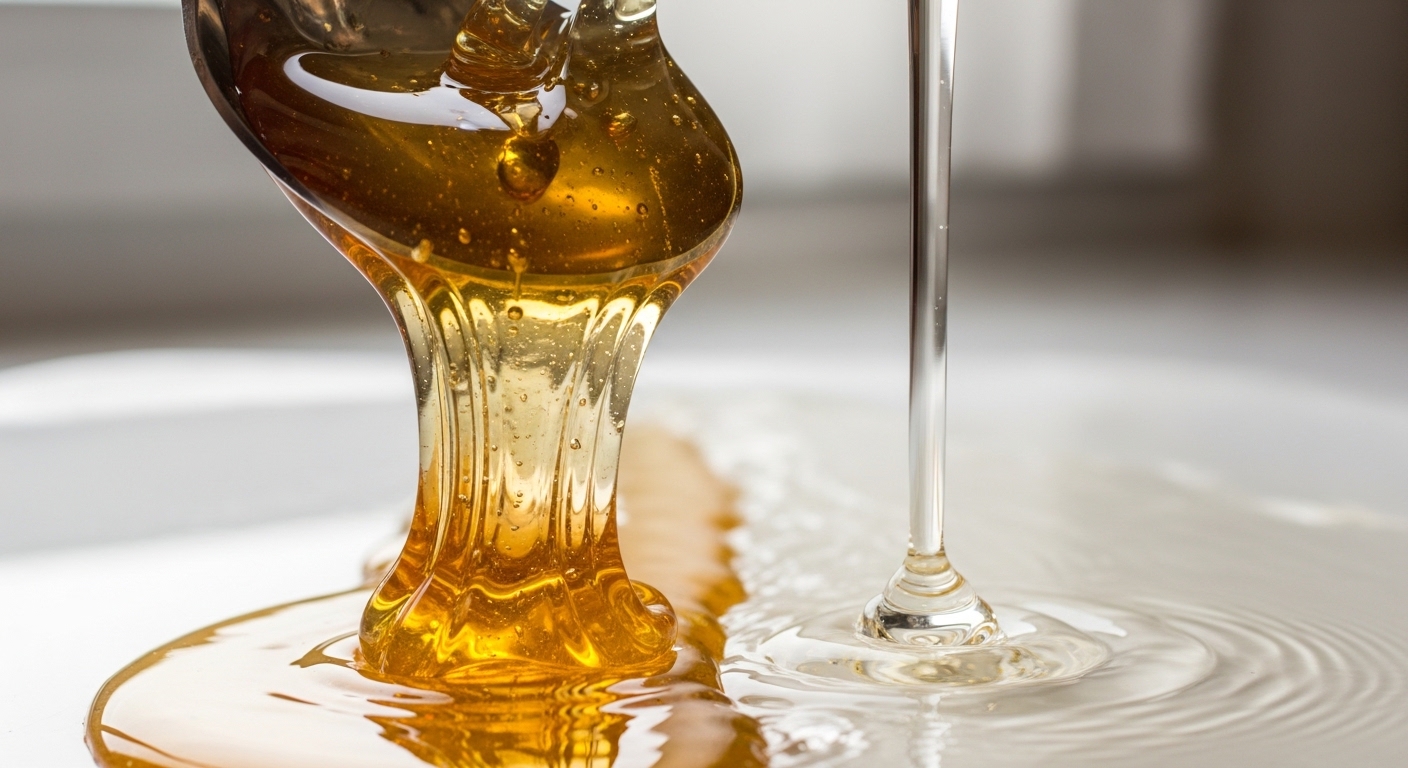
Think of viscosity as internal friction. Honey has high viscosity; it resists flow. Water has low viscosity; it flows easily. For a Newtonian fluid, that number is fixed at a given temperature. For a non-Newtonian fluid, the number shifts — and the direction it shifts tells you what category you are dealing with.
How Do Non-Newtonian Fluids Work? The Mechanism Behind the Madness
Shear-Thickening: The Fluids That Fight Back
Cornstarch mixed with water — technically called a dilatant or shear-thickening fluid — behaves like a liquid when you move slowly through it and like a solid when you strike it fast. The reason is structural. At rest, the starch particles are loosely packed with water filling the gaps. Apply sudden force, and the particles jam together faster than the water can redistribute. The result is a temporary solid.
This is not magic — it is jamming physics, the same phenomenon that makes a bag of rice feel rigid when you squeeze it hard. The transition happens in milliseconds, which is why you can run across a large enough pool of the mixture without sinking, but standing still lets you sink slowly through.
Shear-thickening is not about the fluid getting 'stronger' — it is about particles running out of room to move past each other fast enough.
Shear-Thinning: The Fluids That Give Way
Shear-thinning fluids do the opposite — they become less viscous under stress. Ketchup is the classic example. The bottle sits there, thick and stubborn, until you shake or squeeze it hard enough. Then it flows freely. Blood is also a shear-thinning fluid, which matters enormously for cardiovascular medicine — it flows more easily through narrow vessels where shear rates are high.
Paint is another everyday case. It needs to be thick enough to stay on a brush without dripping, but thin enough to spread smoothly when you apply pressure. That balance is engineered deliberately using shear-thinning chemistry.
Thixotropic and Rheopectic Fluids: The Time Dimension
Some non-Newtonian fluids add a time component to the equation. Thixotropic fluids thin out under sustained stress and then slowly recover their thickness when left alone. Certain gels, drilling muds used in oil extraction, and even some yogurts behave this way. Rheopectic fluids do the reverse — they thicken the longer stress is applied. These are rarer in everyday life but show up in some lubricants and printing inks.
Where Non-Newtonian Fluids Show Up in the Real World
Body Armor That Flows
One of the more striking applications is flexible body armor using shear-thickening fluid. Traditional rigid armor stops a bullet by being hard enough to resist penetration, but it is also heavy and limits movement. Researchers — including teams at the U.S. Army Research Laboratory — have explored soaking Kevlar fabric in shear-thickening fluid. The fabric stays flexible during normal movement, but the fluid stiffens instantly on impact, spreading the force across a wider area. The result is protection that is thinner and lighter than conventional hard plates.
This is not yet standard issue in most militaries, but the underlying technology has been publicly documented and tested. It is a genuine case where a party-trick fluid became a serious engineering material.
Quicksand — Which Is Not What Movies Suggest
Quicksand is a real non-Newtonian fluid, but it almost never behaves the way films portray it. Real quicksand is a shear-thickening mixture of sand, clay, and water. Slow, deliberate movement lets you extract yourself because the fluid thins slightly under gentle, sustained stress. Panicking and thrashing — applying rapid, high-force movement — causes the material to jam around you. The counterintuitive survival advice is correct: move slowly.
The cinematic version where people sink completely is physically impossible. The density of quicksand is higher than the human body, so you float at roughly waist depth. Uncomfortable, but not fatal on its own.
Real quicksand cannot swallow a person whole — human density is too low. The danger is exposure and exhaustion, not submersion.
The Food Industry's Quiet Dependence on These Fluids
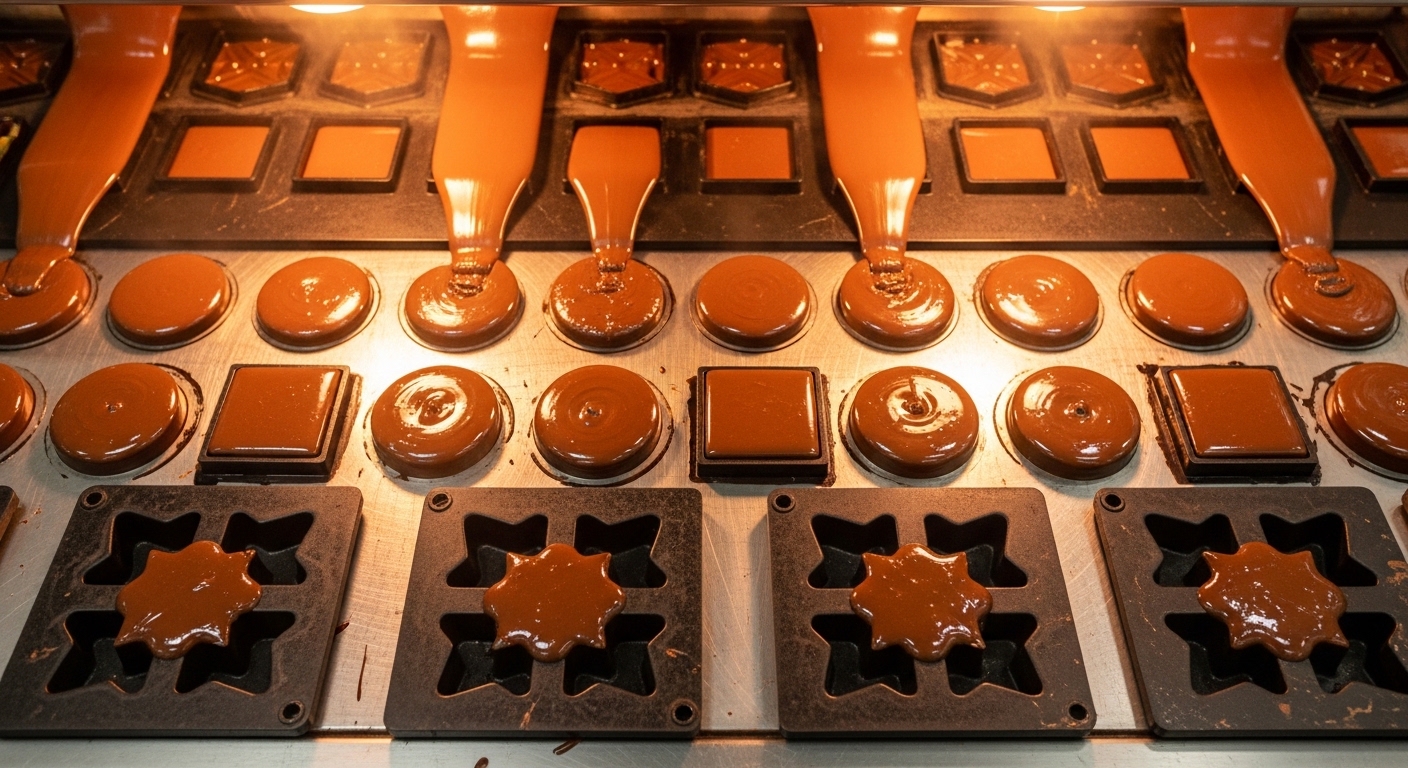
Mayonnaise, chocolate, tomato sauce, and many processed foods are deliberately engineered to be non-Newtonian. Food scientists call the property 'mouthfeel,' and it is controlled through emulsifiers, starches, and gums that tune viscosity response. Chocolate, for example, needs to flow smoothly through molds at the factory but hold its shape on a shelf. Getting that balance right is a significant part of confectionery chemistry.
Anyone who has ever tried to pour cold honey knows how temperature interacts with viscosity — but food-grade non-Newtonian fluids add a stress-response layer on top of that temperature dependence, giving manufacturers far more control over texture.
Why Non-Newtonian Fluids Matter Beyond the Lab
Medicine: Blood, Joints, and Eye Drops
Blood's shear-thinning behavior is not a quirk — it is essential. In large vessels where flow is slow, blood is relatively viscous, which helps prevent pooling. In capillaries where shear rates spike, it thins out and flows through passages barely wider than a red blood cell. Disruptions to this behavior are linked to certain circulatory diseases.
Synovial fluid — the lubricant in your knee and hip joints — is also non-Newtonian. Under slow movement, it is thick and cushioning. Under sudden impact, it stiffens slightly to absorb shock. Artificial joint lubricants try to replicate this, and getting the rheology right is one of the harder engineering challenges in orthopedic implant design.
Civil Engineering and Impact Absorption
Highway crash barriers filled with shear-thickening fluid have been tested in several countries as an alternative to rigid concrete or crushable foam systems. The idea is that the barrier deforms slowly for a gentle impact — a car drifting off the road — but stiffens dramatically for a high-speed collision. Estimates suggest these systems can absorb significantly more energy per kilogram than conventional barriers, though widespread adoption has been slow due to cost and maintenance concerns.
(Opinion: The gap between laboratory demonstrations of non-Newtonian materials and their real-world deployment is frustratingly wide. The science has been solid for decades. What is missing is not understanding — it is the engineering infrastructure to manufacture these materials reliably at scale and at a price that competes with a concrete block.)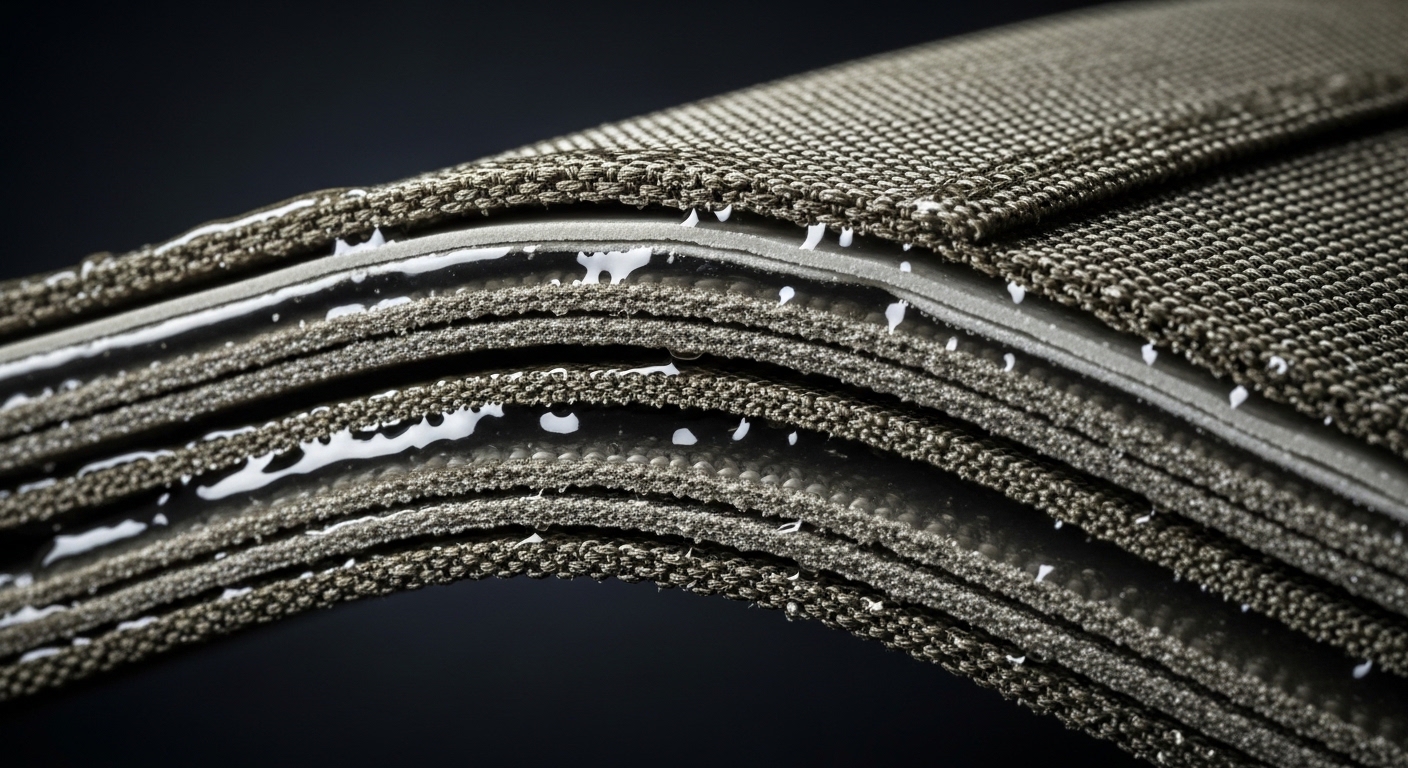
Frequently Asked Questions About Non-Newtonian Fluids
Is blood really a non-Newtonian fluid?
Yes. Blood is a shear-thinning fluid, meaning its viscosity decreases as flow speed increases. This property allows it to move efficiently through both large arteries and tiny capillaries. At normal body temperature and in healthy individuals, this behavior is well-documented in medical literature.
Can you actually walk on cornstarch and water?
Yes, if the pool is large enough and you move quickly. The rapid foot strikes cause the mixture to temporarily solidify beneath each step. The moment you slow down or stand still, it behaves like a liquid again and you sink. Several public science demonstrations have shown this on pools several meters wide.
Are non-Newtonian fluids always synthetic or lab-made?
No — many occur naturally. Blood, synovial joint fluid, quicksand, and wet clay are all naturally occurring non-Newtonian fluids. The category describes a behavior, not an origin. Some of the most commercially useful examples, like drilling muds and certain lubricants, are engineered, but the phenomenon itself is widespread in nature.
The strangest part of non-Newtonian fluids is not the science — the physics is well understood. It is the gap between what these materials can do and how little most infrastructure around us takes advantage of it. Your knee joint has been running a more sophisticated fluid-dynamics system than most engineered barriers on the road beside you. That says something either about the elegance of biology or the conservatism of civil engineering, depending on how you look at it.



Comments
Post a Comment