The Beautiful Game: Why Soccer Captivates Billions Worldwide
Roughly half the world's population watched some part of the 2022 FIFA World Cup — a number so large it barely feels real. Soccer is the only sport that can genuinely claim to be universal, played on dirt lots in Lagos, concrete courts in Buenos Aires, and manicured pitches in Manchester with equal passion. But the question worth asking isn't just how many people watch it. It's why — what is it about 22 people chasing a ball that produces this kind of collective obsession?

What Soccer Actually Is — Beyond the Obvious Definition
The Simplicity That Hides Enormous Complexity
At its most stripped-down, soccer is a sport with one rule that matters above all others: don't use your hands. That constraint is the entire foundation of the game's global reach. You need no equipment beyond a ball — and in many parts of the world, even that gets improvised from rags or plastic bags tied together. The barrier to entry is essentially zero.
But that simplicity is deceptive. Within those minimal rules lives a sport of staggering tactical depth. Coaches spend careers studying pressing systems, defensive shape, positional play, and set-piece design. A single corner kick can involve choreographed movement from eight players, each with a specific blocking or running assignment. The game looks simple from the stands and reveals itself as something else entirely the moment you try to understand it seriously.
The counterintuitive thing is that low scoring — often seen as a flaw by newcomers — is actually central to the sport's drama. A 1-0 lead in soccer is fragile in a way that a 10-point lead in basketball simply isn't. Every minute of a close match carries genuine existential weight for both teams.
The Language Nobody Had to Teach
Soccer's visual grammar is almost universally readable. A near-miss produces the same groan in Seoul as it does in Seville. You don't need to understand the offside rule to feel the tension of a penalty shootout. This cross-cultural legibility is something most sports can't claim — American football, cricket, and baseball all require significant cultural initiation before they become emotionally engaging.
How Soccer Spread Across the World — and Why It Stuck
The British Export Nobody Planned
Soccer was codified in England in 1863, when the Football Association wrote down the rules that separated the kicking game from rugby. What happened next was less a deliberate cultural export and more an accidental consequence of empire and trade. British sailors, merchants, and railway workers carried the game to port cities across South America, Africa, and Asia in the late 19th and early 20th centuries.
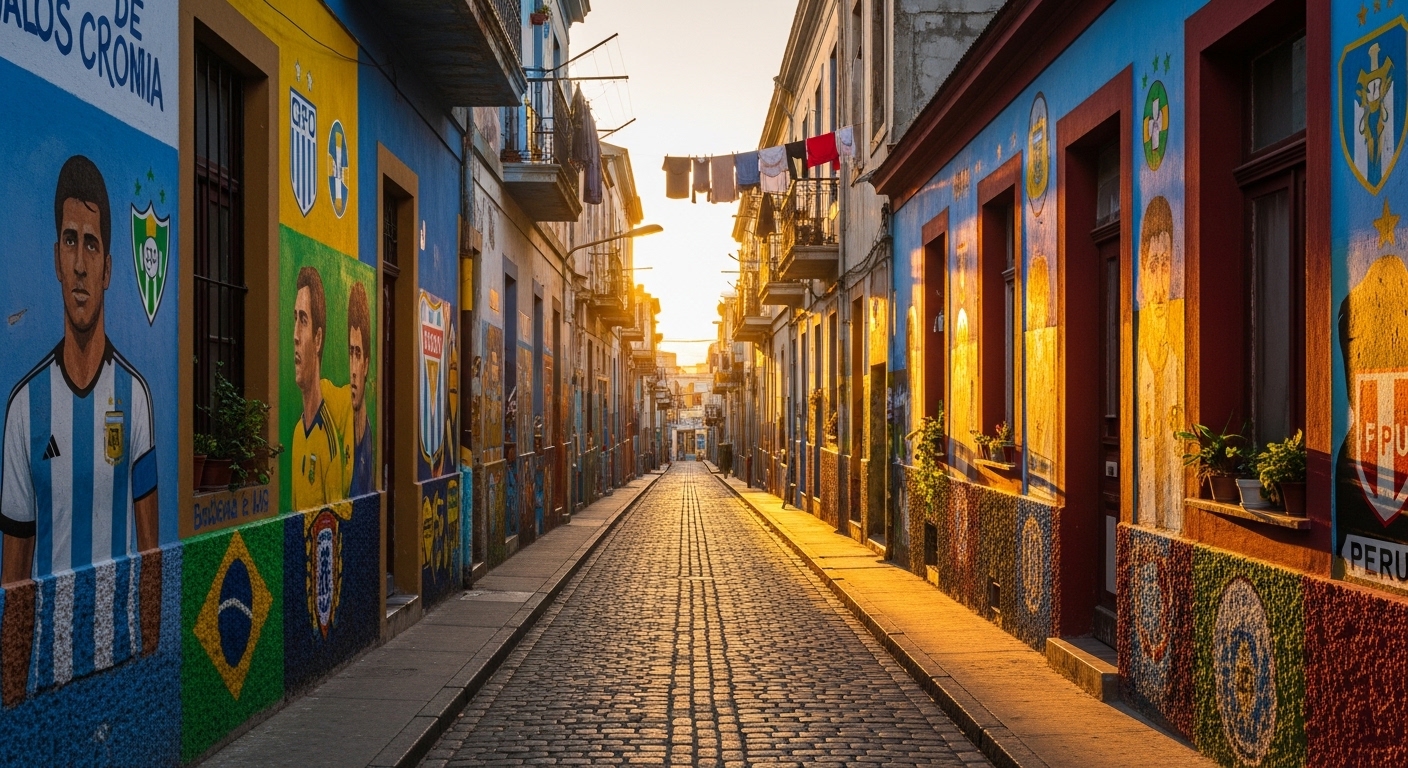
Brazil is the clearest example. The sport arrived via British expatriates working in São Paulo in the 1890s, and within a generation it had been completely absorbed and transformed into something distinctly Brazilian — a style of play so fluid and inventive that it eventually got its own name: jogo bonito, the beautiful game. The phrase itself is a clue. Brazil didn't just adopt soccer; it reimagined it.
This pattern repeated across the world. Each country absorbed the sport and inflected it with its own character. Argentina developed a streetwise, physical style. The Netherlands produced a philosophical system called Total Football in the 1970s, where every player was expected to be able to play every position. Germany built an industrial efficiency. The game became a mirror for national identity in a way that few cultural imports ever manage.
Soccer didn't spread because anyone planned it — it spread because it was impossible to stop once it started. A ball and a patch of ground was all it ever needed.
The Club System and Local Identity
One underappreciated reason soccer stuck so deeply is the club structure. Unlike American sports franchises, many of the world's most famous soccer clubs were founded by workers, immigrants, or local communities — not investors. FC Barcelona was founded in 1899 by a Swiss man and a group of mostly foreign players, but it became inseparable from Catalan identity within decades. During the Franco dictatorship, a win for Barça carried political meaning that no scoreline could fully capture.
That kind of embedded local meaning is hard to manufacture. It accumulates over generations, and once it exists, it creates loyalty that transcends the sport itself. People who have never played a minute of soccer will support their local club because their grandfather did, and his father before him.
What Makes a Soccer Match Emotionally Unforgettable
The Physics of Tension
A soccer match lasts 90 minutes with no commercial breaks and almost no stoppages. That continuous flow creates a kind of shared trance in a stadium. You can't check your phone during a tense passage of play without risking missing the only goal of the match. The sport demands sustained attention in a way that feels increasingly rare.
There's also something specific about the way time works in soccer. The clock counts up, not down, and injury time is announced but imprecise. Nobody knows exactly when the match will end. That ambiguity — the possibility of a goal in the 94th minute — keeps matches alive in a way that a running clock simply doesn't allow. Anyone who has watched a team score in stoppage time to win a title knows that specific, almost violent emotional release.
The imprecise final whistle is one of soccer's strangest design features — and one of its most powerful. Uncertainty is the engine of drama.
The Role of Individual Brilliance
Soccer is a team sport, but it has always produced individual figures of almost mythological status. Pelé, Johan Cruyff, Diego Maradona, Ronaldo, Messi — these aren't just athletes. They become vessels for national pride, generational memory, and arguments that never quite resolve. The Messi-versus-Ronaldo debate consumed roughly two decades of sports conversation worldwide, and it was never really about statistics.
What makes individual brilliance so striking in soccer is how rarely it appears. A player might touch the ball only 50 or 60 times in a match. Each touch carries weight. When a moment of genuine genius occurs — a turn, a pass, a strike — it stands out against the collective effort in a way that's hard to replicate in higher-scoring sports.
(Opinion: The Messi-Ronaldo era may have actually been bad for the sport in one specific way — it trained a generation of fans to evaluate players almost entirely through individual statistics, which is a terrible way to understand soccer. The best players in the world are often the ones making the runs that never get completed, the passes that create the space for someone else's assist.)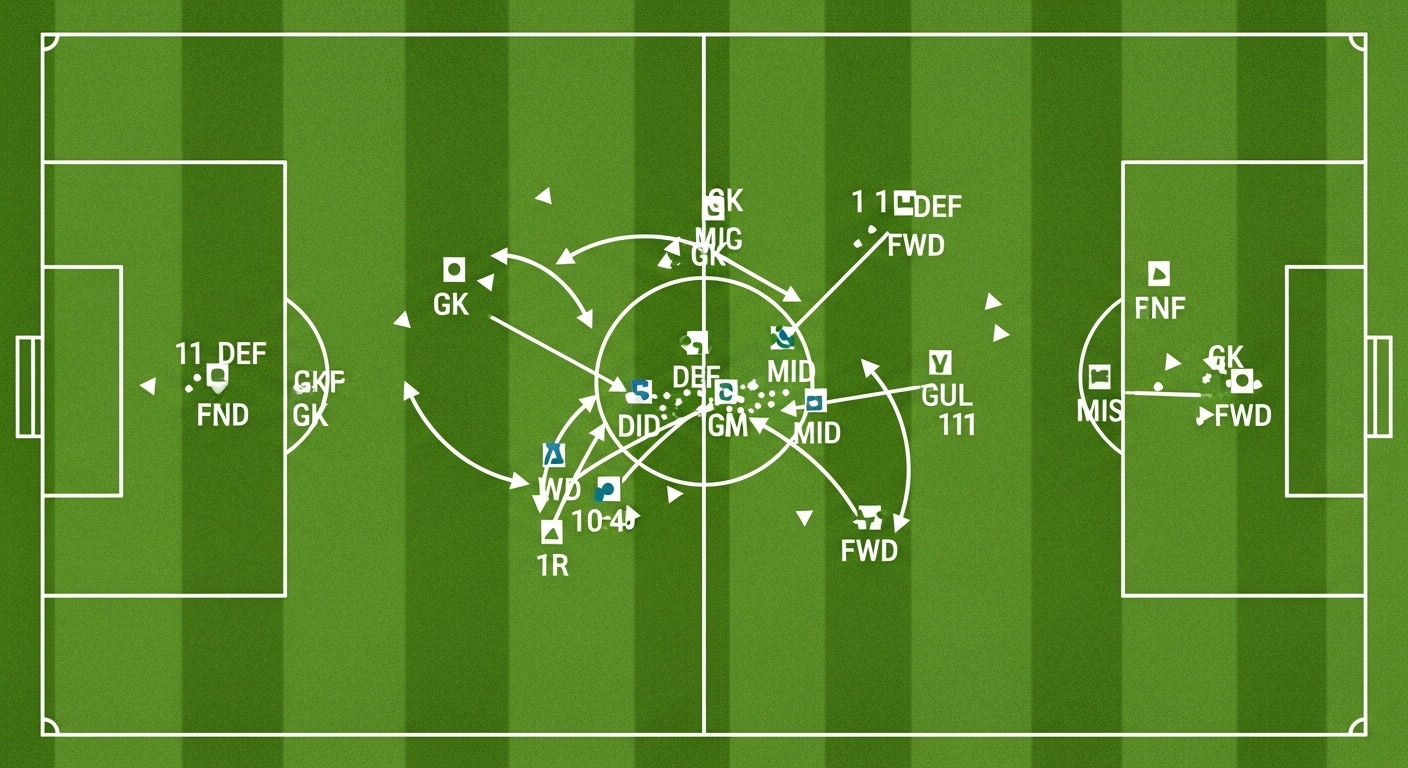
Why Soccer Matters Beyond the Pitch
Economics, Politics, and Soft Power
The Premier League alone generates revenues estimated in the billions of pounds annually, and its broadcast rights are sold to virtually every country on earth. Soccer is one of the few industries where a small city in northern England can have genuine global brand recognition. Clubs like Liverpool or Manchester United function less like sports teams and more like multinational media companies that happen to play football on weekends.
Governments understand this. Hosting a World Cup or a major tournament has become a form of geopolitical signaling — a way of projecting legitimacy and modernity on a global stage. The controversies around tournament hosting decisions in recent decades reflect exactly how much political weight the sport now carries. Soccer didn't ask to become a tool of soft power. It just became too big to avoid it.
The Grassroots Reality That Gets Forgotten
For every billion-dollar broadcast deal, there are millions of Sunday league players who will never be watched by anyone beyond their teammates and a few shivering relatives on the touchline. That version of soccer — muddy, disorganized, occasionally bad-tempered — is where most of the world's actual relationship with the sport lives. And it matters just as much to the people playing it.
Research suggests that participation in team sports correlates with better mental health outcomes, stronger community ties, and higher reported life satisfaction. Soccer, because of its accessibility, delivers those benefits at a scale no other sport can match. The billion viewers watching a World Cup final and the forty-year-old playing five-a-side on a Wednesday evening are connected by the same game, even if their experiences of it look nothing alike.
Frequently Asked Questions
Why is soccer called 'football' everywhere except the United States?
The word 'soccer' actually originated in England as slang for 'Association Football' — 'assoc' became 'soccer' in the same way 'rugby football' became 'rugger.' The term was common in Britain until the mid-20th century, when it gradually fell out of use as American influence made it feel foreign. The United States kept 'soccer' to distinguish it from American football, which had already claimed the word 'football' domestically.
What makes the offside rule so confusing to new fans?
The offside rule is genuinely counterintuitive because it penalizes a player for where they are, not what they do. A player is offside if they are closer to the opponent's goal line than both the ball and the second-to-last defender at the moment the ball is played — not when they receive it. The timing element is what trips people up. Modern video review technology has made the calls more precise, but also more controversial, since millimeter margins now decide goals.
Can a sport this popular ever lose its global appeal?
Historically, no sport that has achieved soccer's level of cultural embedding has ever declined significantly in global popularity. The more realistic concern among analysts is fragmentation — streaming rights, club super-league proposals, and the growing gap between elite and grassroots soccer could gradually erode the shared experience that makes the sport feel universal. The game itself is unlikely to disappear; the question is whether it remains a common language or becomes a premium product.
Soccer's staying power isn't really about the sport itself. It's about what the sport has been allowed to become — a container for identity, memory, grief, and joy that gets passed between generations without anyone quite deciding to do it. The ball is almost incidental. What travels is the feeling, and that turns out to be very difficult to replace.



Comments
Post a Comment