The Sharing Economy Explained: How It's Changing How We Live
A stranger's car picks you up from the airport. You sleep in someone else's apartment in Lisbon. A power drill you'll use exactly once gets borrowed from a neighbor through an app. None of this felt normal fifteen years ago — now it's Tuesday. The sharing economy has quietly restructured how millions of people access goods, services, and even skills, often without owning anything at all.

What the Sharing Economy Actually Is — Beyond the Buzzword
A Plain-Language Definition
The sharing economy is a system where people rent, lend, or exchange underused assets — time, property, skills, vehicles — typically through a digital platform that connects them with strangers. The word 'sharing' is a bit generous; most transactions involve money. A more accurate label might be the 'access economy' or 'platform economy,' but 'sharing economy' stuck, and here we are.
The core idea is simple: most physical assets sit idle most of the time. A car is parked roughly 95% of its life. A spare bedroom is empty every night. A ladder lives in a garage for years between uses. The sharing economy treats that idleness as inefficiency — and turns it into a marketplace.
What makes it distinct from older rental models is the platform layer. Before apps, renting a room to a stranger required classified ads, phone calls, and a fair amount of trust-building. Now an algorithm, a rating system, and a payment processor handle most of that friction in seconds.
The Three Pillars That Make It Work
Every sharing economy platform rests on three things: excess capacity (the idle asset), a digital platform (the matchmaker), and a trust mechanism (usually ratings, reviews, or identity verification). Remove any one of these and the model collapses. Early peer-to-peer rental attempts before smartphones failed largely because the trust layer was too slow and expensive to build manually.

How the Sharing Economy Works — The Mechanics Behind the Platform
From Idle Asset to Active Marketplace
The mechanics are more interesting than they look on the surface. When a host lists a property on a short-term rental platform, they're not just posting a room — they're entering a dynamic pricing system that adjusts rates based on local demand, seasonality, and competing listings. Some hosts earn more per night than nearby hotels charge, not because their apartment is nicer, but because the algorithm found the right buyer at the right moment.
On the supply side, the platform takes a cut — typically somewhere between 15% and 30% of each transaction, though figures vary by platform and region. On the demand side, users often pay a service fee on top of the listed price. The platform itself owns almost nothing. It's a toll booth on other people's assets.
The most valuable companies in the sharing economy own no inventory. They own the relationship between supply and demand — and that turns out to be worth more.
The Rating System Is Doing More Work Than You Think
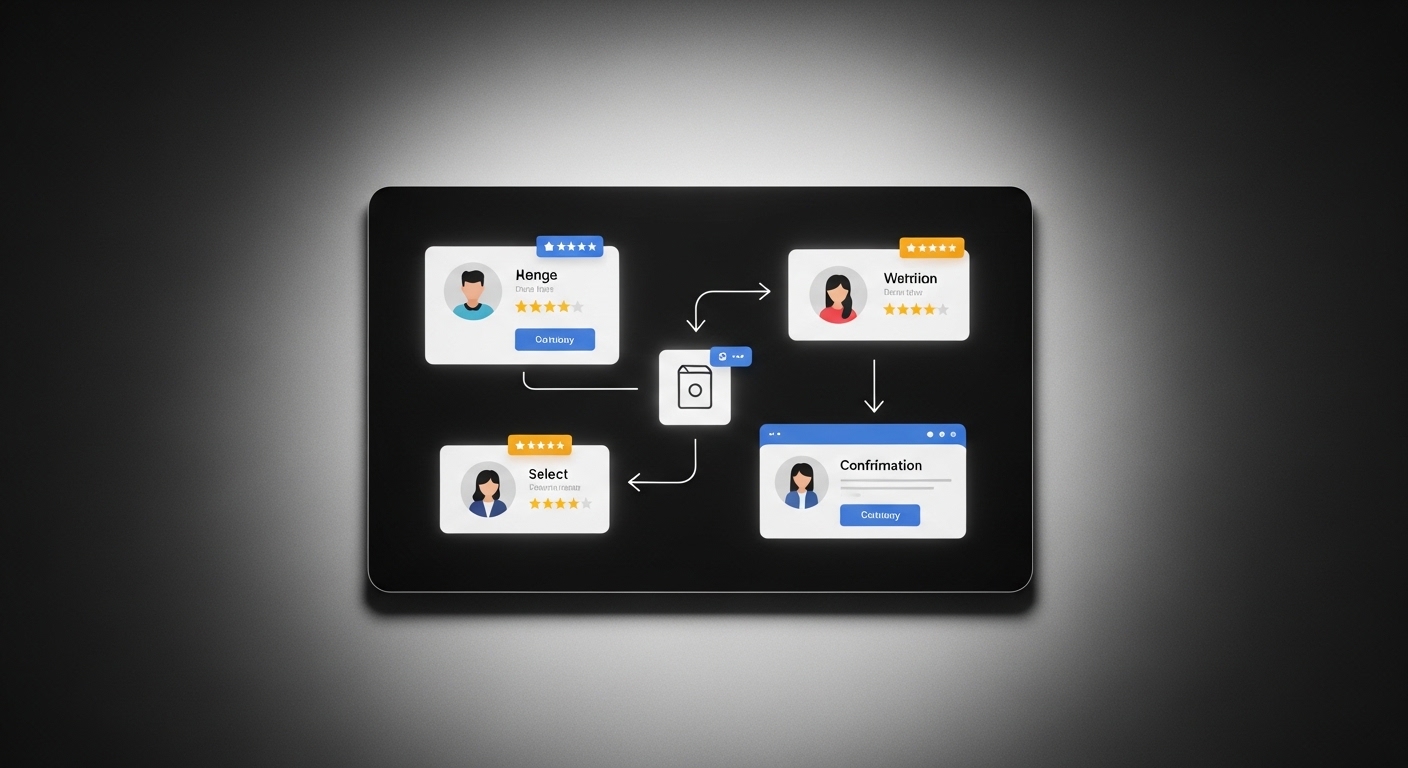
Ratings aren't just feedback — they're the substitute for institutional trust. When you stay in a stranger's home, you're relying on hundreds of previous guests having had normal experiences and said so publicly. That's a genuinely novel social technology. Before platforms like these existed, you needed a hotel brand, a government license, or a personal referral to establish that kind of credibility.
The counterintuitive part: rating systems tend to inflate over time. Research into peer-to-peer platforms consistently finds that average ratings cluster near the top of the scale, because both parties feel social pressure to rate positively. A 4.6 out of 5 on some platforms is effectively a warning sign — the real signal is in the written reviews, not the stars.
Where the Sharing Economy Shows Up in Everyday Life
The Obvious Platforms and the Less Obvious Ones
Most people think of ride-hailing and short-term rentals first, and those are genuinely massive. But the sharing economy extends much further. Freelance labor platforms let companies hire specialists by the hour without employment contracts. Peer-to-peer lending platforms connect borrowers directly with individual lenders, cutting out traditional banks. Tool libraries and clothing rental subscriptions apply the same logic to physical objects most people rarely use.
One underappreciated corner: coworking spaces. The model of renting a desk by the day rather than signing a multi-year office lease is the sharing economy applied to commercial real estate. A solo consultant in Chicago can book a professional meeting room for two hours, use it, and leave — no lease, no receptionist, no overhead. That would have required significant capital and commitment just two decades ago.
There are also hybrid models that blur the line. Some car-sharing services let you rent a vehicle by the minute from a fleet parked around a city — that's closer to a traditional rental company than peer-to-peer sharing, but the app-based, on-demand structure puts it in the same family.
A Real Shift in How People Think About Ownership
Younger urban consumers, in particular, have started treating access as a substitute for ownership in categories that previous generations considered non-negotiable purchases. Why buy a car in a city with good ride-hailing coverage? Why own a vacation property when you can rent one anywhere in the world for exactly the weeks you want it? The sharing economy didn't create this attitude, but it gave it infrastructure.

Why the Sharing Economy Is More Complicated Than It Looks
The Worker Classification Problem
The most persistent tension in the sharing economy is whether platform workers are independent contractors or employees. Platforms have historically classified drivers, delivery couriers, and taskers as contractors — which means no benefits, no guaranteed minimum wage, and no employer-side payroll taxes. That classification kept platform costs low and growth fast.
Several jurisdictions have pushed back hard. Legal battles in the UK, California, and parts of Europe have forced some platforms to reclassify at least some workers, offer minimum earnings guarantees, or provide limited benefits. The outcome varies by country and is still evolving. For workers who rely on these platforms as a primary income source, the distinction is not abstract — it determines whether they have sick pay or a pension.
Calling a full-time driver an 'independent entrepreneur' is a classification choice, not a natural law — and courts in multiple countries have started saying so.
The Neighborhood Effect Nobody Advertised
Short-term rental platforms have had a measurable effect on housing markets in popular cities. When landlords can earn significantly more renting to tourists by the night than to residents by the month, some choose the more profitable option. Research in several cities — Barcelona, Amsterdam, and parts of New York — has found correlations between high short-term rental density and rising long-term rents, though economists debate the size of the effect and causation is hard to isolate.
Cities have responded with regulations ranging from registration requirements to outright caps on the number of nights a property can be rented annually. Amsterdam, for example, has at various points limited short-term rentals to 30 nights per year in certain districts. Whether those rules work as intended is another debate entirely.
(Opinion: The sharing economy's biggest design flaw is that it was built to optimize for transaction volume, not community impact. A platform that profits equally whether a host rents to a local family or displaces one has no structural reason to care about the difference. That's not a technology problem — it's a values problem dressed up as a business model.)
Frequently Asked Questions
Is the sharing economy actually better for the environment?
Sometimes, but not automatically. In theory, sharing assets reduces the total number of things that need to be manufactured — fewer cars, fewer drills, fewer vacation homes sitting empty. In practice, ride-hailing has been shown in several studies to increase total vehicle miles traveled in cities, partly because drivers cruise while waiting for rides. The environmental outcome depends heavily on what behavior the platform replaces, not just what it enables.
Can you actually make a living from sharing economy platforms?
Some people do, but the income distribution is highly uneven. A small percentage of hosts and drivers earn substantial amounts; the majority earn supplemental income at best. Costs like vehicle depreciation, insurance, cleaning fees, and platform commissions eat into earnings in ways that aren't always obvious upfront. Anyone treating a platform gig as a primary income source should model the full cost picture carefully before committing.
Why do sharing economy platforms keep getting into legal trouble?
Because they entered regulated industries — transportation, hospitality, financial services — while arguing they were technology companies, not participants in those industries. That argument bought them years of regulatory breathing room in many markets. Regulators eventually caught up, and the legal friction is the result of that delayed reckoning. The platforms that have survived longest are generally the ones that found a workable accommodation with local rules rather than fighting every jurisdiction simultaneously.
The sharing economy's deepest trick is that it reframed ownership as a burden rather than a goal — and for a meaningful slice of the population, that reframing stuck. What nobody fully worked out in advance is that access without ownership still requires someone to own the thing, maintain it, and absorb the risk when something goes wrong. The platforms sit comfortably in the middle, collecting fees from both sides, while the actual weight of the transaction lands on the people at the edges.



Comments
Post a Comment