The Intricate World of Tourbillon Watches: How They Work
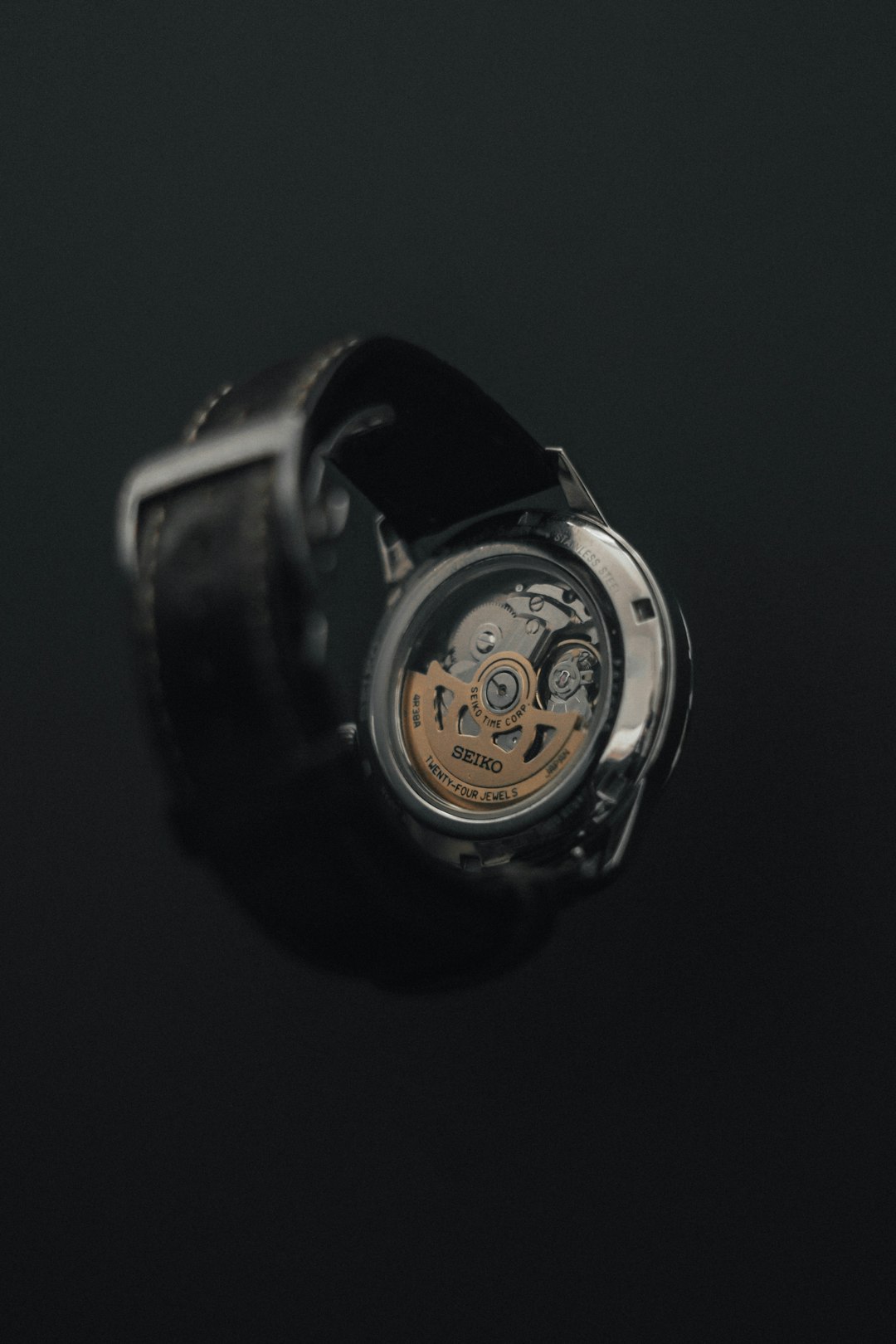
A tourbillon — pronounced 'toor-bee-yon' — is a rotating cage inside a mechanical watch that spins continuously, usually once per minute, carrying the entire escapement and balance wheel with it. It was patented in 1801 by Abraham-Louis Breguet, one of the most consequential watchmakers in history, and it solved a real problem that no longer quite exists. That tension between obsolete engineering and breathtaking craft is exactly what makes the tourbillon so fascinating.
What Is a Tourbillon, and Why Was It Invented?
The Problem Breguet Was Trying to Fix
In the early 19th century, pocket watches were the dominant timekeeping device, and they spent most of their lives in a vertical position — hanging from a waistcoat chain or sitting upright in a pocket. Gravity pulls on the balance wheel differently depending on its orientation, and that uneven pull causes the watch to run slightly fast or slow. Over the course of a day, those tiny errors accumulate into real, noticeable drift.
Breguet's solution was elegant in concept: if you can't eliminate gravity's effect, average it out. By mounting the escapement in a cage that rotates constantly, the gravitational errors cancel each other across the full rotation. No single position dominates, so the cumulative error stays small. The name itself comes from the French word for 'whirlwind,' which is apt — watching one spin is almost hypnotic.
The Irony That Watchmakers Don't Love to Discuss
Here's the counterintuitive part: the tourbillon's original purpose is largely irrelevant in a wristwatch. Unlike a pocket watch, a wristwatch moves constantly throughout the day — with your arm, your gestures, your walk. That constant motion already averages out gravitational errors in a way that makes the tourbillon's correction mostly redundant. Modern lever escapements in well-regulated mechanical watches can achieve accuracy that would have stunned Breguet, without any rotating cage at all.
And yet tourbillons are more popular now than at almost any point in history. That tells you something about what they've actually become.
How a Tourbillon Actually Works — The Mechanics Explained
The Components Inside the Cage
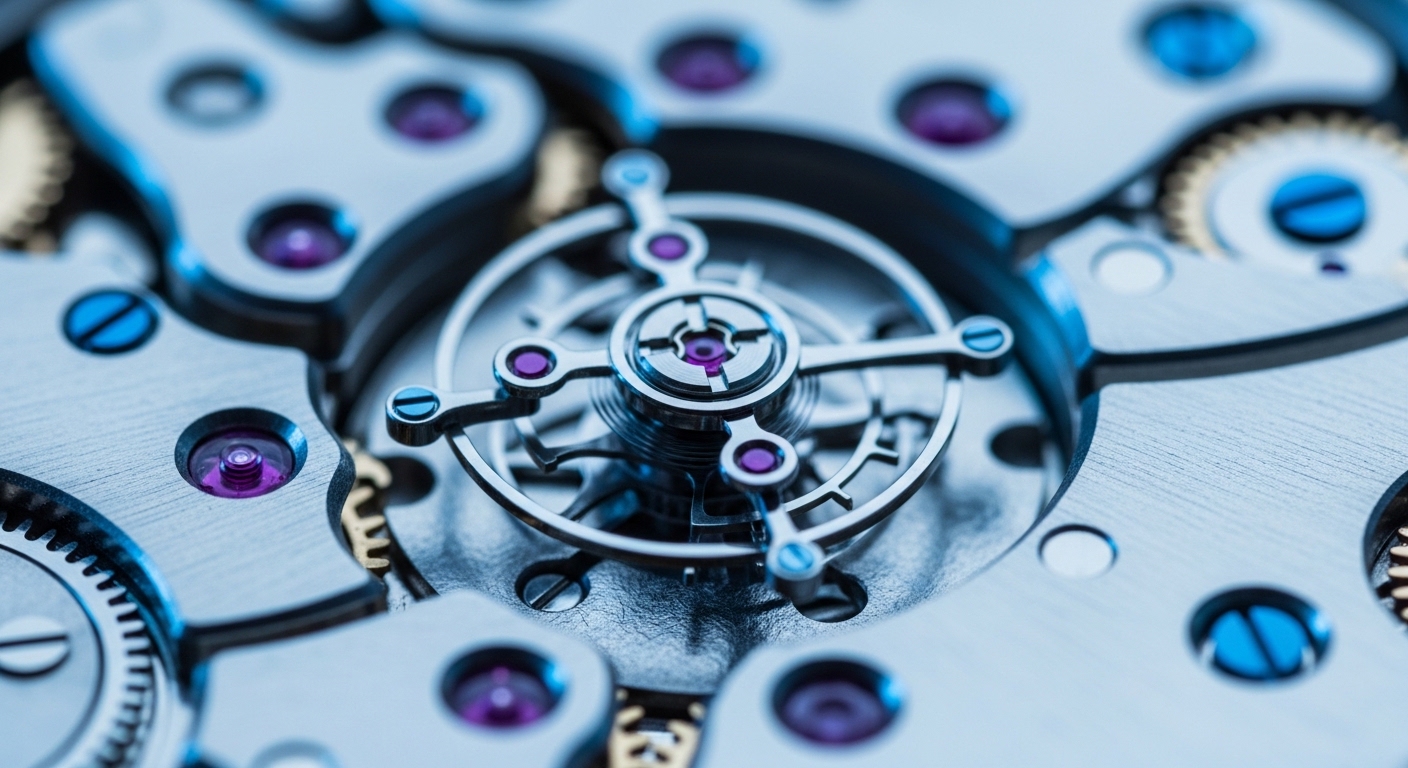
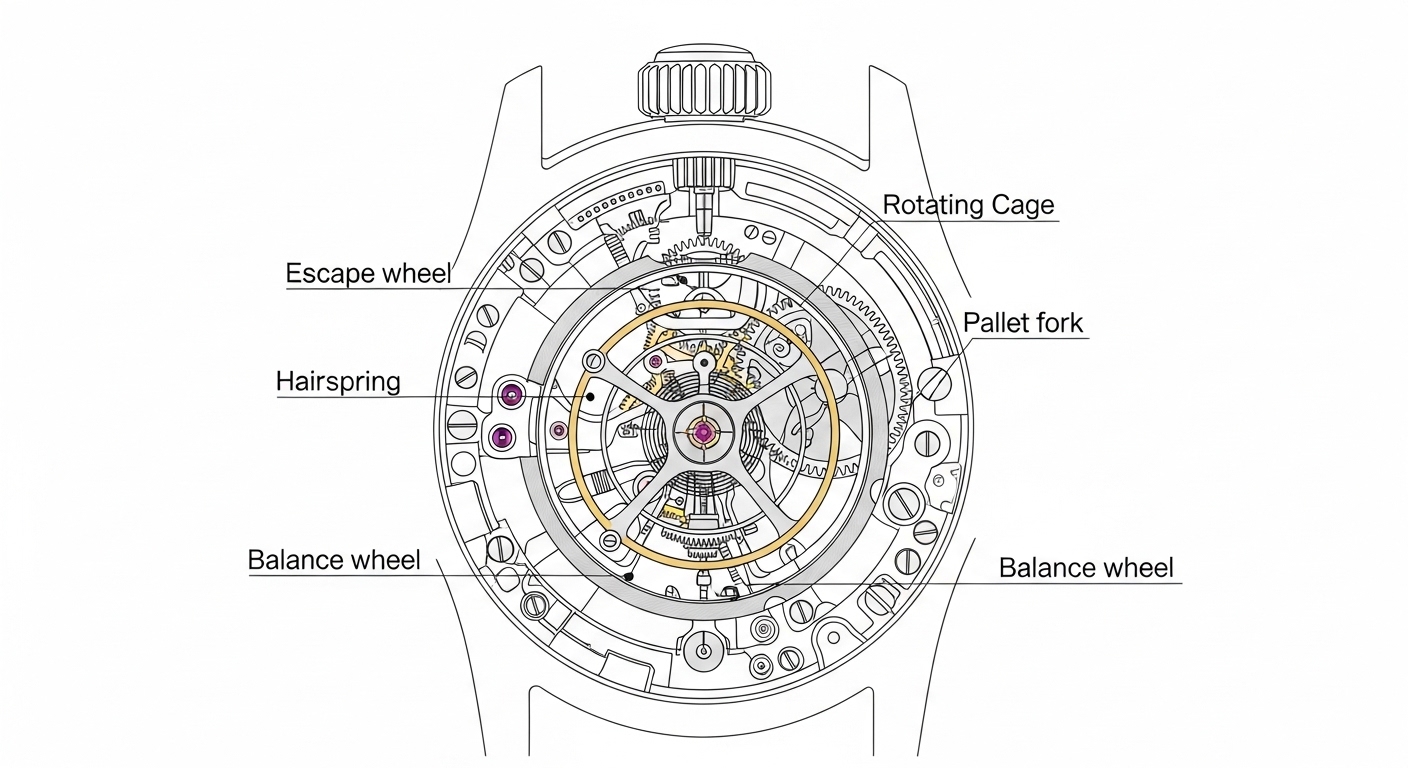
A tourbillon cage contains the escapement — specifically the escape wheel, the pallet fork, and the balance wheel with its hairspring. These are the parts responsible for regulating the release of energy from the mainspring in precise, equal increments. In a standard movement, these components sit fixed in the plate. In a tourbillon, they sit inside a lightweight rotating frame.
The cage itself is driven by a fixed wheel (called the fourth wheel in most configurations), which meshes with a pinion on the cage and causes it to rotate. The entire assembly typically completes one full revolution every 60 seconds, which is why you can use the tourbillon as a seconds hand — a detail many manufacturers lean into deliberately. The cage must be light enough not to add significant load to the movement, which is why high-end tourbillons are often made from titanium, aluminum, or even carbon fiber.
Why Building One Takes So Long
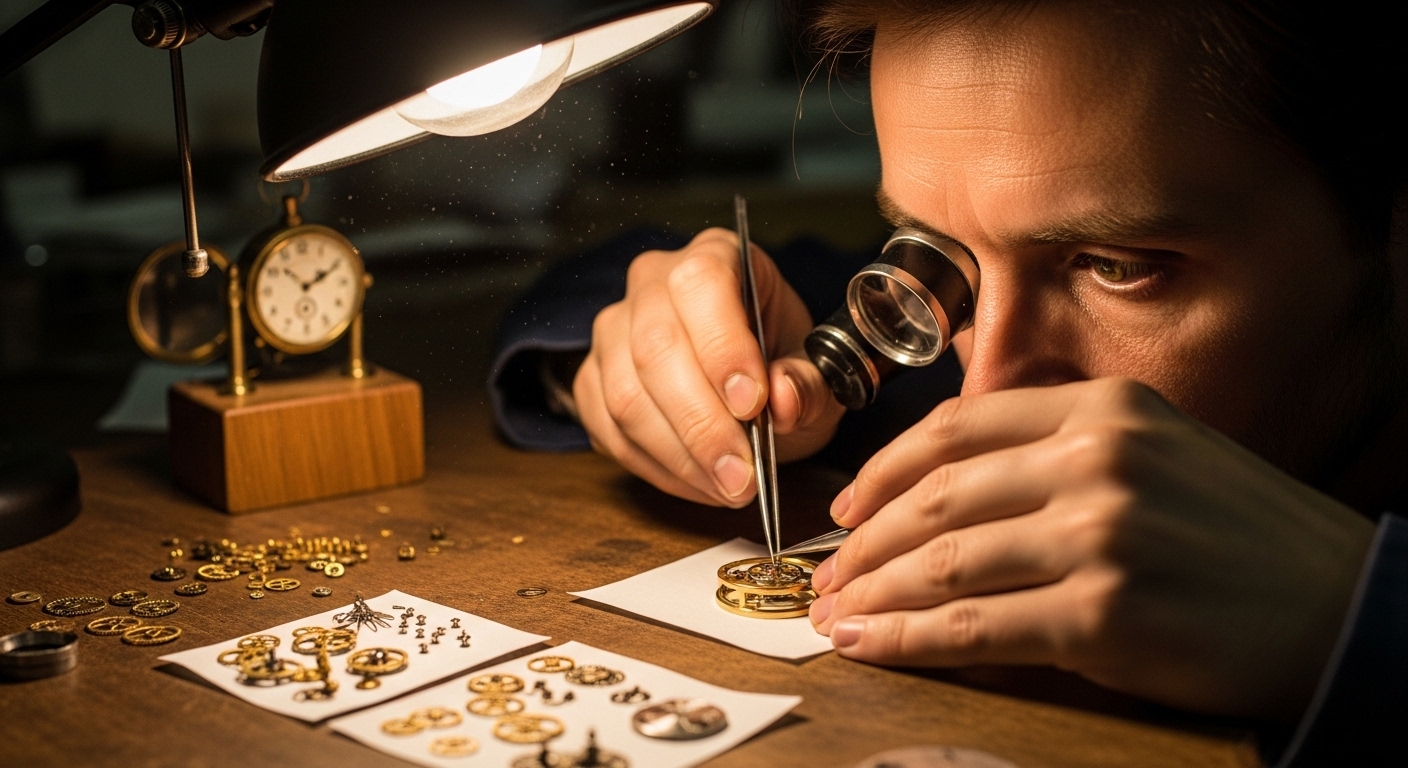
A single tourbillon cage can contain anywhere from 70 to over 100 individual components, many of them smaller than a grain of rice. Each part must be finished by hand — beveled, polished, and decorated — before assembly. The tolerances involved are measured in microns. One watchmaker at a respected Swiss manufacture once described the process as 'building a ship in a bottle, except the bottle is also a ship.' That's not hyperbole; it takes a skilled craftsperson days just to assemble and regulate a single cage.
The tourbillon cage must be light enough to avoid straining the movement, yet rigid enough to hold its geometry under constant rotation — a contradiction that forces watchmakers into extraordinary material choices.
The regulation process after assembly is particularly demanding. The watchmaker must observe the watch running in multiple positions, measure its rate deviation, and make micro-adjustments to the balance wheel's timing screws or the hairspring's effective length. This is done iteratively, sometimes over several days, until the movement meets its specified accuracy target.
Where You Actually See Tourbillons — From Workshops to Wrists
The Spectrum From Traditional to Avant-Garde
The classic tourbillon sits at the six o'clock position on the dial, visible through an aperture, rotating steadily while the rest of the watch does its job. This placement became a convention partly for aesthetic reasons and partly because it allows the cage to double as a seconds display. Patek Philippe, Jaeger-LeCoultre, and A. Lange and Sohne have all produced celebrated examples in this traditional format.
Then things get stranger. The flying tourbillon, developed in the early 20th century, eliminates the upper bridge that normally holds the cage in place, making it appear to float in mid-air above the dial. The multi-axis tourbillon — sometimes called a gyroscopic tourbillon — adds a second or even third axis of rotation, theoretically correcting for errors in more orientations simultaneously. Whether that additional complexity produces measurable accuracy gains in a wristwatch is, charitably, debatable.
A Real-World Example of the Craft at Stake
A. Lange and Sohne's 'Pour le Merite' tourbillon, introduced in the 1990s, uses a fusee-and-chain transmission — a mechanism that predates the tourbillon by centuries — to deliver constant force to the escapement. The chain itself contains hundreds of tiny links, each hand-finished. The watch was not designed to be the most accurate mechanical watch ever made. It was designed to demonstrate what human hands can still do when given enough time and skill. That distinction matters.
A tourbillon is not primarily a timekeeping instrument anymore — it is a proof of concept, a demonstration that a human being spent weeks building something that fits on your wrist.
Why Tourbillon Watches Command the Prices They Do
The Real Cost Breakdown
Entry-level tourbillons from established Swiss manufacturers typically start somewhere above $15,000, and serious examples from top houses can reach six or seven figures. The material cost of the components is only a fraction of the price. What you're paying for is time — specifically, the accumulated hours of a skilled craftsperson who spent years learning to work at this scale.
There's also the matter of movement finishing. In high-end watchmaking, every surface that another watchmaker might see — even surfaces hidden from the wearer — is decorated. Bridges are anglaged (beveled at precise angles), polished to a mirror finish on their edges, and given a specific surface texture on their faces. The tourbillon cage itself is often the most intensively finished component in the entire movement. None of this affects timekeeping. All of it affects price.
Chinese Tourbillons Changed the Equation
Starting in the 2000s, Chinese manufacturers began producing tourbillon movements at dramatically lower price points — sometimes under $1,000 for a complete watch. The quality varies enormously, but the existence of affordable tourbillons forced a useful clarification: what exactly are buyers paying for when they spend $50,000 on a Swiss tourbillon? The answer turned out to be finishing quality, movement architecture, brand heritage, and the specific human hours involved — not the rotating cage concept itself, which is now freely reproducible.
(Opinion: There's something genuinely admirable about a mechanical object that costs this much to produce and does its primary job — telling time — worse than a $20 quartz watch. The tourbillon is a monument to craft for its own sake, and that's a legitimate reason to value it, as long as nobody pretends it's primarily about accuracy.)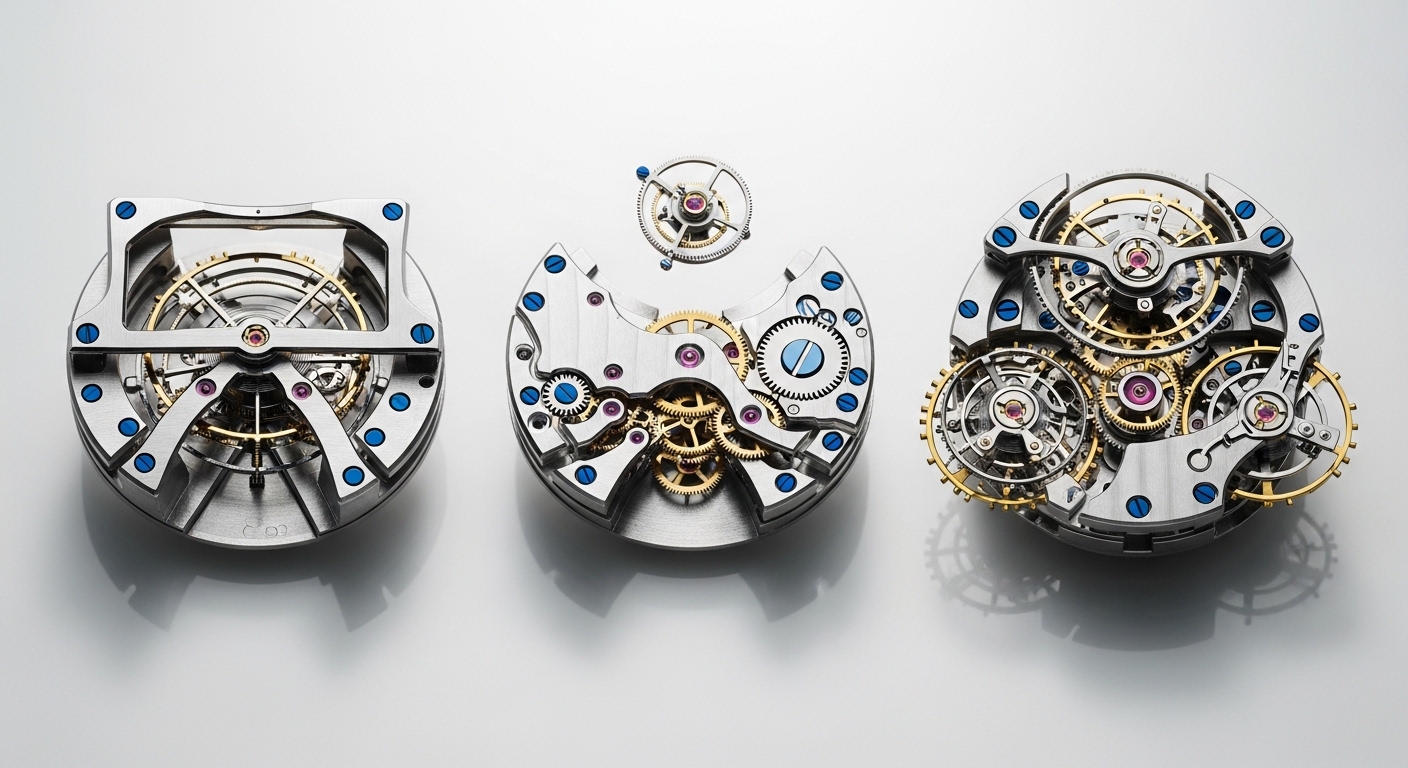
Frequently Asked Questions
Does a tourbillon actually make a watch more accurate?
In a pocket watch worn in a fixed vertical position, yes — the original design genuinely reduced positional errors. In a modern wristwatch, the benefit is minimal to negligible. The constant motion of wearing a watch on your wrist already averages out gravitational errors, which is the same thing the tourbillon does mechanically. High-end lever escapements in non-tourbillon movements can match or exceed tourbillon accuracy in real-world wristwatch use.
Why do some tourbillons rotate faster or slower than once per minute?
The one-minute rotation is a convention, not a requirement. Some watchmakers use faster rotations — 30 seconds, or even faster — arguing that more frequent averaging produces better results. Others use slower rotations, sometimes as a deliberate aesthetic or technical choice. The rotation speed affects how much energy the cage consumes and how the movement must be geared, so it's a genuine engineering decision, not just a stylistic one.
What's the difference between a tourbillon and a flying tourbillon?
A standard tourbillon has a bridge on both sides of the cage — top and bottom — holding it in place. A flying tourbillon eliminates the upper bridge, so the cage appears to float unsupported above the dial. The flying design is more difficult to engineer because the cage must be held securely from below alone, but the visual effect is striking. The timekeeping difference between the two is essentially zero.
The tourbillon began as a solution to a practical problem and survived long after that problem stopped mattering — which is a strange kind of immortality. What kept it alive wasn't accuracy. It was the fact that watching a tiny cage spin 1,440 times a day, built by human hands from components smaller than a sesame seed, does something to people that a quartz oscillator simply cannot. Whether that justifies the price is a question only the buyer can answer. But the craft itself is real, and it isn't going anywhere.


Comments
Post a Comment