The Slow Life: Why Are Sloths So Incredibly Slow?
A sloth moves through the forest canopy at roughly 40 feet per hour on a good day — a speed so slow it's measured in feet per minute rather than miles per hour. That's not laziness. That's one of the most sophisticated survival strategies in the animal kingdom, refined over millions of years into something that looks, from the outside, like a creature that simply forgot to evolve ambition.
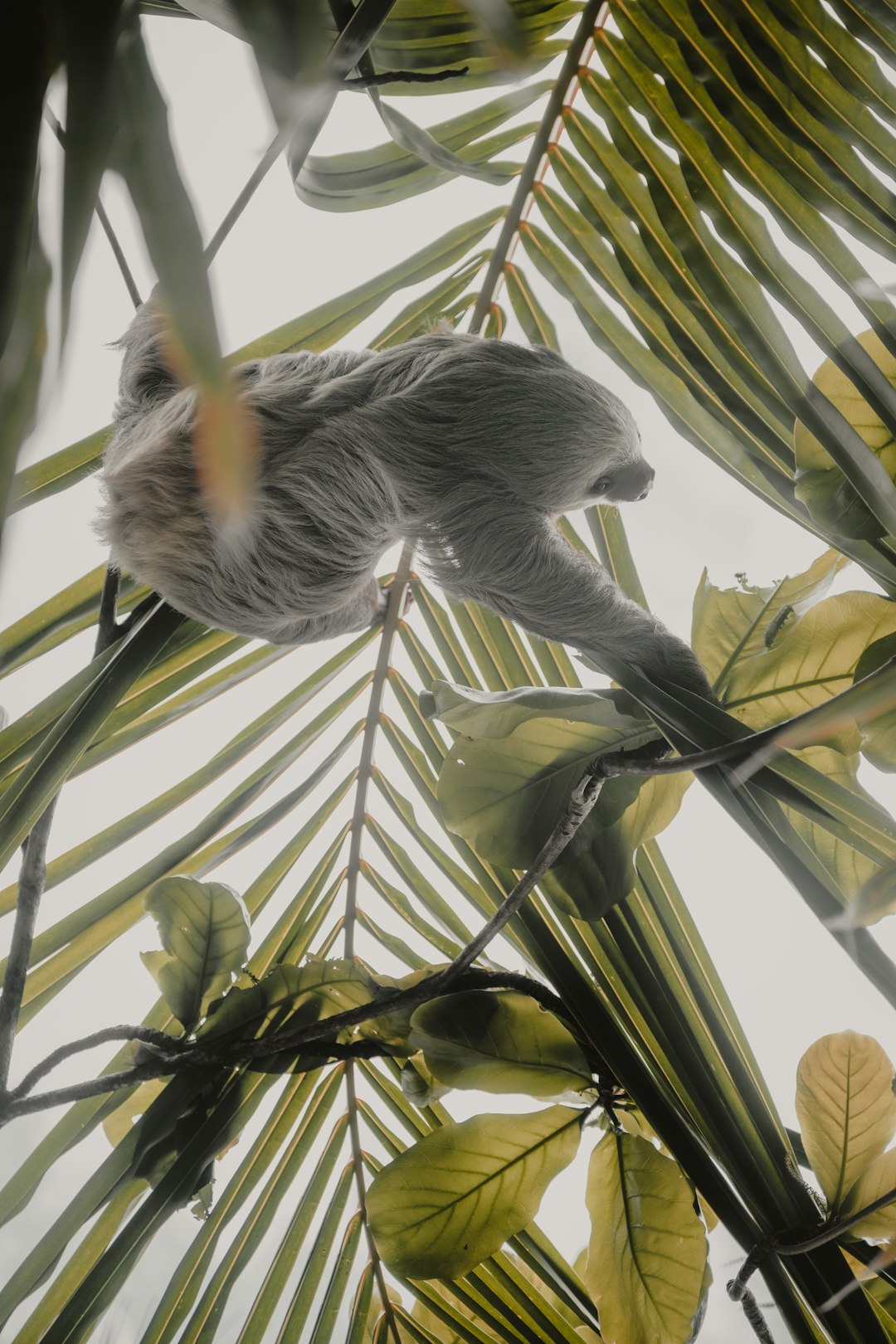
What Is a Sloth, Actually? Clearing Up the Basics
Two Families, One Famous Reputation
There are two living families of sloths — two-toed and three-toed — and despite looking nearly identical to a casual observer, they're not as closely related as most people assume. They represent a case of convergent evolution: two separate lineages that independently arrived at the same 'hang upside down and move as little as possible' solution. Both families belong to the superorder Xenarthra, which also includes armadillos and anteaters.
The three-toed sloth (Bradypus) is generally considered the slower and more specialized of the two. Two-toed sloths (Choloepus) are slightly more active, occasionally descend to the ground, and have a somewhat broader diet. But both are defined by the same core biological commitment: doing less, on purpose, as a survival strategy.
Not Lazy — Metabolically Constrained
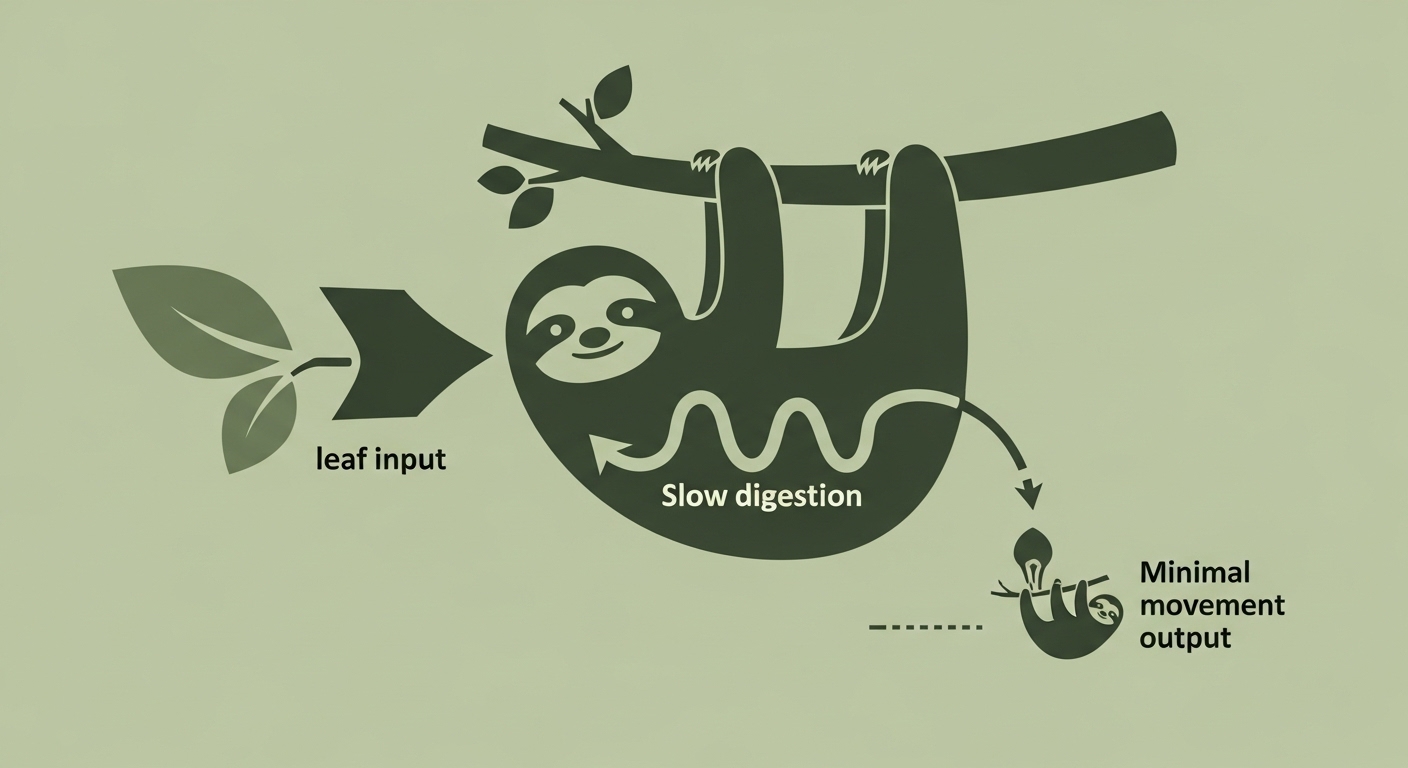
Sloths eat leaves. Leaves are low in calories, difficult to digest, and mildly toxic in many species. The sloth's entire physiology is built around extracting maximum value from a food source that most animals would find barely worth the effort. Their digestive system can take up to a month to fully process a single meal. That's not a malfunction — it's the system working exactly as designed.
How Does Sloth Metabolism Actually Work?
The Lowest Metabolic Rate of Any Non-Hibernating Mammal
Research suggests that sloths have one of the lowest metabolic rates ever recorded in a non-hibernating mammal. Their body temperature fluctuates with the environment — unusual for mammals, which typically maintain a stable internal temperature. This means sloths don't burn energy keeping themselves warm the way most mammals do. They essentially outsource thermoregulation to the sun, basking in patches of canopy light to raise their body temperature when needed.
Their muscles are also about half the mass you'd expect for an animal their size. Less muscle means less energy demand, which means less food required. It's a beautifully closed loop: eat less, move less, need less, survive longer on what you have.
The Leaf-Eating Constraint
Here's the counterintuitive part: sloths aren't slow because they're weak. They're slow because speed costs energy, and energy is the one thing their diet cannot reliably supply in abundance. A sloth that moved quickly would need to eat far more than its gut can process. The slowness isn't a limitation — it's a budget decision made at the cellular level.
Sloth slowness isn't a design flaw. It's a precise metabolic calculation: spend less than you earn, every single day, for your entire life.
Why Slowness Is Actually a Brilliant Survival Strategy
Invisibility Through Stillness
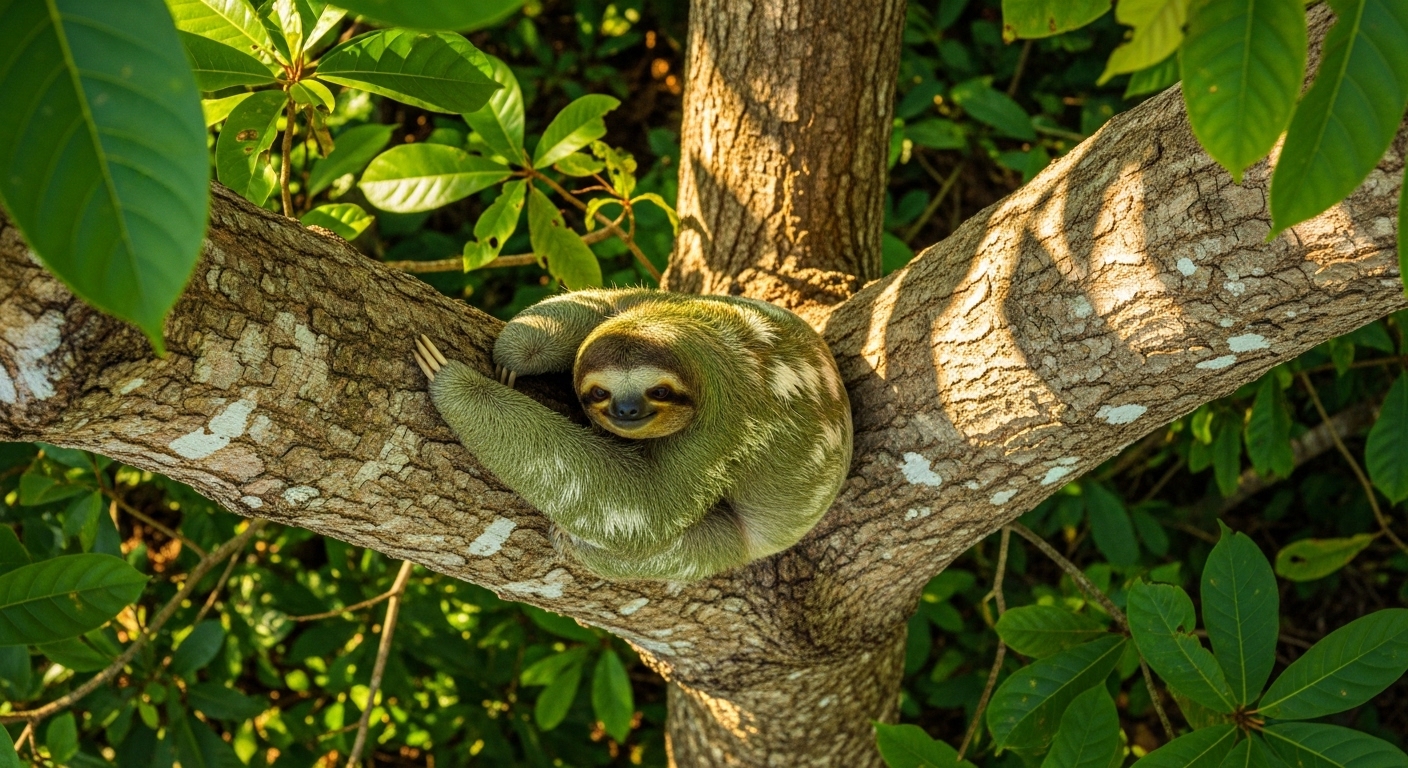
Predators — harpy eagles, ocelots, large snakes — hunt primarily by detecting movement. A sloth that barely moves is a sloth that's nearly invisible. Their fur even hosts a specific ecosystem of algae, which gives their coat a greenish tint that blends into the canopy. This isn't accidental. Research suggests the algae may provide some nutritional benefit when sloths groom themselves, turning their own camouflage into a secondary food source.
The strategy works. Sloths have been around in various forms for tens of millions of years. Their prehistoric relatives included ground-dwelling giants the size of elephants. The modern tree-dwelling sloth is a highly specialized descendant that found a niche and committed to it completely.
The Bathroom Trip That Costs Everything
Sloths descend to the ground roughly once a week to defecate — and this is genuinely one of the most dangerous moments of their lives. On the ground, they're slow, exposed, and vulnerable. Estimates suggest a significant proportion of sloth predation happens during these brief descents. Why they don't simply defecate from the canopy remains an open question in biology. One hypothesis is that the weight of a full digestive system affects their ability to hang safely; another involves signaling behavior. Nobody has fully cracked it yet.
(Opinion: The weekly bathroom trip might be the most compelling unsolved mystery in sloth biology. The fact that an animal so perfectly adapted to avoiding risk takes this one enormous, predictable gamble every week suggests there's something important happening that we haven't fully understood yet.)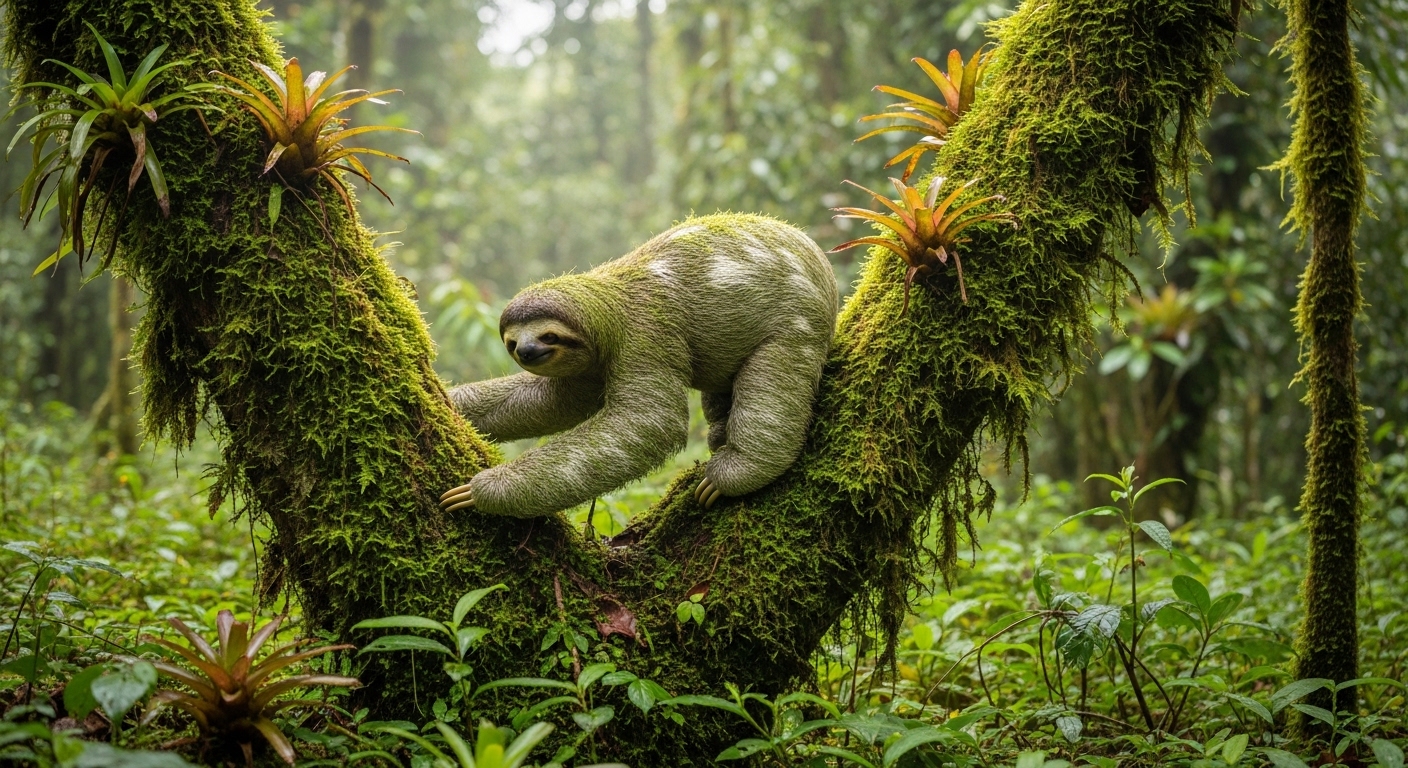
How Sloth Anatomy Makes Slowness Possible
Tendons That Do the Work So Muscles Don't Have To
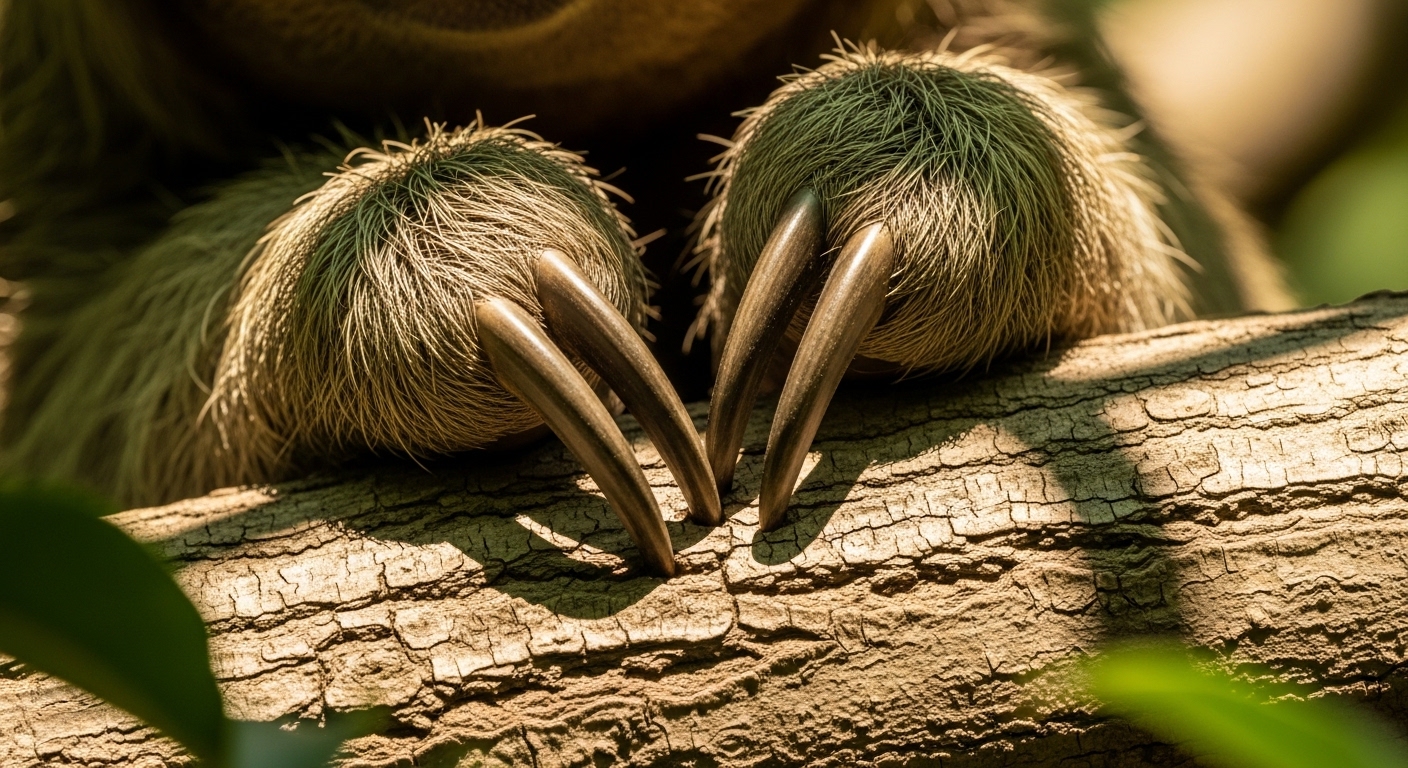
One of the most underappreciated engineering details in sloth biology is how they hang. Most animals use active muscle contraction to grip — which burns energy continuously. Sloths have a specialized tendon locking system in their claws that allows them to hang from branches without any muscular effort at all. They can sleep while hanging upside down, and their grip doesn't loosen. They've essentially outsourced the job of holding on to passive anatomy.
This is why sloths that die in the wild are sometimes found still hanging from their branch. The grip holds even after death. That detail tends to unsettle people the first time they hear it, but it's a perfect illustration of how thoroughly the sloth's body has been optimized for this lifestyle.
An Upside-Down Organ Arrangement
Their internal organs are actually attached to their ribcage rather than resting on the diaphragm the way most mammals' organs do. This prevents the weight of the stomach and liver from pressing on the lungs when hanging inverted — which would make breathing difficult and costly. It's a small anatomical detail, but it's the kind of thing that separates a functional upside-down lifestyle from an impossible one.
A sloth's organs are anchored to its ribs so they don't crush its lungs while it sleeps upside down — evolution solving a problem most animals never had to face.
Frequently Asked Questions About Sloth Speed and Biology
How fast can a sloth actually move if it needs to?
On the ground, sloths typically manage around 6 to 8 feet per minute. In the trees, they can move somewhat faster when motivated — estimates suggest up to roughly 15 feet per minute in short bursts. In water, surprisingly, sloths are decent swimmers and can move more efficiently than on land, using a slow breaststroke. They've been documented crossing rivers voluntarily.
Do sloths ever speed up — for example, to escape a predator?
They can increase their pace briefly, but 'speeding up' for a sloth is still extremely slow by most standards. Their primary defense isn't flight — it's not being noticed in the first place. If a predator does make contact, sloths will use their claws defensively, which are surprisingly strong. Running away simply isn't a viable option given their muscle mass and metabolic constraints.
Are sloths related to primates? They look like they should be.
This is one of the most common misconceptions about sloths. They are not primates. Sloths belong to Xenarthra, a superorder that diverged from the lineage leading to primates very early in mammalian evolution. Their resemblance to slow-moving primates is purely superficial — a case of convergent evolution producing similar body shapes in response to similar arboreal environments, not shared ancestry.
The sloth's existence is a quiet argument against the assumption that evolution always rewards speed, aggression, or complexity. Sometimes the winning move is to do almost nothing, extremely well, for millions of years. In a world that tends to celebrate hustle, the sloth has been quietly proving that the opposite strategy can work just as well — as long as you're committed to it at every level, right down to where your organs are attached.
Related Posts
- 📄 The Big Question About Tiny Arms: What Were T. Rex's Arms Actually For?
- 📄 Nature's Math Trick: Why Cicadas Emerge in Prime Number Cycles
- 📄 The Science of Survival: How Some Animals Can Freeze Solid and Live
- 📄 Nature's Superpowers: 7 Amazing Animals That Can Regenerate Body Parts
- 📄 How Deep Sea Creatures Survive Extreme Ocean Pressure


Comments
Post a Comment