Digital vs. Physical Games: Which Format Actually Wins in 2026?
A sealed copy of a game you bought fifteen years ago still works today. A digital license you purchased from a storefront that shut down? That's a different story. The debate between digital and physical games has been running since download codes first appeared on store shelves, but the stakes have shifted dramatically — and the answer is no longer as obvious as the gaming industry would like you to believe.
| Option | Best For | Our Pick |
|---|---|---|
| Digital Games | Convenience, instant access, small living spaces | Best for most casual players |
| Physical Games | Long-term ownership, resale, collection | Best for serious collectors and value hunters |
Digital Games — What You're Actually Buying
The Convenience Case Is Real, But There's a Catch
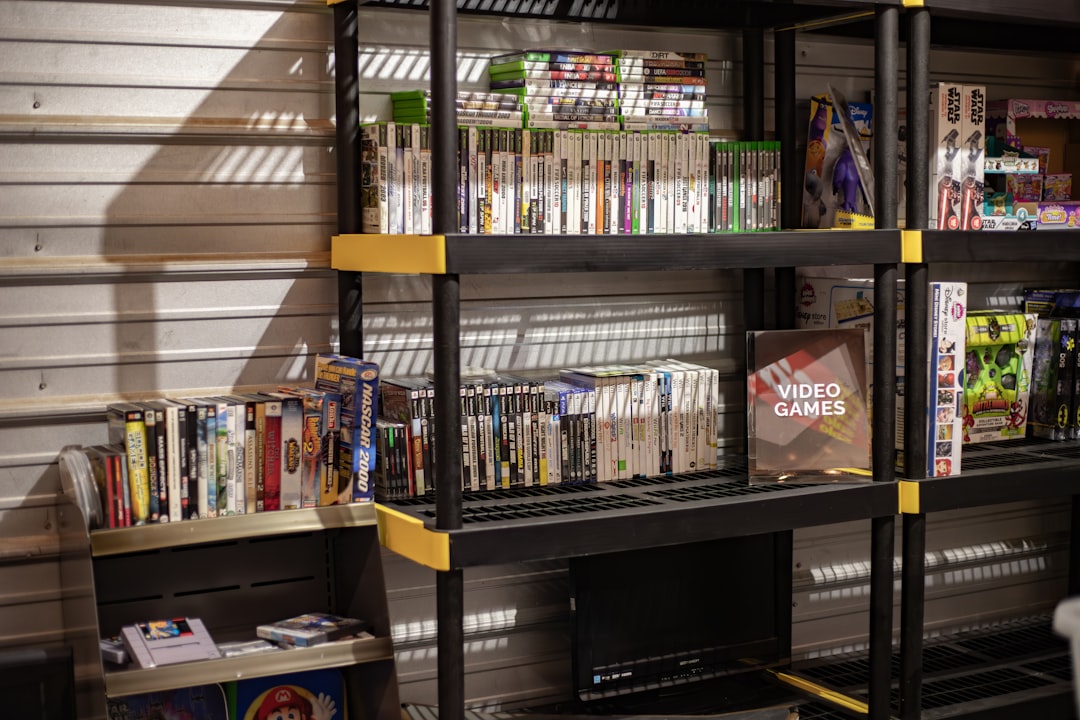
Digital games are genuinely frictionless. You browse, you buy, you play — sometimes within minutes. No driving to a store, no waiting for shipping, no disc to scratch or lose behind the couch cushions. For anyone with a fast internet connection and limited shelf space, the appeal is immediate and obvious.
The catch is ownership. When you buy a digital game, you're purchasing a license, not a product. That distinction sounds like legal fine print until a storefront closes and your library shrinks overnight. Sony's PlayStation Store removed the ability to purchase older TV and movie content from PS3 and Vita users in 2021, and while games weren't fully stripped, it was a clear signal of how fragile digital libraries can be.
Prices are another friction point that rarely gets discussed honestly. Digital games on first-party storefronts often launch at full retail price and discount more slowly than physical copies. A physical game might hit half-price at a retailer within a few months of launch, while the digital version sits at full price on the official store for much longer. Anyone who has watched a game's physical price drop while the digital version barely budges knows exactly how this feels.
Storage Demands Are Getting Uncomfortable
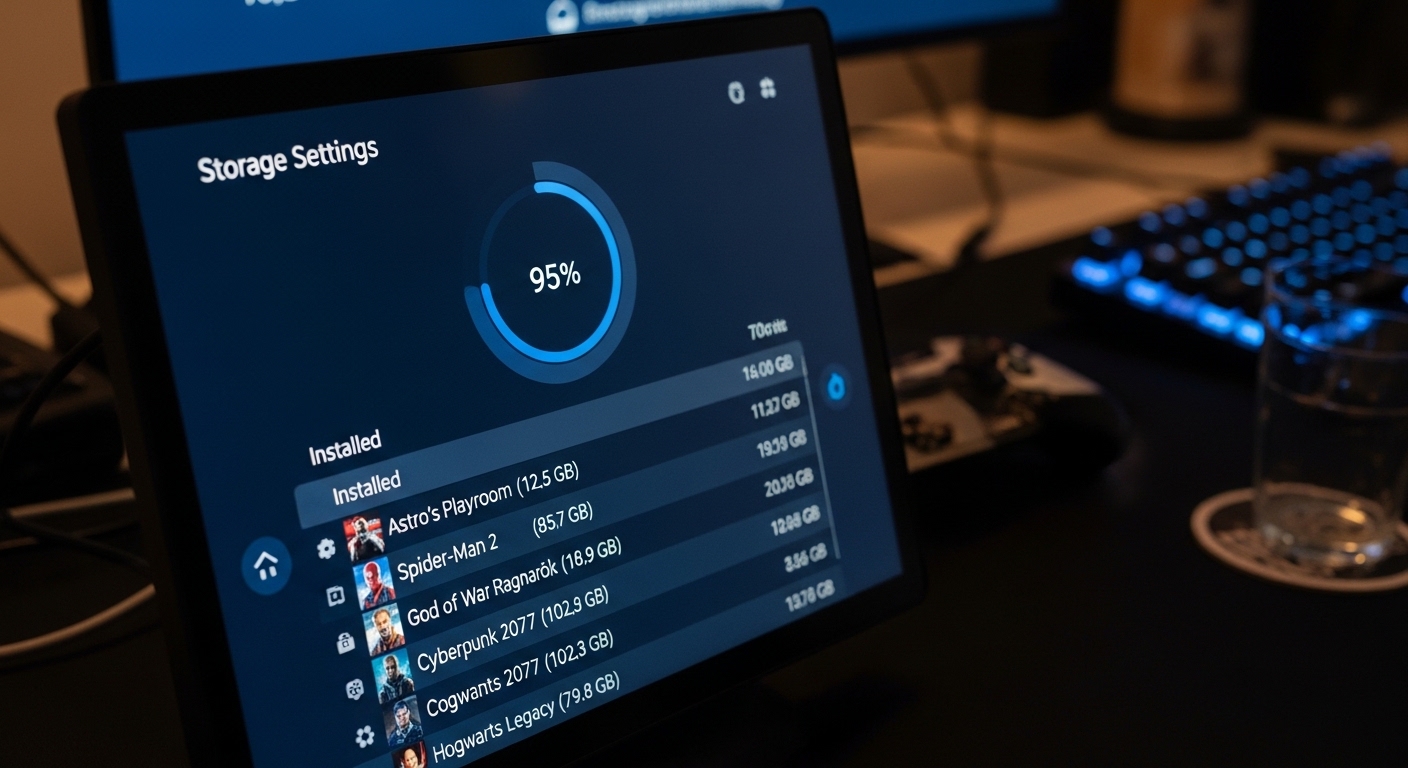
Modern games routinely exceed 100GB. Some titles push past 150GB. If you own a console with a 1TB internal drive — which sounds like a lot until it isn't — you're managing storage like a part-time job. External drives help, but they add cost and complexity that the 'just download it' pitch quietly ignores.
Digital convenience is real, but it comes with a hidden subscription to storage management that never ends.
Physical Games — The Case for Owning Something Real
Resale Value and the Secondary Market
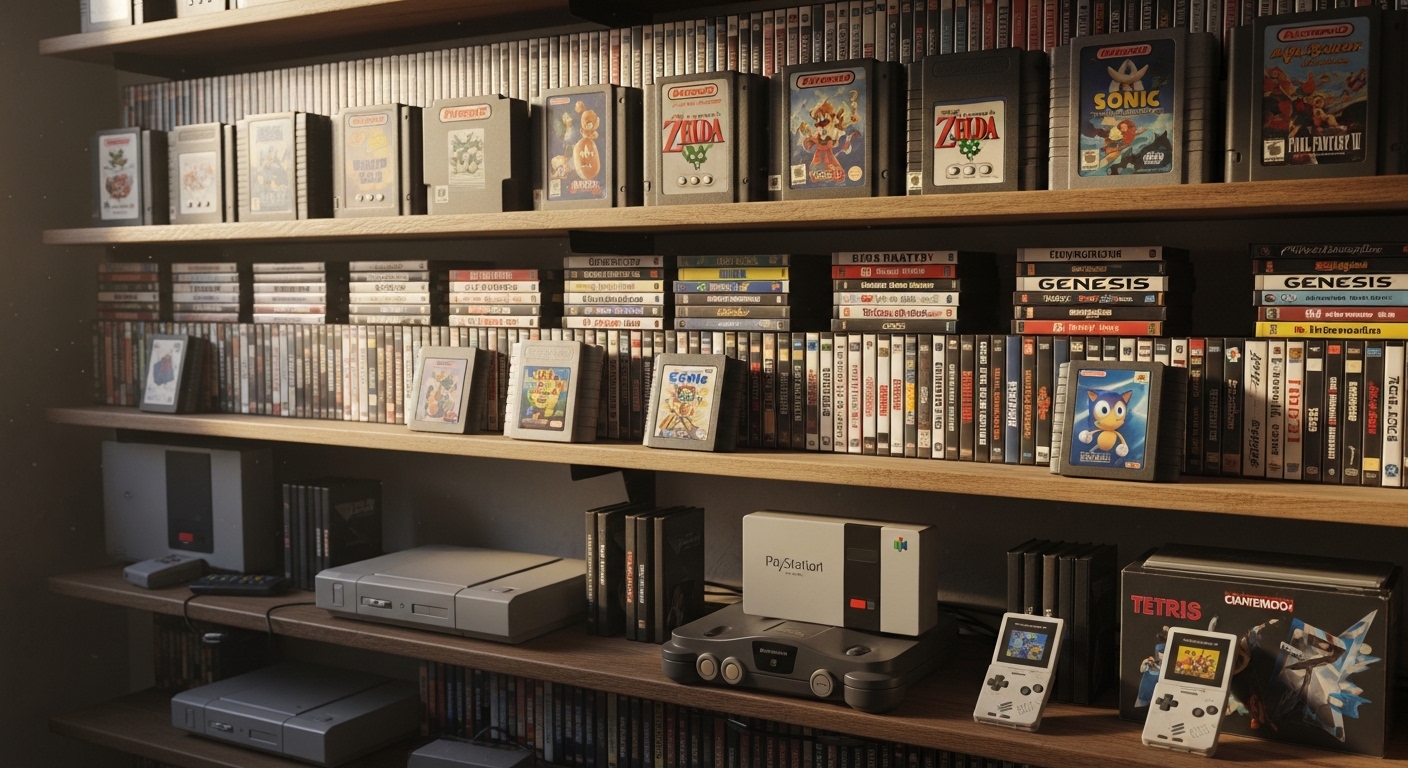
Physical games can be sold, traded, lent to a friend, or donated. That single fact creates an entire economic ecosystem that digital simply cannot replicate. Retro game collecting has turned physical media into a genuine investment category — original cartridges and limited print runs regularly sell for multiples of their original retail price on secondhand markets.
The practical side matters too. If you finish a game and know you won't return to it, selling a physical copy recovers a meaningful portion of what you spent. A $70 game sold after completion might net you $40 or $50 back. A digital purchase nets you exactly zero on resale, forever.
Preservation and the Long Game
Physical media has a documented preservation advantage that the industry tends to downplay. A cartridge or disc doesn't require server infrastructure to function. It doesn't need a company to still be in business. Game preservation organizations have repeatedly pointed out that digital-only titles are at significantly higher risk of becoming permanently inaccessible when storefronts close or licenses expire.
The counterintuitive part: physical games aren't perfectly permanent either. Optical discs degrade over decades, and some older cartridges use internal batteries for save data that eventually die. But 'eventually degrades over 30+ years' is a very different problem from 'gone when the server goes down.'
Head-to-Head Feature Comparison
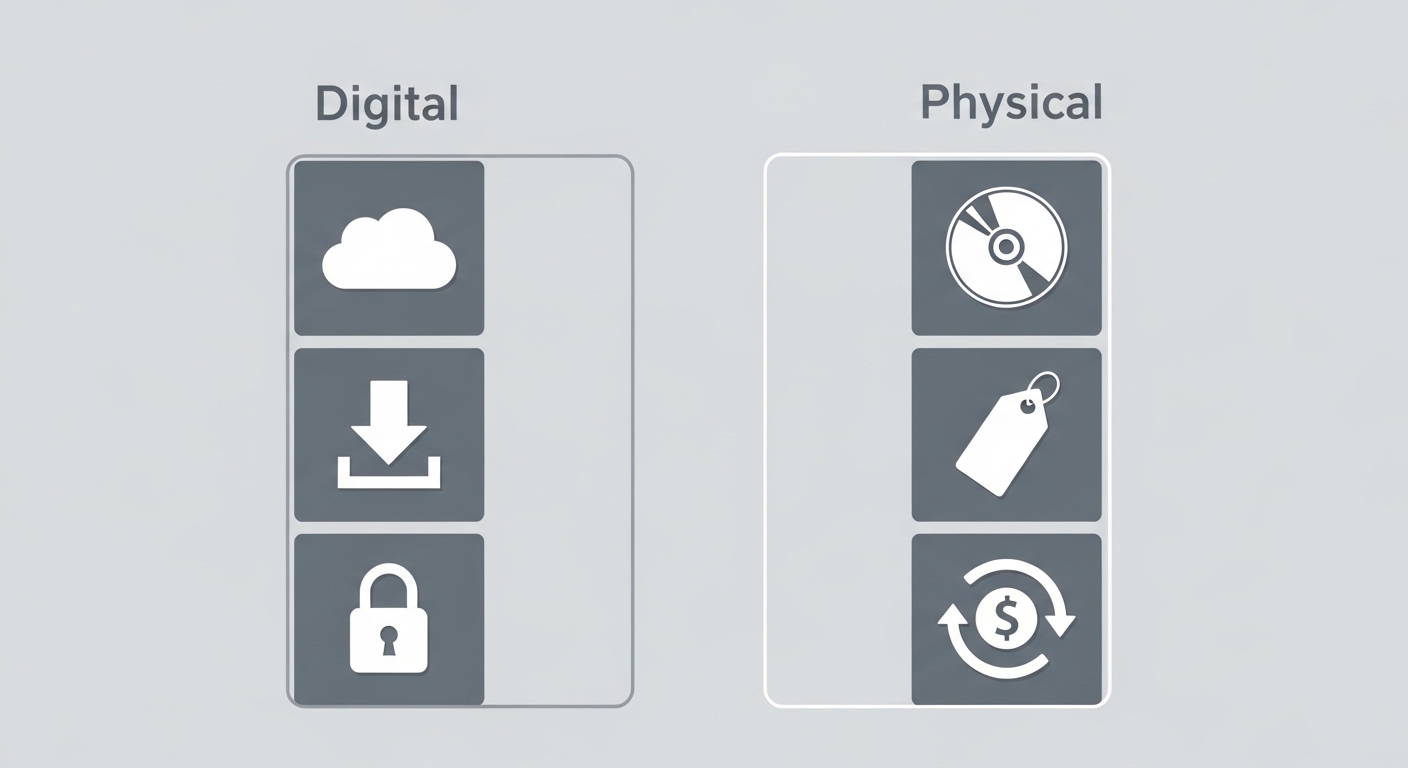
| Feature | Digital | Physical |
|---|---|---|
| Convenience | Instant download, no disc needed | Requires disc or cartridge present |
| True Ownership | License only — can be revoked | You own the physical object |
| Resale / Trade | Not possible | Full secondary market access |
| Price Over Time | Slower to discount on official stores | Drops faster at retail and secondhand |
| Storage | Requires large internal/external drive | Disc/cartridge holds the data |
| Long-Term Access | Dependent on storefront staying live | Works as long as hardware functions |
| Sharing / Lending | Restricted or impossible | Freely lendable |
| Collector Value | None | Can appreciate significantly |
The format you choose isn't just a preference — it's a bet on which company's servers will still be running when you want to replay something in ten years.
Which Format Should You Actually Choose?
The Case for Going Mostly Digital
If you play a high volume of games, rarely replay titles, and value the ability to switch between games instantly without swapping discs, digital is genuinely the better daily experience. Subscription services like PlayStation Plus, Xbox Game Pass, and Nintendo's online offerings have also made digital the obvious entry point for players who want access to large libraries without buying everything outright.
Digital also wins for anyone living in a space where physical clutter is a real concern, or for players who travel frequently and want their entire library accessible on a portable device. The Nintendo Switch made this argument compellingly — carrying a handful of cartridges is manageable, but carrying your full library digitally is something else entirely.
The Case for Staying Physical
If you're buying games you genuinely love and expect to return to for years, physical is the safer long-term bet. It's also the smarter financial move for anyone who treats gaming as a hobby with a budget — the ability to buy used and sell finished games meaningfully reduces the net cost of the hobby over time.
Collectors and preservation-minded players have essentially no reason to go digital-only. The historical record on storefront longevity is not encouraging. Platforms have been discontinued, libraries have been orphaned, and the companies involved have rarely offered meaningful compensation or migration paths.
The Hybrid Approach Most Players Actually Use
Realistically, most players end up doing both — buying physical for titles they care about deeply, and going digital for impulse purchases, subscription games, and anything that's only available as a download. That's not a cop-out answer; it's an accurate description of how the market actually works. The mistake is going all-digital by default without thinking through what you're giving up.
(Opinion: The gaming industry's push toward digital-only is financially motivated, not player-motivated. Eliminating physical media removes the secondhand market, locks players into platform ecosystems, and gives publishers complete control over pricing forever. That's worth being clear-eyed about, even if the convenience is real.)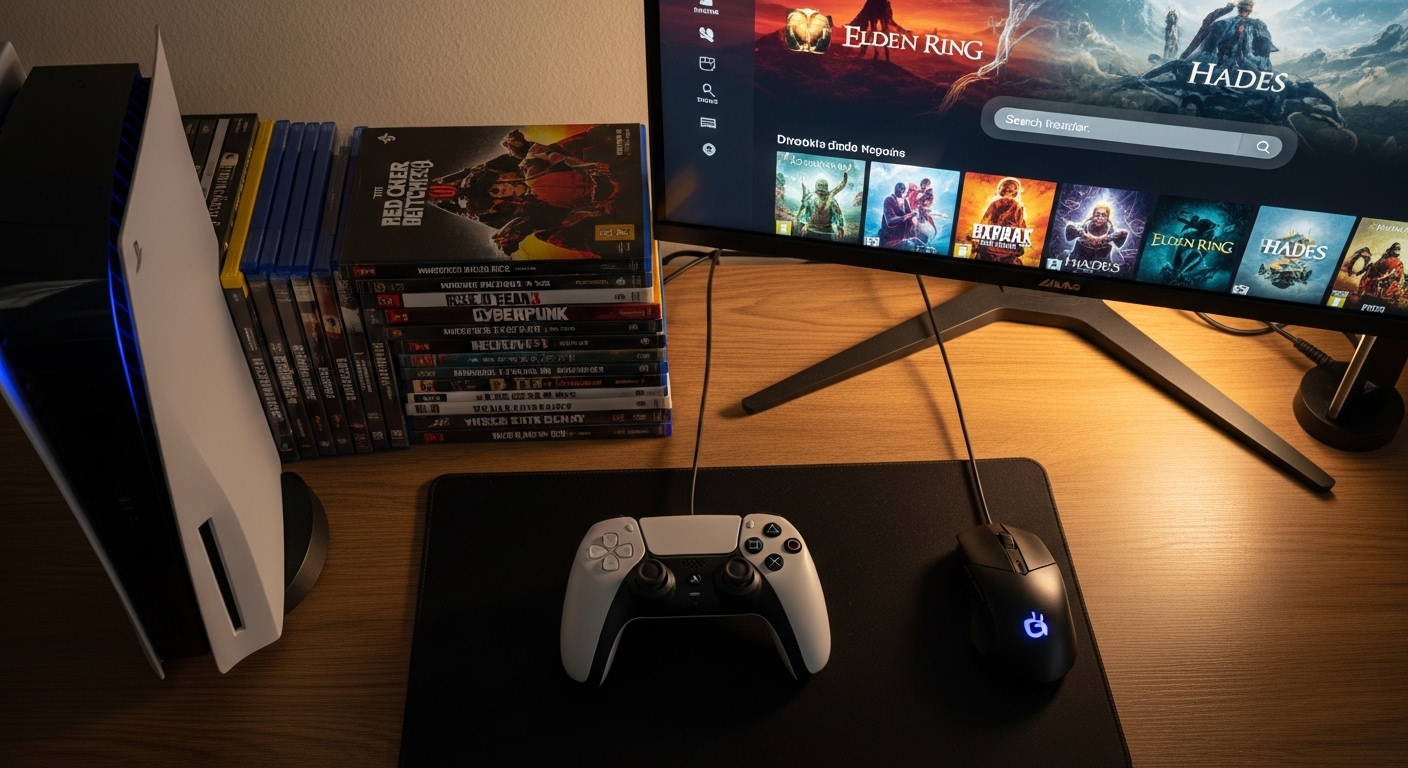
Frequently Asked Questions
Do digital games load faster than physical games?
On modern consoles, the difference is minimal for most titles. Both formats typically install game data to the internal SSD, so load times are largely determined by the hardware, not whether you used a disc or a download. The disc is mainly used for verification, not as the primary read source.
What happens to my digital games if a storefront shuts down?
This depends entirely on the platform's policy at the time of closure, and there's no universal guarantee. In some documented cases, users retained access to previously downloaded titles as long as they kept local copies. In others, access was lost. There is no legal framework in most countries that protects digital game licenses the way physical property ownership is protected.
Can physical games still require internet connections or patches?
Yes, and this is a genuine complication for the 'physical is always independent' argument. Many modern physical releases ship with only a portion of the game on disc and require a large day-one patch to be fully playable. Some physical editions are essentially just a disc containing a download code. Always check before assuming a physical copy is fully self-contained.
The format war between digital and physical isn't really about convenience versus inconvenience — it's about who controls access to the things you paid for. Physical media puts that control in your hands. Digital media puts it in a corporation's terms of service. Both formats will coexist for years, but the slow disappearance of disc drives from new hardware suggests the industry has already made its choice. Whether players consciously make theirs is a different question entirely.



Comments
Post a Comment