Beyond 'Best By': How Food Labels Can Help Reduce Waste
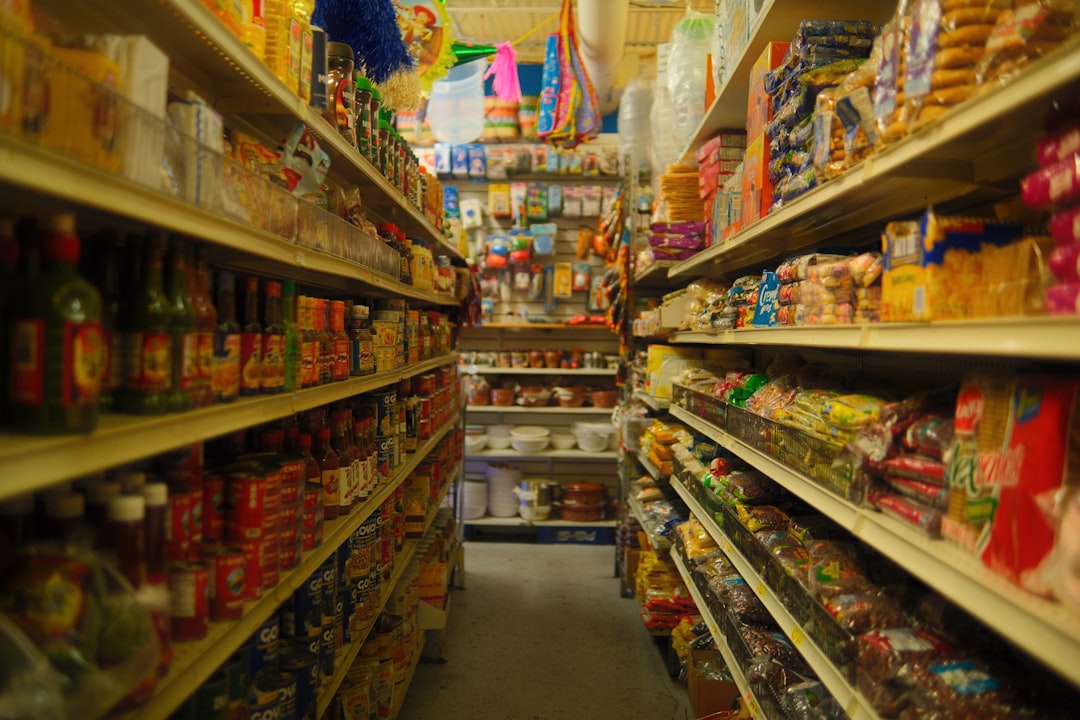
Roughly one-third of all food produced globally never gets eaten. A significant chunk of that waste happens not in fields or factories, but in home kitchens — where a person glances at a date stamp, decides something is 'too old,' and throws it in the bin. The date on the package is often the deciding factor. The problem is that most people have no idea what that date actually means.
What Food Date Labels Actually Mean — and What They Don't
The Terminology Is Not Standardized the Way You Think
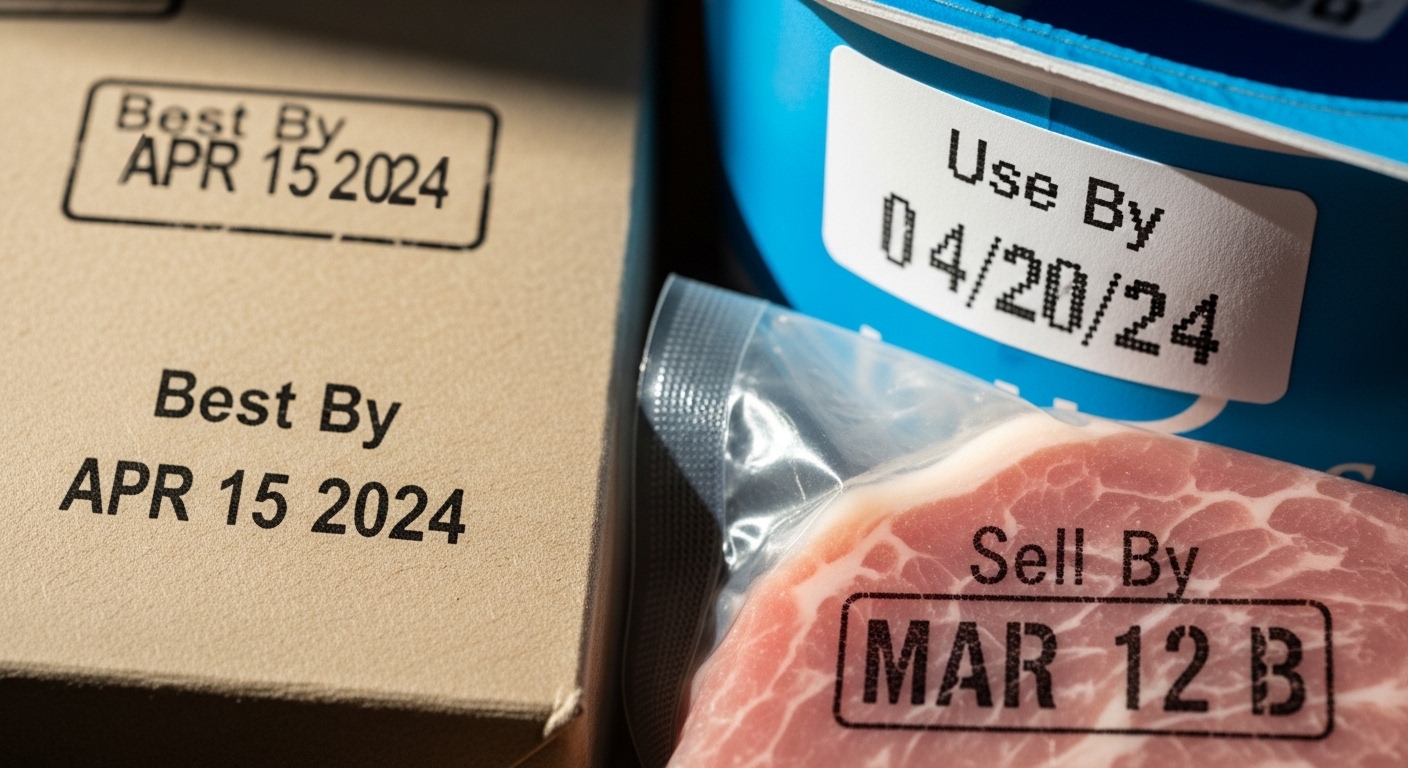
In the United States, there is no single federal law that standardizes what phrases like 'Best By,' 'Use By,' 'Sell By,' or 'Best If Used By' mean across all food products. The USDA requires date labels only on infant formula. Everything else is largely left to manufacturers, which means two nearly identical products from two different brands can carry different label language with different implied meanings — and neither is legally required to reflect actual safety.
'Best By' and 'Best If Used By' typically refer to peak quality, not safety. A cracker that is two weeks past its 'Best By' date is almost certainly still safe to eat — it may just be slightly less crispy. 'Use By' is the closest thing to a safety-relevant date, and it's most commonly found on highly perishable items like deli meats and soft cheeses. 'Sell By' is an inventory management tool for retailers, not a consumer safety signal at all.
Here's the counterintuitive part: the dates on most packaged foods are set by manufacturers based on sensory testing for quality — taste, texture, appearance — not on microbiological safety thresholds. A product can be well past its printed date and still be perfectly safe to consume.
How the Confusion Gets Manufactured — and Why It Persists
A System Built for Retailers, Not Consumers
The modern food date labeling system wasn't designed with waste reduction in mind. It evolved from retailer stock rotation practices in the mid-20th century, when supermarkets needed a way to manage shelf turnover. Manufacturers adopted the practice, and over decades it calcified into something consumers came to treat as an expiration system — even though it was never intended to function that way.
There's also a liability angle that keeps manufacturers conservative. Setting a quality date earlier than necessary costs a company nothing in terms of safety, but it reduces the chance a consumer will eat a stale product and blame the brand. The result is dates that are often set well before any real quality decline, let alone any safety risk.
Most 'Best By' dates are a brand protection tool, not a public health measure — and treating them as expiration dates throws away billions of dollars of perfectly good food every year.
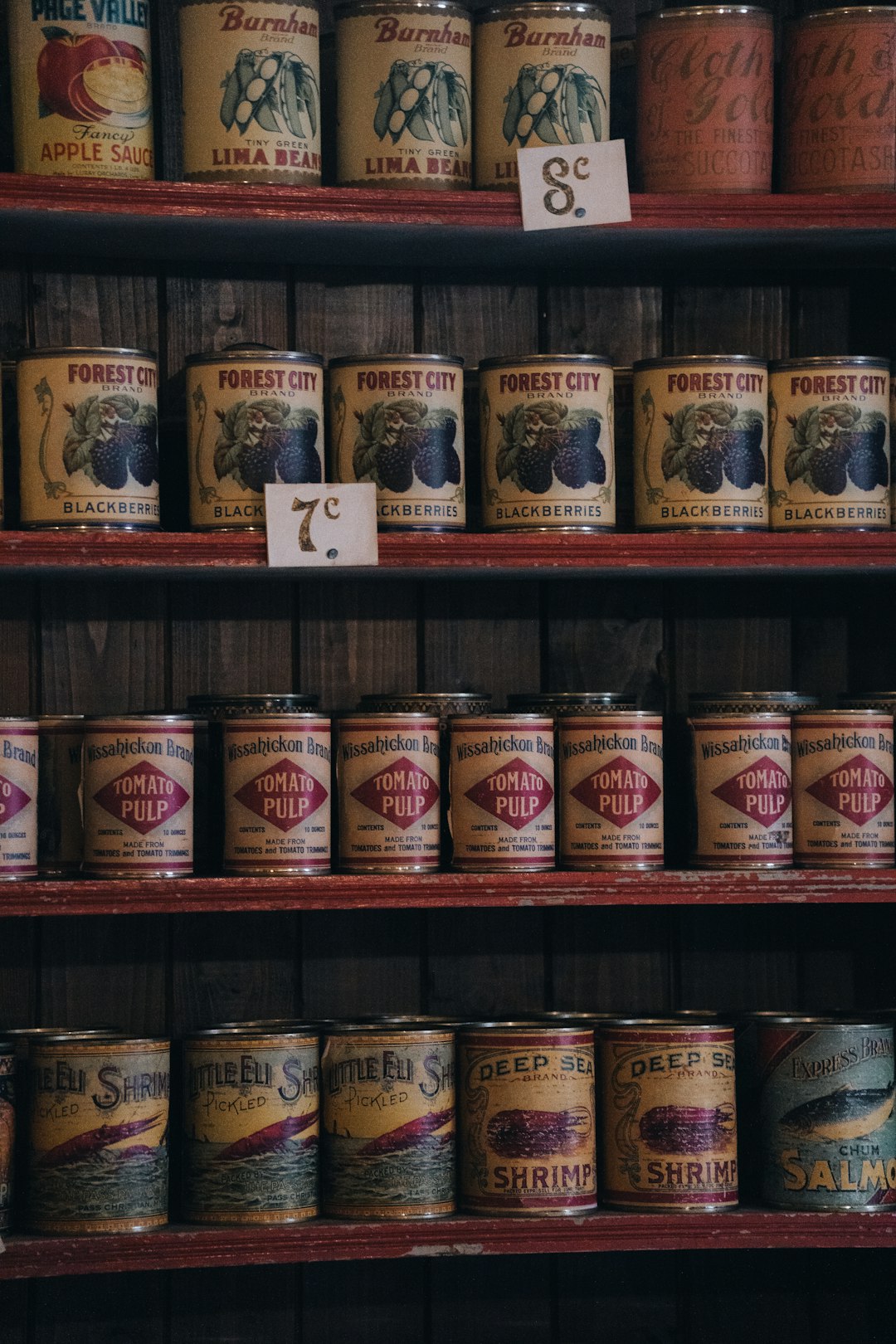
A well-documented example of this dynamic: shelf-stable products like canned goods, dried pasta, and honey can remain safe and nutritious for years — sometimes decades — beyond their printed dates. Honey, in particular, has essentially indefinite shelf stability due to its low moisture content and acidity. Yet cans of soup routinely get tossed because the date has passed.
The Grocery Store's Role in the Cycle
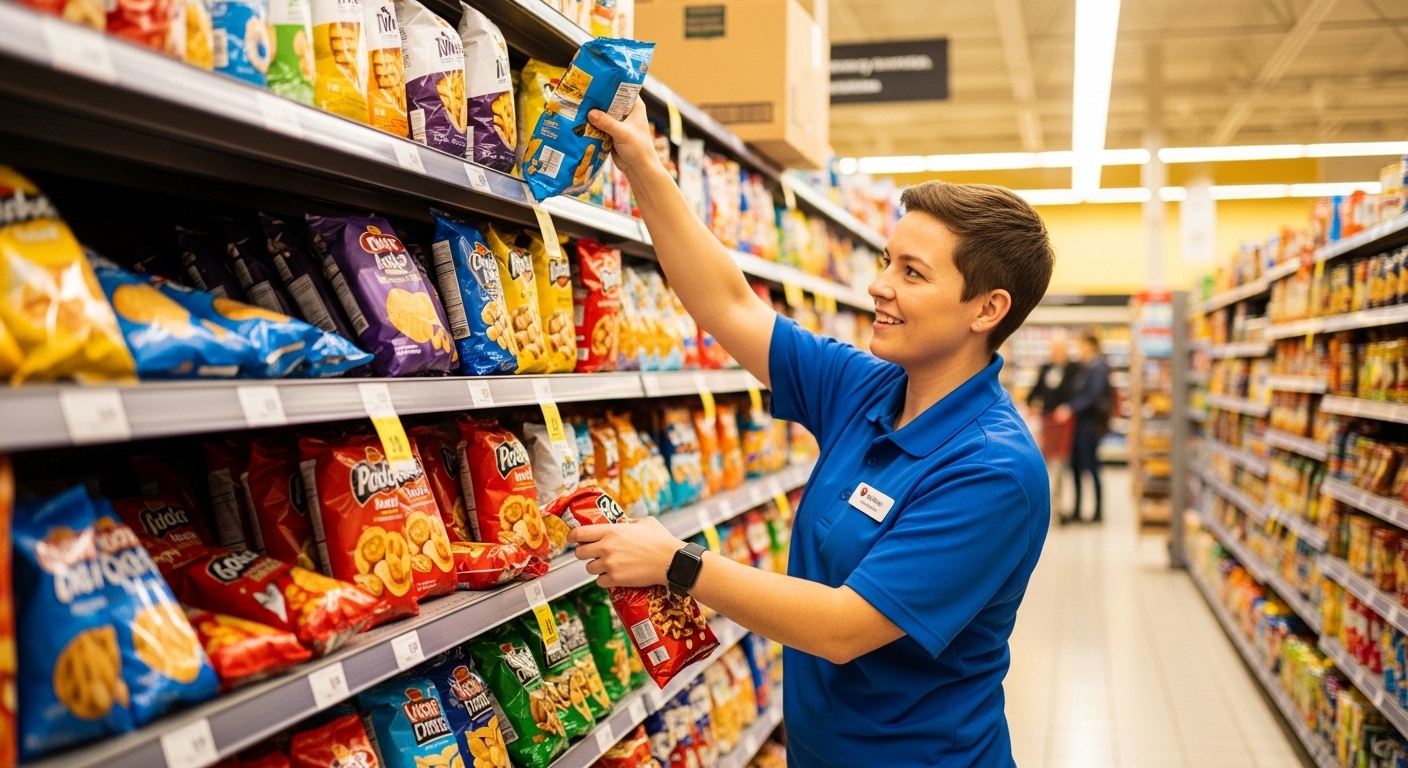
Retailers pull products from shelves before the printed date, often days or weeks ahead of it, to maintain a fresh appearance. That food frequently goes to waste rather than being redirected to food banks or discount channels, partly because of logistical friction and partly because of liability concerns — even when the food is completely safe. Anyone who has ever spotted a 'manager's special' sticker on a product nearing its date has seen the retail system trying, imperfectly, to solve this problem.
How Smarter Labeling Can Actually Cut Food Waste
The Push Toward Standardized Language
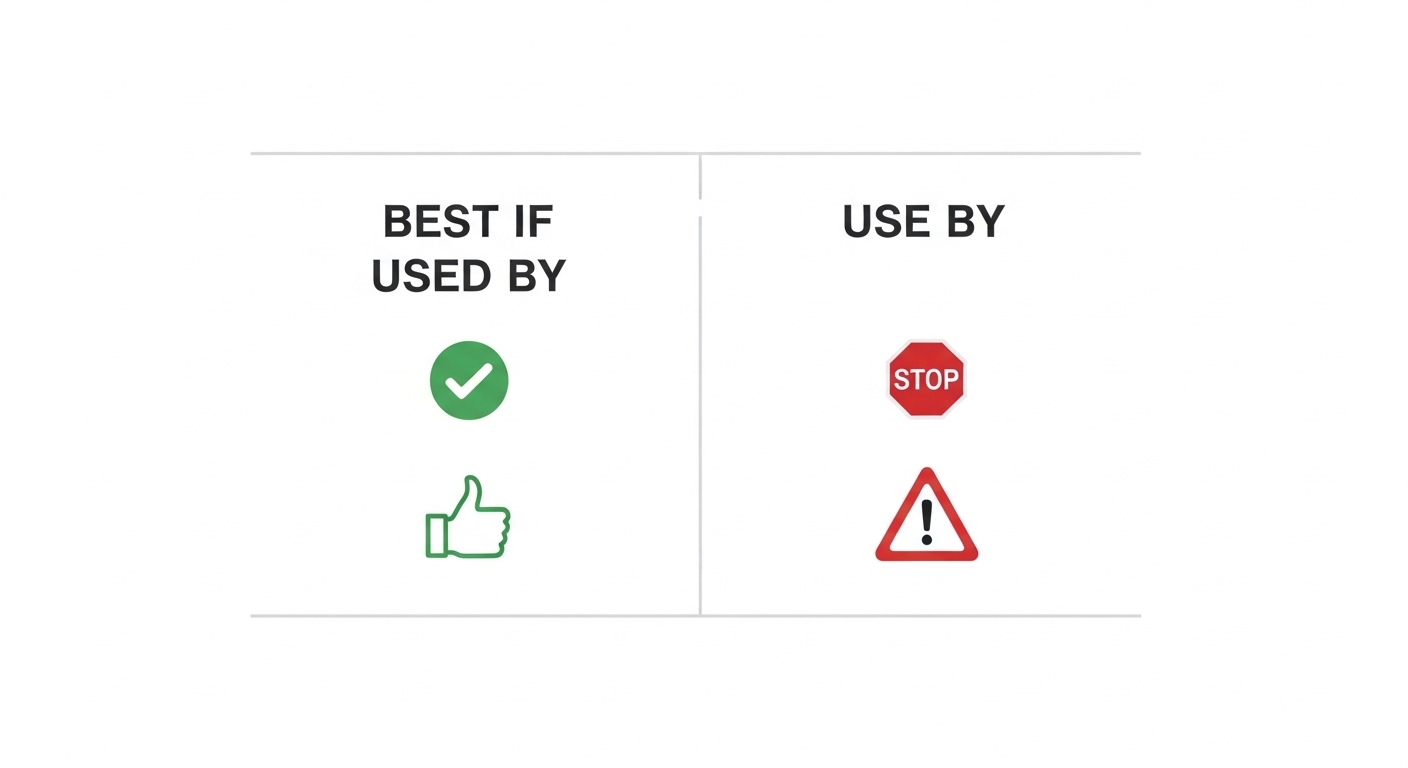
The clearest lever available is simplification. Research by the Harvard Food Law and Policy Clinic and the Natural Resources Defense Council — published in a widely cited report — found that consolidating the patchwork of label phrases into just two standardized terms could meaningfully reduce consumer confusion and food waste. The proposed framework is straightforward: 'Best If Used By' for quality-based dates, and 'Use By' reserved exclusively for safety-relevant dates on highly perishable products.
The Consumer Goods Forum, a global industry network, has encouraged its member companies to voluntarily adopt this two-phrase system. Some major food manufacturers have moved in this direction, though uptake has been uneven. Voluntary adoption without regulatory backing tends to produce exactly that: partial, inconsistent progress.
Standardizing just two label phrases — one for quality, one for safety — could prevent millions of tons of food from being discarded unnecessarily each year.
On the legislative side, several U.S. states have introduced or passed bills aimed at standardizing date label language, and federal proposals have been introduced in Congress multiple times, though comprehensive federal legislation has not yet been enacted. The momentum is real, but the finish line keeps moving.
Why This Matters Beyond Your Refrigerator
The Scale of the Problem Makes Label Reform High-Leverage
Food waste is a climate issue as much as a consumer issue. When food decomposes in landfills, it produces methane — a greenhouse gas with a warming effect significantly more potent than carbon dioxide over short time horizons. The environmental cost of wasted food includes not just the food itself, but all the water, energy, land, and labor that went into producing it. Estimates vary, but food systems are widely cited as a major contributor to global greenhouse gas emissions, and waste is a substantial fraction of that footprint.
Label reform is one of the few interventions that operates at scale without requiring individual behavior change beyond a small shift in interpretation. You don't need to compost, meal plan, or buy differently. You just need to understand that 'Best By' means 'probably still fine' rather than 'throw this away immediately.'
What Businesses Stand to Gain
For food companies and retailers, the business case for clearer labeling is more nuanced than it might appear. On one hand, conservative dates reduce quality complaints. On the other, companies that position themselves as waste-conscious are increasingly attractive to a consumer segment that cares about sustainability. Some retailers have experimented with 'imperfect' or near-date product lines at a discount — and found real demand. The waste-reduction angle, framed correctly, is a margin opportunity, not just a PR move.
(Opinion: The food industry's reluctance to push harder for standardized labeling is hard to defend at this point. The science is clear, the consumer confusion is documented, and the waste is measurable. What's missing isn't evidence — it's the political will to move a voluntary system toward something with teeth.)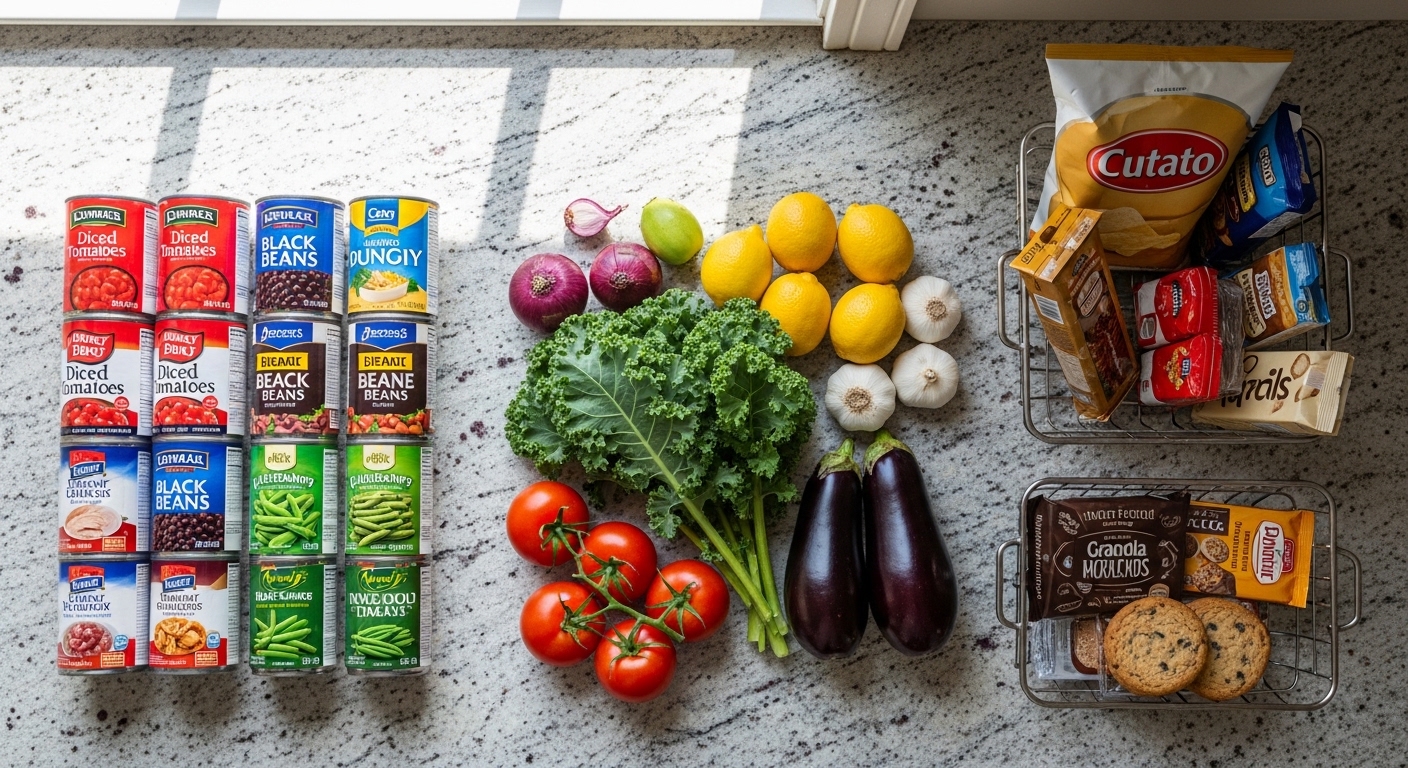
Frequently Asked Questions
Is food safe to eat after the 'Best By' date?
In most cases, yes. 'Best By' dates indicate peak quality, not a safety cutoff. Shelf-stable products like canned goods, dried pasta, and crackers are typically safe well beyond their printed dates, though they may experience minor changes in taste or texture. The exception is 'Use By' dates on highly perishable items like deli meats — those are worth taking seriously.
Why don't food companies just put accurate expiration dates on packaging?
Most packaged foods don't have a precise 'expiration' date in a safety sense — shelf life depends on storage conditions, packaging integrity, and the specific product. Manufacturers set quality dates based on sensory testing under controlled conditions, which is inherently conservative. There's also a liability incentive to set dates earlier rather than later, since a quality complaint is far more likely than a safety incident from a slightly stale product.
Does 'Sell By' mean I should throw the food away if I haven't used it by that date?
No. 'Sell By' is a retailer inventory signal, not a consumer safety or quality date. It tells the store when to rotate or pull stock — not when the food becomes unsafe or even noticeably lower in quality. Most products remain perfectly usable for several days to a week or more after a 'Sell By' date, depending on the item and how it's been stored.
The date stamp on your food is a piece of information, not a verdict. Understanding what it actually measures — quality, not safety, in most cases — doesn't require a food science degree. It just requires knowing that the system was built for supply chains, not kitchens. Every jar of peanut butter or can of tomatoes discarded because of a passed 'Best By' date represents a small, invisible failure of communication — multiplied across hundreds of millions of households, it adds up to something that is genuinely hard to justify.


Comments
Post a Comment