The Human Body in Space: Surprising Effects of Microgravity Explained
Astronauts returning from long missions on the International Space Station sometimes cannot walk unassisted for days. Their legs work fine — the muscles just forgot what gravity feels like. Six months in orbit is enough to fundamentally rewire how the human body manages itself, and some of those changes are stranger than most people expect.

What Microgravity Actually Does to the Human Body
It Is Not Zero Gravity — and That Distinction Matters
The term 'zero gravity' is technically wrong. Astronauts aboard the ISS are still well within Earth's gravitational field — they are simply in continuous freefall around the planet, which creates the sensation of weightlessness. Physicists call this microgravity: gravity is present, but its effects on the body are nearly eliminated because everything in the spacecraft falls together at the same rate.
That distinction matters because the body's systems evolved to work against a constant 1g downward pull. Remove that pull, and dozens of biological processes start drifting in unexpected directions. The cardiovascular system, the skeleton, the inner ear, and even the immune system all have to recalibrate — and they do not all recalibrate at the same speed or in the same direction.
Fluid Shifts: Why Astronauts Get Puffy Faces
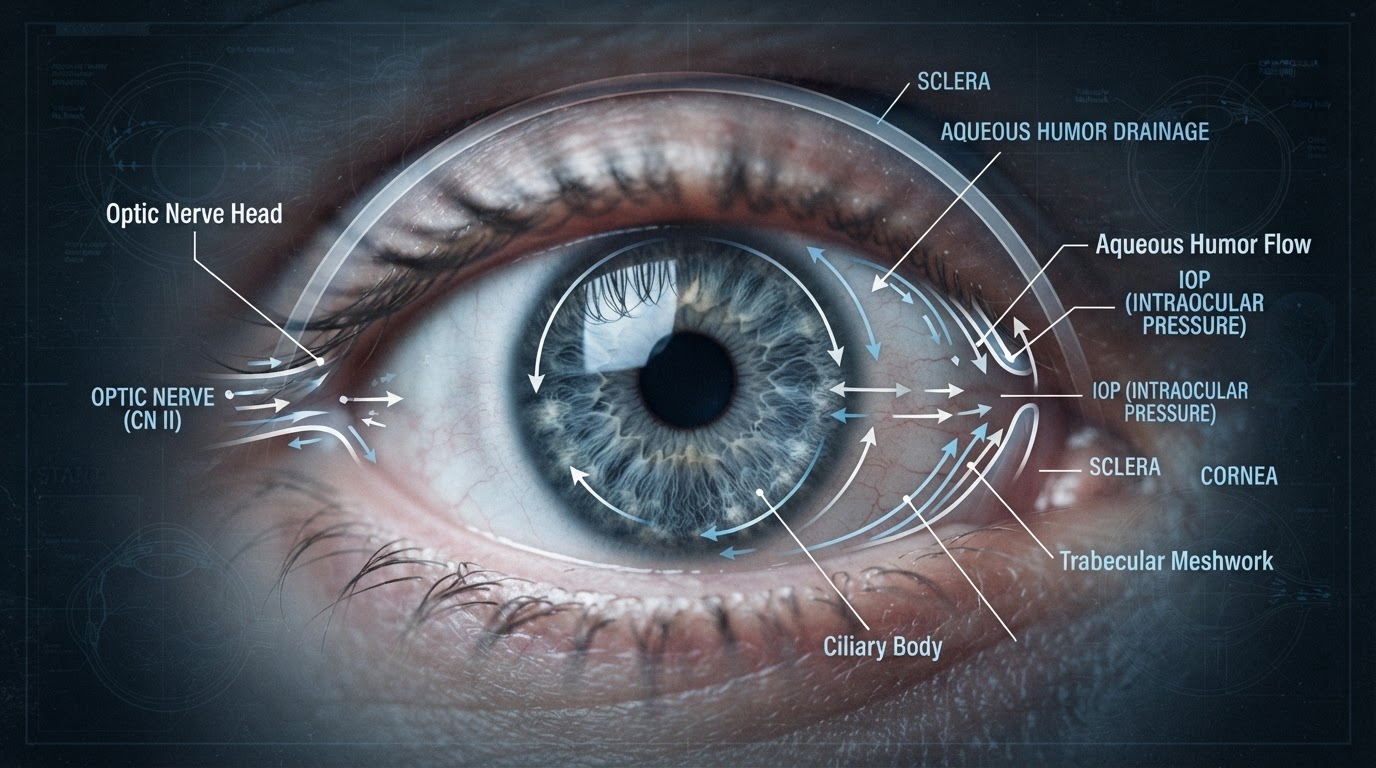
On Earth, gravity pulls bodily fluids toward your lower body. In orbit, that bias disappears. Fluid redistributes upward, toward the head and chest. Astronauts frequently describe a persistent sensation of nasal congestion — similar to hanging upside down — that never fully goes away during a mission. Their faces visibly puff up within the first day or two.
This fluid shift also increases pressure inside the skull. Research conducted on ISS crew members has found that some astronauts develop measurable changes in the shape of their eyeballs and optic nerves after extended missions, a condition researchers have labeled spaceflight-associated neuro-ocular syndrome (SANS). Some crew members return with slightly blurred vision that takes months to resolve — and in a small number of cases, the changes appear to be permanent.
How Bones and Muscles Respond to Life Without Load
The Skeleton Starts Unloading Itself
Bone density is not static. Your skeleton constantly remodels itself in response to mechanical stress — the pressure of walking, lifting, and carrying your own weight. In microgravity, that mechanical stimulus largely disappears. The body interprets this as a signal that it is carrying too much bone mass for the load it is experiencing, and it starts shedding density accordingly.
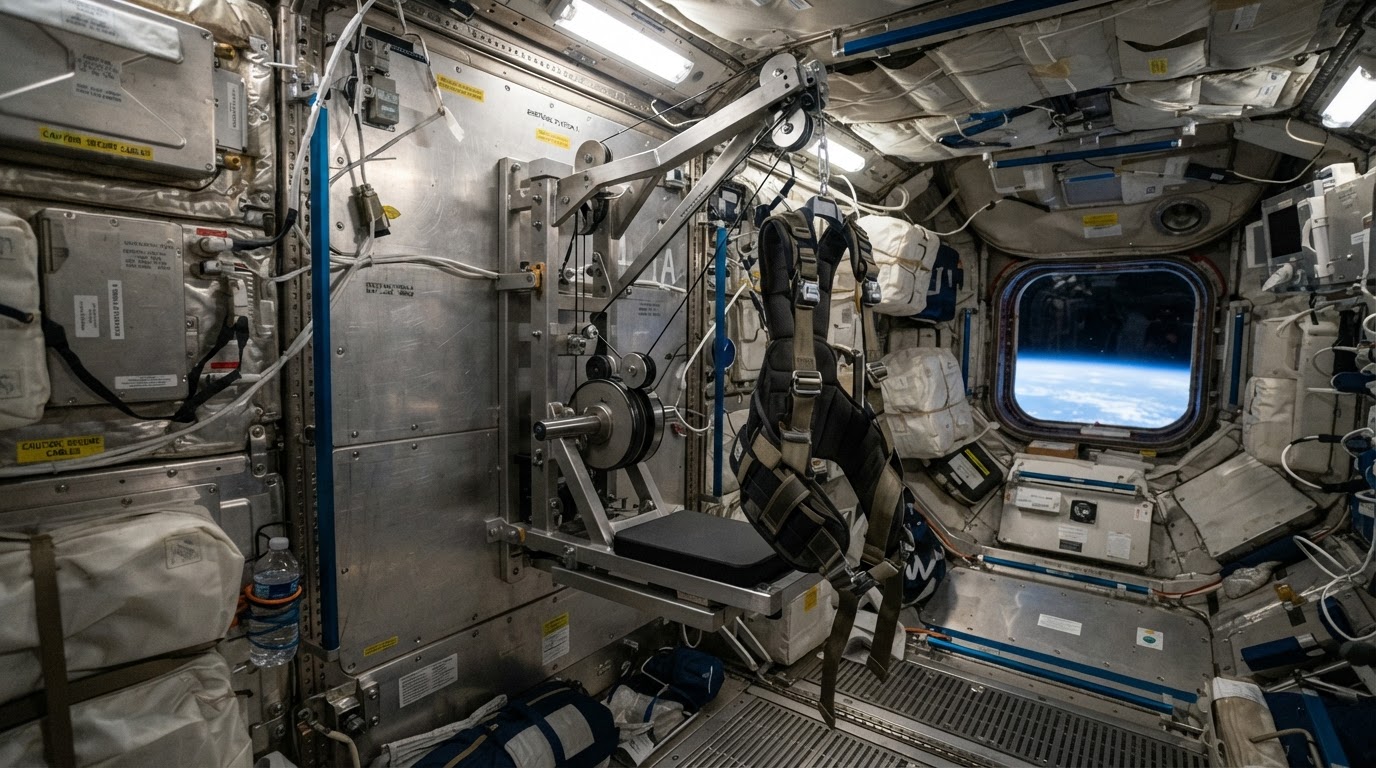
Estimates suggest astronauts on long-duration missions can lose roughly 1 to 2 percent of bone density per month in weight-bearing regions like the hips and lower spine. That rate is significantly faster than the bone loss seen in elderly people with osteoporosis. Astronauts on the ISS now follow rigorous daily exercise protocols — typically around two hours — specifically to slow this process. The resistance machines used on the station are engineered to simulate load in an environment where nothing has weight.
Bone loss in orbit outpaces osteoporosis on Earth — and it happens to people who are otherwise in peak physical condition.
Muscle Atrophy Happens Faster Than You Would Expect
Muscles shrink when they are not used, and in microgravity, the postural muscles that spend every waking hour on Earth fighting gravity suddenly have almost nothing to do. The calves, lower back, and core are hit hardest. Even with daily exercise, astronauts typically return to Earth with measurable muscle loss in these areas.
The practical consequence is not subtle. After returning from a six-month mission, many astronauts describe the simple act of sitting upright in a chair as exhausting. Their core muscles, which normally operate on autopilot, have to be consciously recruited again. Recovery typically takes weeks to months, depending on mission length and individual fitness.
What Happens to the Heart and Cardiovascular System in Orbit
The Heart Gets Lazy — Literally
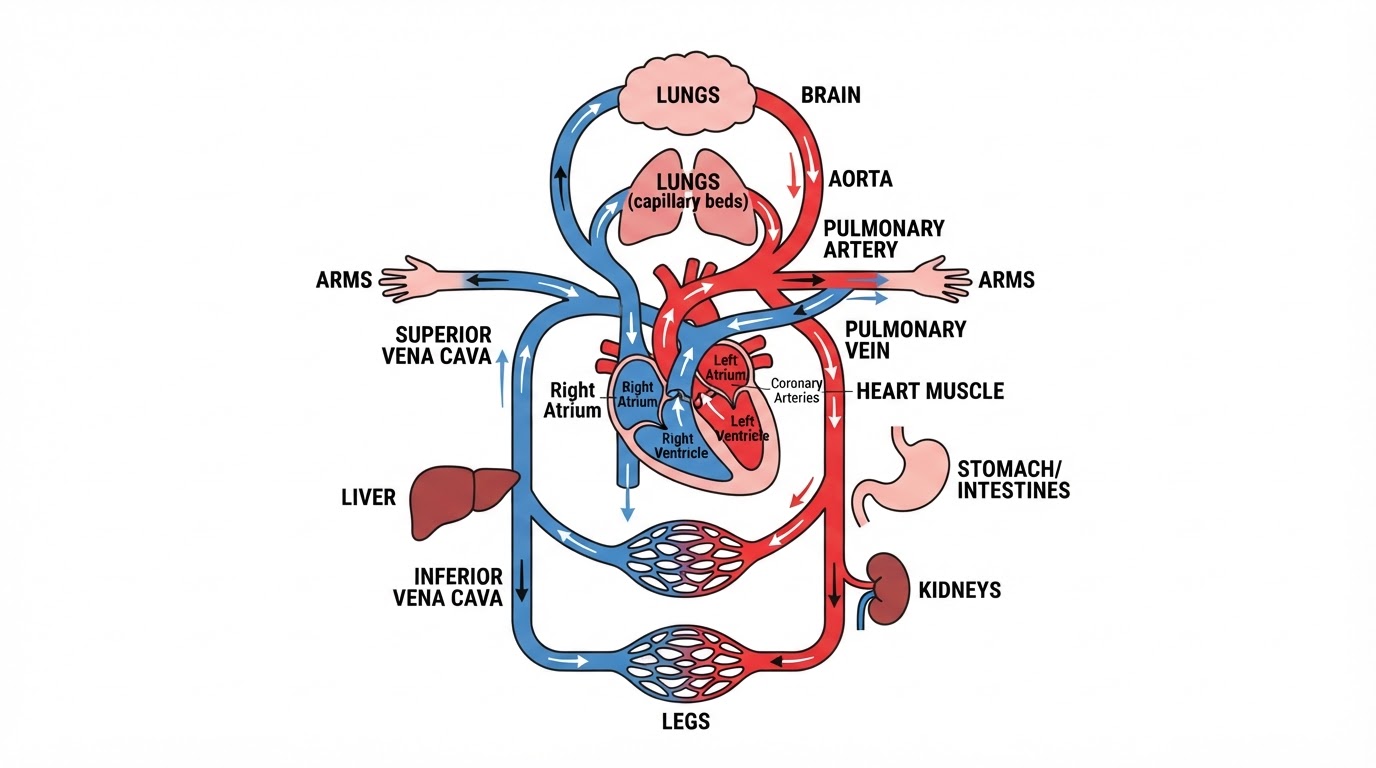
The heart is a muscle, and like any muscle, it adapts to its workload. On Earth, a significant portion of cardiac effort goes toward pumping blood upward against gravity. In microgravity, that workload drops. The heart responds by becoming slightly smaller and less efficient over time — a process sometimes described informally as cardiac deconditioning.
There is also a counterintuitive early effect: because fluid shifts toward the chest and head in the first days of a mission, the heart actually receives more blood than usual and initially works harder. The body compensates by reducing blood volume overall — essentially dumping fluid through the kidneys. The result is that astronauts arrive in space with a temporarily elevated cardiac load, then gradually shift into a state of reduced cardiovascular capacity. Both phases carry their own risks.
The heart does not simply 'relax' in space — it goes through a two-phase adaptation that leaves it less capable in both directions.
Orthostatic Intolerance After Landing
One of the most predictable post-flight problems is orthostatic intolerance — the inability to stand upright without feeling faint. After months of not needing to regulate blood pressure against gravity, the cardiovascular system loses some of its ability to do so quickly. Astronauts stepping off a Soyuz capsule are routinely carried in reclined chairs and monitored closely for the first hours after landing.
Interestingly, this is one area where countermeasures have improved significantly. Fluid loading before reentry — drinking large quantities of saline solution — helps restore blood volume and reduces the severity of post-landing dizziness. It sounds almost comically low-tech for a space program, but it works.
The Immune System, Sleep, and Stranger Effects
Immune Dysregulation in Orbit
Space does odd things to the immune system. Research on ISS crew members has found that dormant viruses — including variants of the herpes family like the chickenpox virus — can reactivate during spaceflight. The immune system appears to become less effective at keeping these latent infections suppressed, likely due to a combination of stress, radiation exposure, and the microgravity environment itself.
This is not just a curiosity. Reactivated viruses can shed into the environment of a sealed spacecraft. For a crew of six sharing recycled air in a confined module, that has real implications for mission health management. NASA and other agencies track viral shedding in astronauts as a routine part of medical monitoring.
Sleep Disruption and the 16-Sunrise Problem
The ISS orbits Earth roughly every 90 minutes, which means crew members experience approximately 16 sunrises and sunsets per day. The human circadian rhythm — the internal clock that regulates sleep, hormones, and metabolism — is heavily anchored to light cycles. Experiencing 16 of them daily is, predictably, disorienting.
Astronauts use blackout curtains in their sleeping quarters and rely on carefully managed lighting schedules to approximate a 24-hour day. Sleep quality in orbit is consistently reported as worse than on Earth, and sleep deprivation compounds almost every other physiological challenge the body is already managing.
(Opinion: The sleep problem strikes me as chronically underreported in public coverage of spaceflight. Bone loss gets the headlines, but a crew running on poor sleep for six months while managing cardiovascular changes, immune suppression, and vision problems is a compounding risk that deserves more attention than it typically receives.)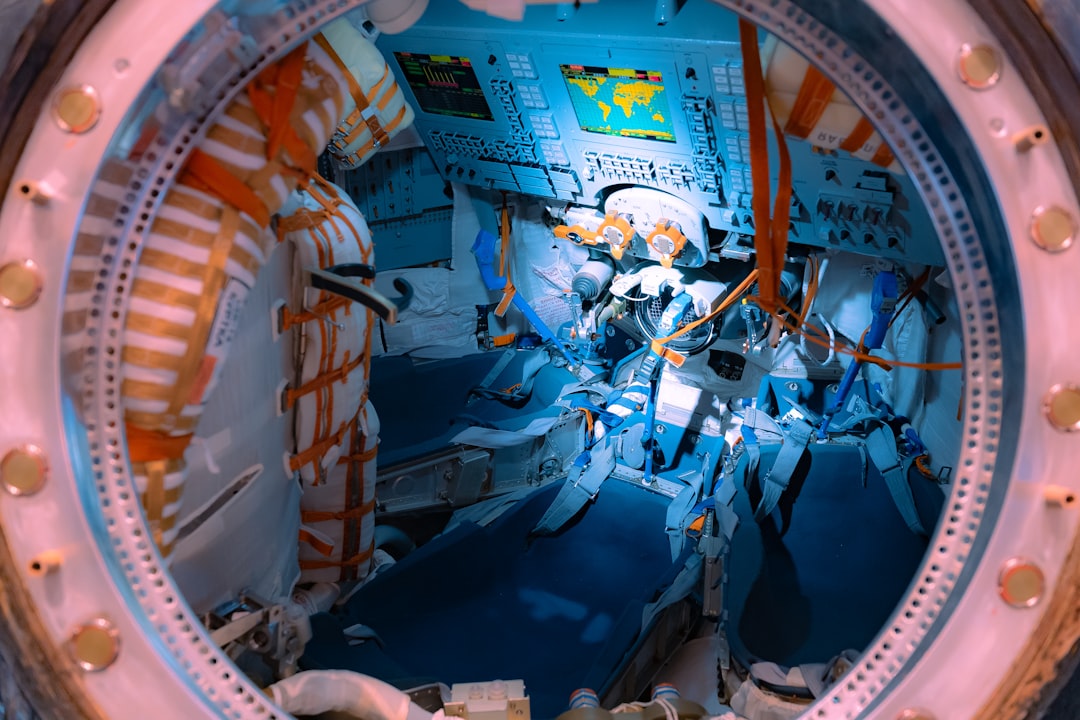
Frequently Asked Questions
Do all astronauts experience the same effects in space?
No — individual variation is significant. Some astronauts develop vision changes from fluid pressure while others show minimal effects. Bone loss rates vary between individuals even on identical exercise regimens. Researchers are actively studying whether genetics, pre-flight fitness, or other factors predict who is most vulnerable to specific microgravity effects.
Can the body fully recover after a long spaceflight?
For most systems, yes — given enough time. Bone density, muscle mass, and cardiovascular function typically recover over weeks to months after returning to Earth. Vision changes from SANS are the notable exception: some astronauts retain measurable structural changes to their eyes and optic nerves that do not fully reverse. This is one of the most actively researched concerns for future long-duration missions.
Would artificial gravity actually solve these problems?
In theory, rotating a spacecraft to simulate gravity would address most of the issues caused by microgravity. In practice, the engineering challenges are substantial — the rotation rate needed to produce useful gravity in a small structure can cause its own problems, including nausea from the Coriolis effect. Larger rotating habitats could spin slowly enough to avoid that, but no crewed rotating spacecraft has been built and operated yet. It remains one of the most discussed but unimplemented solutions in human spaceflight.
The deeper you look at what spaceflight does to the human body, the clearer it becomes that we are not built for it — not yet, anyway. Every countermeasure currently in use is a workaround, not a solution. Exercise slows bone loss but does not stop it. Fluid loading reduces post-landing dizziness but does not prevent cardiovascular deconditioning. A mission to Mars would take roughly six to nine months of travel each way, with no option to return early if something goes wrong. The body problems we have not fully solved in low Earth orbit will follow every crew member on that journey, compounding the entire way.


Comments
Post a Comment