Why User-Replaceable Batteries Are Good for Your Gadgets and the Planet
The European Union's new right-to-repair regulations, which took effect in stages starting in 2024, now require that many portable electronics sold in Europe include batteries that consumers can replace themselves. That single policy shift has reopened a debate the tech industry thought it had quietly closed: should your phone's battery be something you can swap out in 30 seconds, or a sealed component that requires a heat gun, a spudger, and a voided warranty?
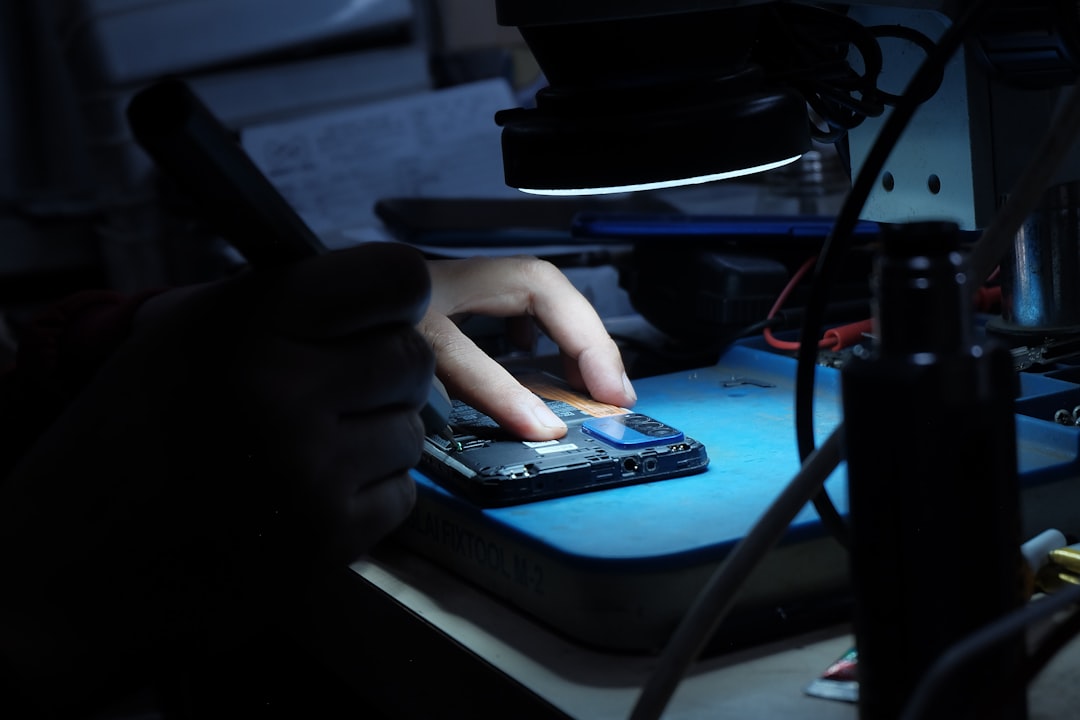
What 'User-Replaceable Battery' Actually Means
The Spectrum from Easy to Technically Possible
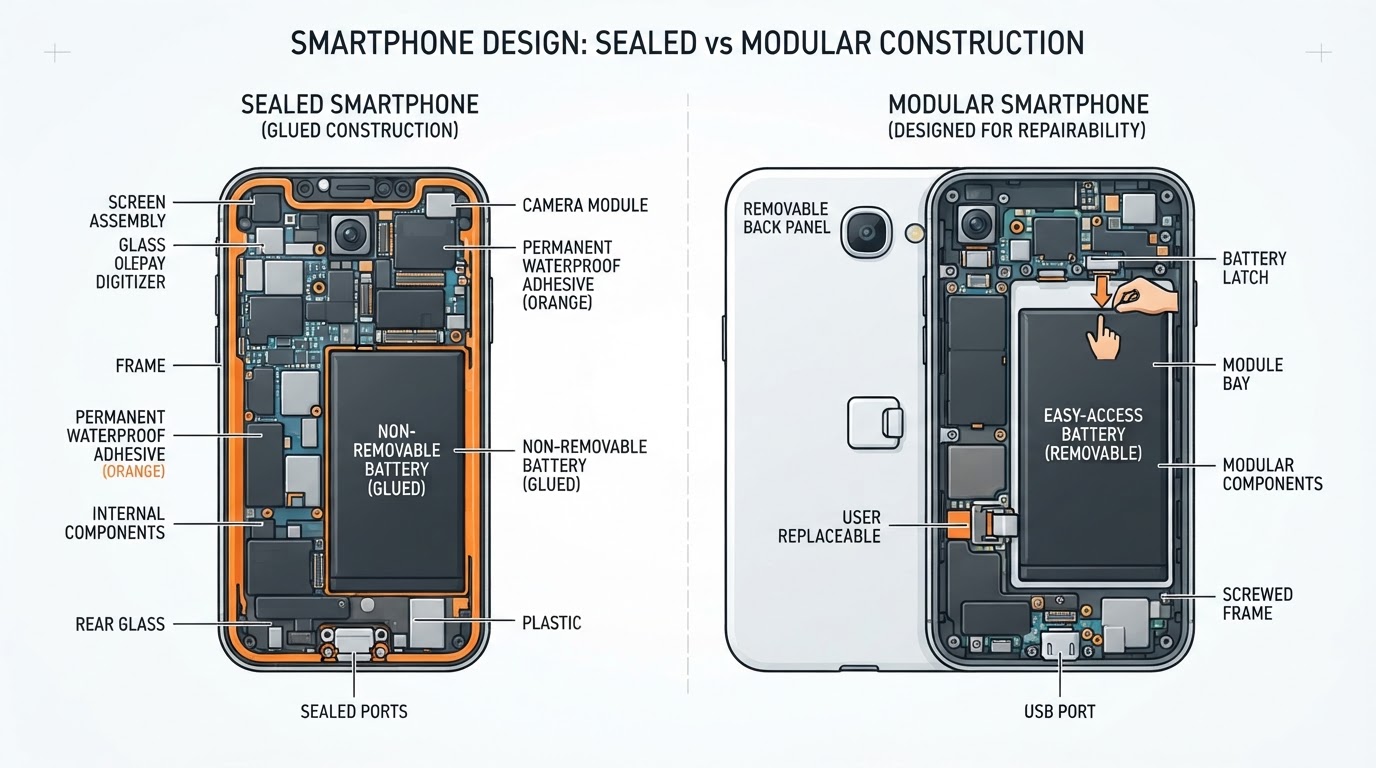
A user-replaceable battery is not a single standard — it is a spectrum. At one end, you have devices where a panel slides off and a fresh battery clicks in without tools, the way most feature phones worked through the 2000s. At the other end, you have phones where replacement is theoretically possible but requires specialized adhesive, heat, and a steady hand. Regulators and advocacy groups generally mean the former when they use the term.
The distinction matters because manufacturers sometimes claim their devices are 'repairable' while designing them in ways that make self-repair genuinely dangerous or prohibitively expensive. A battery rated for consumer replacement should be accessible without proprietary tools, should not require destroying adhesive seals that cannot be re-sealed, and should be available for purchase at a reasonable price. That last part is often where the system breaks down.
How Sealed Batteries Became the Industry Default
The Design Decisions That Got Us Here
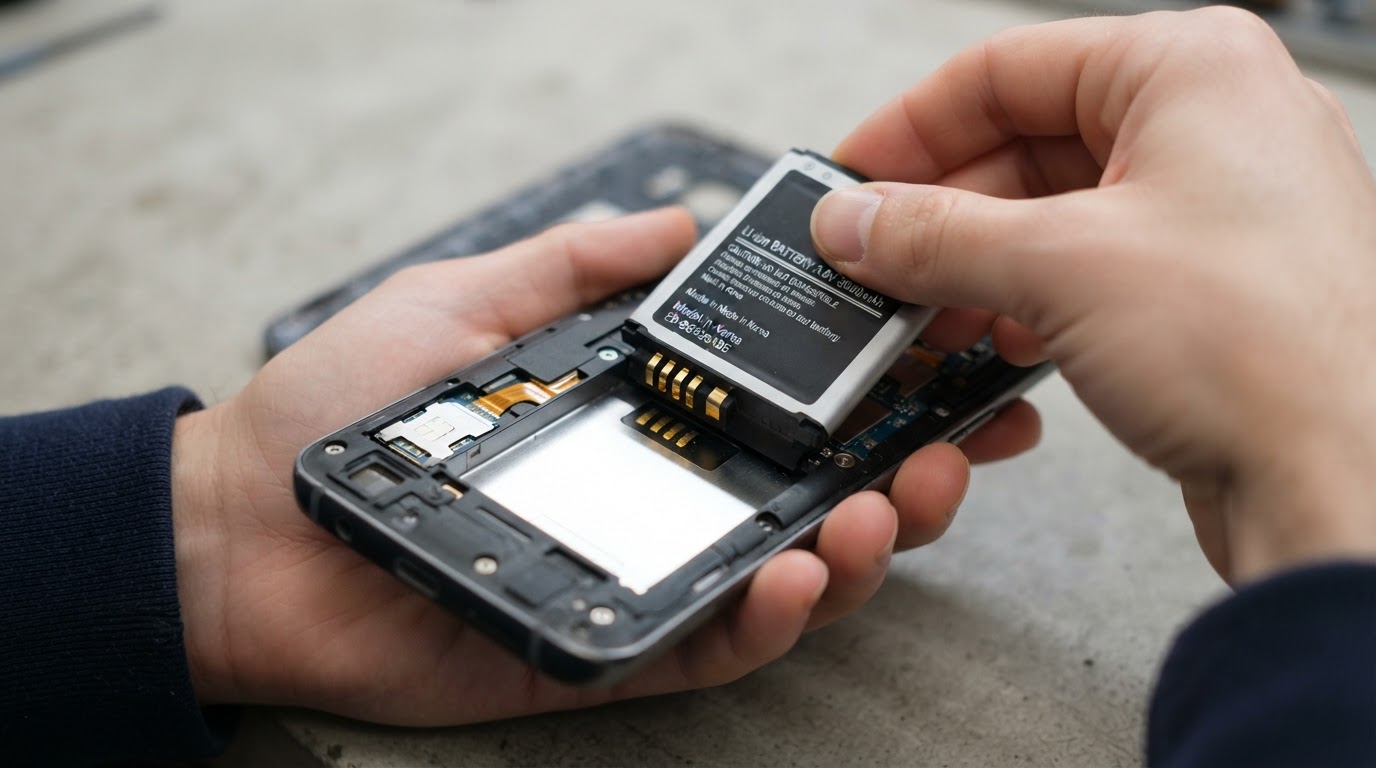
Sealed batteries did not become dominant by accident. When smartphone makers started chasing thinner profiles and water resistance ratings in the early 2010s, the removable battery door was one of the first casualties. A sealed unibody chassis allowed for tighter tolerances, better ingress protection, and — frankly — a premium feel that consumers responded to. The engineering trade-off was real, not invented.
But the shift also served business interests that had nothing to do with design elegance. A device that requires a manufacturer-authorized repair keeps the customer inside a controlled service ecosystem. Apple's Genius Bar and Samsung's authorized service network are not just conveniences — they are revenue streams. Anyone who has been quoted $80 to $120 for a battery replacement at an official service center, when the battery itself costs a fraction of that, has felt this dynamic firsthand.
Sealed batteries are not just a design choice — they are a business model. The moment your battery degrades, the clock starts ticking on your next device purchase.
There is also a subtler lock-in mechanism: software. Some manufacturers have historically throttled device performance when an unofficial battery is detected, or displayed persistent warnings that the battery is 'not genuine.' The hardware seal and the software gate work together.
The Environmental Cost of Batteries You Cannot Replace
What Happens When Your Battery Dies and You Cannot Swap It
Lithium-ion batteries degrade. Every charge cycle reduces their capacity slightly, and most batteries reach roughly 80 percent of their original capacity after somewhere between 300 and 500 full cycles — though this varies considerably by chemistry, temperature, and charging habits. For a typical smartphone user, that translates to one to three years before the battery noticeably limits the device.
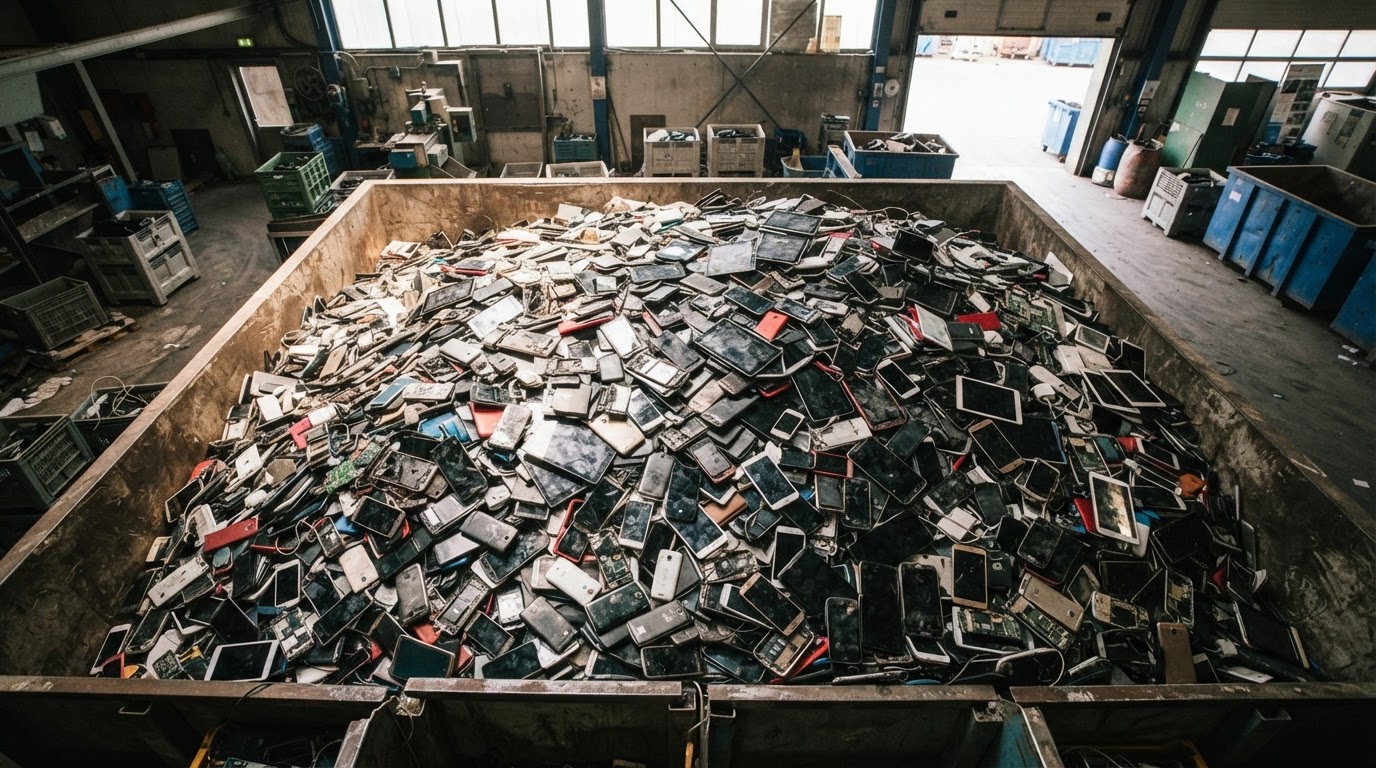
When the battery dies in a sealed device and replacement is too expensive or too complicated, most people buy a new phone. The old one goes into a drawer, gets traded in for a fraction of its value, or ends up in a landfill. Estimates from electronics recycling organizations suggest that a significant portion of discarded electronics are still functionally operational except for their battery. That is an enormous amount of embodied energy — the carbon cost of mining, manufacturing, and shipping — thrown away because of one degraded component.
The counterintuitive part: manufacturing a new smartphone generates far more carbon emissions than charging and using one for several years. Extending a device's life by even 12 months through a battery swap can have a larger environmental impact than switching to a more energy-efficient charger.
The greenest phone is the one you already own. A $30 replacement battery can offset years of manufacturing emissions from a device that would otherwise be discarded.
Which Devices Still Get This Right — and What They Prove
Real Examples of Replaceable Battery Design Working in Practice
The Fairphone series, made by a Dutch company, has built its entire brand around repairability. Their phones ship with a battery that users can remove with no tools whatsoever — just a fingernail and a pull tab. The company also sells replacement batteries directly, with instructions. Fairphone devices are not the thinnest or the most powerful on the market, but they have demonstrated that a commercially viable smartphone can prioritize longevity without being a niche curiosity.
In the professional and industrial space, replaceable batteries never went away. Field workers using ruggedized tablets or handheld scanners often carry spare batteries as a matter of course, swapping them mid-shift the way a photographer swaps camera batteries. The reason is obvious: downtime is expensive. The consumer market somehow convinced itself that the same logic did not apply to personal devices.
Camera manufacturers also largely held the line. Most interchangeable-lens cameras, from entry-level to professional, still use removable batteries. A photographer who has ever been on a long shoot knows the relief of dropping a dead battery into a pocket and clicking in a fresh one. That experience used to be universal for phone users too.
(Opinion: The argument that sealed batteries are necessary for premium design has always been a little convenient. Plenty of beautifully designed cameras, laptops, and power tools manage replaceable batteries without looking cheap. The real driver was margin, not aesthetics.)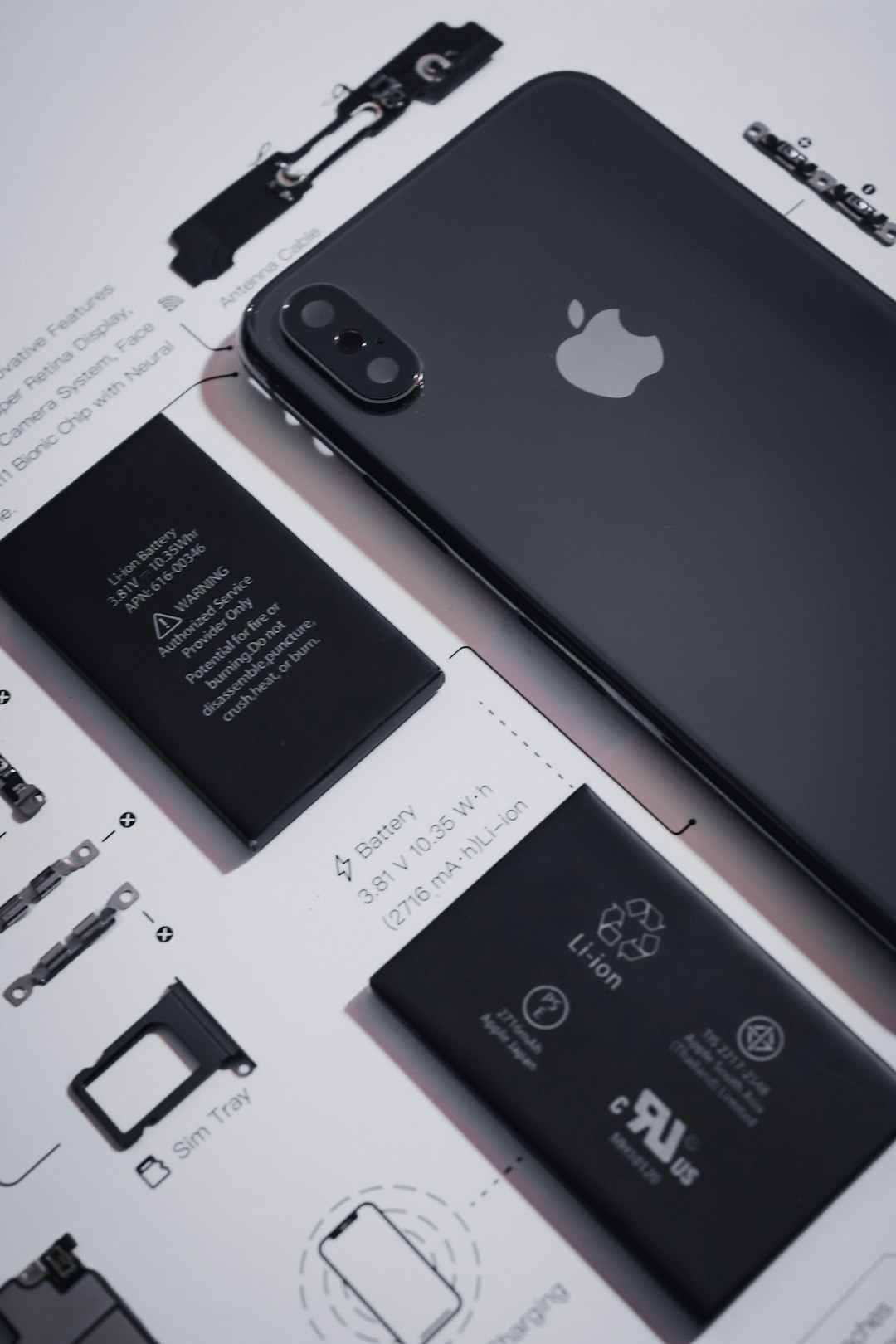
Why User-Replaceable Batteries Matter for Your Wallet and Your Autonomy
The Practical Case Beyond Environmentalism
Battery replacement is one of the most cost-effective ways to extend a device's life. A phone that still runs the latest software and has adequate processing power for your needs is a perfectly good phone — unless the battery dies in three hours. Replacing that battery for $20 to $50 in parts (assuming you can do it yourself) versus buying a new device for $600 to $1,200 is not a close financial comparison.
There is also the question of control. When your battery is sealed and only replaceable through authorized channels, you are dependent on that manufacturer's service network remaining available, affordable, and willing to work on older devices. Manufacturers have a documented history of ending support for older hardware, which can make battery replacement impossible even through official channels after a few years.
The Right-to-Repair Movement's Biggest Win
Battery replaceability has become a flagship issue for the right-to-repair movement precisely because it is so concrete. It is not abstract — everyone understands what a dead battery means, and everyone can see the logic of being able to replace it. The EU's Battery Regulation, which phases in requirements for portable batteries to be removable and replaceable by the end user, is the most significant legislative win the movement has achieved so far. Whether manufacturers comply in spirit or find workarounds remains to be seen.
One specific engineering detail that often gets overlooked: battery replacement is only genuinely useful if spare batteries remain available for purchase years after a device launches. A phone designed with a removable battery but with parts discontinued after 18 months solves nothing. Regulators are beginning to address this with minimum parts-availability requirements, but enforcement is still catching up.
Frequently Asked Questions
Does a replaceable battery mean worse water resistance?
Not necessarily, though there is a genuine engineering tension. Removable battery doors historically made achieving high IP water-resistance ratings harder. However, some newer designs use gaskets and sealed compartments that maintain meaningful water resistance while still allowing battery access. The Fairphone 5, for example, carries an IP55 rating with a user-removable battery — not the highest rating available, but sufficient for rain and splashes. The trade-off is real but not absolute.
How many times can a lithium-ion battery actually be replaced before the device itself wears out?
The battery is almost always the first major component to fail in a well-maintained device. Other components — the display, charging port, and main board — can realistically last five to eight years under normal use. Replacing a battery two or three times over that lifespan is entirely plausible, which means a single device could serve a decade of use with the right repair access. Most people never get close to that because the battery fails and replacement feels too difficult.
Will manufacturers actually comply with right-to-repair battery laws, or find loopholes?
History suggests a mixed record. Some manufacturers have genuinely improved repairability in response to regulatory pressure and public scrutiny. Others have introduced designs that technically meet the letter of the law while remaining practically difficult to repair — using unusual screw types, requiring proprietary diagnostic tools to 'authenticate' a new battery, or making spare parts hard to source. Advocacy groups and regulators are aware of these tactics, and enforcement language in newer regulations is becoming more specific as a result.
The deeper issue is not really about batteries at all. It is about who owns the device after you buy it — you, or the company that made it. A battery you cannot replace is a quiet reminder that your relationship with your hardware is more like a lease than a purchase. That arrangement benefits exactly one party, and it is not you.


Comments
Post a Comment