More Than Just a Pet: The Wonderful Benefits of Animals for Children
Children who grow up with pets score measurably higher on empathy tests than those who don't — and researchers have been trying to explain exactly why for decades. The answer turns out to be less about the animal itself and more about what the relationship demands of a child: responsibility, attentiveness, and a kind of emotional fluency that no classroom can fully teach. Whether it's a dog, a cat, a rabbit, or even a pair of goldfish, the presence of an animal in a child's life quietly reshapes how they think, feel, and relate to the world around them.
What the Research Actually Says About Kids and Pets
Empathy, Emotional Regulation, and the Animal Connection
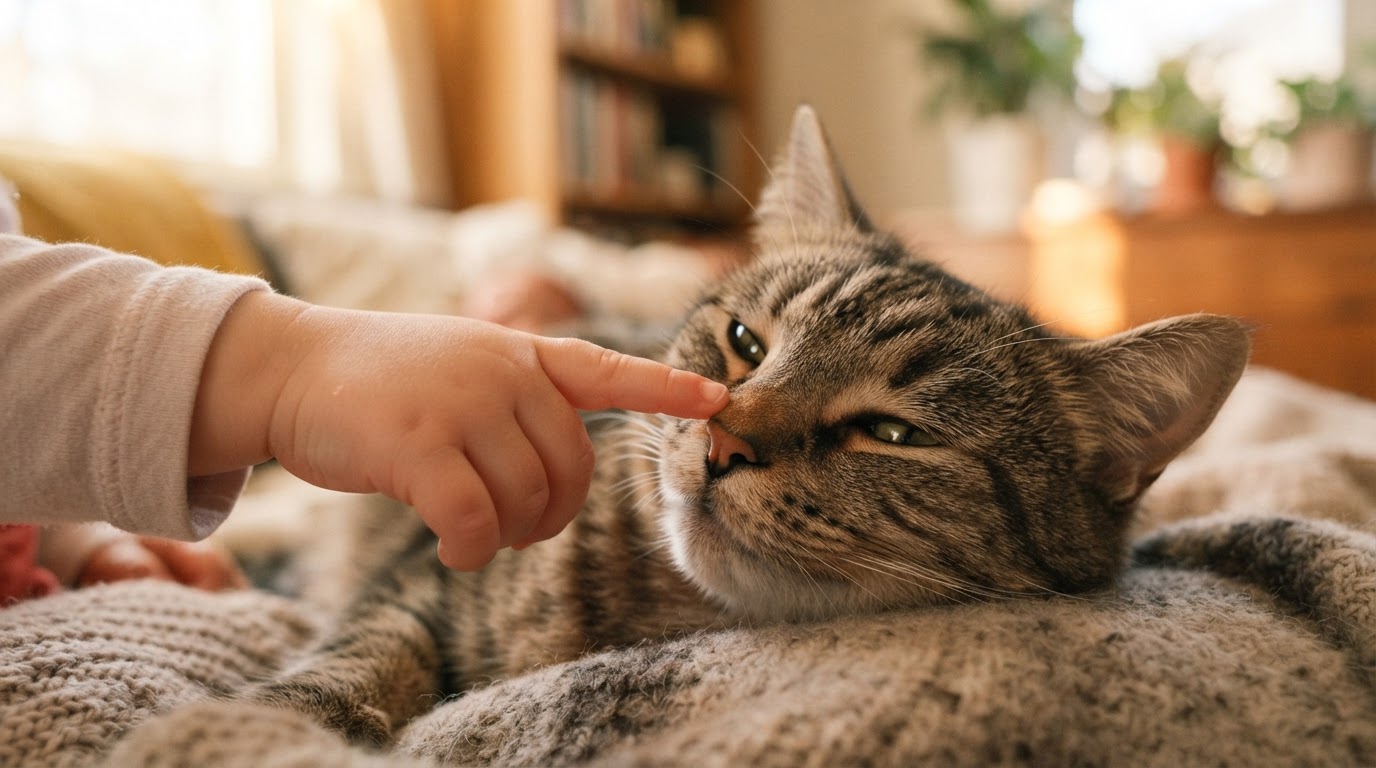
Research suggests that children who regularly interact with pets develop stronger emotional regulation skills earlier than their peers. The mechanism is surprisingly direct: animals don't mask their feelings. A dog that cowers when it's scared, or a cat that hisses when it's overwhelmed, gives a child immediate, unambiguous feedback about how their behavior affects another living creature. That feedback loop is hard to replicate with humans, who are far more polite about hiding discomfort.
Several studies in developmental psychology have found that children who care for pets tend to show greater compassion toward classmates and are more likely to intervene when they see someone being treated unfairly. The theory is that practicing empathy with an animal — reading its cues, adjusting behavior, responding to its needs — builds a general emotional skill set that transfers to human relationships. It's not guaranteed, but the pattern is consistent enough to be meaningful.
There's also something worth noting about non-verbal communication. Animals operate entirely outside of language, which means children have to learn to read body posture, facial expression, and behavioral signals. That's a sophisticated skill, and most kids develop it almost unconsciously through daily interaction with a pet.
A dog that flinches teaches a child something no lecture on kindness ever could — that their actions have immediate, visible consequences on another living being.
How Pets Teach Responsibility Without Feeling Like a Chore
The Difference Between Assigned Tasks and Real Accountability
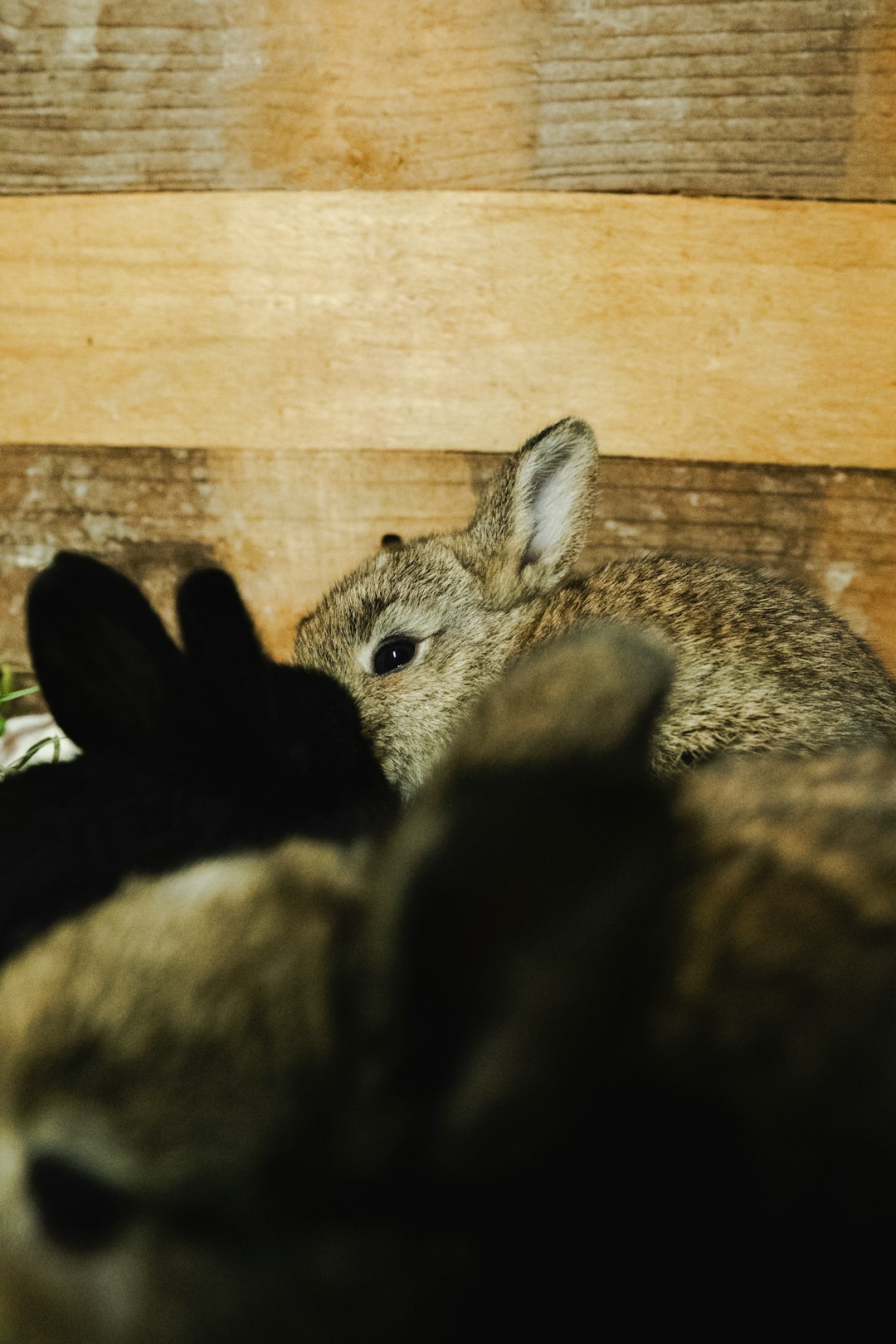
There's a meaningful difference between a child being told to take out the trash and a child knowing that if they forget to fill the water bowl, their rabbit goes thirsty. One is a household rule. The other is a relationship. That distinction matters enormously for how children internalize responsibility.
When a child owns the daily care of an animal — feeding, grooming, cleaning, exercising — they experience a kind of accountability that's hard to manufacture artificially. The animal's wellbeing is genuinely dependent on them. Most children respond to that with a seriousness that surprises their parents. A seven-year-old who drags their feet on homework will often leap out of bed to feed the dog without being asked.
Veterinary and child development professionals frequently point out that age-appropriate pet care tasks build executive function skills: planning, sequencing, remembering, and following through. These are the same cognitive skills that underpin academic performance and, later, professional success. The pet doesn't care about any of that, of course. It just wants breakfast.
(Opinion: There's a tendency among parents to wait until children are 'old enough' to handle a pet responsibly — but the evidence suggests the relationship itself is what builds that readiness. Waiting for the perfect moment may mean missing the window where the lessons land most deeply.)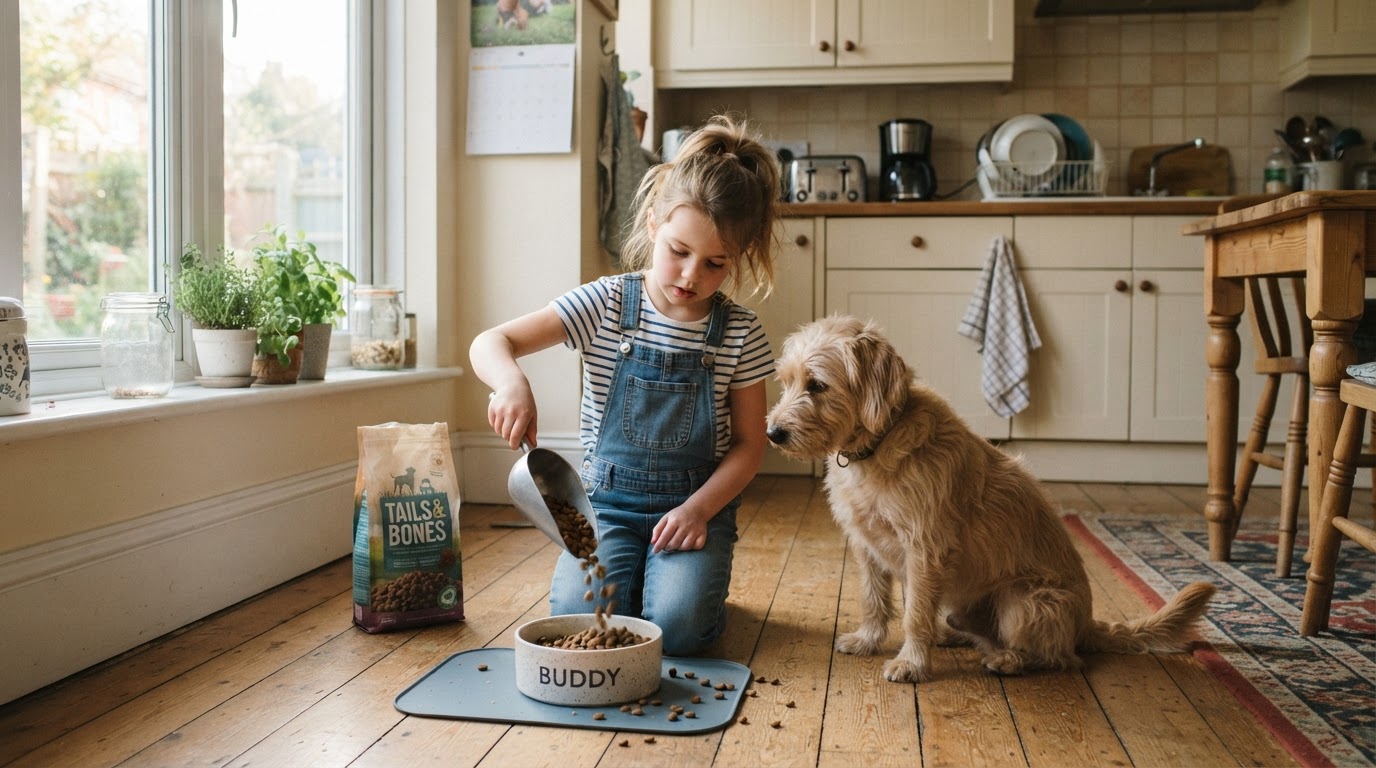
The Physical and Mental Health Benefits That Often Go Unnoticed
Stress Reduction, Anxiety, and the Calming Effect of Animals
Research suggests that interacting with animals lowers cortisol levels — the hormone most associated with stress — and raises oxytocin, which is linked to feelings of calm and social bonding. For children dealing with anxiety, this isn't a minor effect. Some therapists incorporate animal-assisted interventions specifically because the presence of a calm animal can help a child regulate their nervous system in ways that talking alone sometimes can't.
Children with social anxiety often find it easier to open up when a pet is present. The animal acts as a kind of social buffer — something neutral and non-judgmental to focus on, which lowers the stakes of conversation. This is well-documented in therapeutic settings, but it also plays out in ordinary homes every day. The child who won't talk about their bad day at school will often process it quietly while stroking a cat on their lap.
On the physical side, children in households with dogs tend to get more daily physical activity — walks, outdoor play, fetch in the backyard. The difference isn't dramatic, but it's consistent across multiple studies. And for children who struggle to find motivation for exercise, a dog that needs a walk is a remarkably effective nudge.
For a child who can't find the words for what they're feeling, a pet offers something rare: presence without pressure.

How Animals Help Children Navigate Loss, Grief, and Life's Hard Lessons
Why the Death of a Pet Is Often a Child's First Real Encounter With Mortality
This is the part of pet ownership that nobody advertises, but it may be one of the most genuinely valuable. Pets have shorter lifespans than humans. Most children who grow up with a pet will outlive it, and that loss — real, personal, and often the first of its kind — gives children a framework for understanding grief before they face it in more devastating forms.
Child psychologists generally view the death of a pet as a significant but manageable grief experience that, when handled thoughtfully by parents, can help children develop emotional resilience. It teaches them that love and loss are inseparable, that sadness is survivable, and that life continues after grief. Those are not small lessons.
There's also a counterintuitive upside to the shorter lifespan dynamic: children who grow up with multiple pets over their childhood develop a more nuanced, less fearful relationship with the concept of death than those who have never experienced it. That's not a reason to rush a child through grief — it's a reason to take it seriously when it arrives.
Anyone who has sat with a child the night their first pet died knows how real that grief is. It deserves to be treated as real, not minimized.
Frequently Asked Questions
What is the best age for a child to get their first pet?
There's no single right answer, but most child development experts suggest that children around five or six years old are generally ready to participate meaningfully in pet care without requiring constant supervision. Younger children can certainly benefit from having a pet in the home, but the responsibility component — which carries many of the developmental benefits — becomes more accessible around school age. The type of pet matters too: a low-maintenance animal like a fish or a guinea pig may be more appropriate for younger children than a dog.
Do pets help children with autism or social difficulties?
Research suggests they can, though the evidence is still developing. Several studies have found that children on the autism spectrum show reduced anxiety and increased social interaction in the presence of animals, particularly dogs and guinea pigs. Animal-assisted therapy is a recognized clinical approach used by some therapists working with children who have social or communication challenges. That said, every child is different, and the fit between a specific child and a specific animal matters enormously.
Can a child benefit from a pet even if they're allergic to common animals like cats and dogs?
Yes — and this is a question more families face than you might expect. Many of the emotional and developmental benefits associated with pet ownership can come from less allergenic animals: fish, reptiles, birds, or small mammals like guinea pigs or rabbits. The key factor isn't the species; it's the ongoing relationship and the responsibility of care. A child who tends to a tank of fish with genuine attention and curiosity is still developing many of the same skills as one with a dog.
The most underappreciated thing about children and animals is how quietly the relationship works. There's no curriculum, no lesson plan, no structured intervention. A child feeds a rabbit every morning before school, and somewhere in the repetition of that small act, something shifts — a sense of being needed, of mattering to another creature, of being trusted with something alive. That feeling doesn't announce itself. It just becomes part of who they are.


Comments
Post a Comment