Are Digital Cameras Still Worth Buying in the Smartphone Era?
A flagship smartphone camera system now costs more to engineer than most dedicated cameras sold at retail — and yet camera manufacturers are still shipping millions of units a year. That tension is real, and it tells you something important before you spend a dollar. The question isn't whether smartphones have gotten good at photography. They have. The question is whether 'good enough' is actually good enough for what you want to do.
Breaking Down the Real Costs of Buying a Digital Camera
Sticker Price Is Just the Beginning
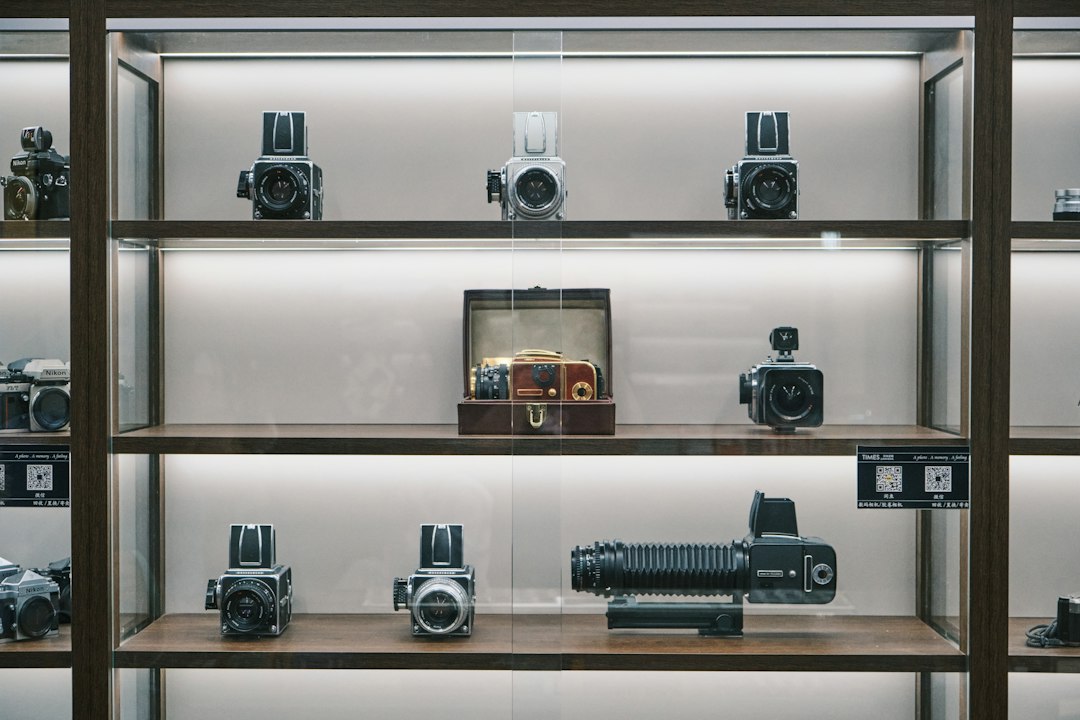
Entry-level mirrorless cameras from established brands typically start around $600–$800 body-only. Add a versatile kit lens and you're closer to $900–$1,100. That's before you buy a memory card, a second battery (you'll want one), a bag, and possibly a tripod. Realistically, a beginner's complete kit lands somewhere between $1,000 and $1,500.
Mid-range mirrorless systems — the sweet spot for enthusiasts — run $1,500–$2,500 for body and lens. Professional full-frame bodies can push $3,000–$6,000 before glass. These aren't impulse purchases. They're commitments.
Compare that to a smartphone upgrade cycle. Most people replace their phone every two to three years regardless, so the marginal cost of having a great camera built in is often close to zero in their mental accounting. That psychological framing matters when you're deciding whether a dedicated camera makes financial sense.
The Lens System Trap
Here's what the spec sheets don't advertise: once you buy into a lens ecosystem, switching brands costs you thousands. A photographer who has accumulated three or four lenses for one mount is effectively locked in. This is the camera industry's version of a subscription — you pay upfront, but the switching cost keeps you paying into the same system for years.
Hidden Costs and What Most Buyers Overlook
Depreciation Hits Fast
Digital cameras depreciate quickly — often losing 30–40% of their value within two years of release, sometimes faster when a successor model drops. This isn't unique to cameras, but it's sharper here because the used market is flooded. Anyone who bought a mirrorless body at launch in 2022 and tried to sell it in 2024 probably felt this sting.
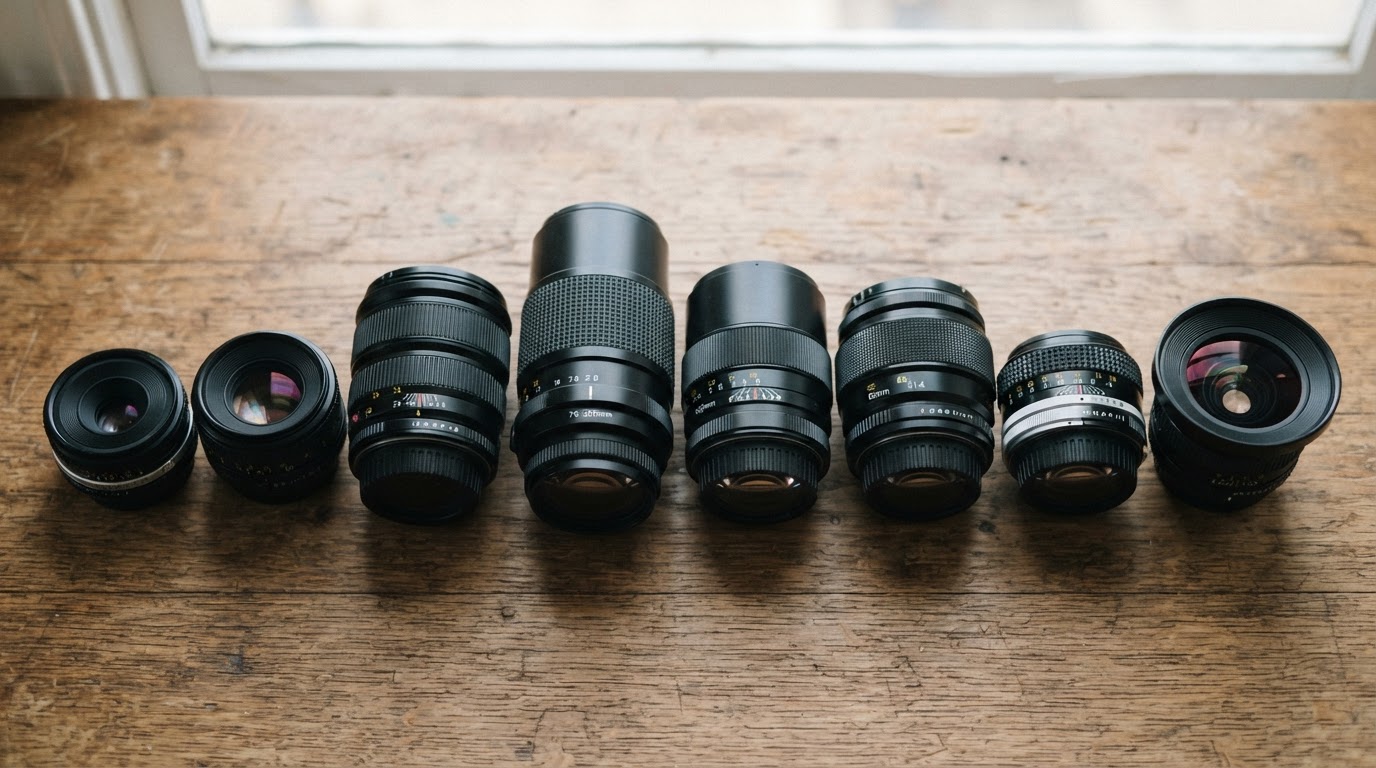
A camera body is a depreciating asset. Lenses, by contrast, often hold their value remarkably well — sometimes for decades. Buy glass, not bodies.
Lenses are a different story. A well-made prime lens from a major manufacturer can hold 70–80% of its value for years, sometimes longer. The practical implication: if you're budget-conscious, buy a used body and invest in new or lightly used glass. That's where the long-term value actually lives.
Software and Workflow Costs
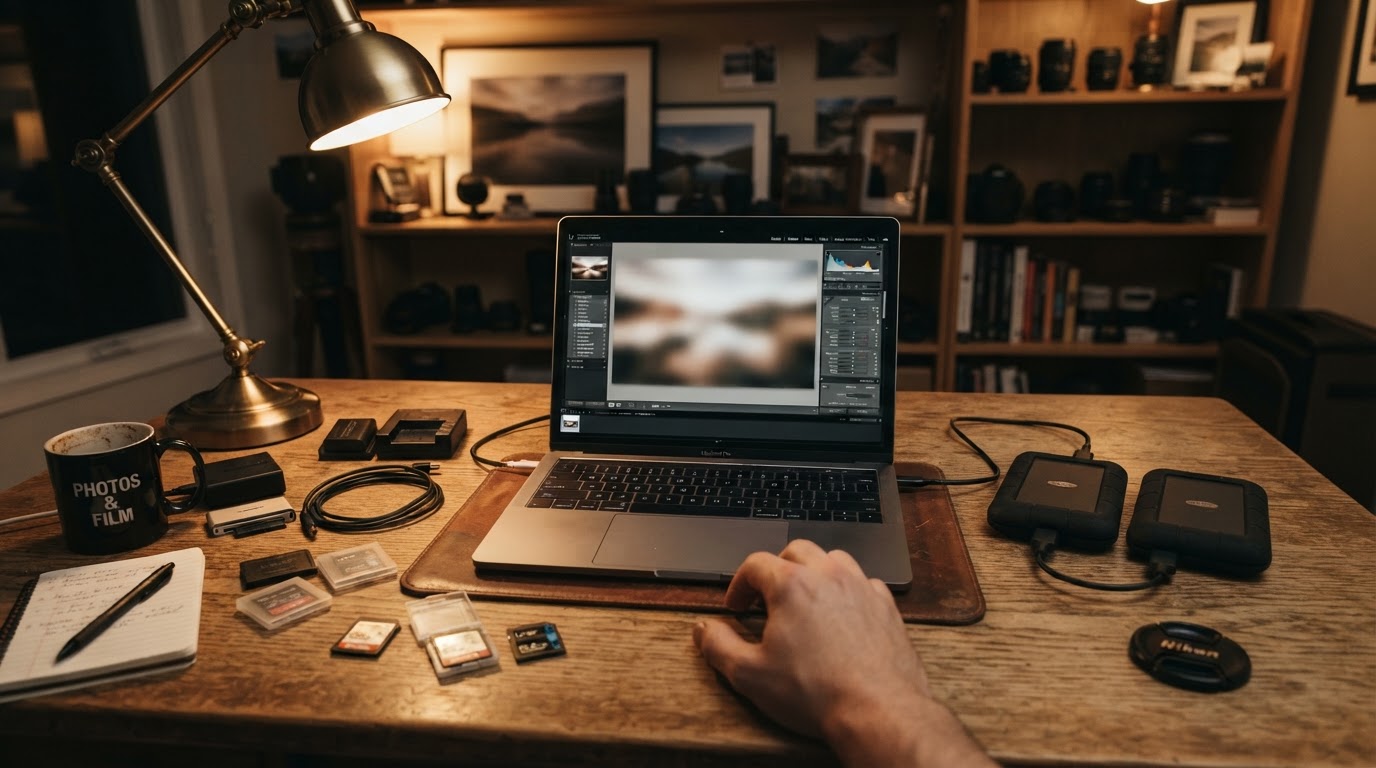
Shooting RAW files — which is the whole point of owning a serious camera — requires editing software. Adobe Lightroom runs on a subscription model that costs roughly $10–$15 per month depending on your plan. There are solid free alternatives like Darktable, but they have a steeper learning curve. Over five years, subscription software adds several hundred dollars to your total cost of ownership.
Storage is another line item people forget. RAW files from a modern high-resolution sensor can run 25–50 megabytes each. A single day of shooting can generate 10–20 gigabytes of data. You'll need fast memory cards, a backup drive, and eventually a cloud or NAS solution if you're serious about archiving.
How to Decide — A Simple Framework
Start With the Output Question
The most honest question to ask yourself isn't 'do I want a camera?' It's 'what will I actually do with the photos?' If the answer is Instagram, WhatsApp, and the occasional printed 5x7, a modern smartphone is genuinely sufficient. Computational photography has closed the gap dramatically for social-media-sized output.
If you want large prints — anything above roughly 16x20 inches — or you're shooting in challenging light conditions regularly, or you need optical zoom beyond 5x without quality loss, a dedicated camera starts earning its price. The physics of sensor size still matter. A larger sensor captures more light, which means cleaner images in low light and more natural background separation that no amount of AI processing fully replicates.
The 'Will I Actually Carry It?' Test
This is where a lot of camera purchases quietly fail. A camera you leave at home because it's heavy is worth exactly zero dollars. Be honest about whether you'll bring a 1.5-pound mirrorless kit to a family dinner, a hiking trip, or a spontaneous evening out. Compact cameras and smaller mirrorless bodies exist precisely because this is a real problem — but they still require intentional packing in a way your phone never does.
The best camera is the one you actually have with you. But if you're willing to plan around it, a dedicated camera will show you what you've been missing.
Matching Camera Type to Use Case
Not all dedicated cameras are the same investment. A compact point-and-shoot with a large sensor — the type that travel photographers favor — can be had for $400–$700 and fits in a jacket pocket. An entry mirrorless kit is bulkier but gives you interchangeable lenses. A full-frame professional system is a different category entirely, more comparable to buying a musical instrument than a consumer gadget.
Real-World Examples and Rules of Thumb That Actually Hold Up
The Wedding Photographer Scenario
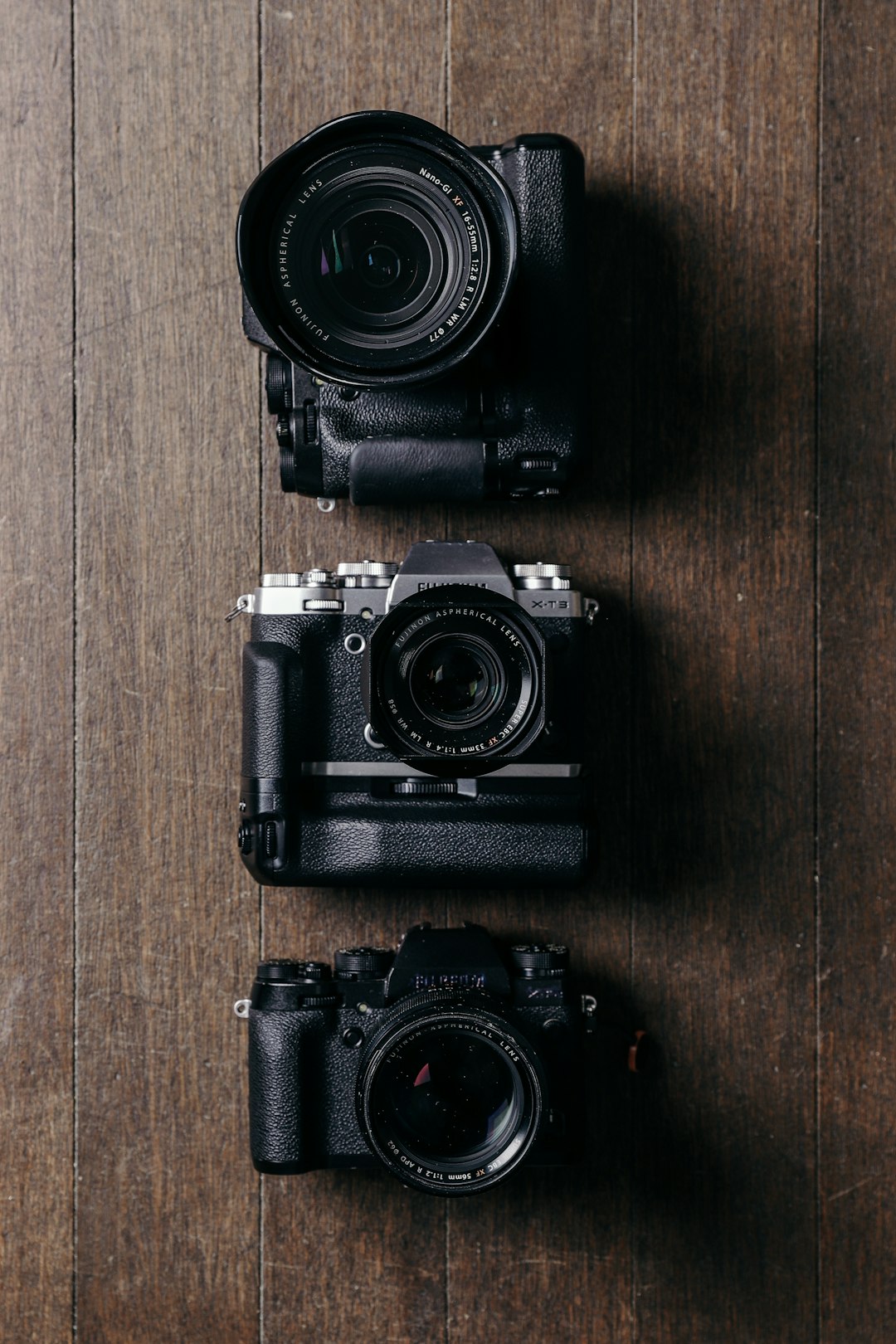
Consider a freelance wedding photographer who shoots 20 events a year. For them, a professional mirrorless body and two or three lenses is a business expense that pays for itself within a season. The image quality difference at that volume, in those lighting conditions, with clients who will print large and scrutinize every frame, is not marginal — it's decisive. Professional photographers aren't using dedicated cameras out of nostalgia.
The Enthusiast Hobbyist Scenario
Now consider someone who loves photography as a hobby, shoots landscapes on weekends, and occasionally prints large for their home. A mid-range mirrorless kit at $1,500–$2,000 is a reasonable five-year investment — roughly $300–$400 per year — if it genuinely increases how much they enjoy the craft. That's cheaper than many hobbies and the gear holds value reasonably well if they buy wisely.
The 'I Might Get Into Photography' Scenario
This is where most impulse camera purchases go wrong. Buying a $1,200 kit because you 'might get serious about photography' is a gamble with poor odds. A smarter path: rent a camera for a weekend trip (many camera shops and online services offer this), or buy a used entry-level body for $200–$300 to test your actual commitment before scaling up.
(Opinion: The camera industry has done itself no favors by marketing professional-grade gear to casual buyers. The result is millions of expensive cameras sitting in closets, which is both a waste of money and a missed opportunity to sell people the right tool at the right price.)
Frequently Asked Questions
Is a dedicated camera actually better than a modern smartphone for everyday photos?
For casual, well-lit everyday shooting, the gap has narrowed significantly. Smartphones excel at convenience, computational processing, and sharing speed. Dedicated cameras still win on optical performance in low light, true optical zoom, and image quality for large prints — but for most social media use, a flagship phone is genuinely competitive.
Do digital cameras lose value quickly?
Camera bodies depreciate fast — often 30–40% within two years. Lenses hold their value much better, sometimes for a decade or more. If you're buying used, you can find excellent camera bodies at significant discounts while still getting full optical performance. The used market for cameras is mature and generally reliable.
Can I rent a camera before committing to buy one?
Yes, and it's one of the smartest moves a prospective buyer can make. Several online rental services ship camera kits directly to your door for weekend or week-long rentals at a fraction of the purchase price. This lets you test whether you'll actually use the gear and whether the image quality difference justifies the cost for your specific use case.
The real calculus here isn't about megapixels or sensor size charts. It's about whether a dedicated camera will change how you engage with photography — or whether it will become an expensive reminder of a hobby you meant to pick up. Smartphones have made everyone a photographer. Dedicated cameras still make some people a better one. The difference between those two outcomes is less about the gear than about what you're willing to carry, learn, and commit to. And that's a question no spec sheet can answer for you.


Comments
Post a Comment